Basic Addition Building Vocabulary Worksheets for Ages 5-8
4 filtered results
-
From - To
Enhance your child's foundational math skills with our Basic Addition Building Vocabulary Worksheets, designed specifically for ages 5-8. These engaging and interactive worksheets foster a fun learning environment, guiding young learners through essential addition concepts. Featuring colorful illustrations and relatable examples, children will not only improve their addition skills but also build their vocabulary through targeted language exercises. Our worksheets enable kids to confidently tackle math problems while expanding their word knowledge. Perfect for home or classroom use, these resources are a valuable tool in supporting early mathematical development and vocabulary acquisition. Start your child's mathematical journey today!
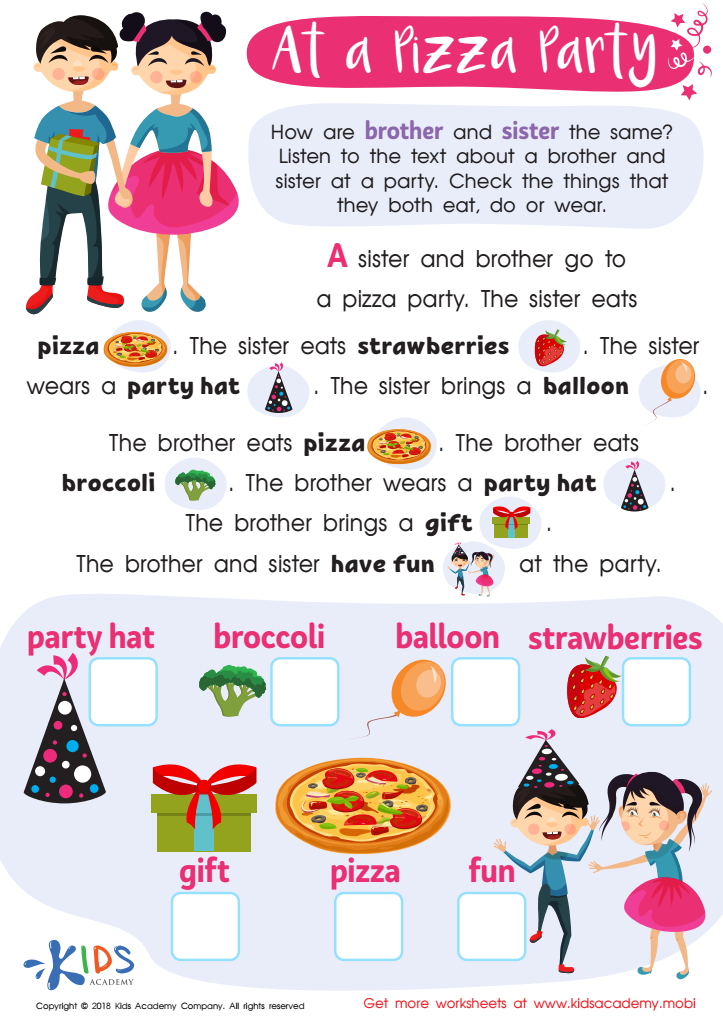
At a Pizza Party Worksheet
 Assign to My Students











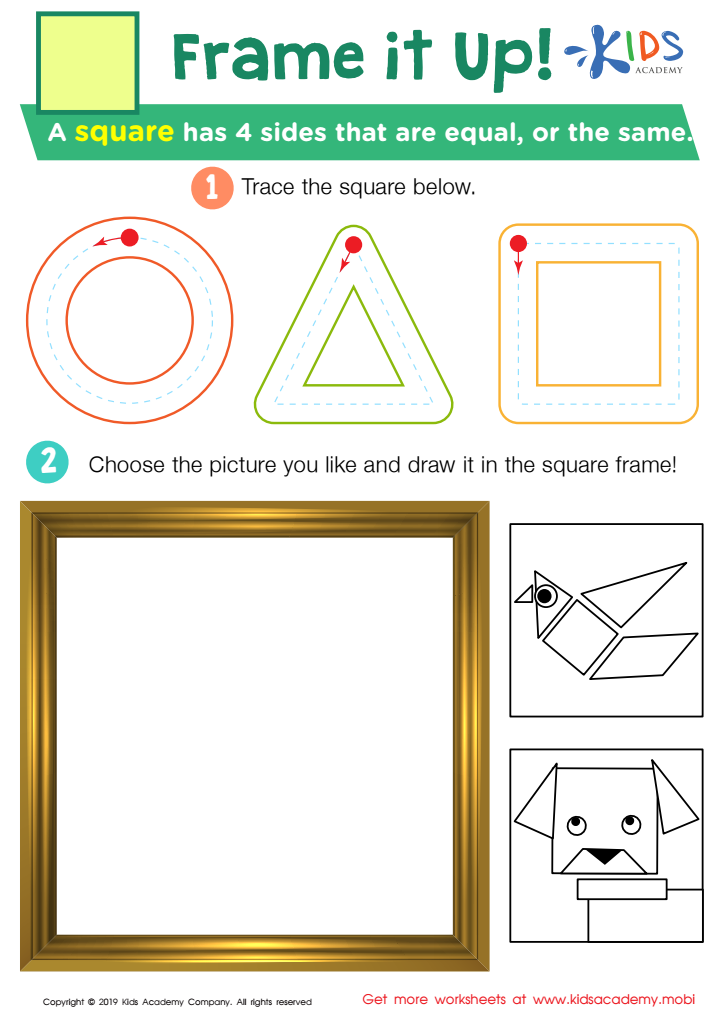
Frame it Up Worksheet
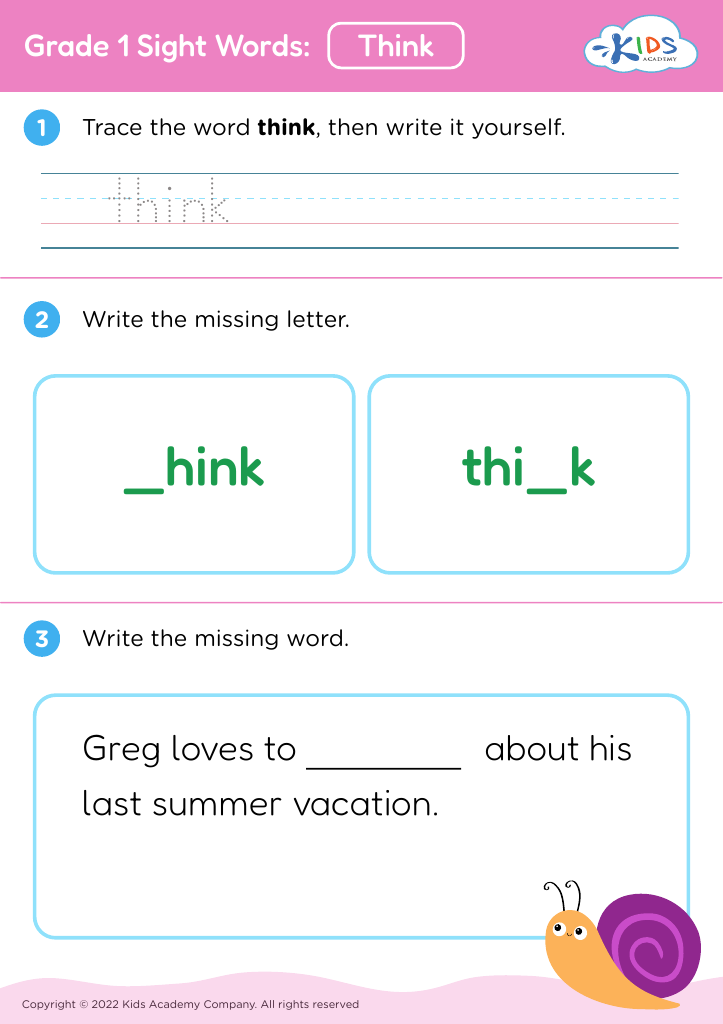
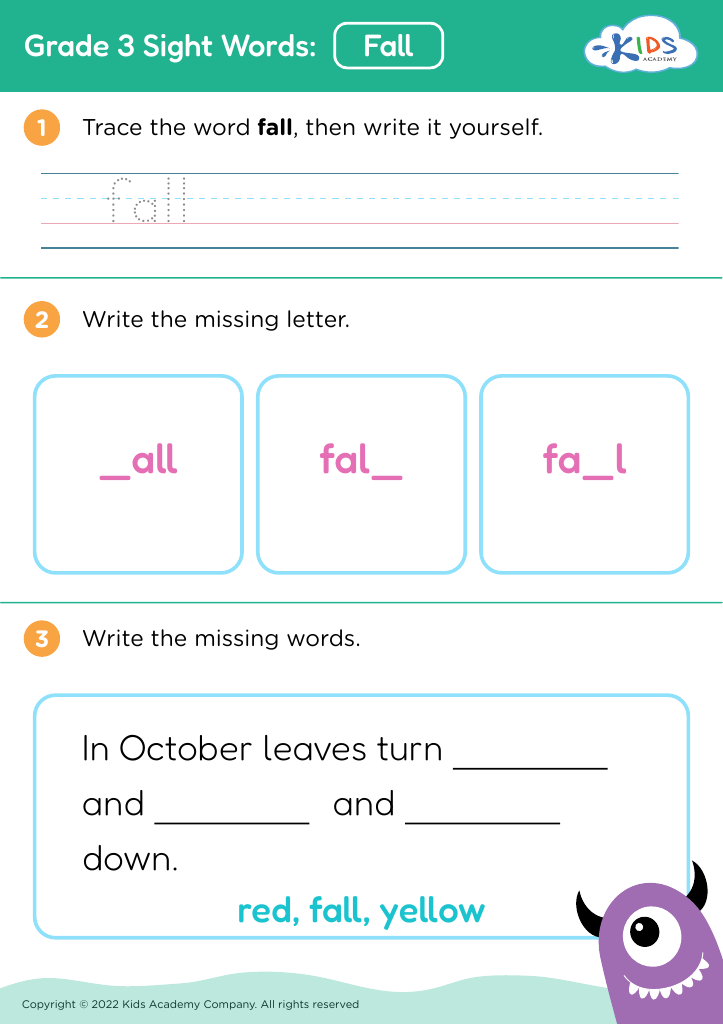








Understanding basic addition is more than just learning numbers; it lays the foundation for a child's numerical literacy. For children aged 5-8, building vocabulary around basic addition concepts is crucial as it enhances their ability to communicate mathematical ideas effectively. This vocabulary includes terms like “sum,” “equals,” “more than,” and “less than,” which provide the tools they need to verbalize their thought processes and tackle more complex problems in the future.
Moreover, incorporating mathematical vocabulary in early education encourages cognitive development. It fosters critical thinking skills as children learn to categorize and understand relationships between numbers. Additionally, building this vocabulary can boost self-confidence in young learners, making them more likely to engage with math enthusiastically.
Parents and teachers play a vital role by encouraging discussions about math in everyday situations, helping children connect these concepts to their daily lives. Integrating basic addition vocabulary into lessons and conversations not only prepares children for future mathematical challenges but also encourages a lifelong appreciation of learning. Ultimately, emphasizing basic addition vocabulary empowers young learners, setting them up for success in their educational journey and beyond.








