
Counting objects Building Vocabulary Worksheets for Ages 5-8
3 filtered results
Difficulty Level
Grade
Age
-
From - To
Subject
Activity
Standards
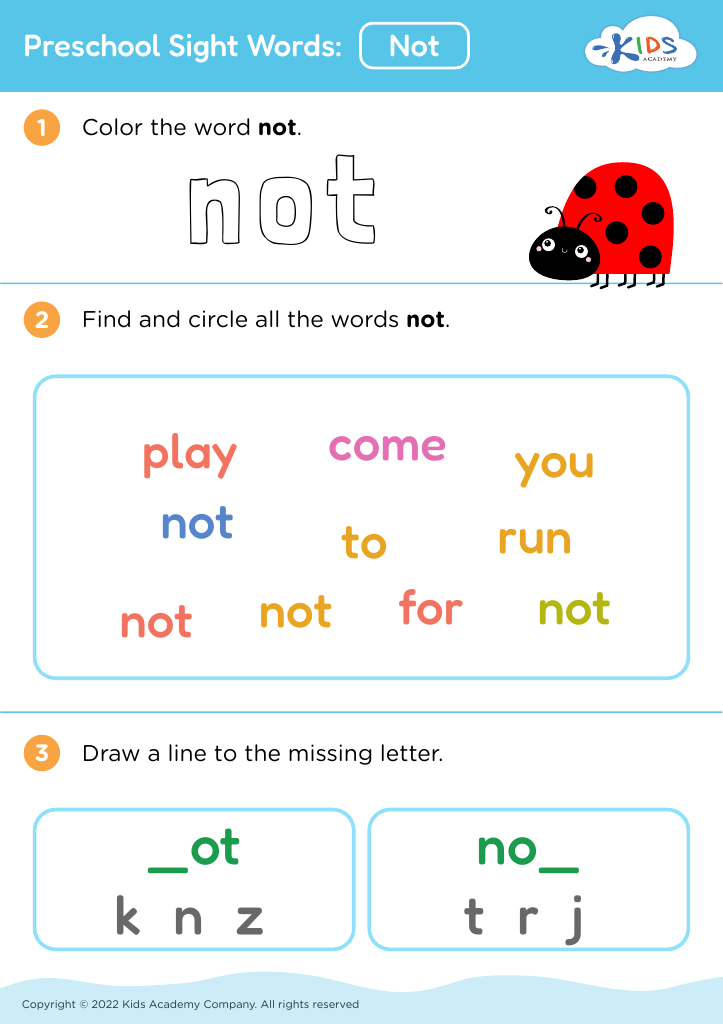
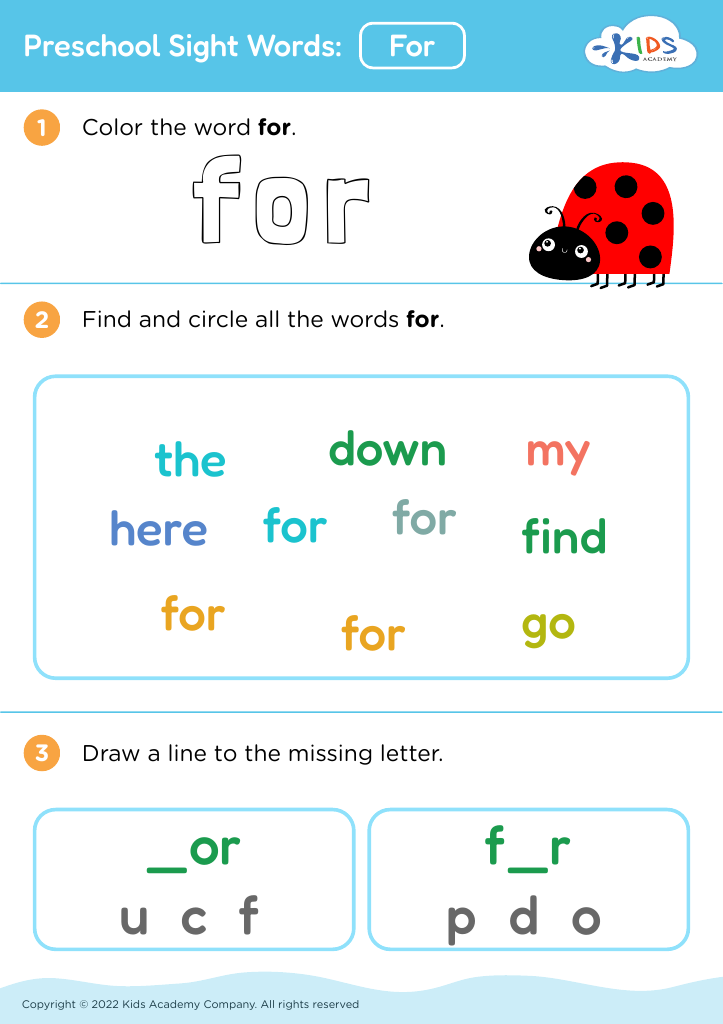
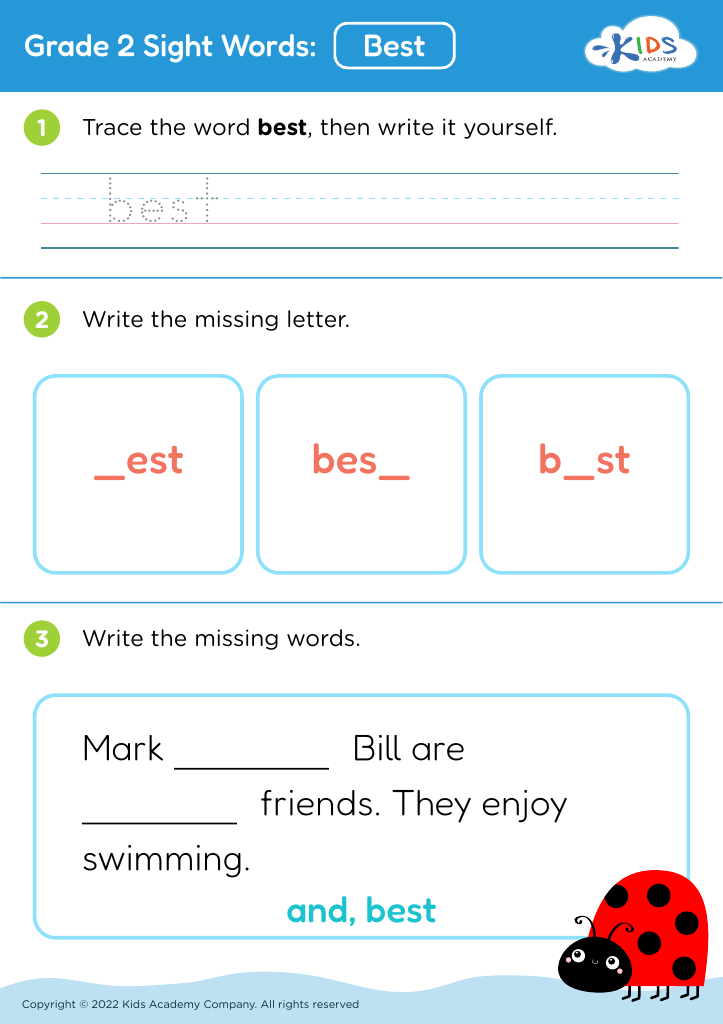
Our "Counting Objects Building Vocabulary Worksheets for Ages 5-8" expertly blend essential math and language skills to create an enriching learning experience. Specifically designed for young minds, these engaging worksheets help children practice counting objects while simultaneously expanding their vocabulary. Vibrant illustrations and interactive exercises keep kids captivated as they learn to identify numbers, understand quantities, and enhance their word recognition. Perfect for both classroom and at-home learning, these worksheets support holistic educational growth and set a solid foundation for future academic success. Fun and effective—discover the joy of learning today with our comprehensive resources!
Favorites
With answer key
Interactive











Learning Skills
Join Kids Academy for Free
Who is primarily going to use this learning content?



.jpg)




Caring about counting objects and building vocabulary for children ages 5-8 is crucial for their academic, social, and cognitive development. At this critical stage, counting objects helps children build a strong mathematical foundation. It fosters number sense, enabling them to understand the value and relationship of numbers, which is fundamental for more complex math skills they’ll encounter later. This hands-on, visual approach also improves their ability to focus, sort, and categorize, laying the groundwork for logical thinking and problem-solving skills.
Simultaneously, building vocabulary is essential for language development, which is intimately connected with overall academic success. A rich vocabulary enables children to comprehend more complex texts, articulate their thoughts clearly, and enhance their communication skills. This age group is particularly receptive to language growth; hence, exposure to diverse and abundant vocabulary can significantly boost their reading abilities and comprehension, setting the stage for a lifelong love of learning.
Together, these skills are fundamental components of literacy and numeracy. By prioritizing these areas, parents and teachers equip children with the tools they need to succeed across all subjects. Additionally, these skills encourage confidence and curiosity, fostering a positive attitude towards learning that can last a lifetime. Thus, investing time in these foundational skills is investing in the child’s future.








