Critical Thinking Building Vocabulary Worksheets for Ages 5-8
20 filtered results
-
From - To
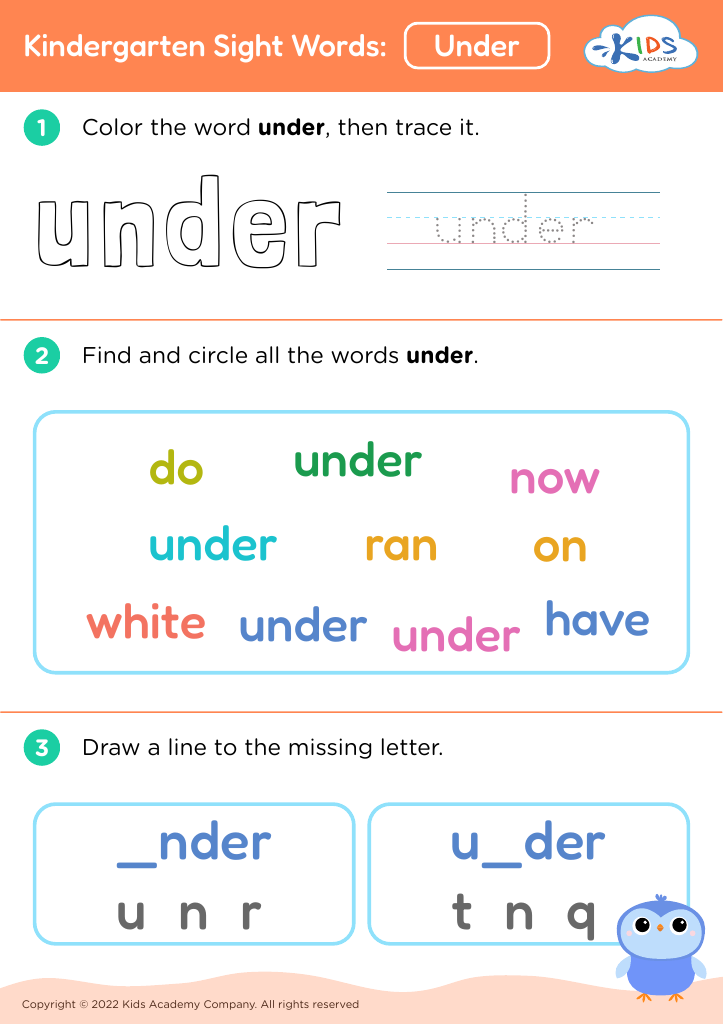
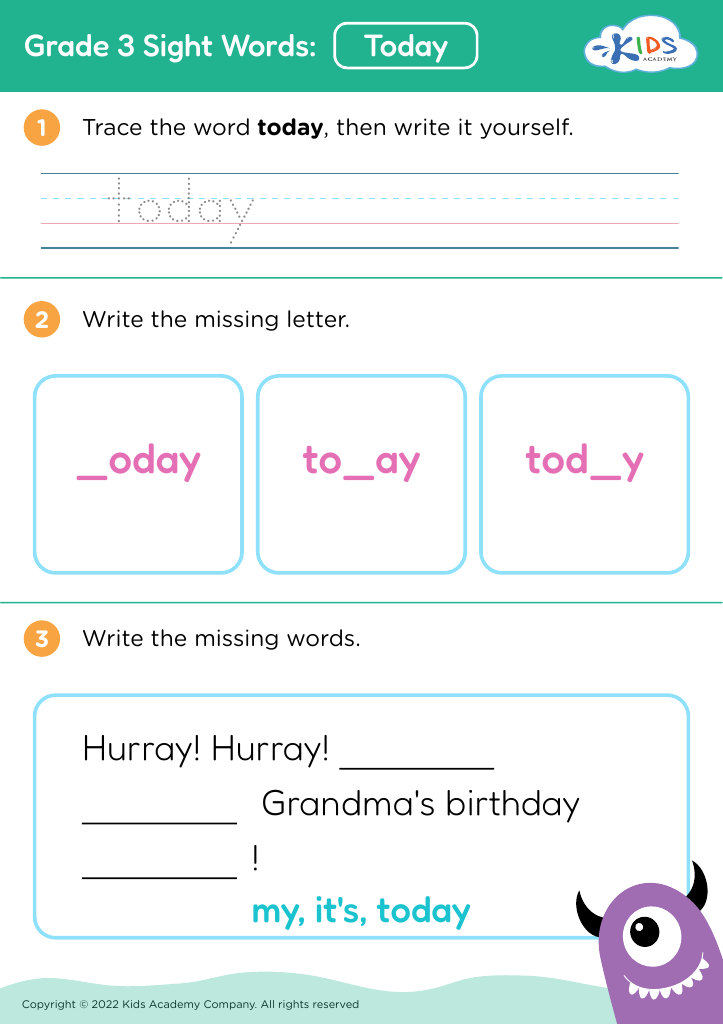
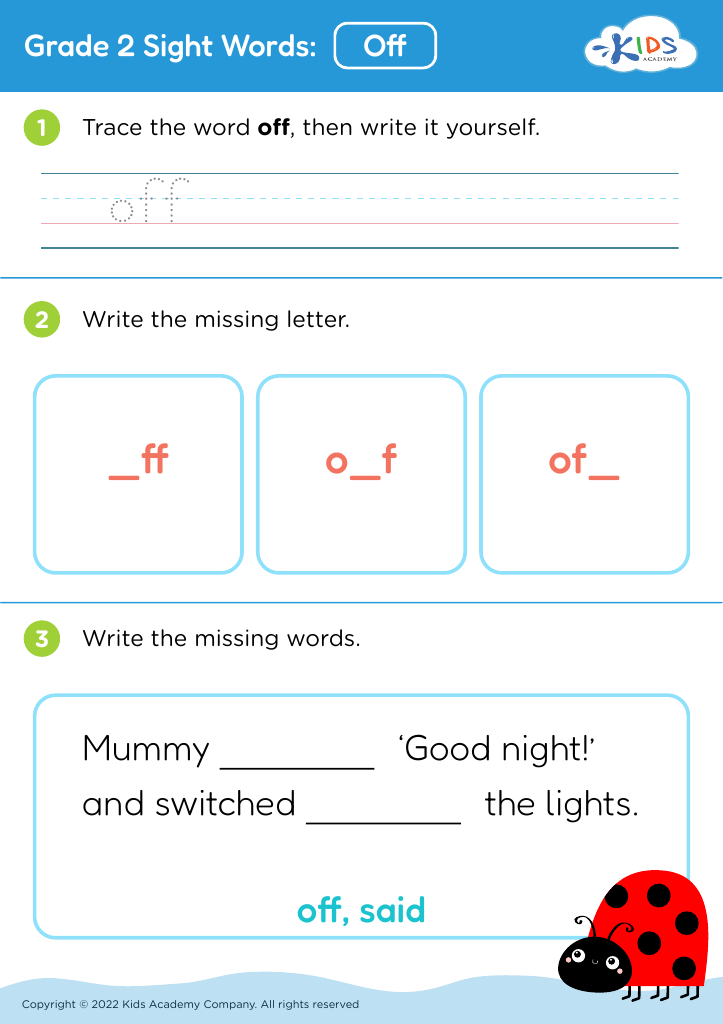
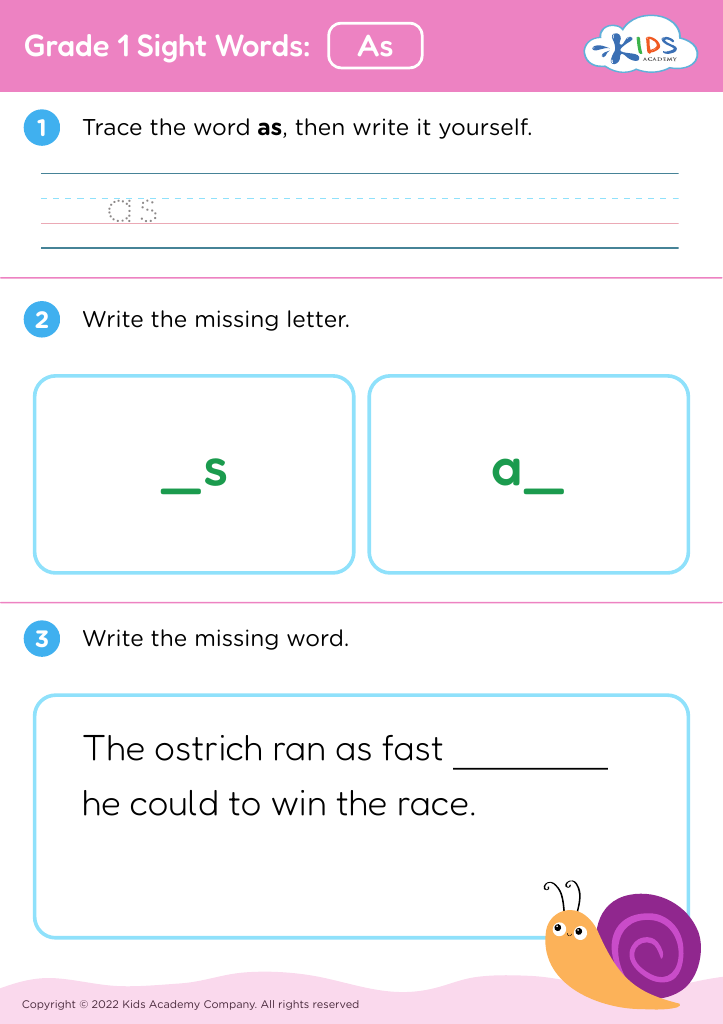
Enhance your child's critical thinking and vocabulary skills with our engaging worksheets designed for ages 5-8! Our Critical Thinking Building Vocabulary Worksheets encourage young learners to explore words through fun exercises that promote reasoning and comprehension. Designed to complement their evolving literacy skills, these worksheets feature various activities, including word puzzles, matching games, and contextual challenges that stimulate curiosity and cognitive development. With a focus on interactive learning, children will enjoy expanding their vocabulary while building essential thinking skills. Perfect for both classroom and home use, our worksheets make vocabulary development a joyful experience for every early learner!
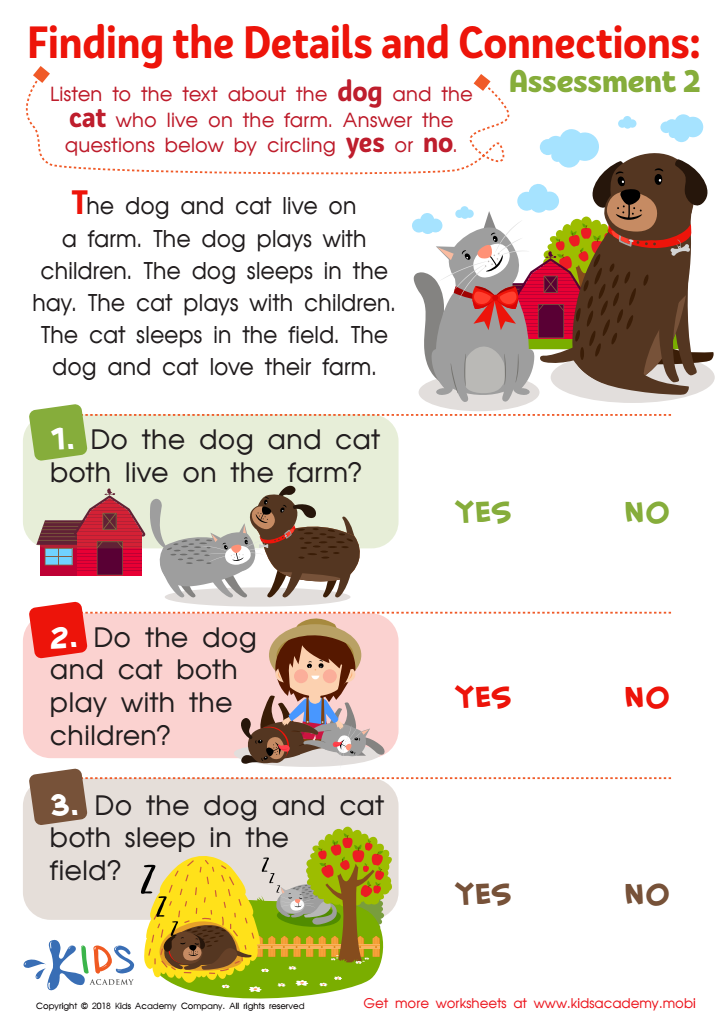
Finding the Details and Connections: Assessment 2 Worksheet
 Assign to My Students











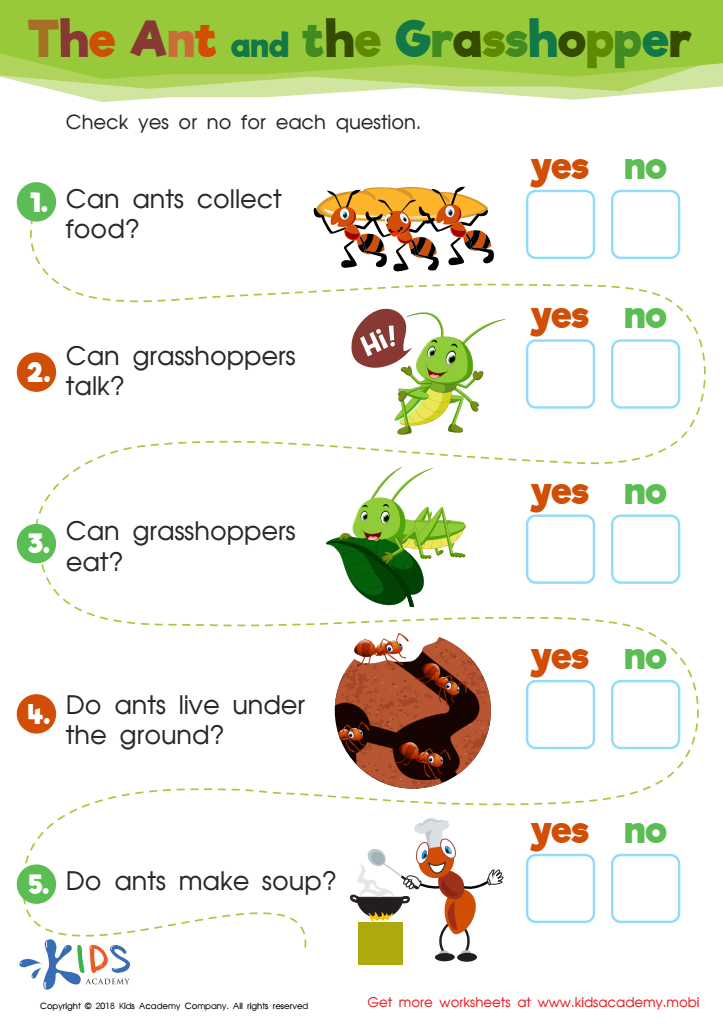
The Ant and The Grasshopper Worksheet
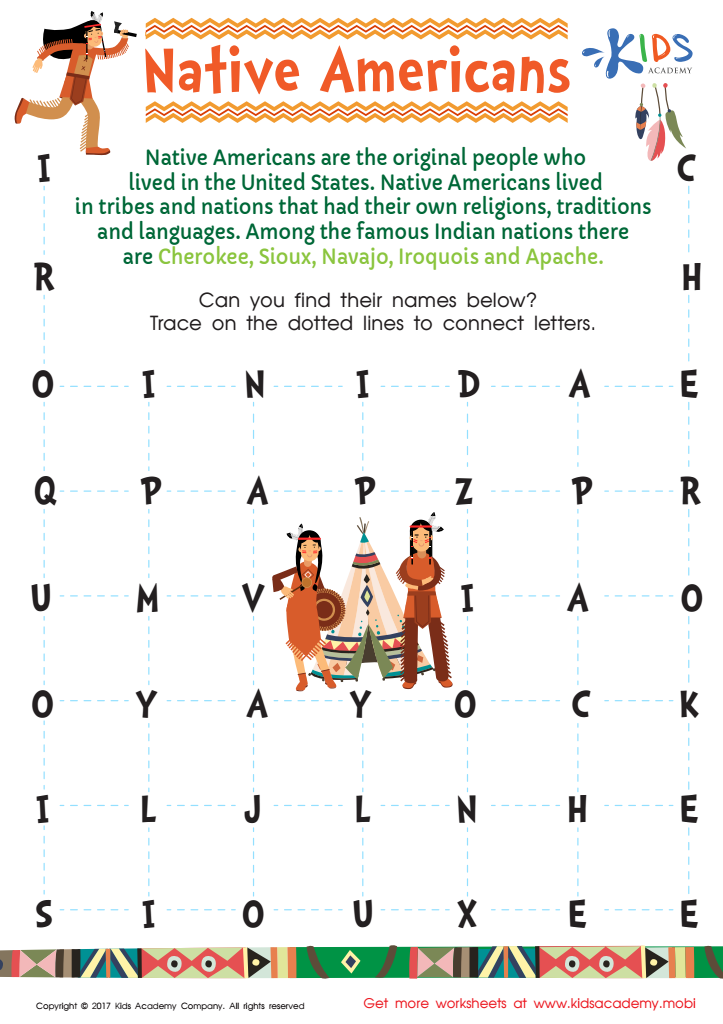
Native American Word Search Printable
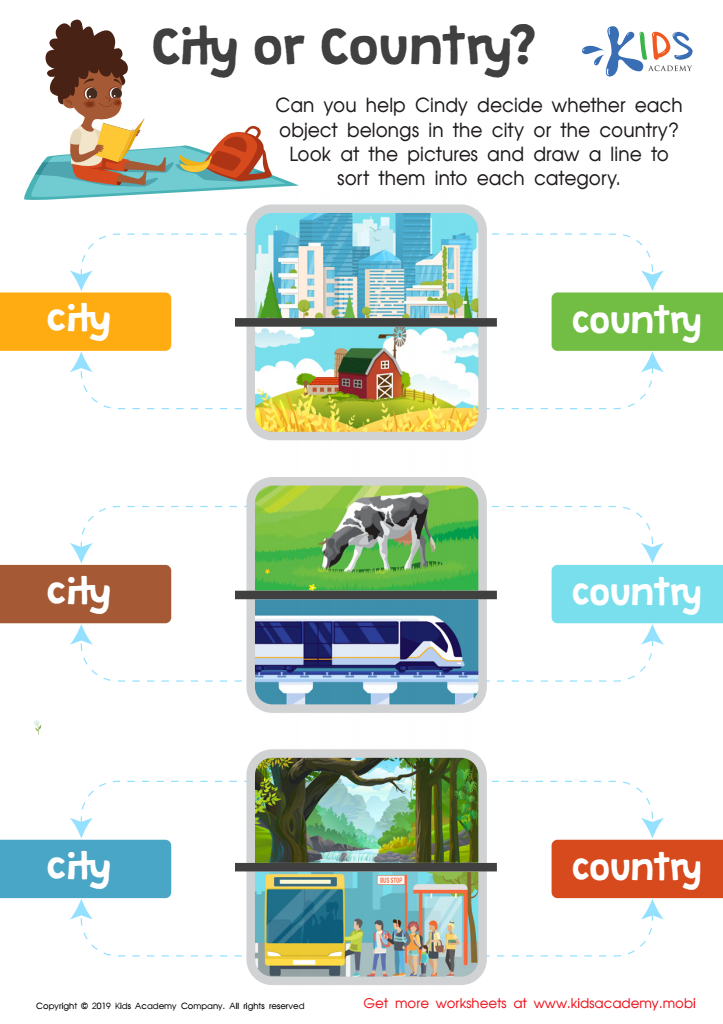
City or Country? Worksheet
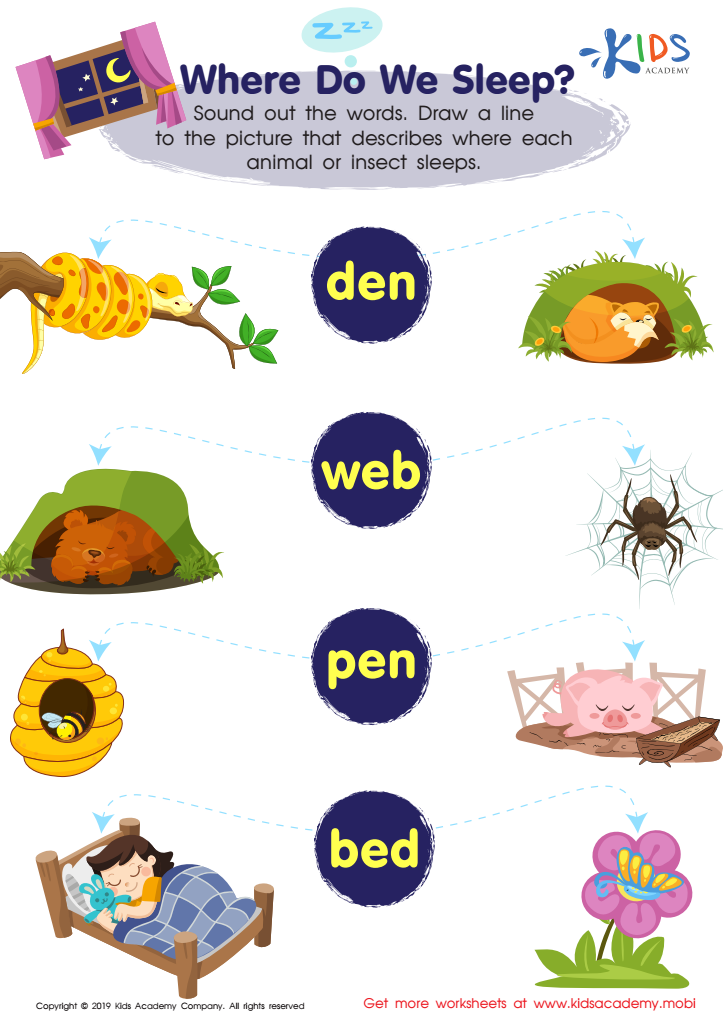
Where Do We Sleep Worksheet
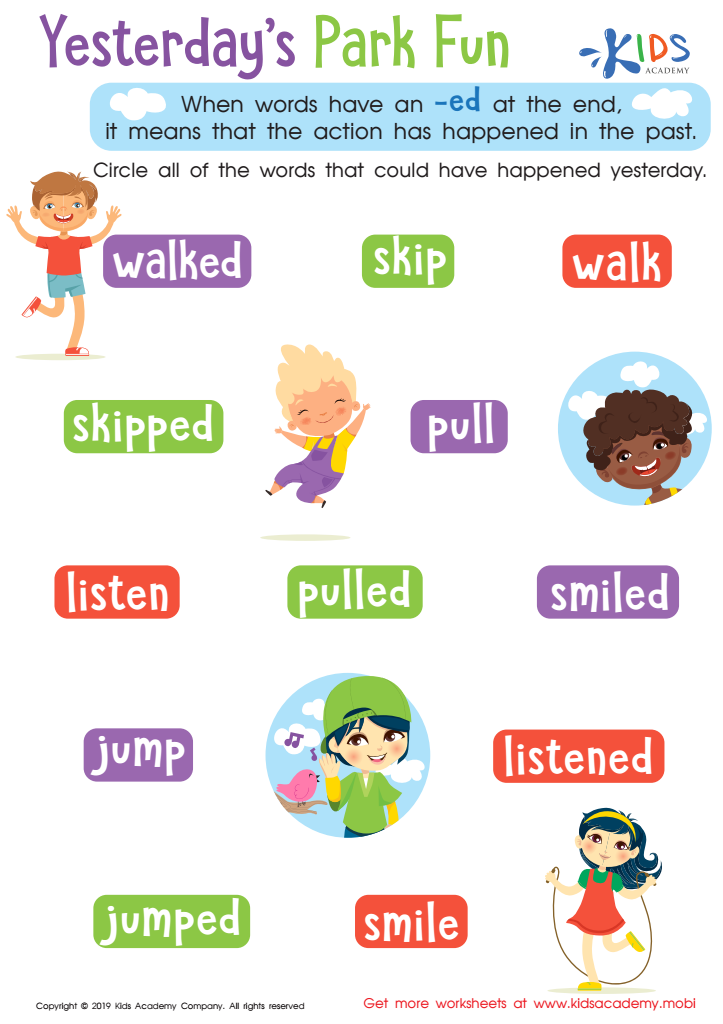
Yesterday's Park Fun Worksheet
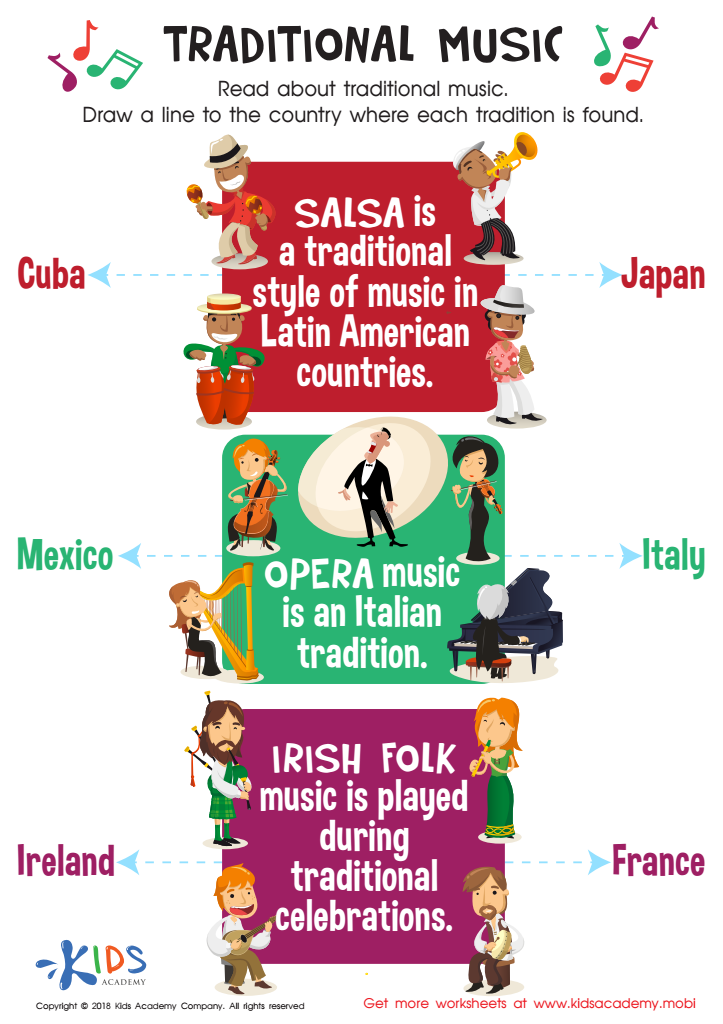
Traditional Music Worksheet
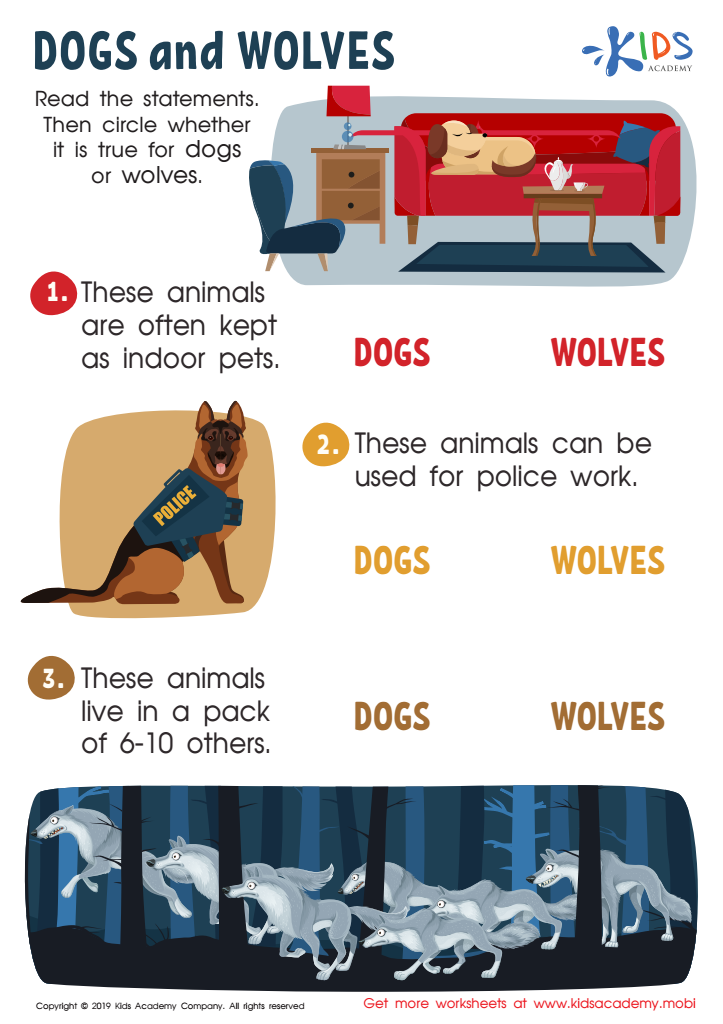
Dogs and Wolves Worksheet
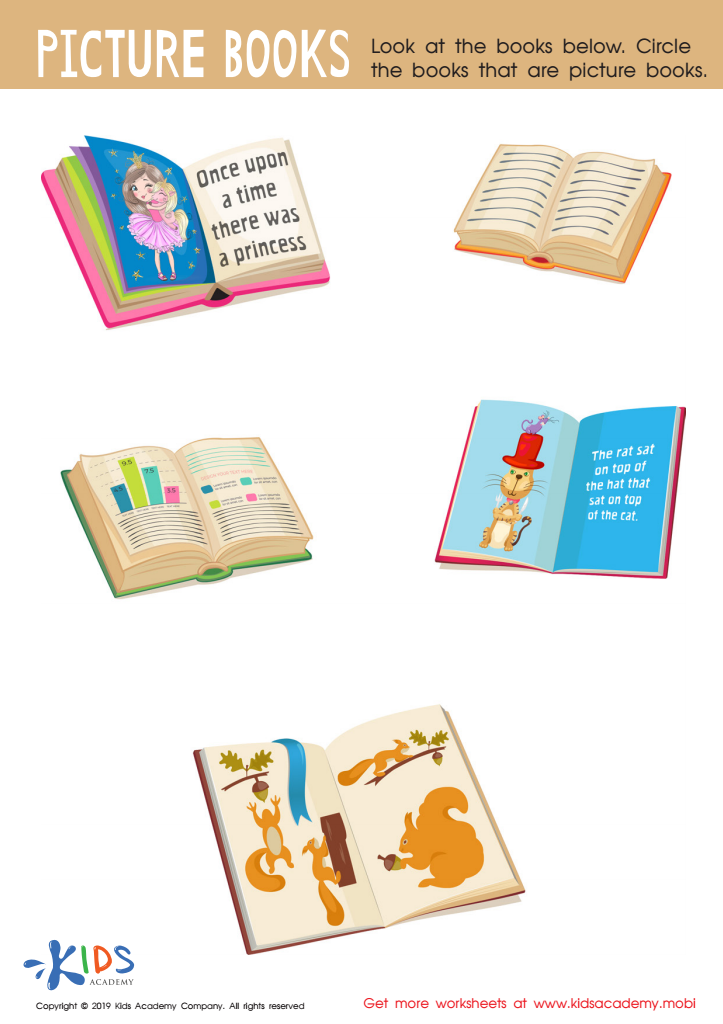
Picture Books Worksheet
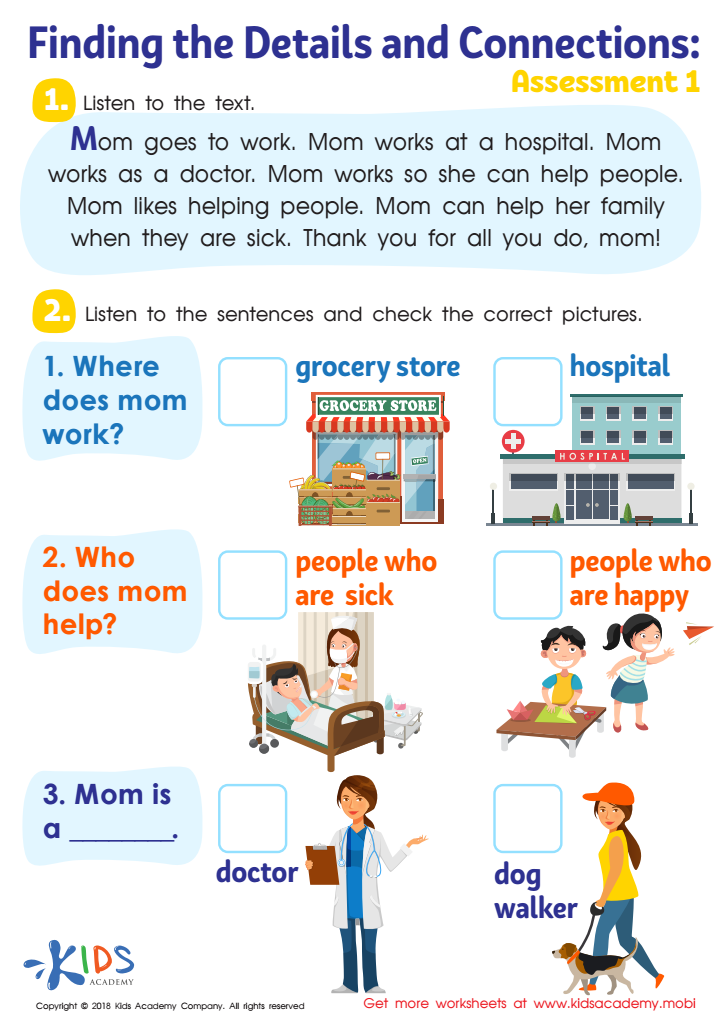
Finding the Details and Connections: Assessment 1 Worksheet
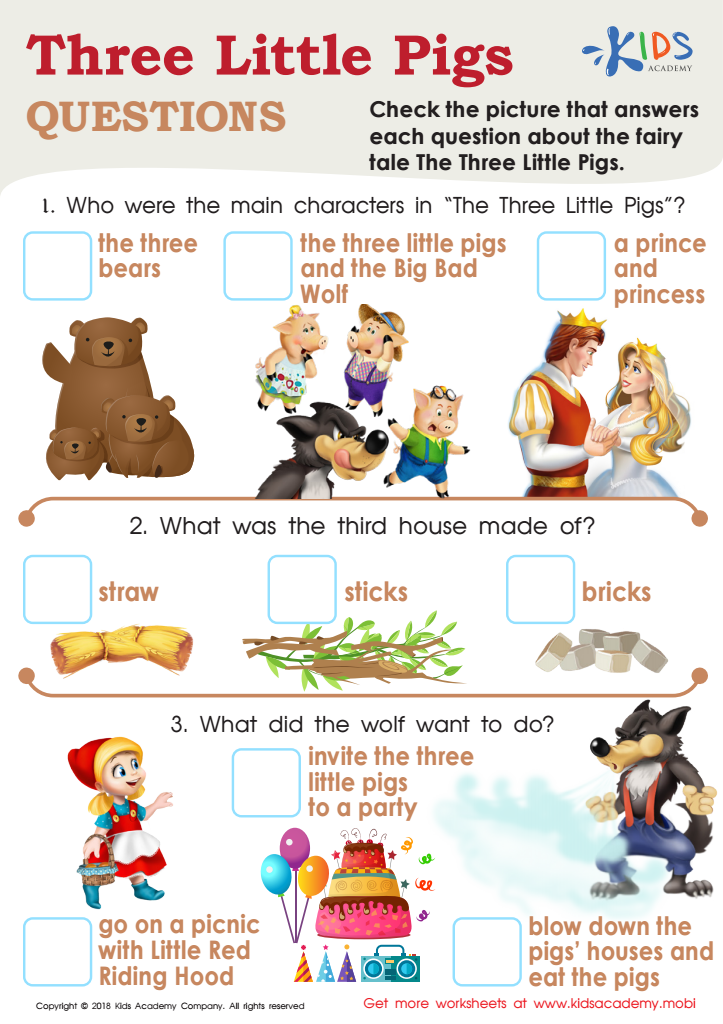
Three Little Pigs Questions Worksheet
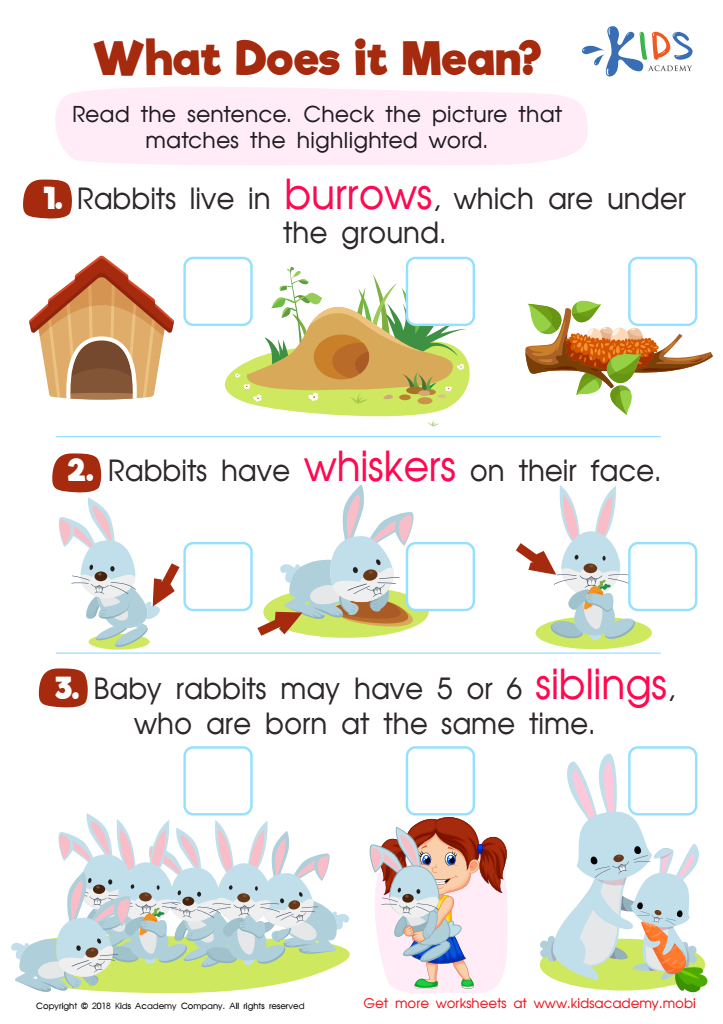
What Does It Mean? Worksheet
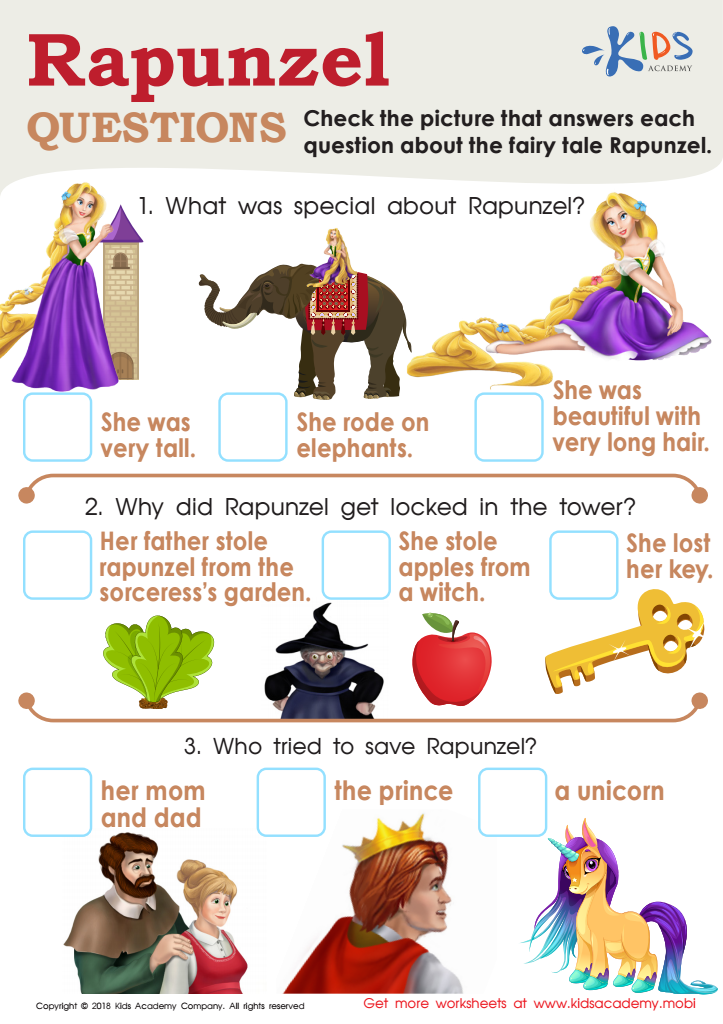
Rapunzel Questions Worksheet
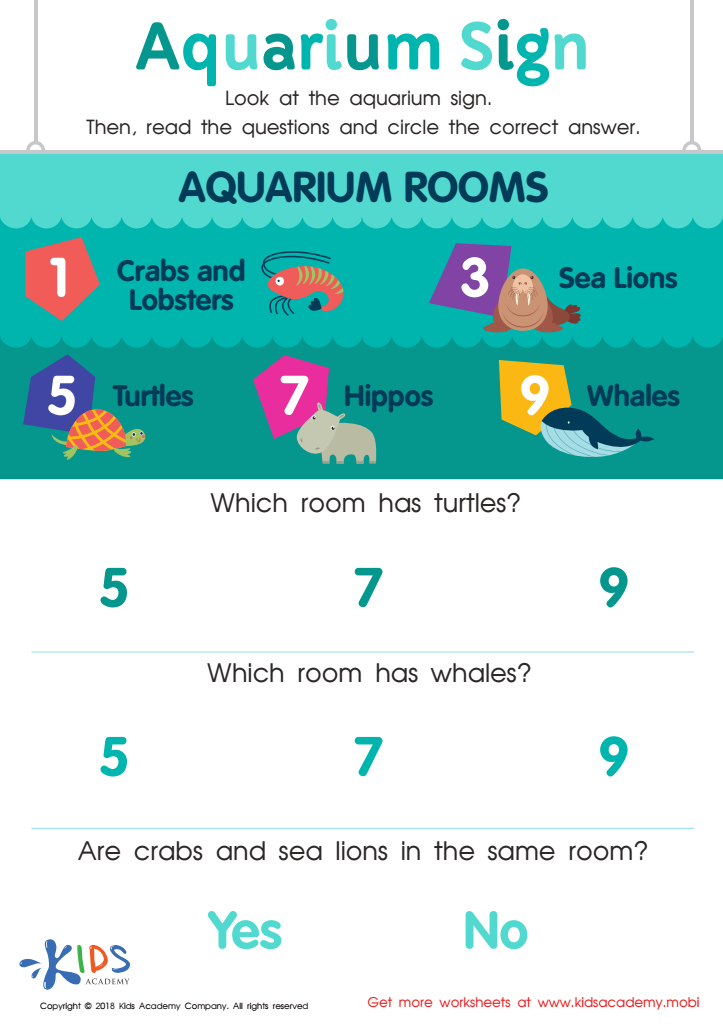
Assessment: Aquarium Sign Worksheet
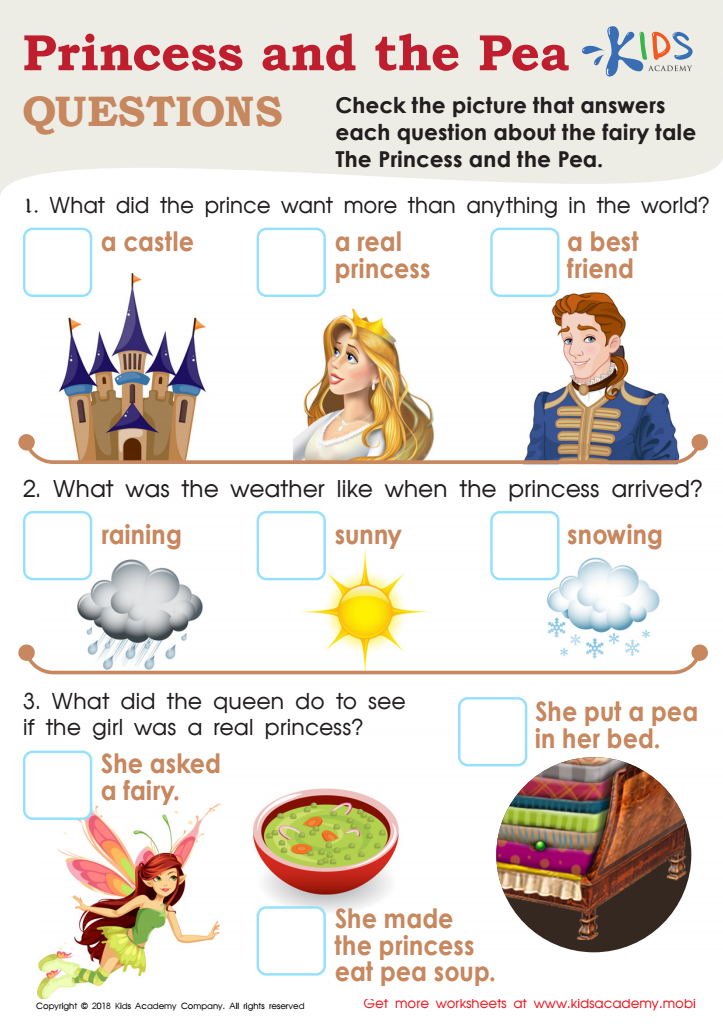
Princess and the Pea Questions Worksheet
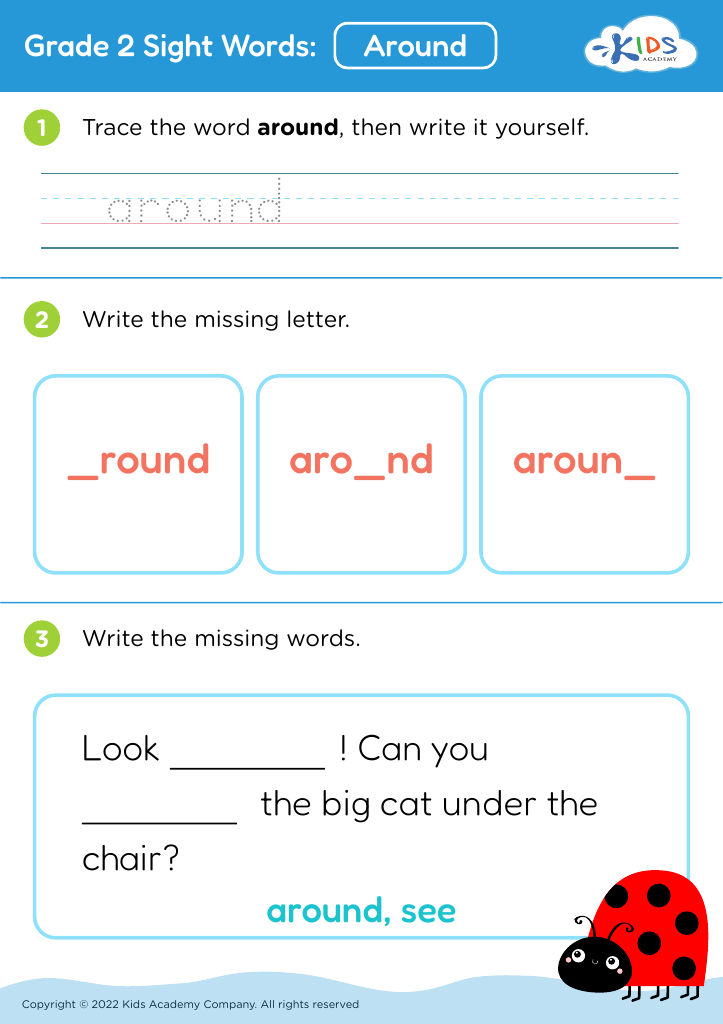






.jpg)
Developing critical thinking and vocabulary skills in children aged 5-8 is crucial for their cognitive and academic growth. During these formative years, children are naturally curious and learn best through exploration and questioning. Encouraging critical thinking helps them analyze information, make connections, and develop problem-solving skills that are essential for future learning and life experiences.
A strong vocabulary lays the foundation for effective communication. When children express their thoughts clearly, they engage better in conversations, both with peers and adults, fostering social and emotional development. Activities that build vocabulary, such as reading aloud, storytelling, and discussion-based learning, can enhance their linguistic abilities.
Critical thinking and vocabulary building go hand-in-hand, as having a well-developed vocabulary allows children to articulate their reasoning and conclusions clearly. This synergy contributes to improved reading comprehension, writing skills, and overall academic performance.
Parents and teachers play a pivotal role in nurturing these skills. By integrating critical thinking exercises into daily activities and providing diverse vocabulary-rich experiences, they can emphasize the value of inquiry and deliberation. This multifaceted approach not only prepares children for structured learning environments but also equips them with lifelong skills necessary for navigating an increasingly complex world.








