
Critical thinking skills Building Vocabulary Worksheets for Ages 5-8
7 filtered results
Difficulty Level
Grade
Age
-
From - To
Subject
Activity
Standards
Enhance your child's learning journey with our Critical Thinking Skills Building Vocabulary Worksheets designed for ages 5-8. These engaging worksheets foster crucial cognitive abilities while expanding vocabulary, ideal for developing young minds. Each activity encourages children to analyze, evaluate, and create as they explore language arts through fun, interactive exercises. Tailored to meet the developmental needs of early learners, our resources promote problem-solving and comprehension skills alongside vocabulary enhancement. Empower your child’s educational experience and lay a strong foundation in literacy with our comprehensive worksheets. Discover the perfect blend of learning and fun today, promoting essential life skills alongside academic success!
Favorites
With answer key
Interactive
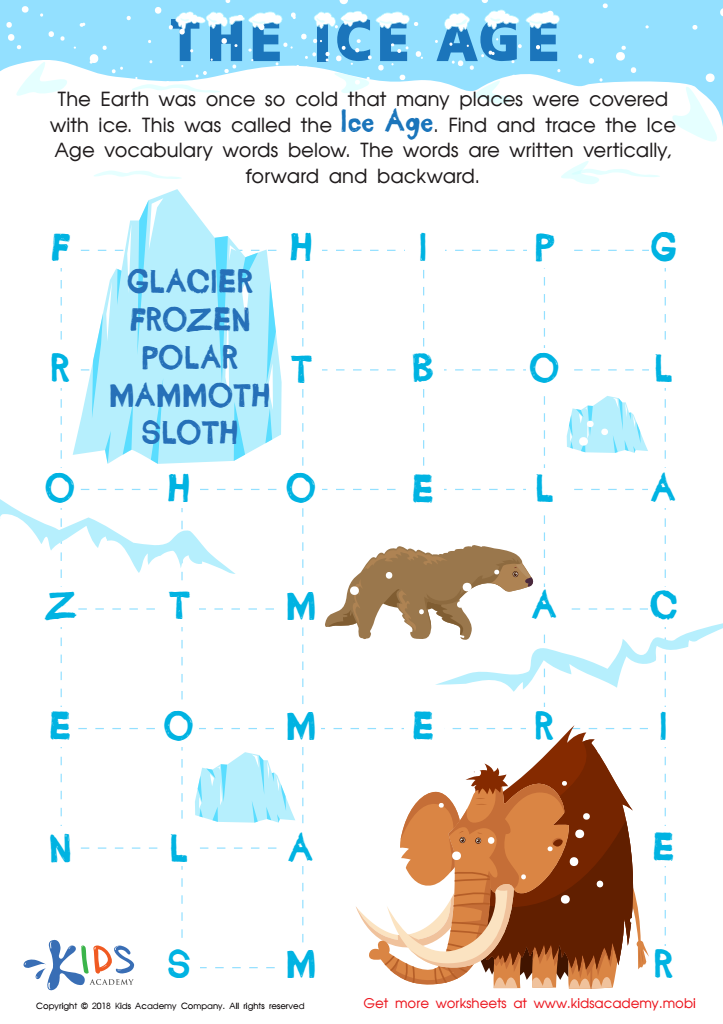
The Ice Age Worksheet
Let your child explore the Ice Age with this fun word search from Kids Academy! They can find words like glacier, frozen, polar, mammoth, and sloth. After finding each, discuss the meaning to help them build a better vocabulary and understanding of ancient history.
 Assign to My Students
The Ice Age Worksheet
Worksheet











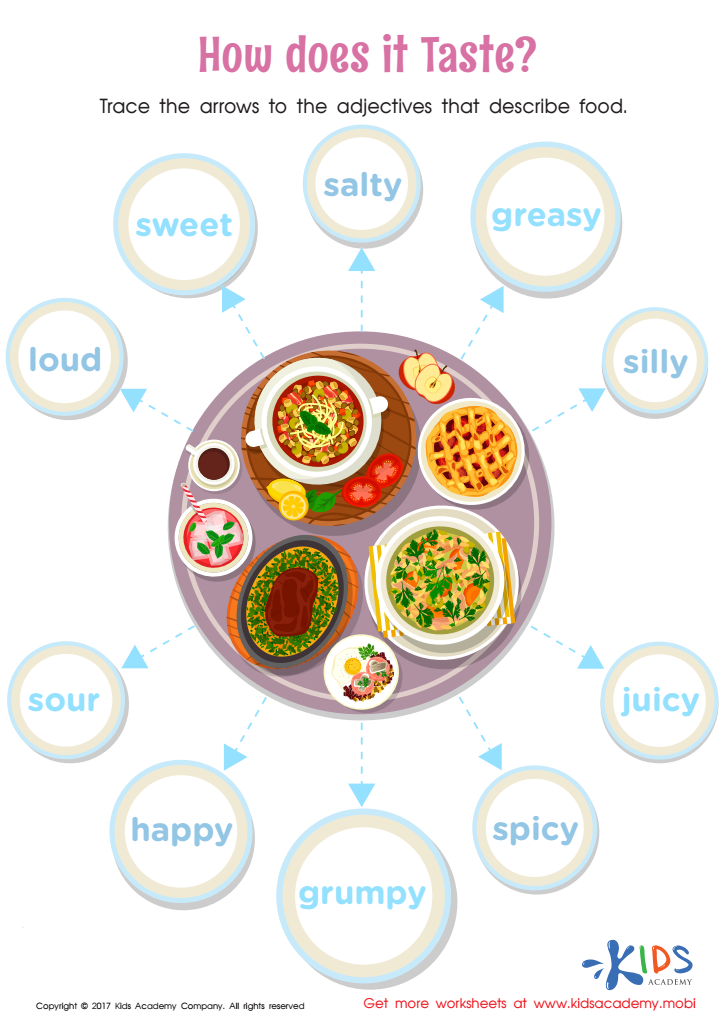
Food Adjectives Worksheet
Here’s a fun PDF worksheet to get your child’s taste buds tingling and help build descriptive language skills!
Food Adjectives Worksheet
Worksheet
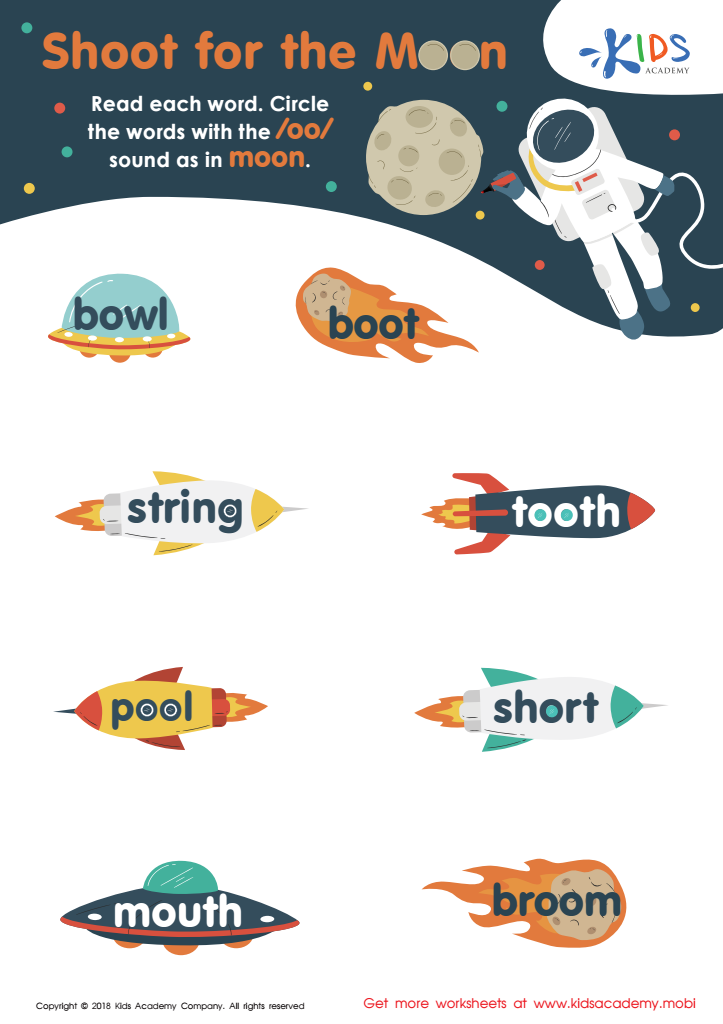
Reading: Shoot for the Moon Worksheet
Ask your kids if they can name any common words with the /oo/ sound. Read each word with them and help them pronounce it. Then, have them circle the words that have the /oo/ sound as in moon.
Reading: Shoot for the Moon Worksheet
Worksheet
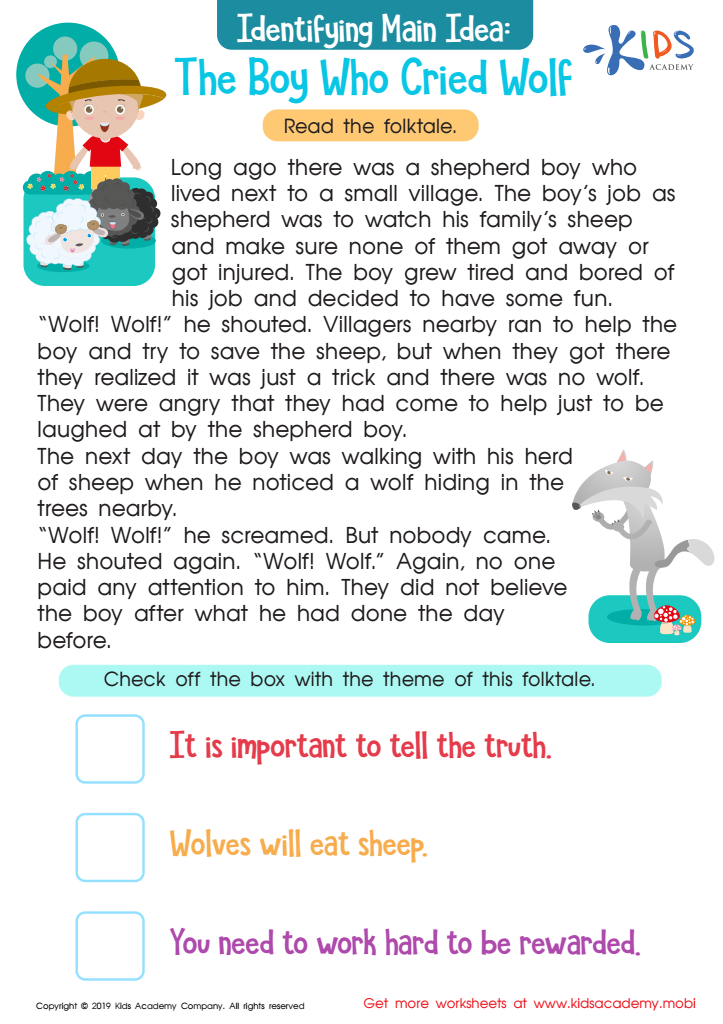
The Boy Who Cried Wolf Part 2 Worksheet
Kids love story time - no doubt they know their favorites! This worksheet tells a story with a theme or main idea. Read it carefully with your kids and ensure they understand every word. Then, help them answer the simple questions at the bottom of the page.
The Boy Who Cried Wolf Part 2 Worksheet
Worksheet
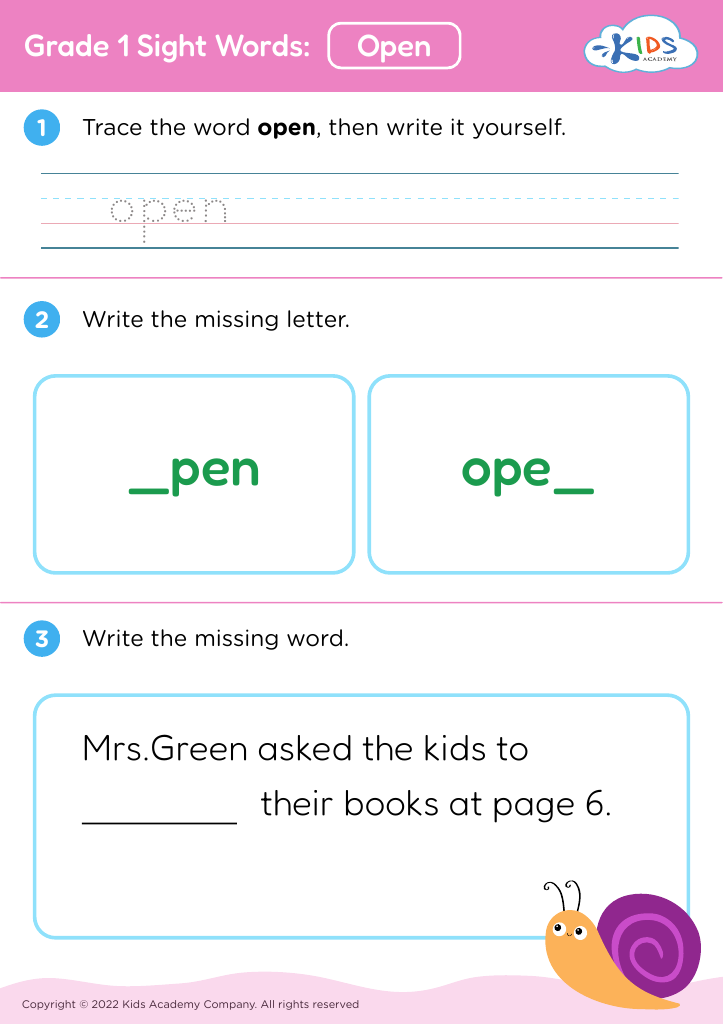
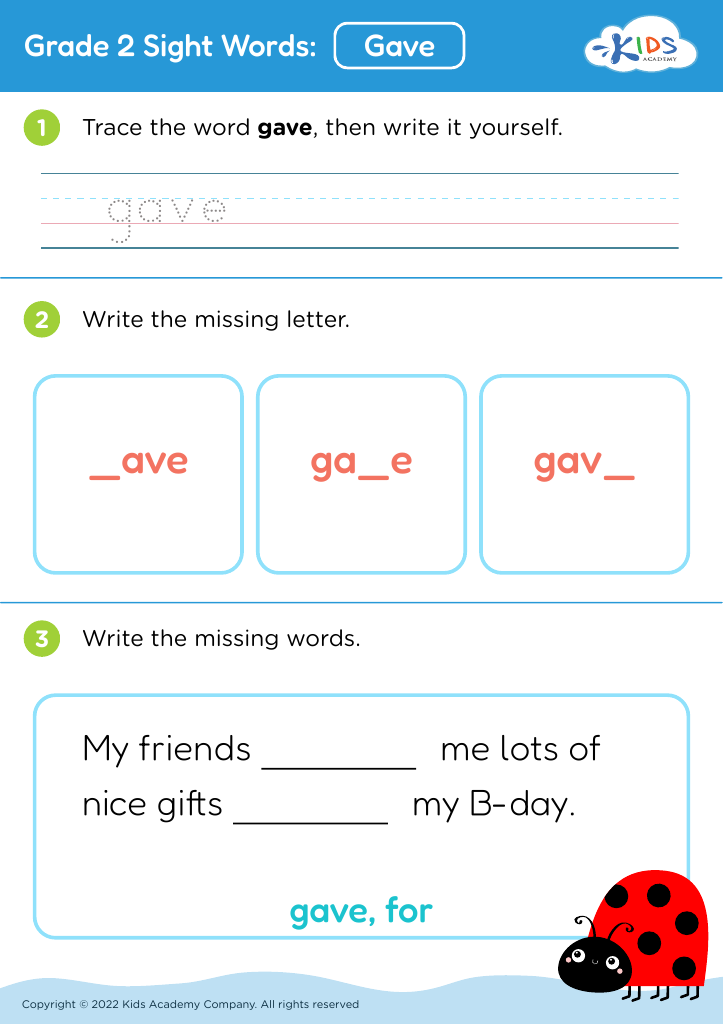
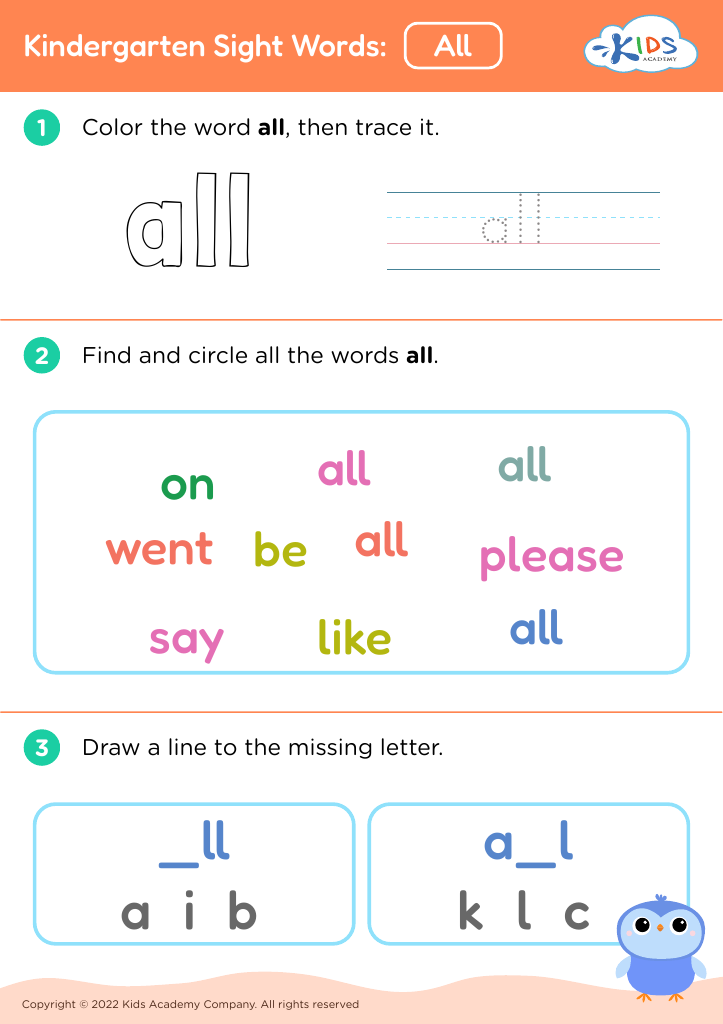
Join Kids Academy for Free
Who is primarily going to use this learning content?








Developing critical thinking skills and building vocabulary in children aged 5 to 8 is crucial for their overall cognitive and social development. This age group is at a critical juncture where they begin to experience formal education and enhance their reasoning abilities.
Critical thinking teaches children how to analyze, evaluate, and solve problems effectively. By engaging in discussions, asking questions, and exploring different points of view, they learn to make informed decisions and understand complex concepts. This not only aids academic success but also prepares them for real-life challenges.
Simultaneously, building vocabulary enhances their communication skills, enabling them to express thoughts and ideas clearly. A rich vocabulary allows children to better understand instructions, enjoy reading, and articulate their feelings, fostering emotional intelligence. Furthermore, strong vocabulary skills are linked to improved literacy outcomes, setting a solid foundation for academic achievement.
Parents and teachers play a vital role in nurturing these skills. By encouraging exploration, curiosity, and robust discussions, they foster an environment of learning and inquiry. Investing in training children in critical thinking and vocabulary development equips them with tools that will not only benefit them in school but throughout their lives, preparing them to become effective problem solvers and communicators in an increasingly complex world.








