Fraction comparison Building Vocabulary Worksheets for Ages 5-8
13 filtered results
-
From - To
Discover our engaging "Fraction Comparison Building Vocabulary Worksheets" designed for children ages 5-8. These interactive worksheets help young learners enhance their understanding of fractions while building essential vocabulary skills. Ideal for reinforcing mathematical concepts, our series includes fun exercises that encourage kids to compare fractions in a visually appealing way. Through appealing activities, children will learn to identify, compare, and express fractions accurately, fostering both critical thinking and language development. Parents and educators will appreciate these worksheets as effective tools for enriching classroom learning or home study. Support your child's educational journey with our fraction comparison resources today!
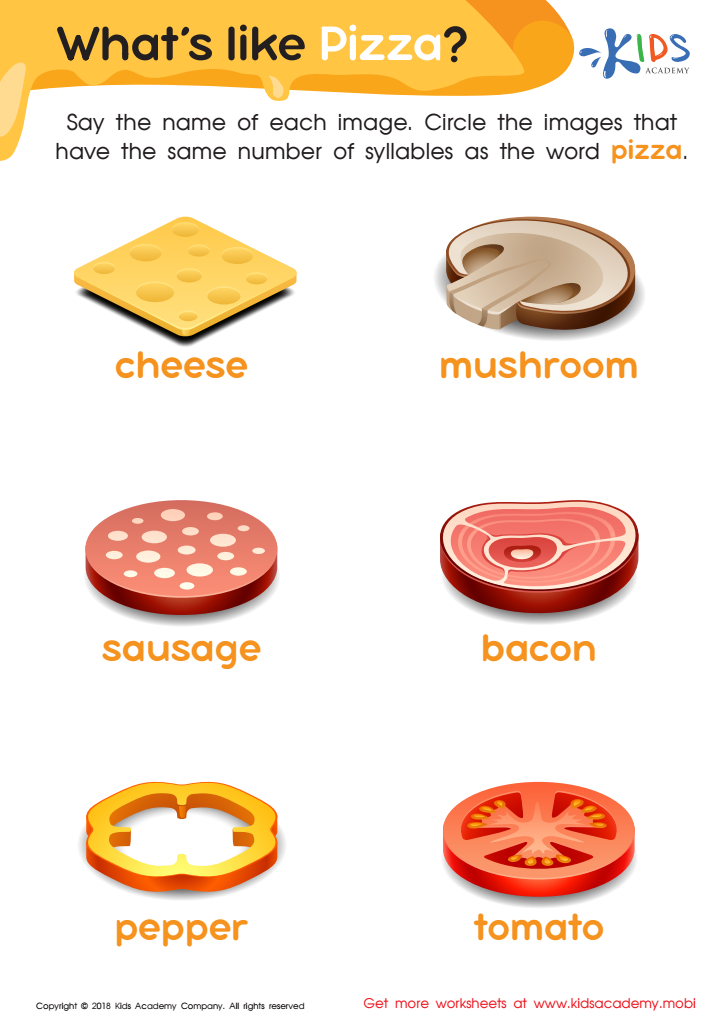
What's Like Pizza? Worksheet
 Assign to My Students











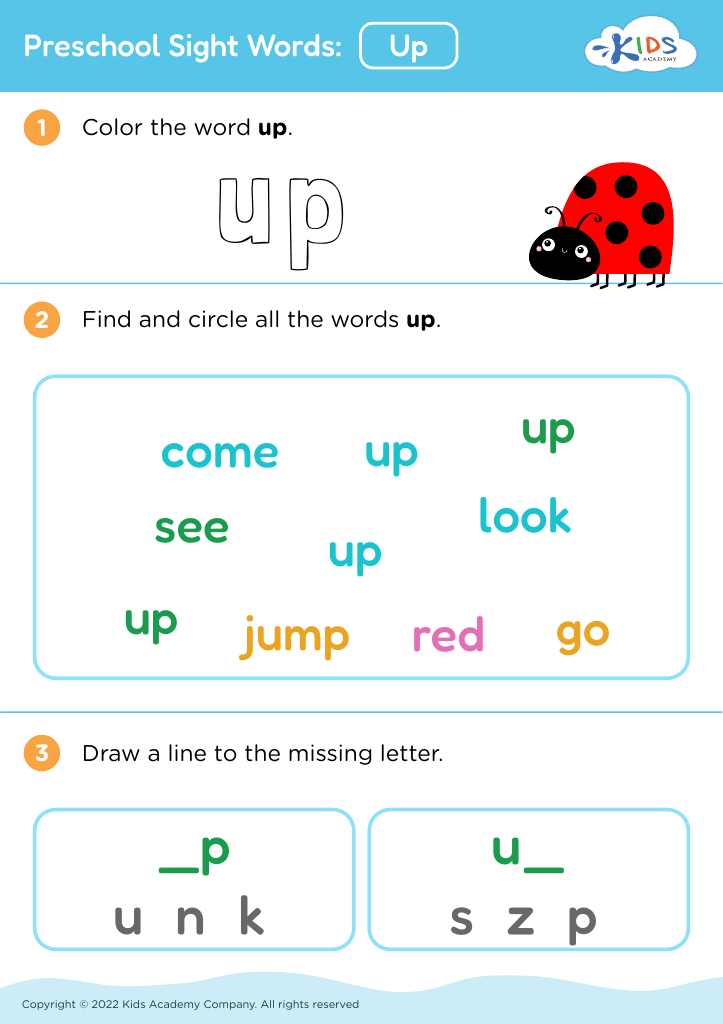
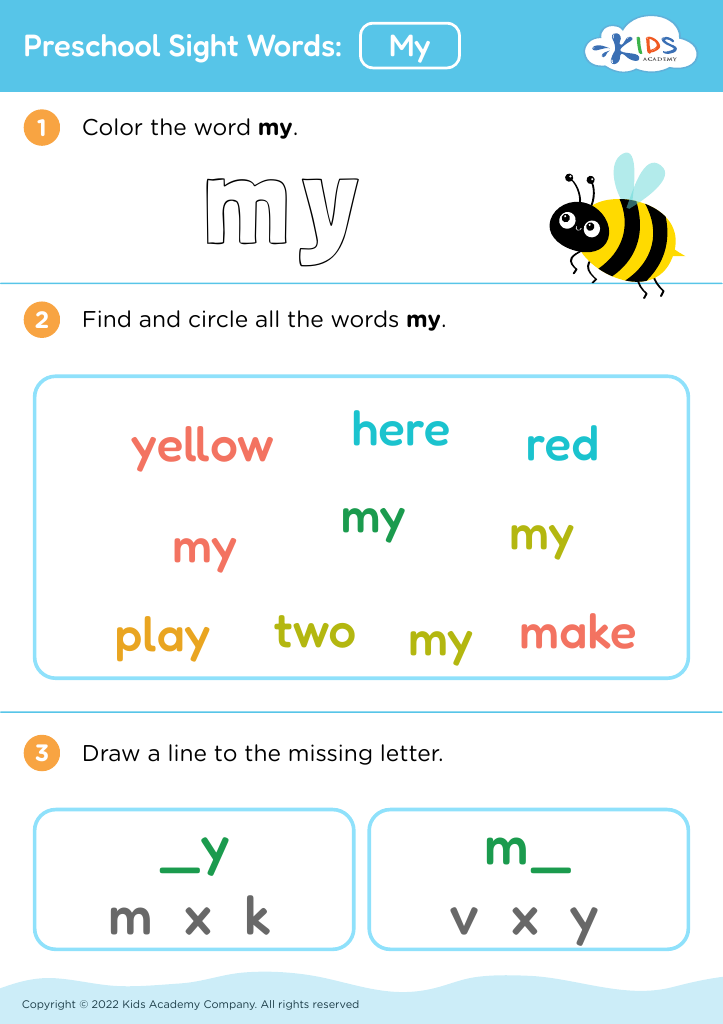
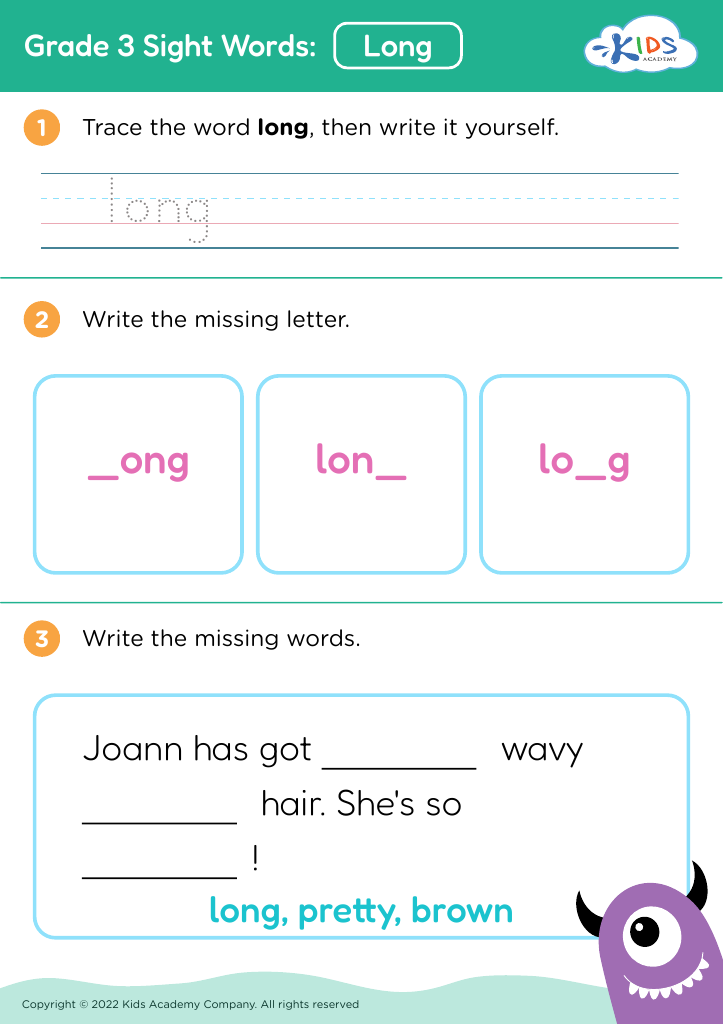








Building vocabulary around fraction comparison for ages 5-8 is crucial for several reasons. At this developmental stage, children are exploring foundational mathematical concepts, and understanding fractions lays the groundwork for future learning. By introducing specific terms like "half," "whole," "greater than," "less than," and "equal," parents and teachers help learners articulate their thoughts and understanding clearly.
Vocabulary plays a significant role in comprehension; children who can discuss fractions confidently are more likely to grasp the concepts they represent. For instance, recognizing that 1/2 is less than 3/4 requires not only numerical insight but also language abilities to express these relationships.
Enhancing vocabulary around fractions contributes to critical thinking and problem-solving. As kids become familiar with the terminology, they can communicate about their reasoning, share strategies, and engage in meaningful discussions with peers and adults.
Furthermore, a robust math vocabulary fosters a positive attitude toward learning. When children feel competent in articulating their thoughts, they are more likely to participate actively and develop a love for mathematics. For educators and parents, nurturing this vocabulary is an investment in their child’s future academic success, ensuring they have the tools needed to navigate more complex mathematical concepts down the line.








