Number Recognition Building Vocabulary Worksheets for Ages 5-8 - Page 2
33 filtered results
-
From - To
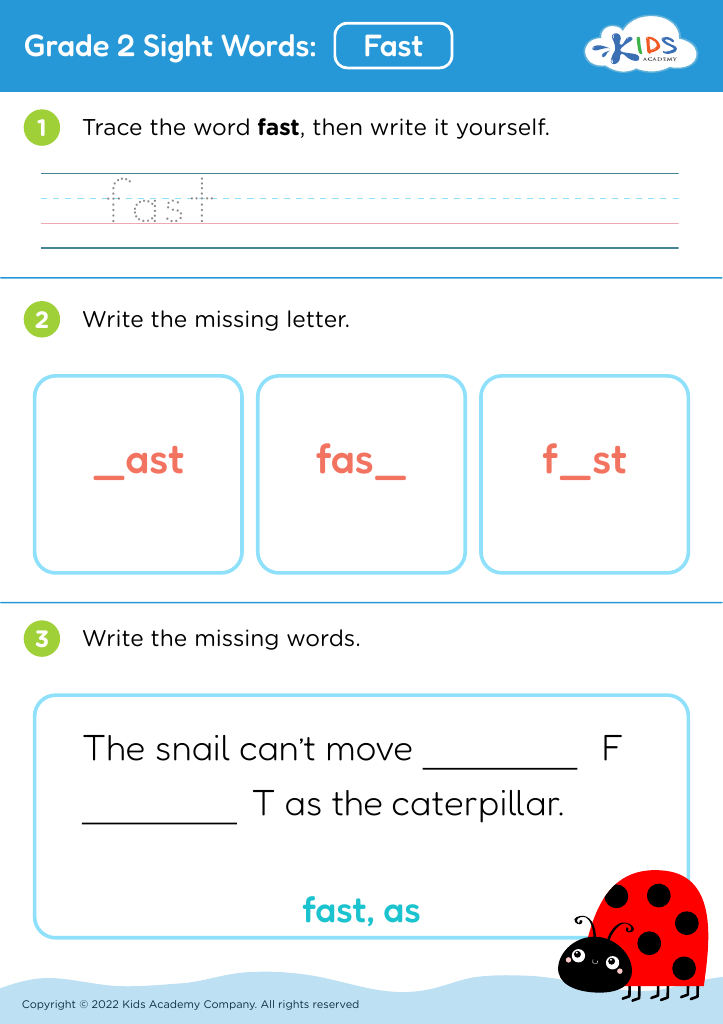











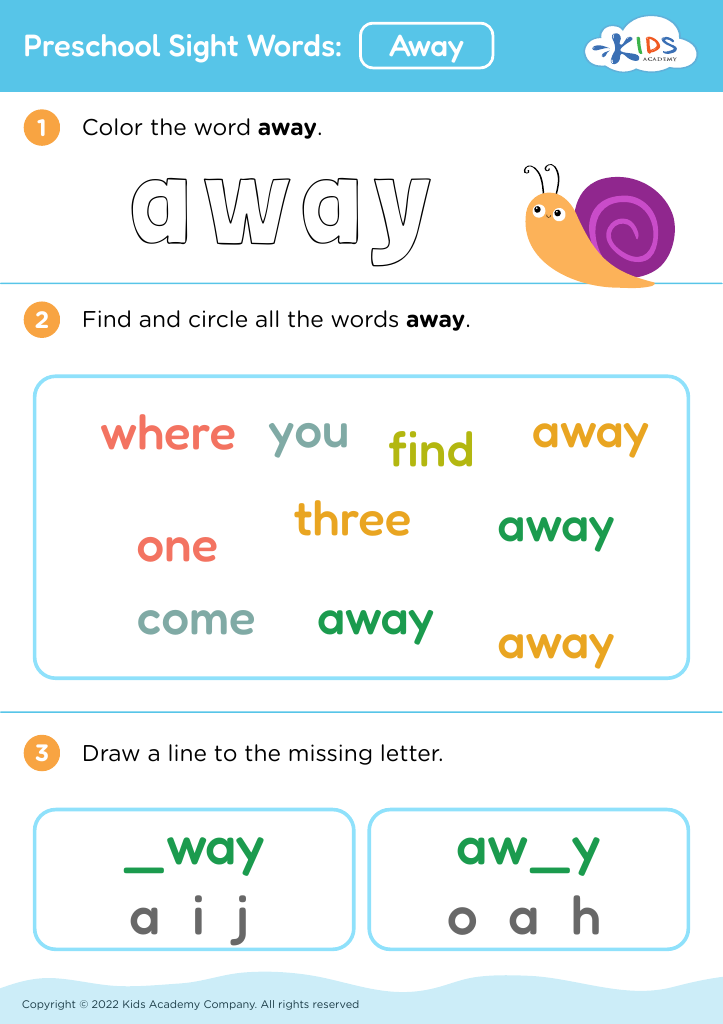
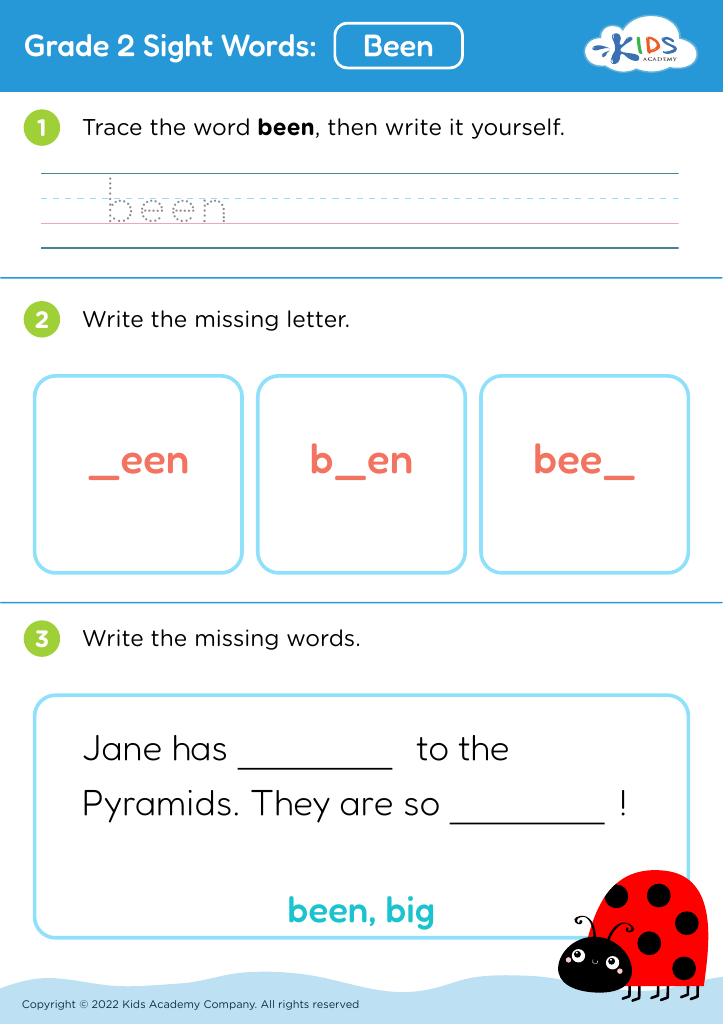
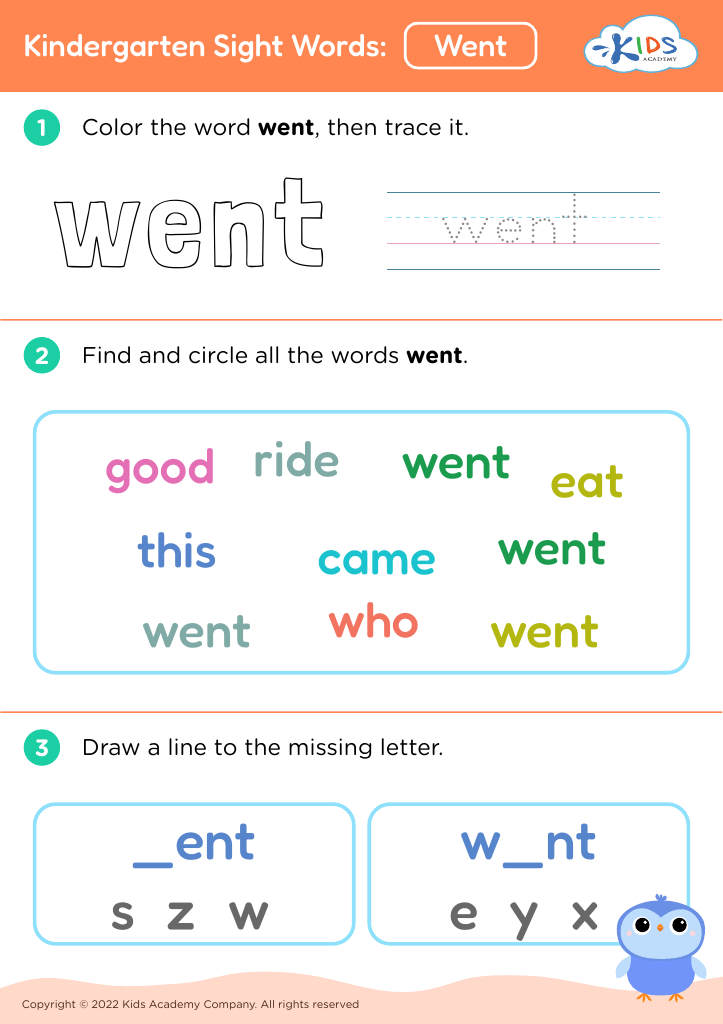


.jpg)
.jpg)




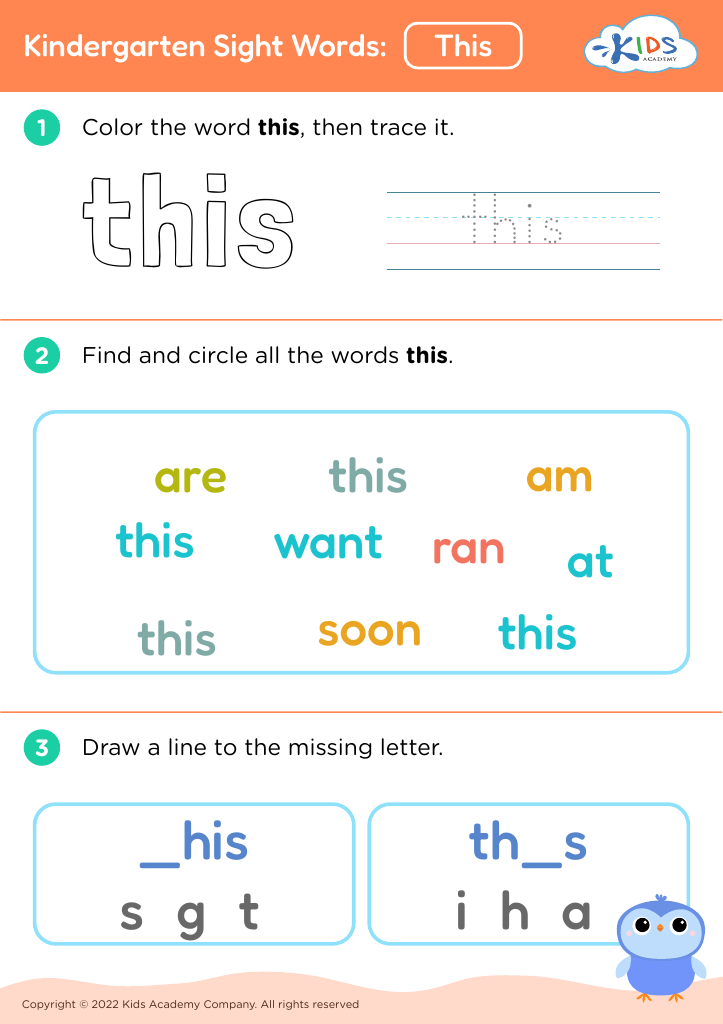
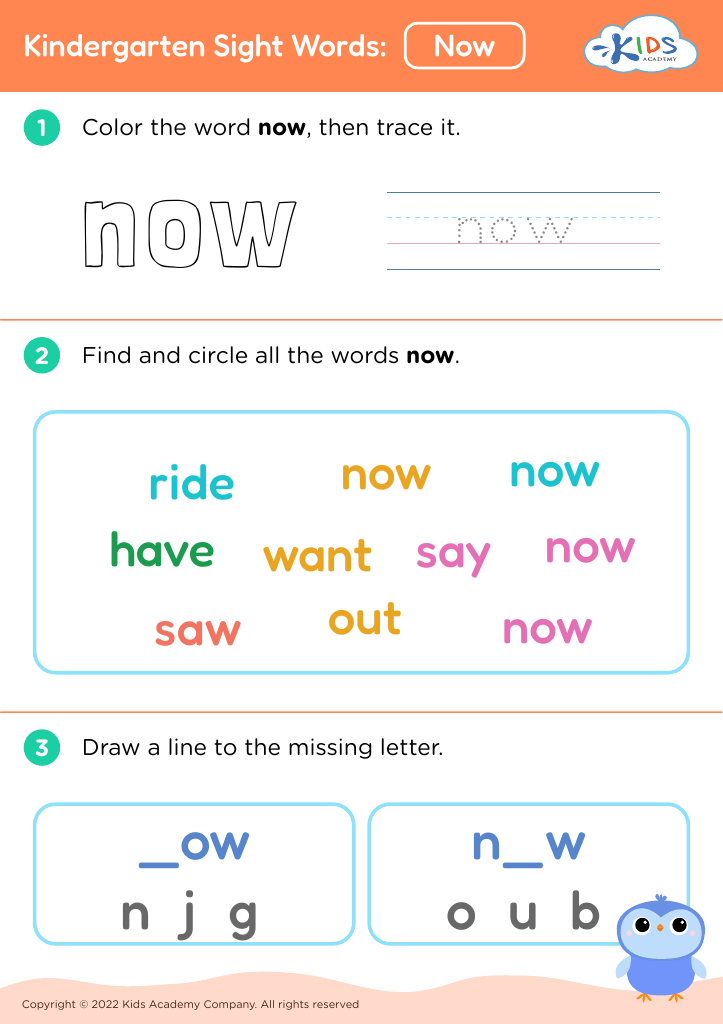
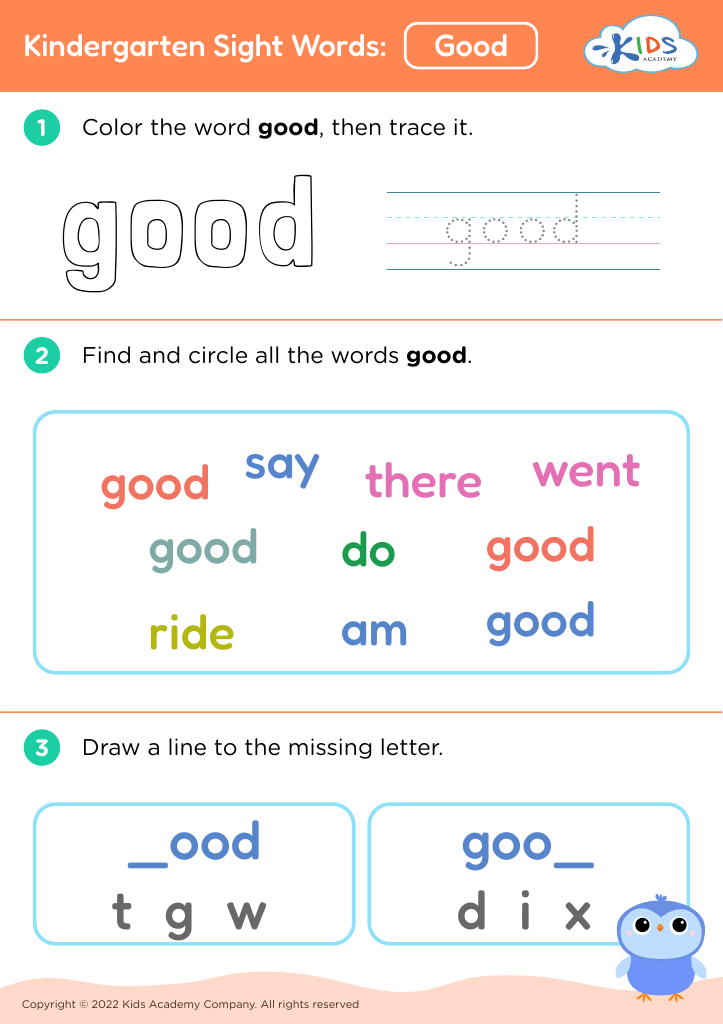
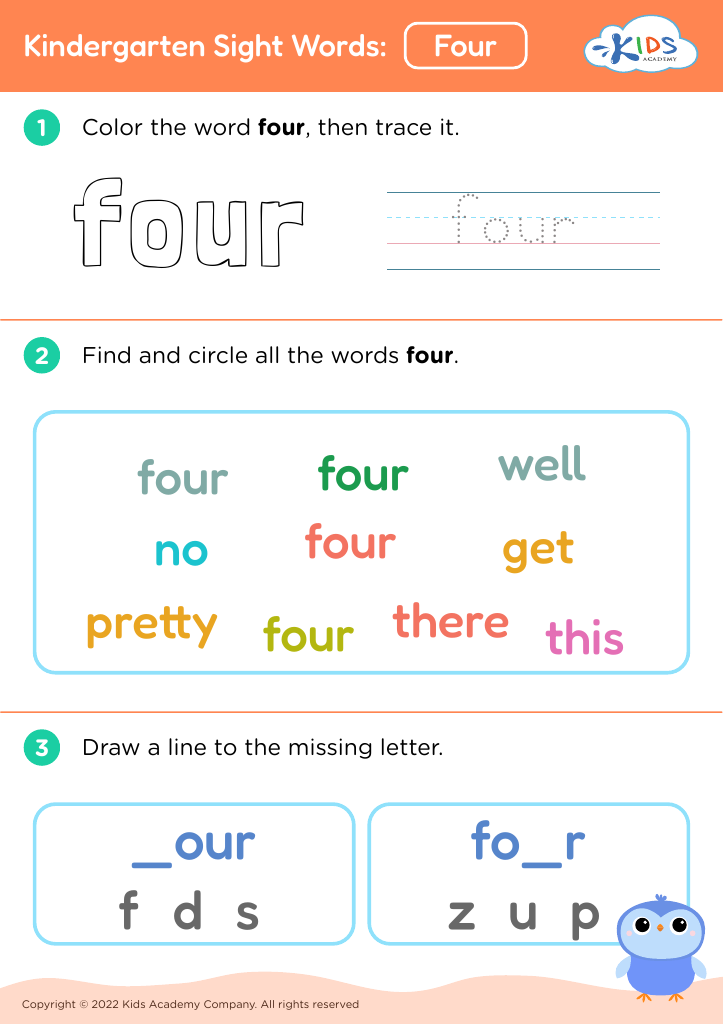
Number recognition and building vocabulary are critical skills for children aged 5-8, laying the foundation for future academic success. As children begin to encounter a variety of subjects in school, recognizing numbers and understanding mathematical vocabulary becomes essential. By mastering number recognition, children learn to identify and use numbers in everyday contexts—whether it's counting objects, understanding time, or managing money.
Building vocabulary in these early years enhances comprehension in both math and language arts. A rich vocabulary allows children to articulate and explain mathematical concepts more clearly, promoting critical thinking and problem-solving skills. Additionally, as they discuss numbers and mathematical ideas, they engage in essential communication and reasoning.
For parents and teachers, fostering these skills not only promotes academic achievement but also helps instill confidence in young learners. As children feeling empowered in their abilities, they are more likely to participate actively in class discussions and group activities. Positive interactions around numbers and vocabulary create a supportive learning environment that encourages curiosity and exploration.
Investing in number recognition and vocabulary skills ultimately equips children with the tools they need to navigate not just academic challenges but also everyday situations, reinforcing the importance of these foundational competencies.








