Reading comprehension Building Vocabulary Worksheets for Ages 5-8
117 filtered results
-
From - To
Enhance your child's reading skills with our engaging Reading Comprehension Building Vocabulary Worksheets, designed specifically for ages 5-8. These interactive worksheets focus on expanding vocabulary while boosting comprehension skills through fun exercises and activities tailored to young learners. Each worksheet encourages children to explore new words, develop context understanding, and improve their reading fluency. With a variety of topics and vibrant illustrations, learning becomes an exciting adventure! Perfect for classroom use or at-home practice, our resources support critical literacy development, ensuring your child builds a solid foundation for future reading success. Start fostering a love for reading today!
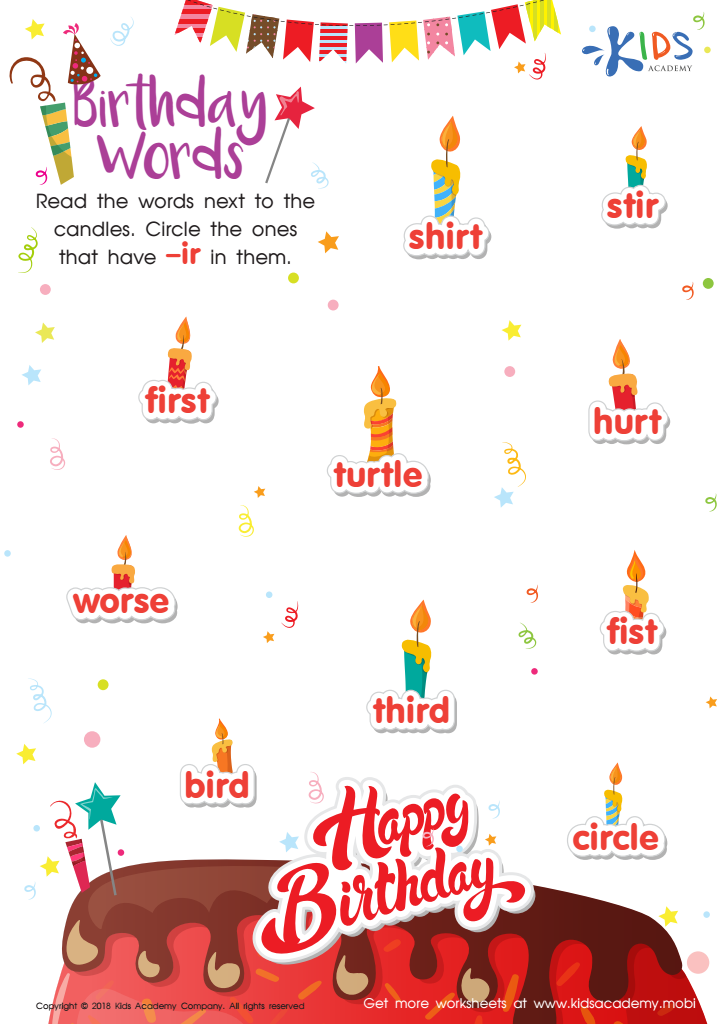
Birthday Words Worksheet
 Assign to My Students











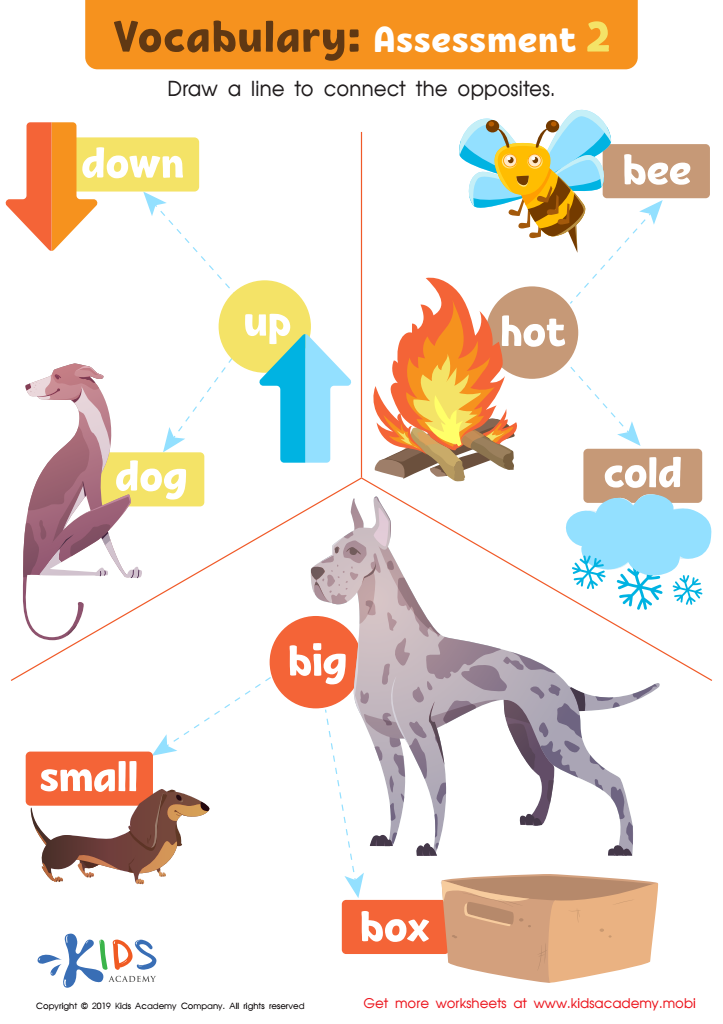
Vocabulary: Assessment 2 Worksheet
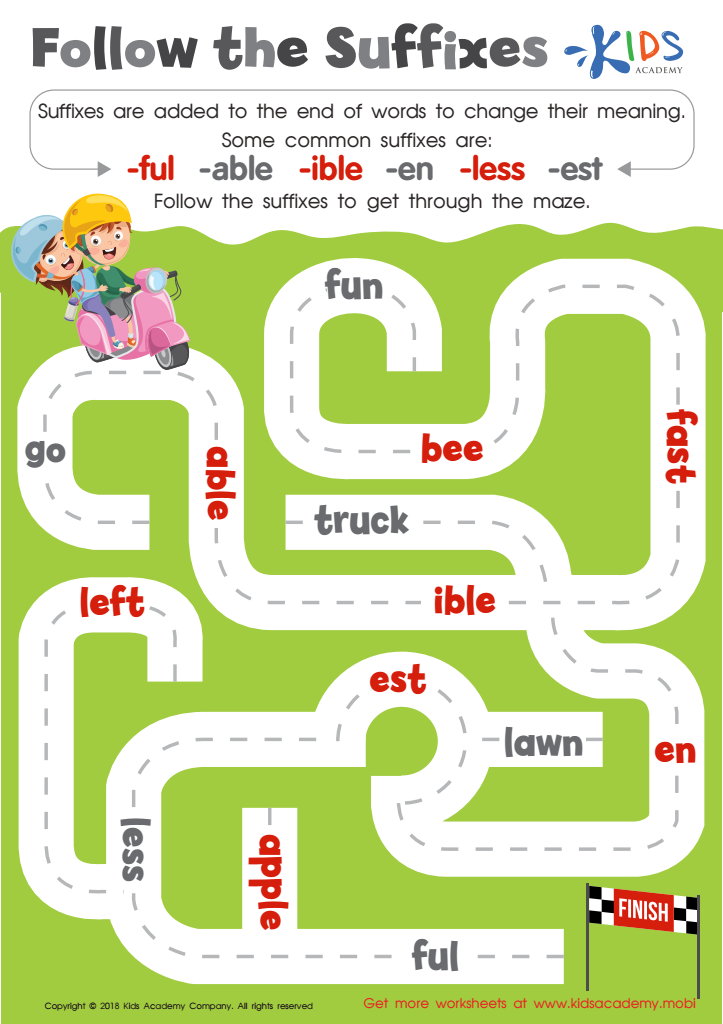
Reading: Follow the Suffixes Worksheet
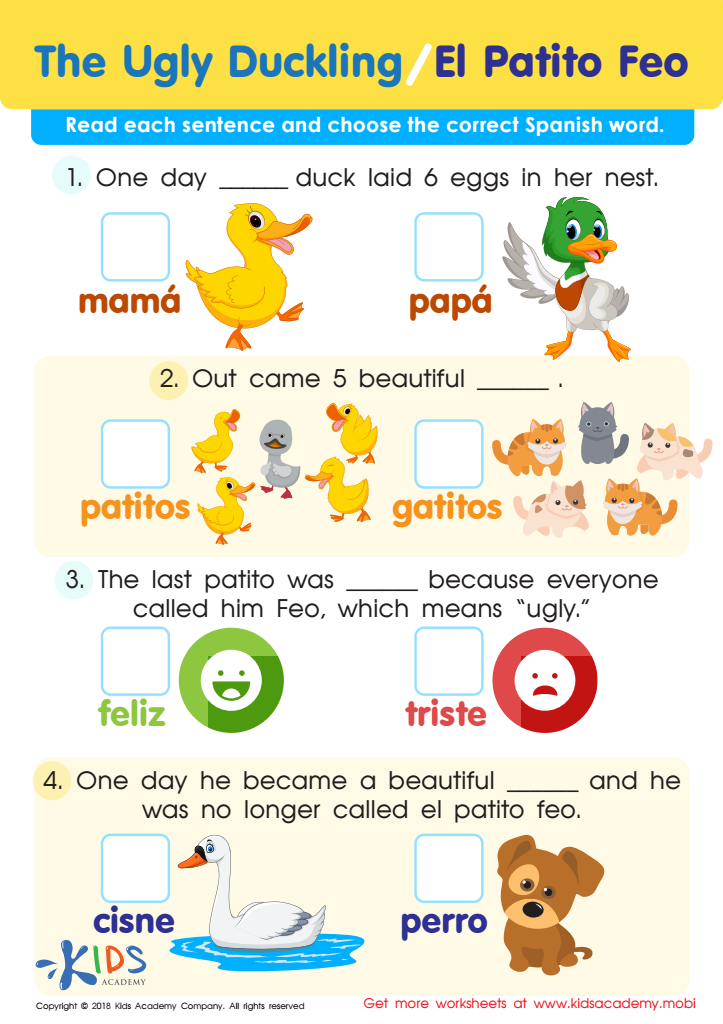
The Ugly Duckling / El Patito Feo Worksheet
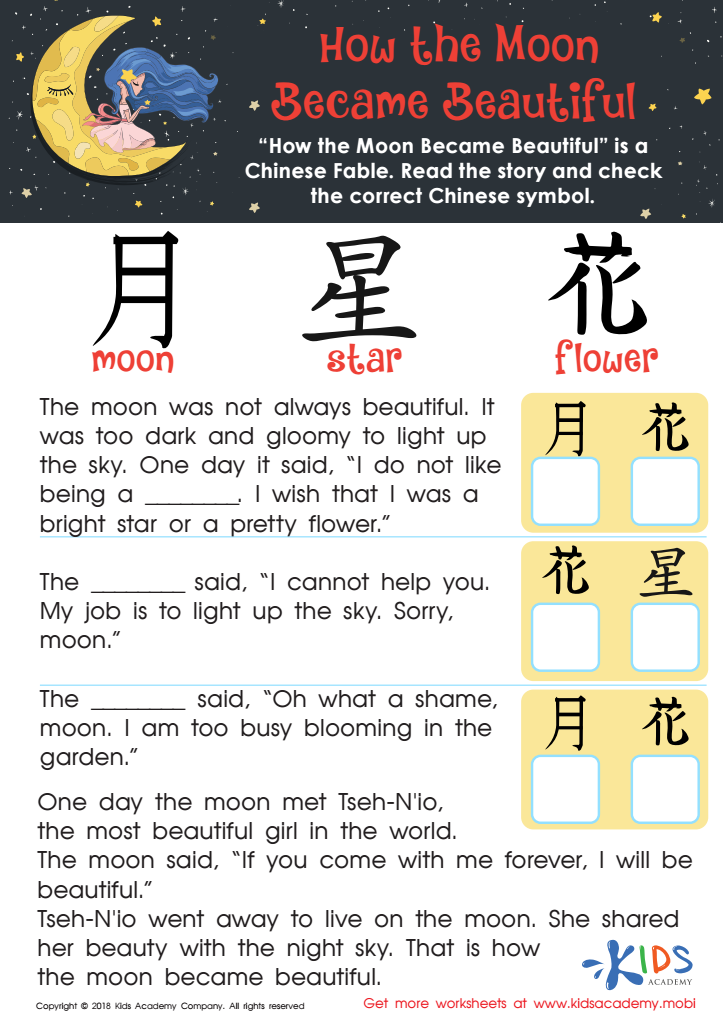
How the Moon Became Beautiful Worksheet
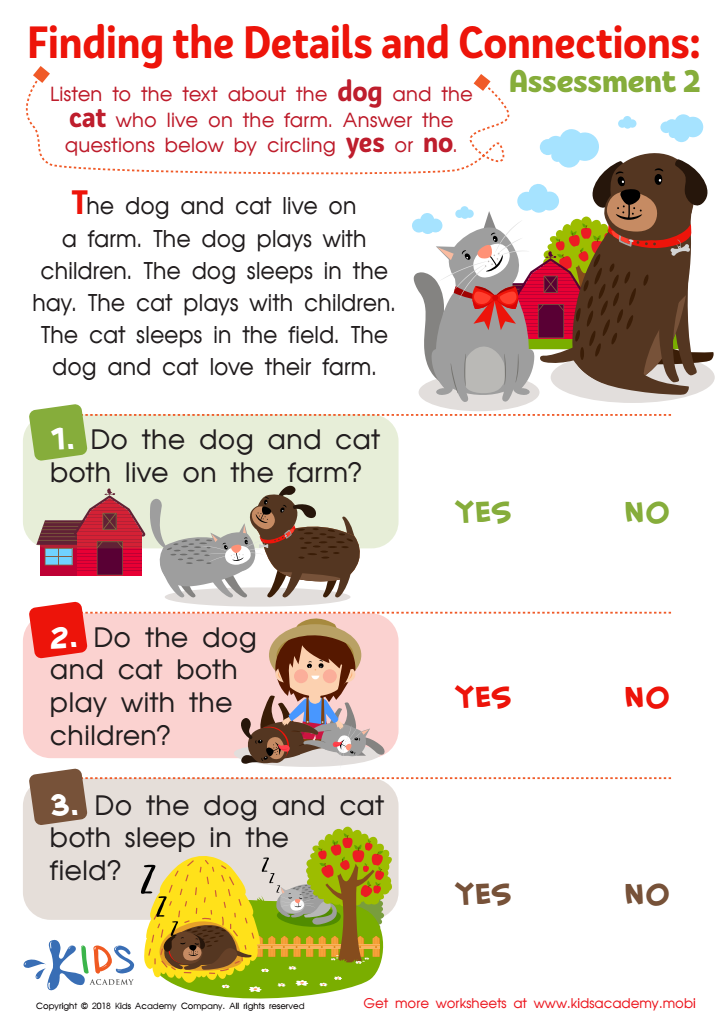
Finding the Details and Connections: Assessment 2 Worksheet
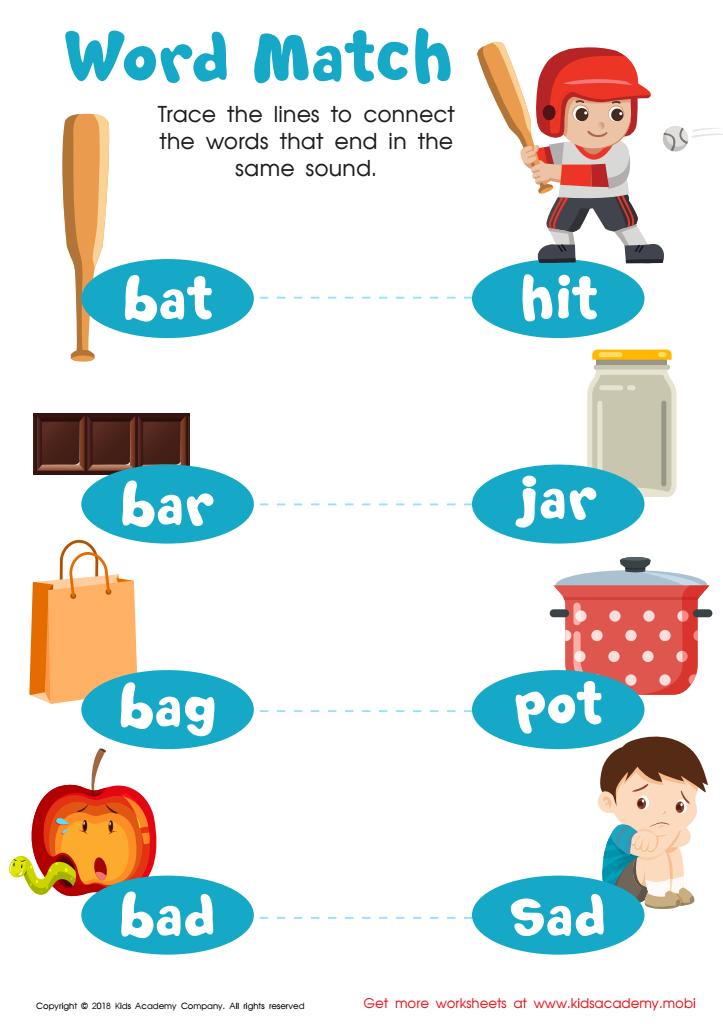
Word Match Reading Worksheet
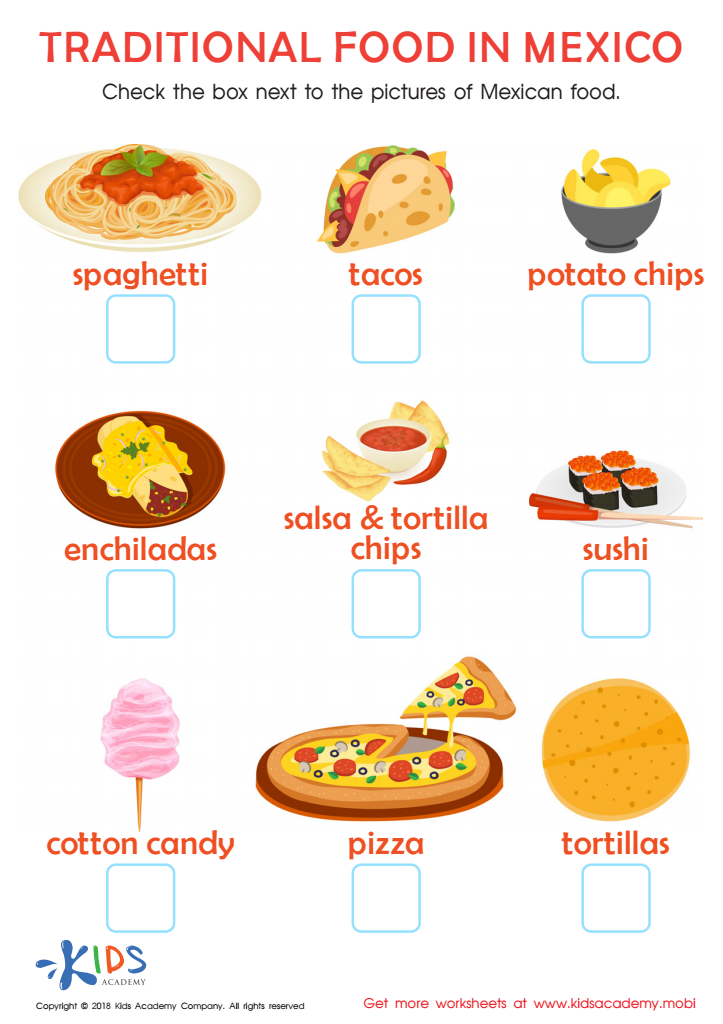
Traditional Food in Mexico Worksheet
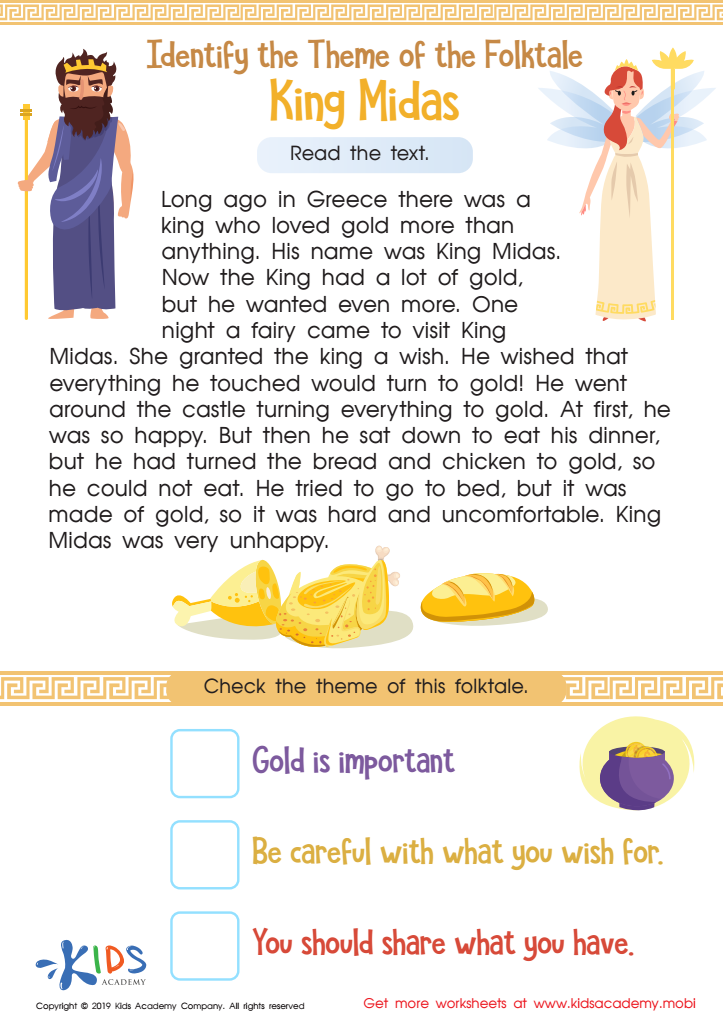
King Midas Worksheet
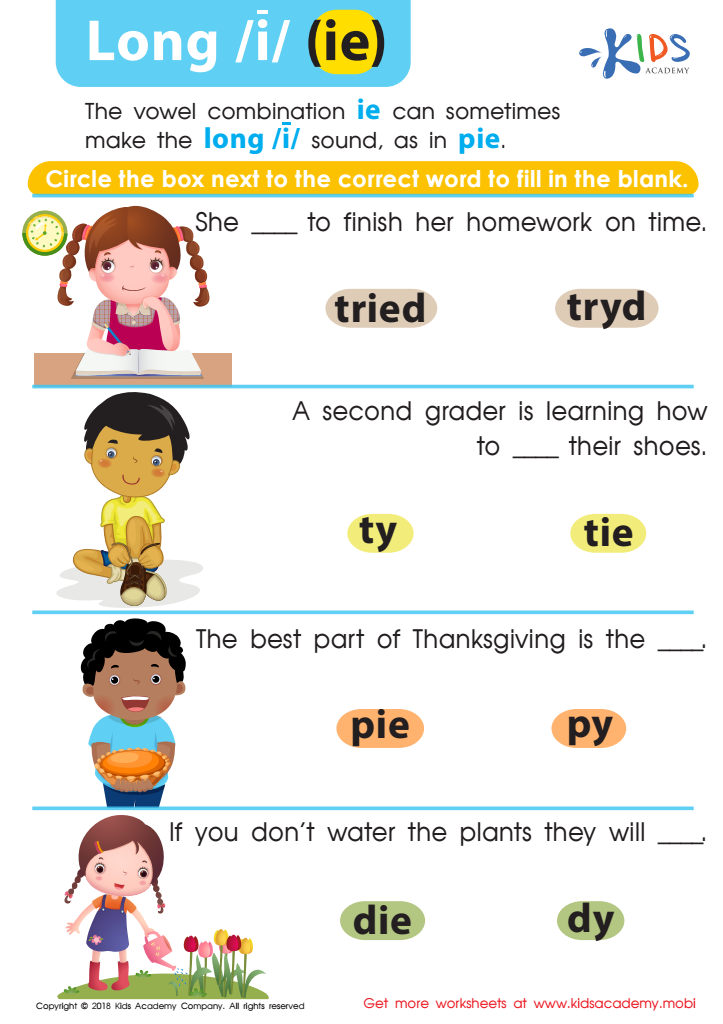
Reading: Long I and IE Worksheet
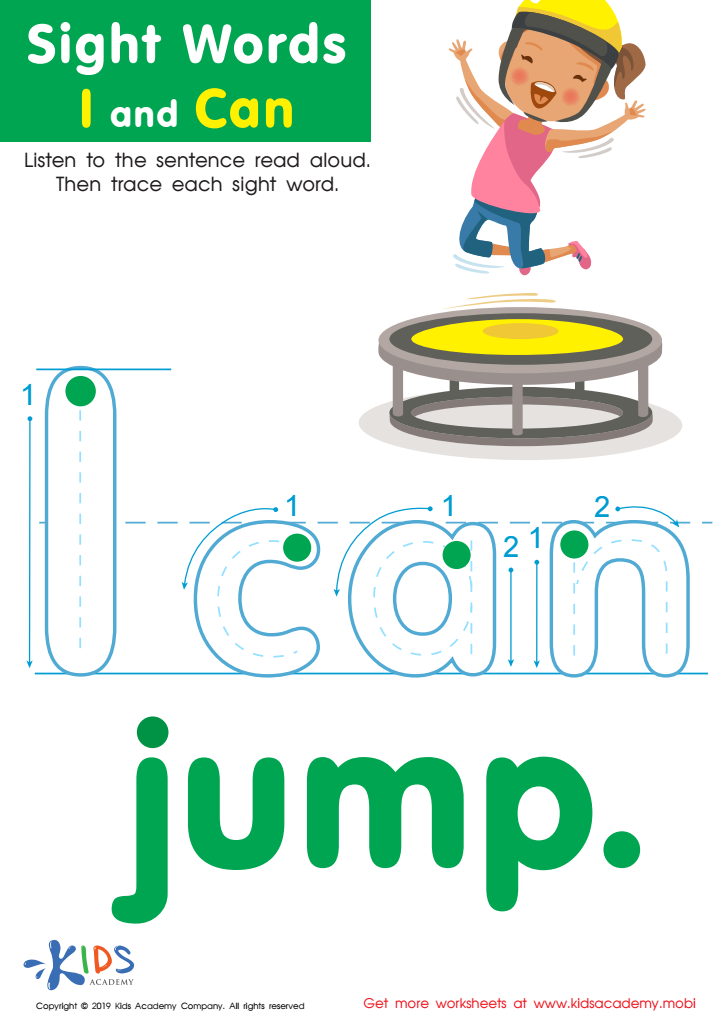
Sight Words I Can Worksheet
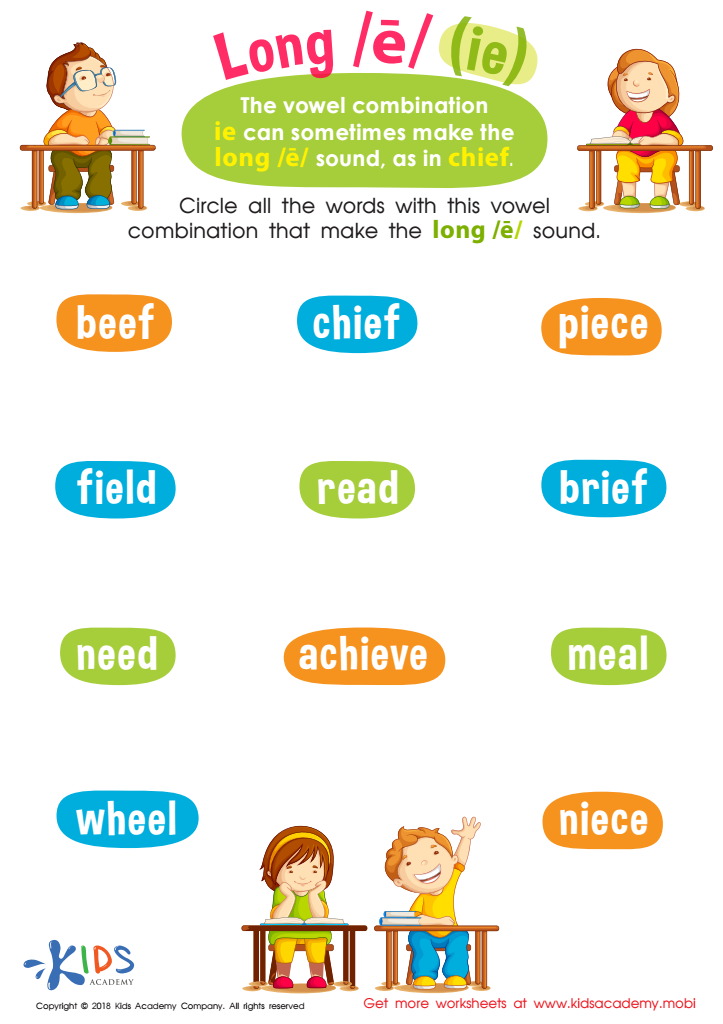
Reading: Long E and IE Worksheet
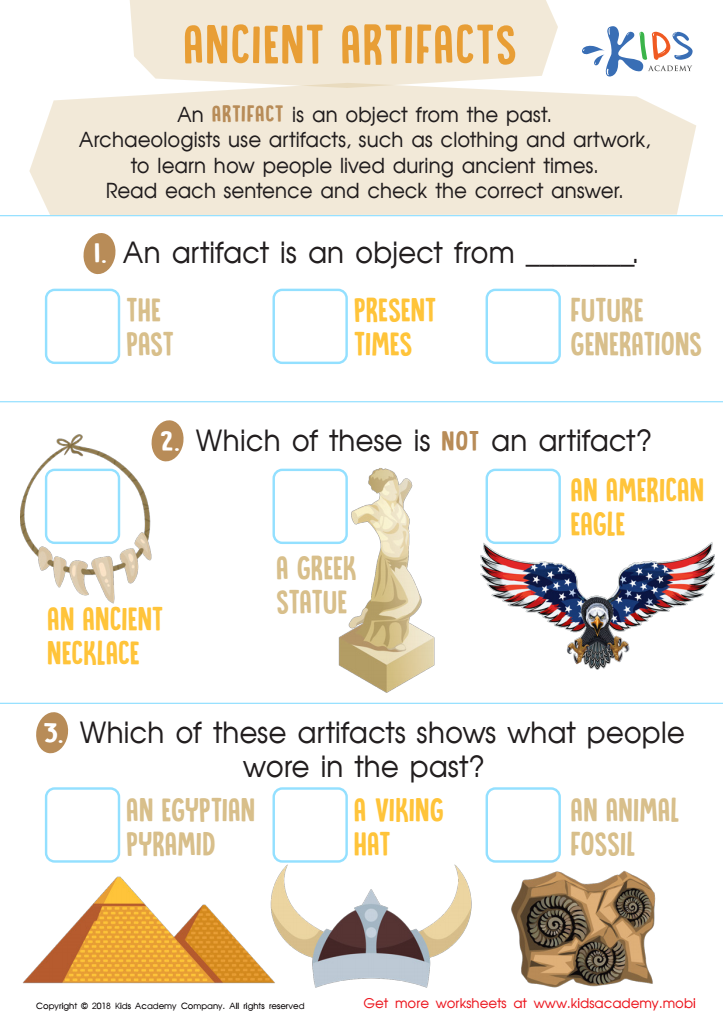
Ancient Artifacts Worksheet
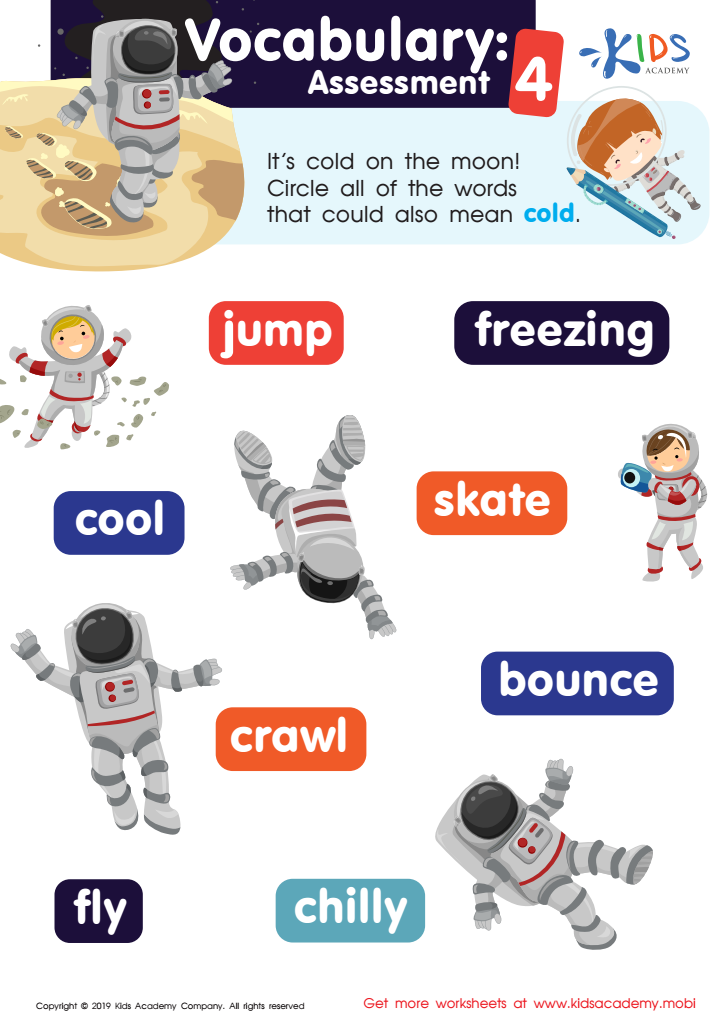
Vocabulary: Assessment 4 Worksheet
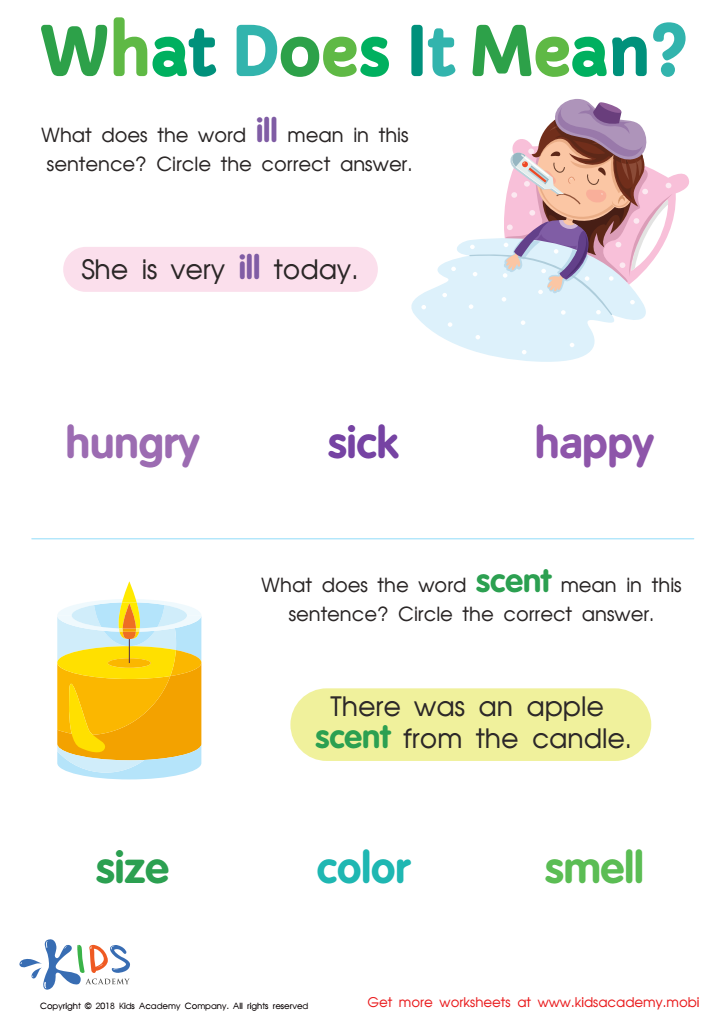
What Does It Mean? Worksheet
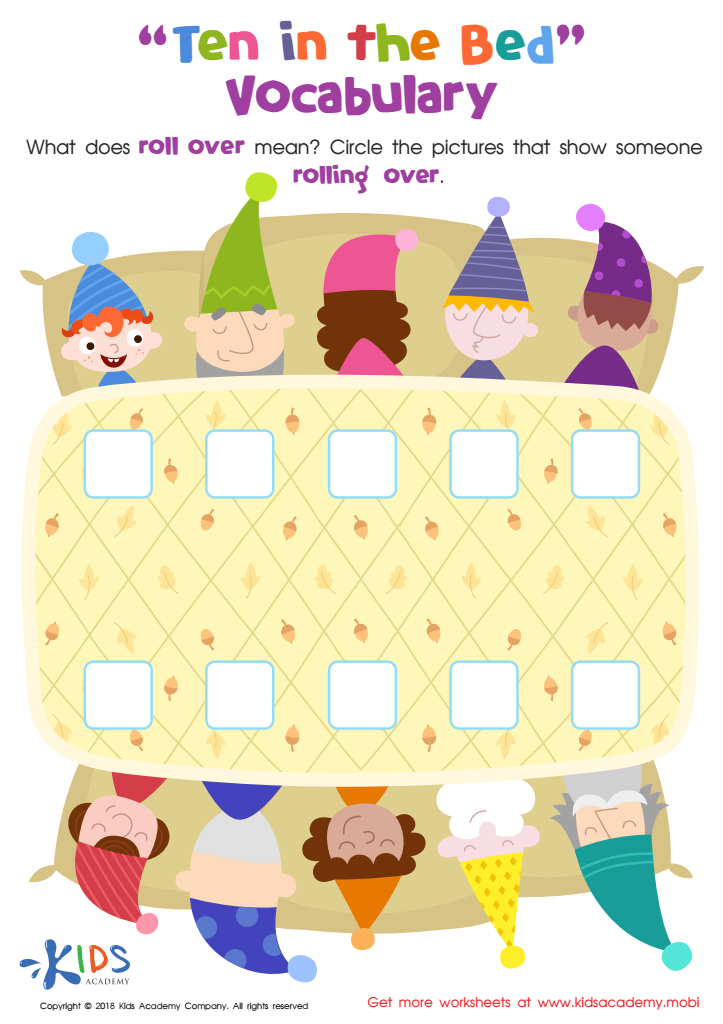
Ten in the Bed: Vocabulary Worksheet
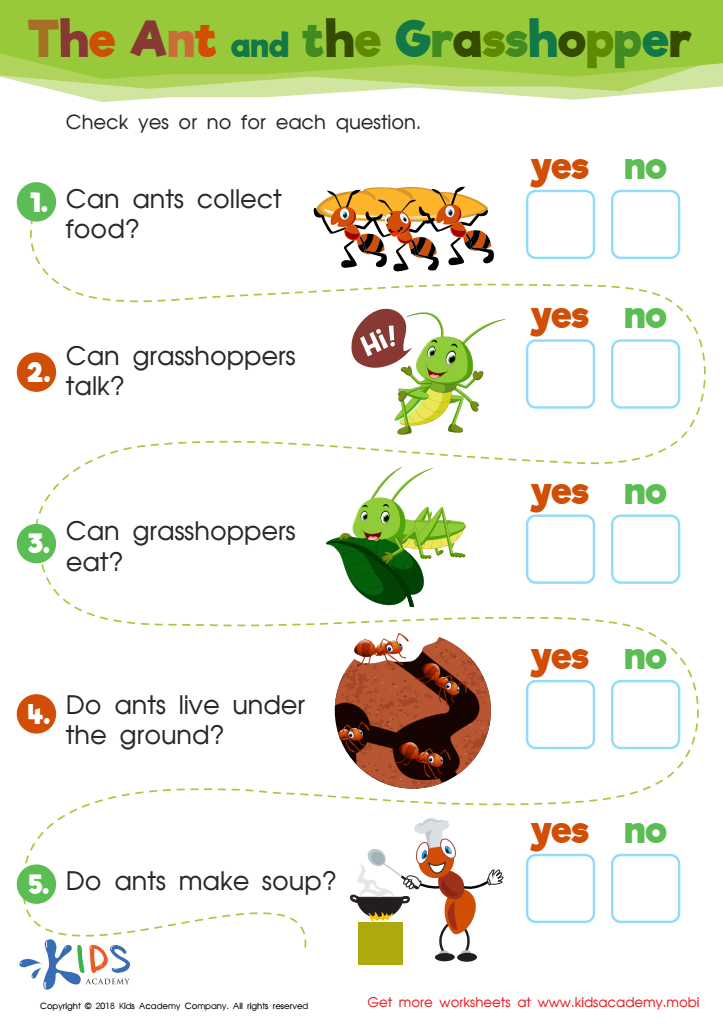
The Ant and The Grasshopper Worksheet
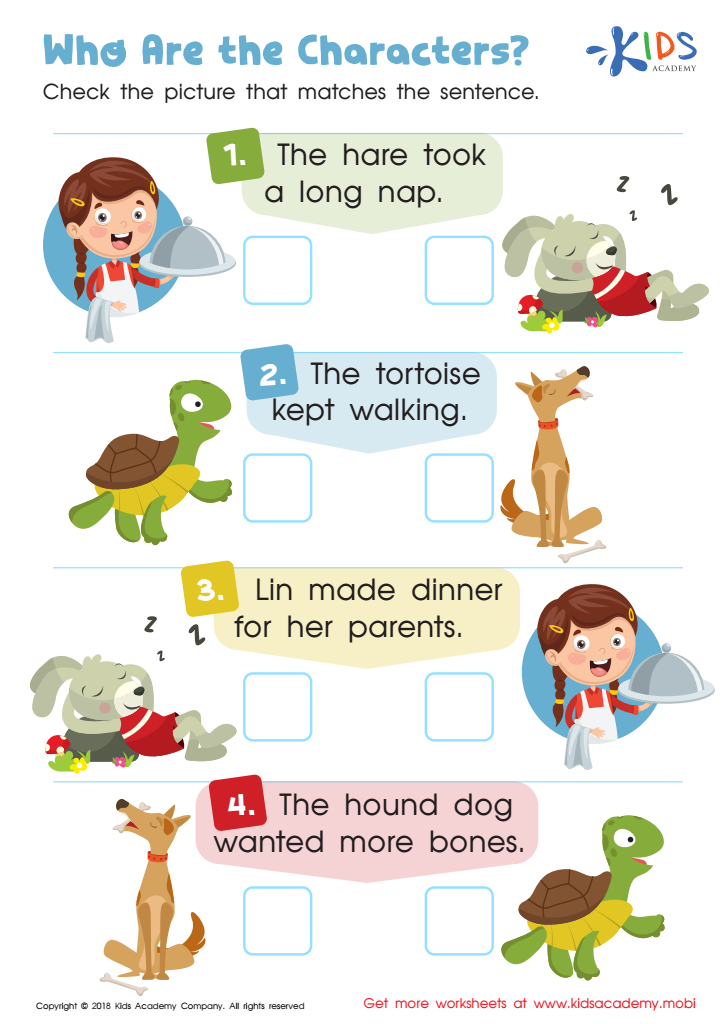
Who Are The Characters Worksheet
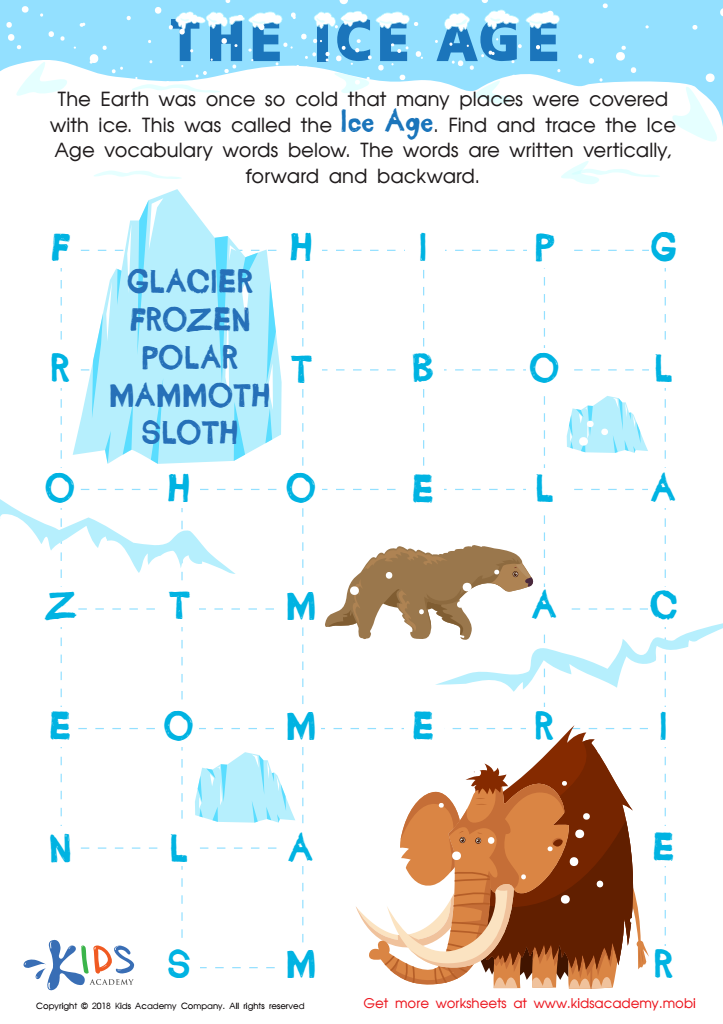
The Ice Age Worksheet
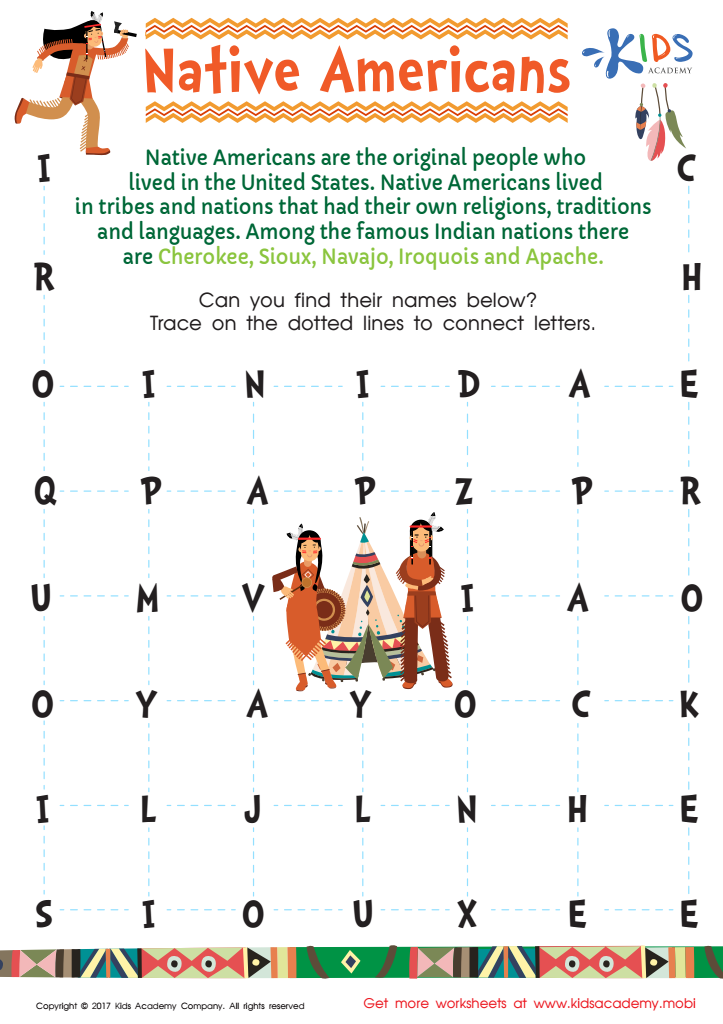
Native American Word Search Printable
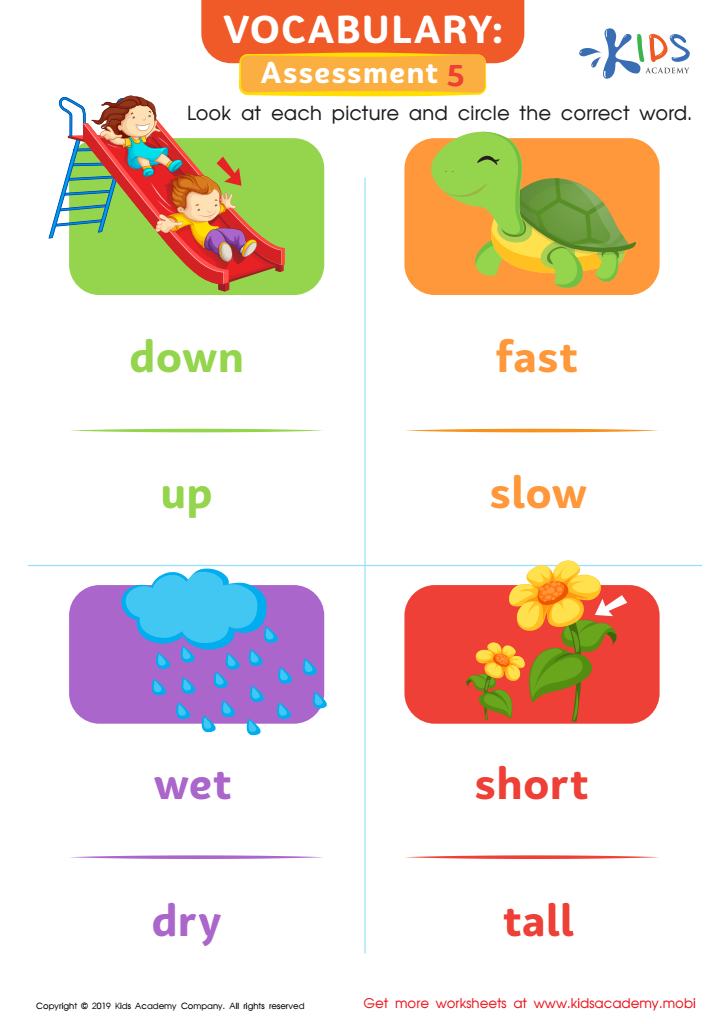
Vocabulary: Assessment 5 Worksheet
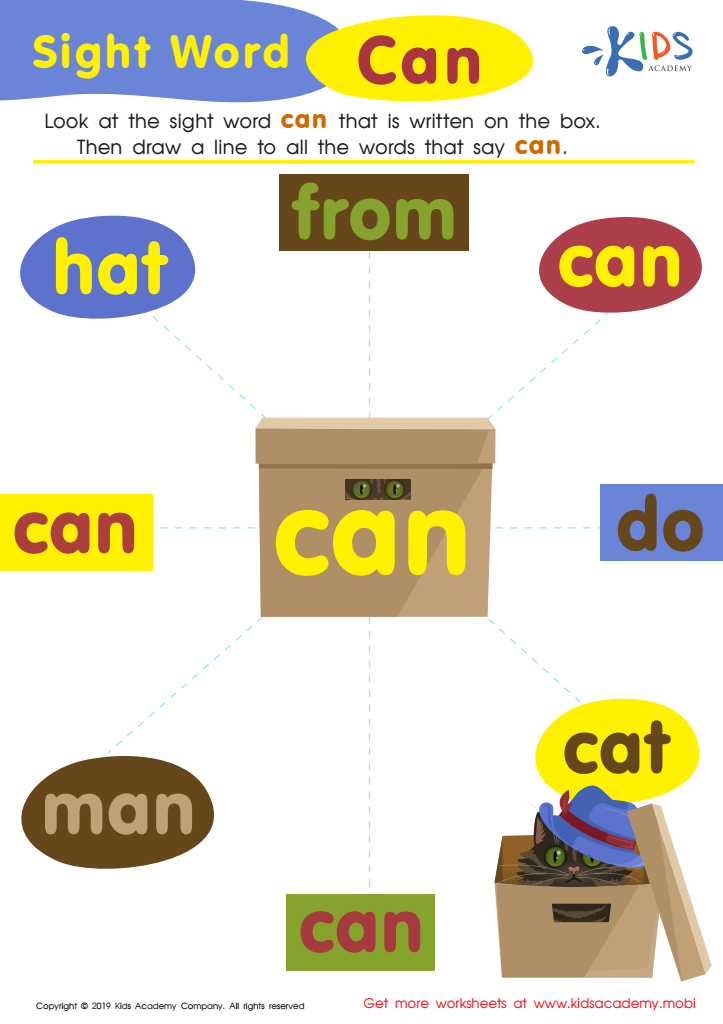
Sight Word Can Worksheet
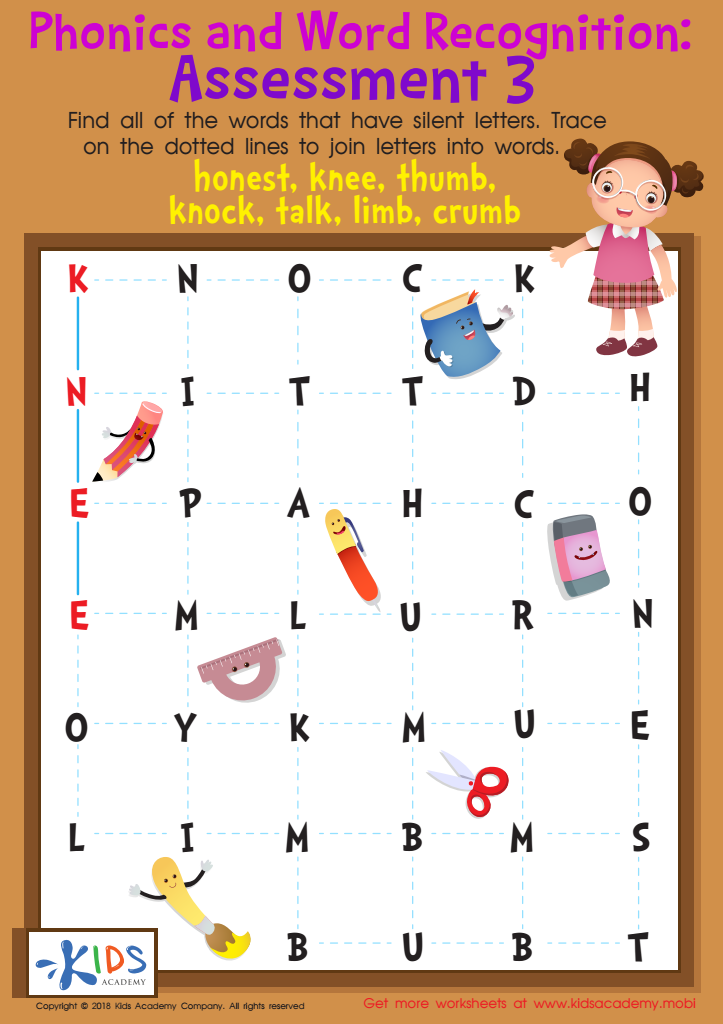
Phonics and Word Recognition: Assessment 3 Worksheet


.jpg)





Reading comprehension and vocabulary building are crucial for children aged 5-8, as these foundational skills significantly impact their overall academic success and lifelong learning. At this stage, children are not only learning to read but also reading to learn. A robust vocabulary is essential because it enhances their understanding of texts, allowing them to grasp the meaning behind words, sentences, and stories. When children encounter new words, they are better equipped to decode and comprehend more complex material in the future.
Teachers and parents play a vital role in fostering an environment that emphasizes these skills. Engaging children in discussions about books, using rich language during conversations, and exposing them to a variety of reading materials can stimulate curiosity and word recognition. Furthermore, improved reading comprehension skills help children develop critical thinking abilities, enabling them to analyze information and form opinions.
By prioritizing reading comprehension and vocabulary development, parents and teachers empower children to become confident readers, independent thinkers, and effective communicators. These skills not only prepare them for academic challenges ahead but also instill a lifelong love for reading and learning. Ultimately, investing in literacy development at this age sets the stage for future success in school and beyond.








