Recognizing shapes Building Vocabulary Worksheets for Ages 5-8
12 filtered results
-
From - To
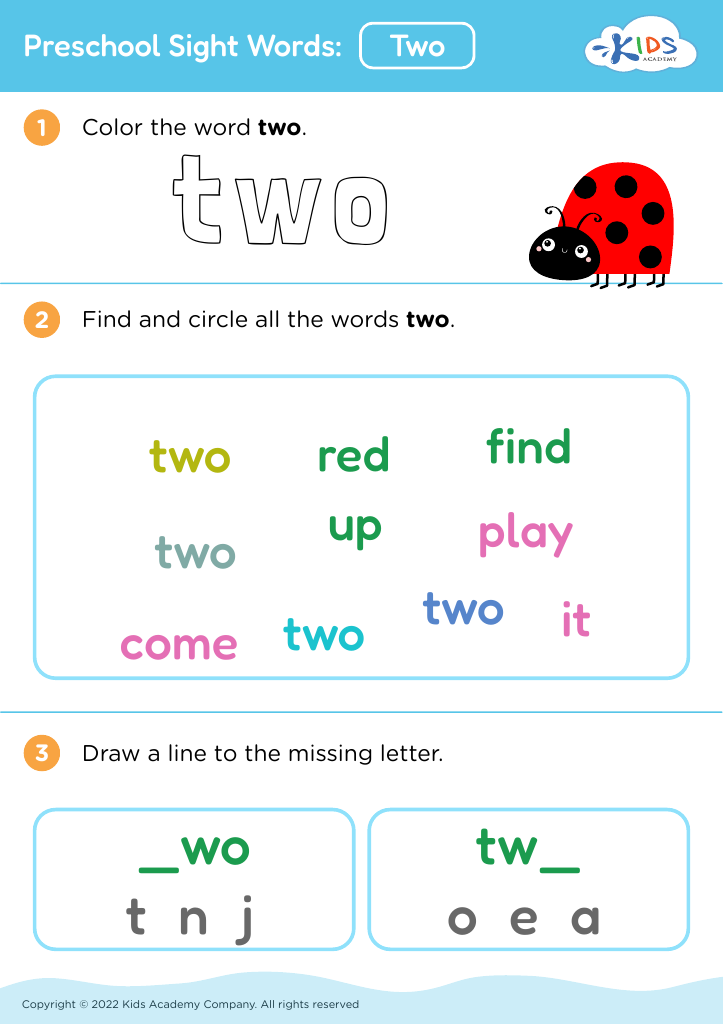
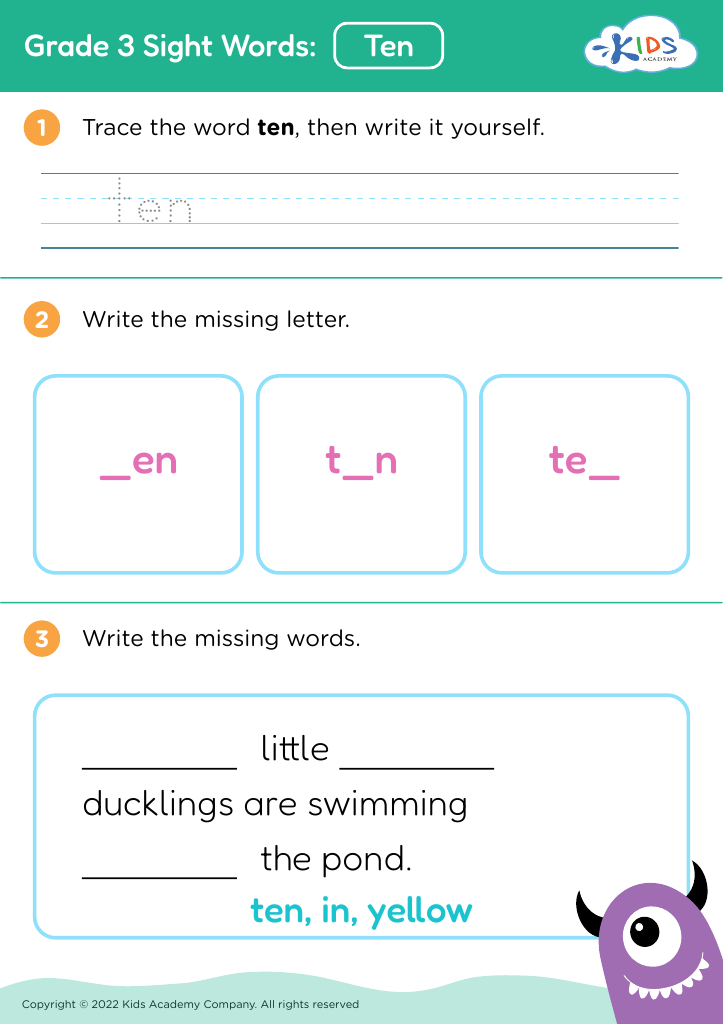
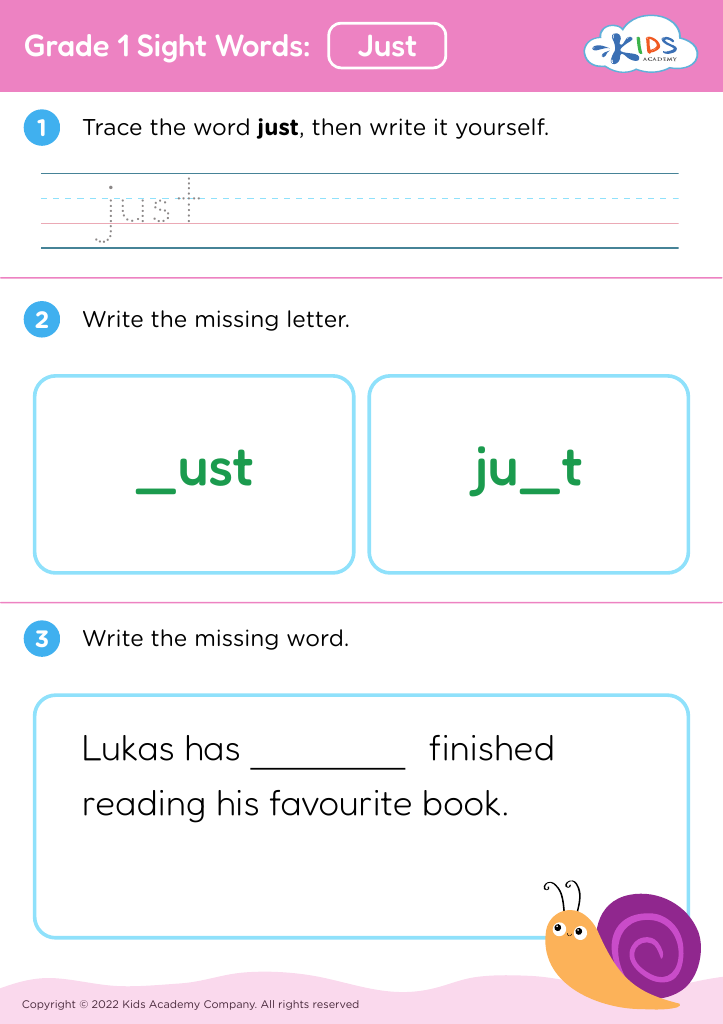
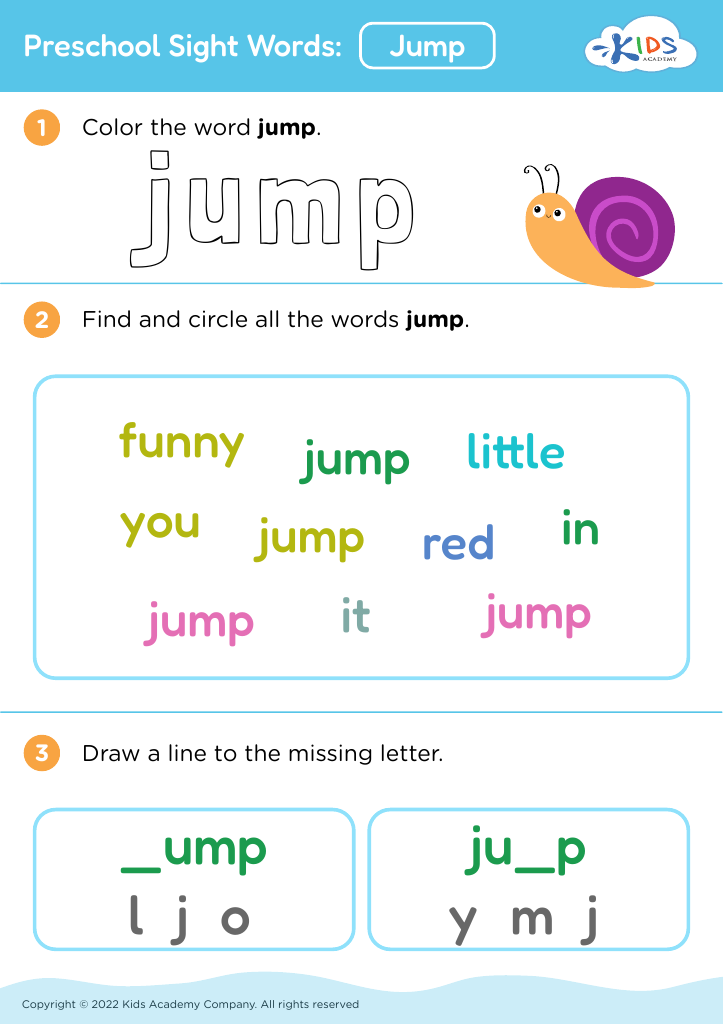
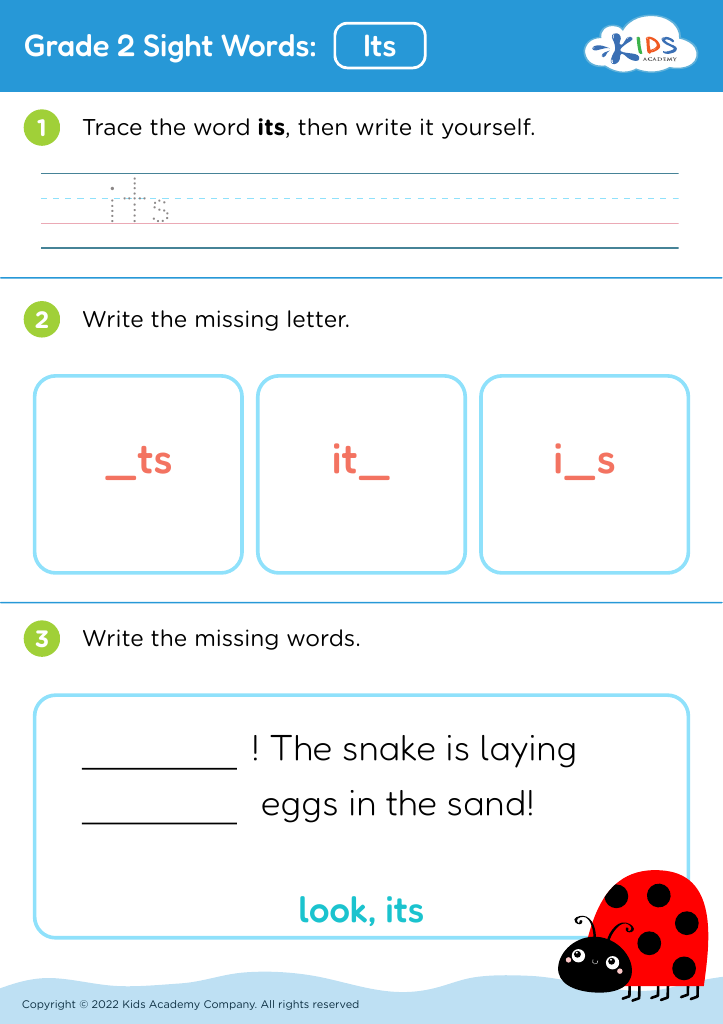
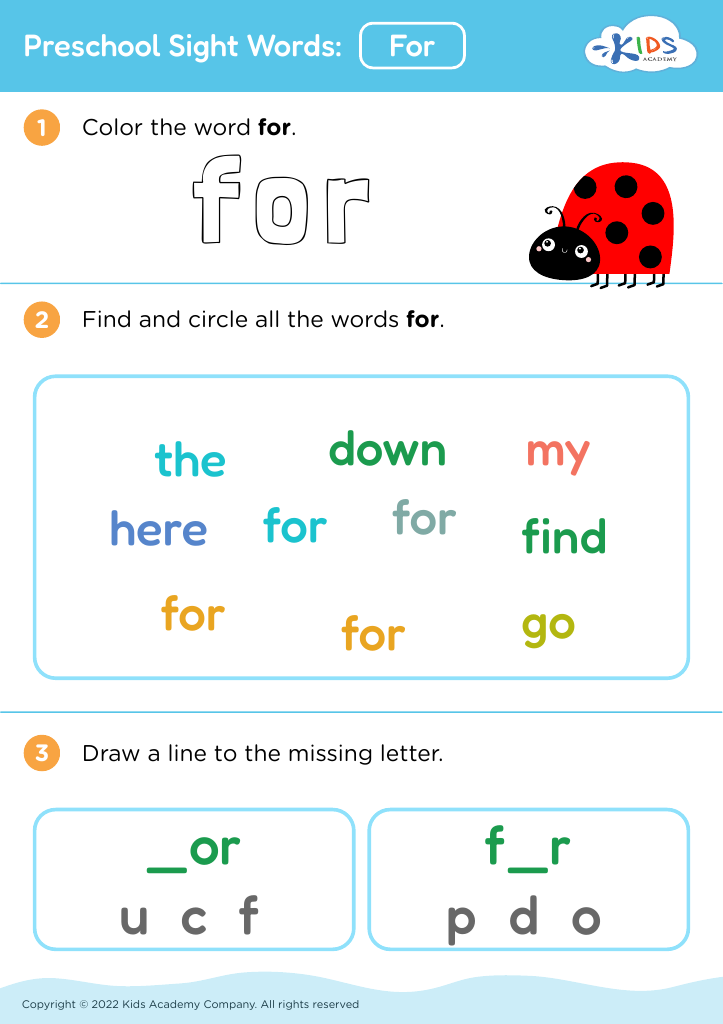
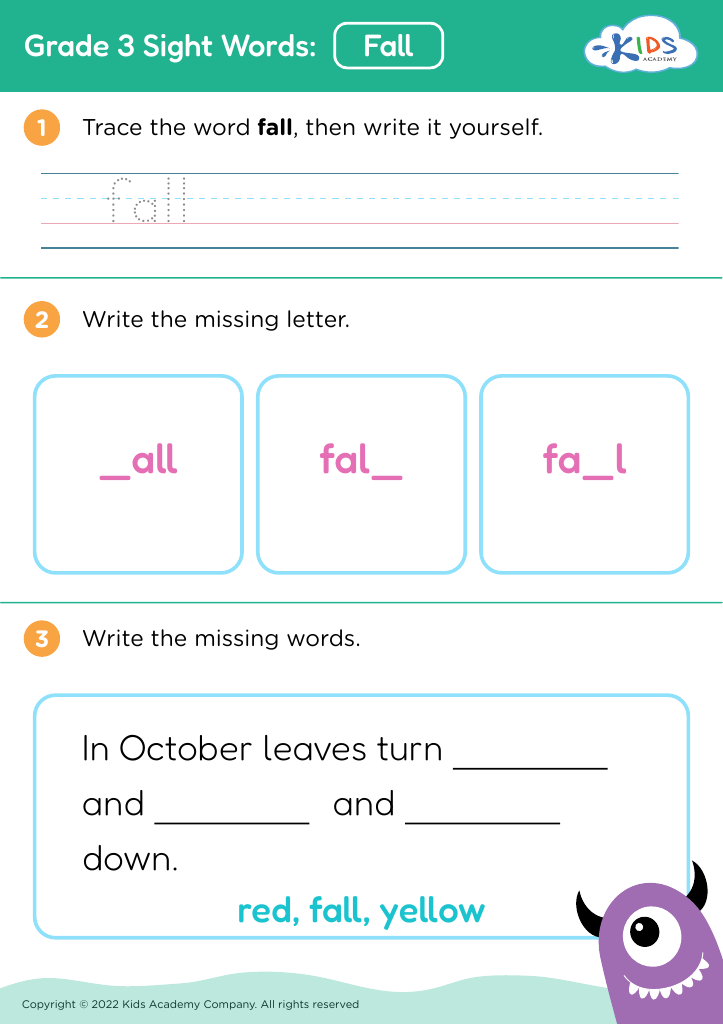
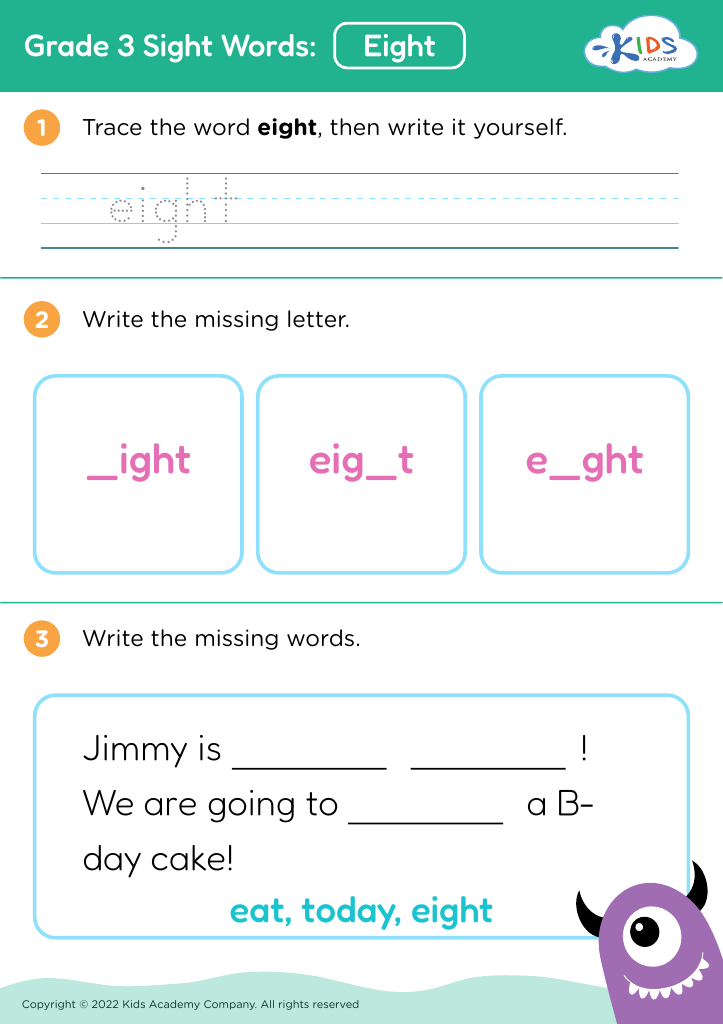
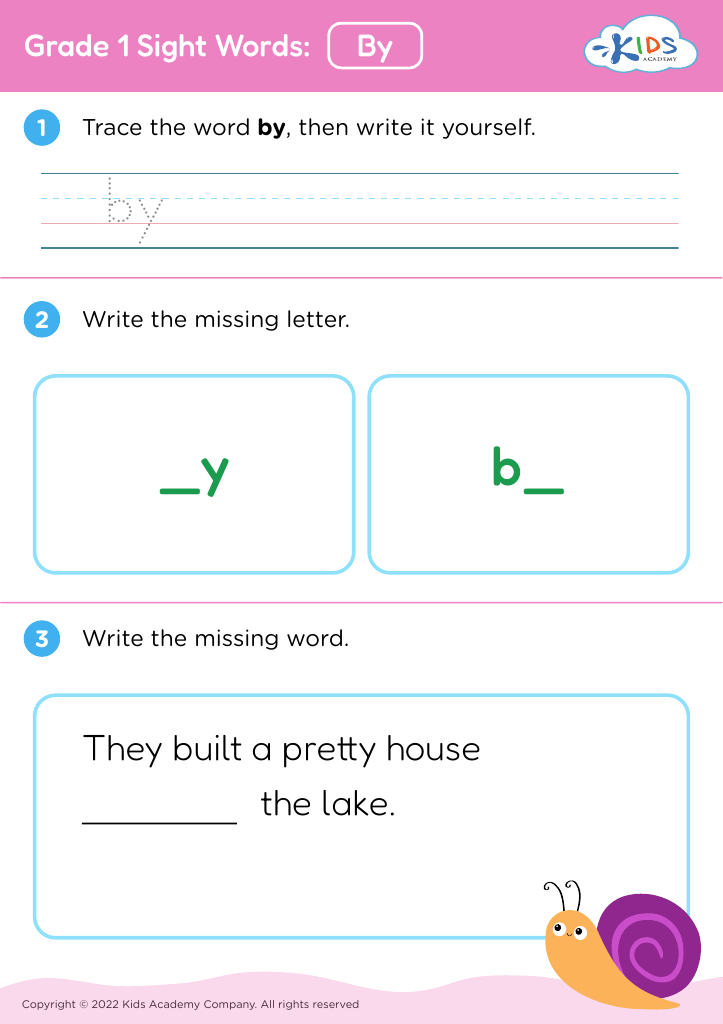
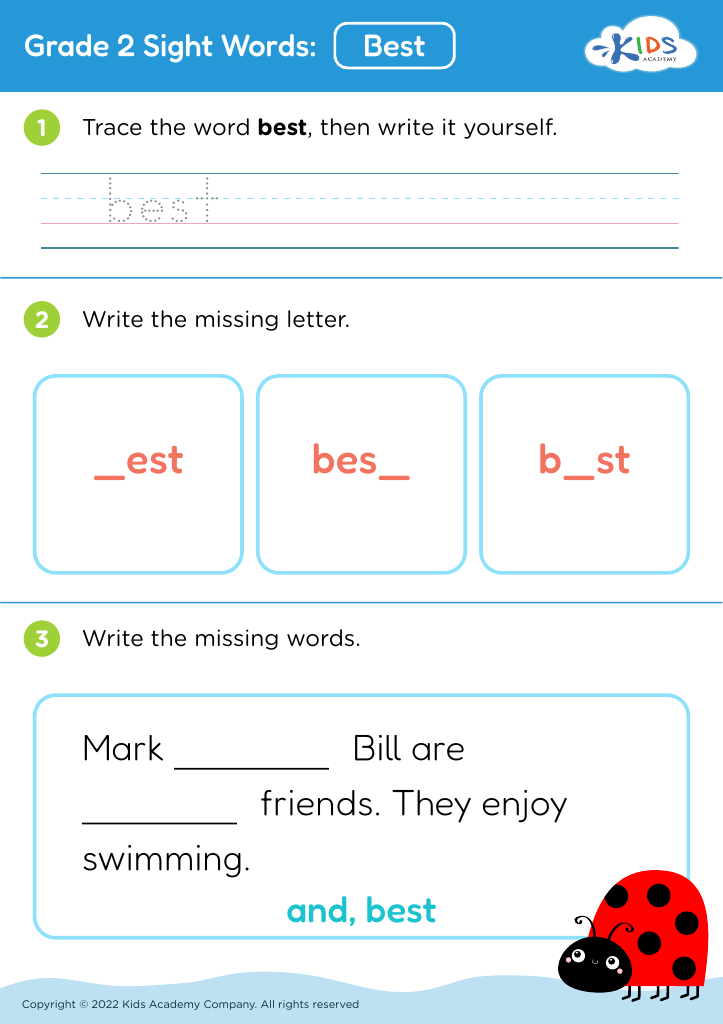
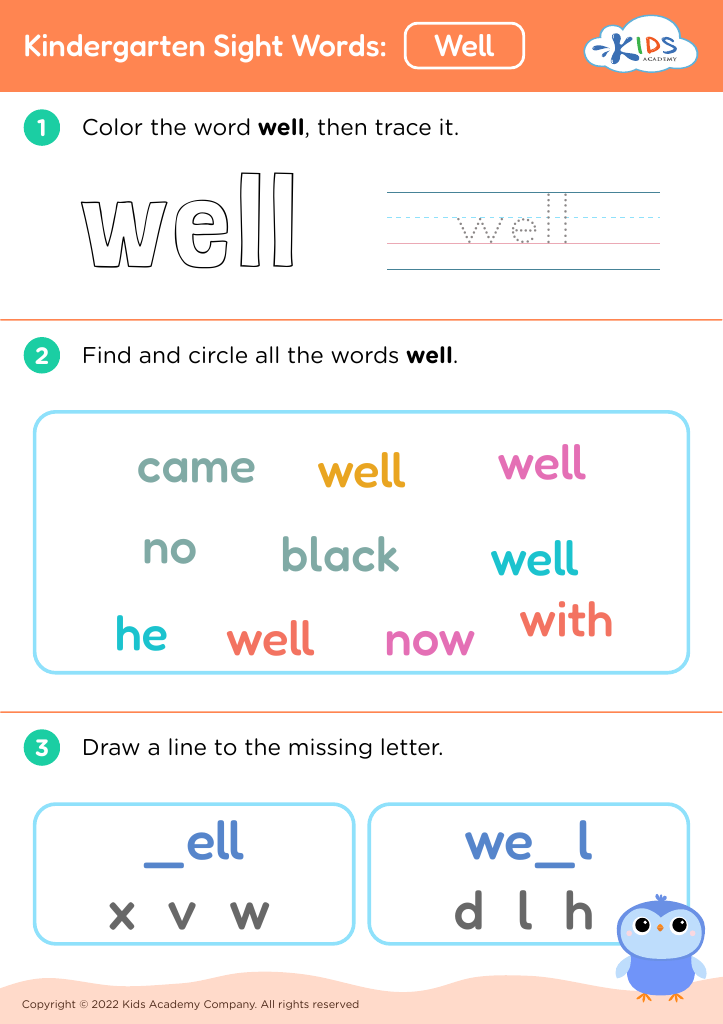
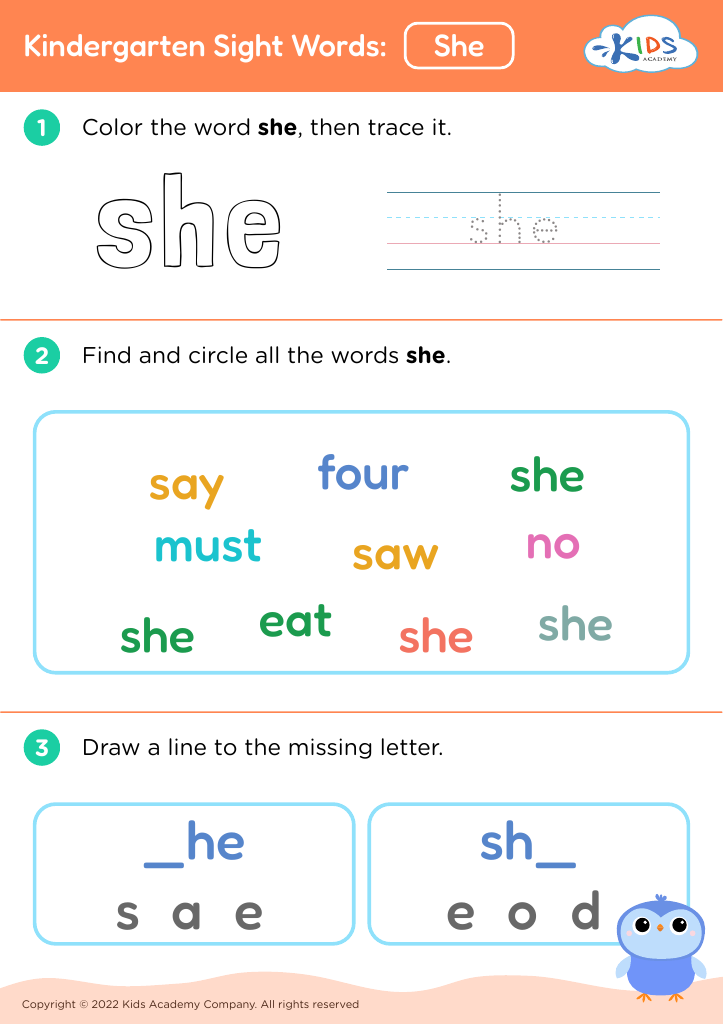
Enhance your child's learning journey with our "Recognizing Shapes Building Vocabulary Worksheets" designed for ages 5-8. These engaging worksheets help young learners identify and describe various shapes while expanding their vocabulary. Through fun activities and colorful illustrations, children will confidently recognize shapes like circles, squares, triangles, and more. Each worksheet is thoughtfully crafted to promote critical thinking and language development in a playful manner. Perfect for classrooms or home learning, these resources provide valuable support for early education. Equip your child with essential skills and foster a love for learning with our creative shape recognition activities today!


















.jpg)
Recognizing shapes and building vocabulary are vital components of early childhood education, particularly for children aged 5-8. These skills play an essential role in cognitive development and set the foundation for more advanced learning.
Understanding shapes aids children in visual-spatial skills, as they learn to identify, describe, and differentiate various forms. This foundational knowledge not only enhances their mathematical abilities but also supports everyday problem-solving and critical thinking. Shape recognition is applicable in real-life situations, such as navigating geometry in art, architecture, and nature.
Equally, building vocabulary is crucial at this stage. A rich vocabulary allows children to express themselves more effectively and enhances their comprehension skills. The ability to articulate thoughts and feelings fosters confident communication, essential for social interactions and academic success. Vocabulary acquisition supports literacy development, as children engage in reading and writing activities.
When parents and teachers prioritize shape recognition and vocabulary building, they empower children with essential skills that underpin future learning. These foundational skills contribute to a child’s overall educational journey, helping them grow into confident learners who are ready to tackle more complex concepts as they advance in their studies. In essence, focusing on these areas lays the groundwork for lifelong learning.








