Shape Recognition Building Vocabulary Worksheets for Ages 5-8
7 filtered results
-
From - To
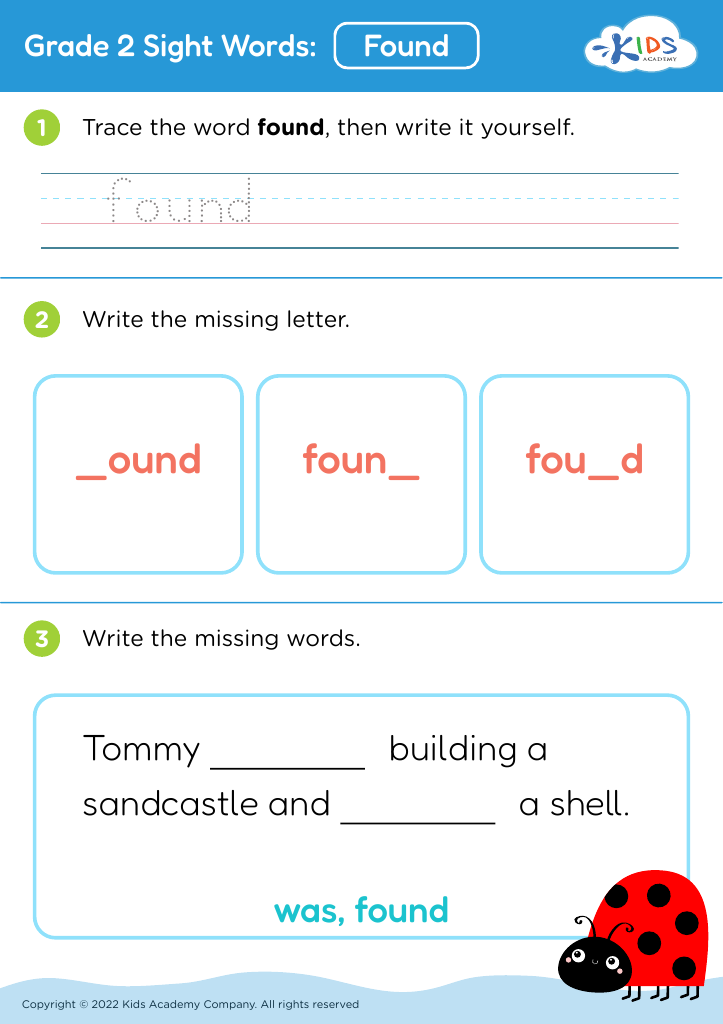
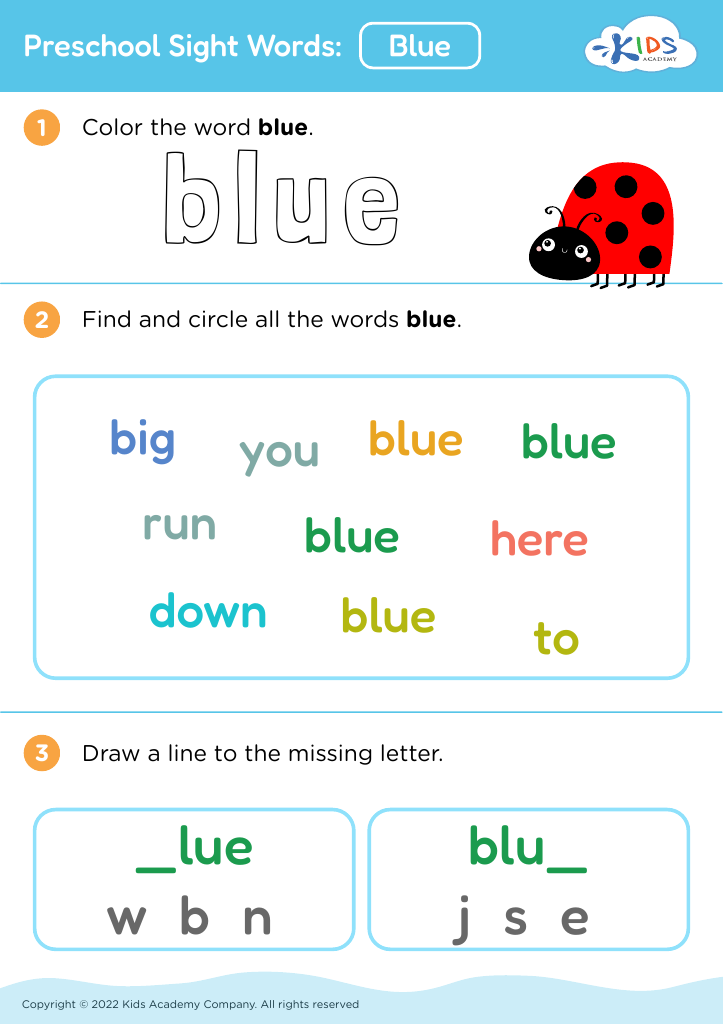
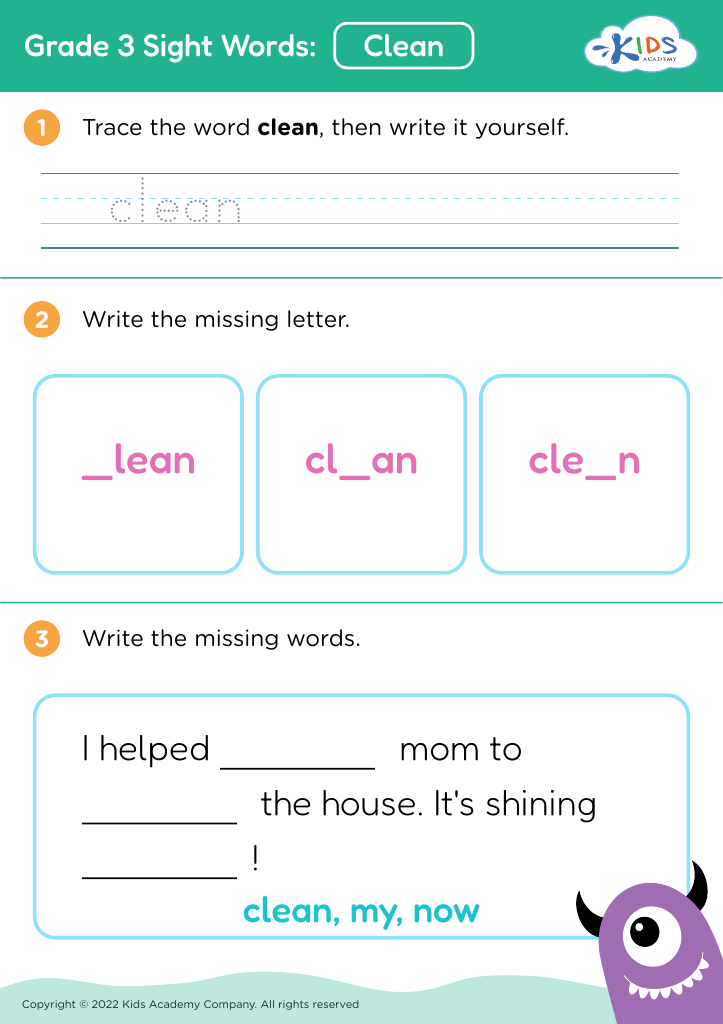
Shape Recognition Building Vocabulary Worksheets for Ages 5-8 by Kids Academy offer an interactive and engaging way for young learners to enhance their vocabulary while mastering shapes. Tailored for children aged 5 to 8, these worksheets incorporate fun activities that blend language skills with shape identification. Through these exercises, children not only sharpen their understanding of geometric shapes but also build a robust vocabulary in a playful and educational context. Perfect for classroom use or at-home practice, these worksheets are designed to develop foundational reading skills, foster critical thinking, and create a solid base for future learning.



















Shape recognition and vocabulary building are fundamental aspects of early childhood education that play a crucial role in children's cognitive development. For children ages 5-8, these skills serve as the building blocks for more complex learning areas. Understanding and identifying shapes help kids develop spatial awareness, which is vital for problem-solving and navigating the world around them. Being able to differentiate between shapes like circles, squares, and triangles not only enhances their perceptual abilities but also aids in mathematical reasoning and geometry concepts that they will encounter later in school.
Building vocabulary related to shapes further enriches these learning experiences. When children can articulate and name different shapes, they enhance their language skills, which are critical for effective communication. This dual focus on shapes and vocabulary supports memory development and cognitive flexibility.
Moreover, shape recognition and vocabulary development encourage descriptive skills and precise use of language. When children describe shapes, they learn to pay attention to detail and organize their thoughts logically, which are essential skills for reading and writing.
In essence, focusing on shape recognition and vocabulary for young children equips them with essential tools for academic success and everyday life skills. Parents and teachers should prioritize these areas to lay a solid educational foundation that promotes long-term cognitive development and empowerment.








