Simplifying Fractions Building Vocabulary Worksheets for Ages 5-8
7 filtered results
-
From - To
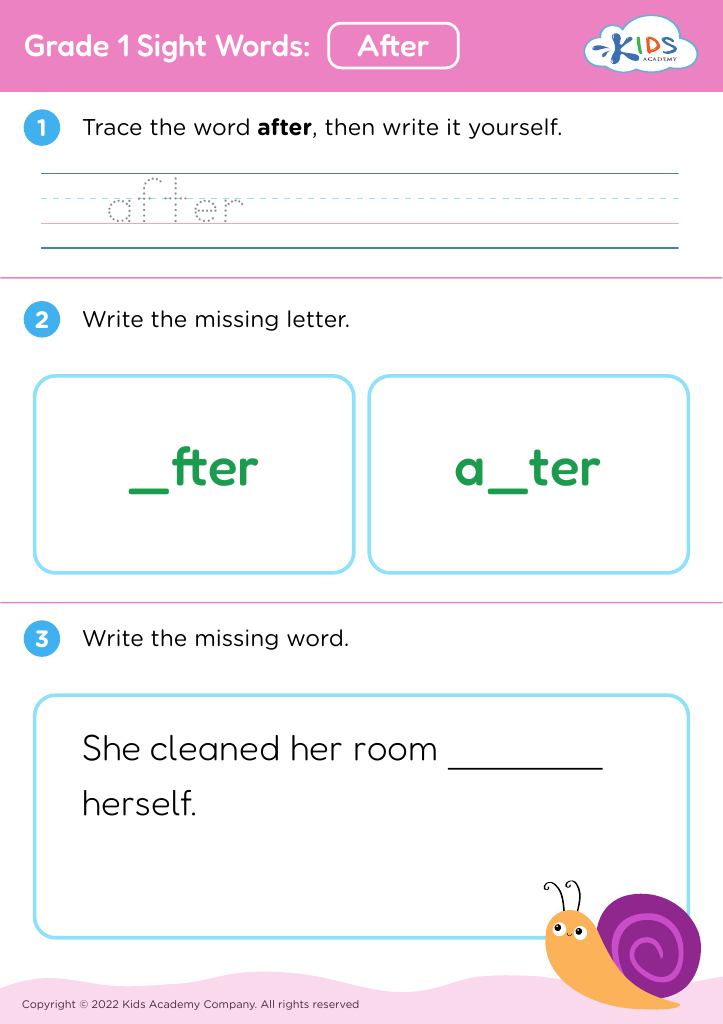
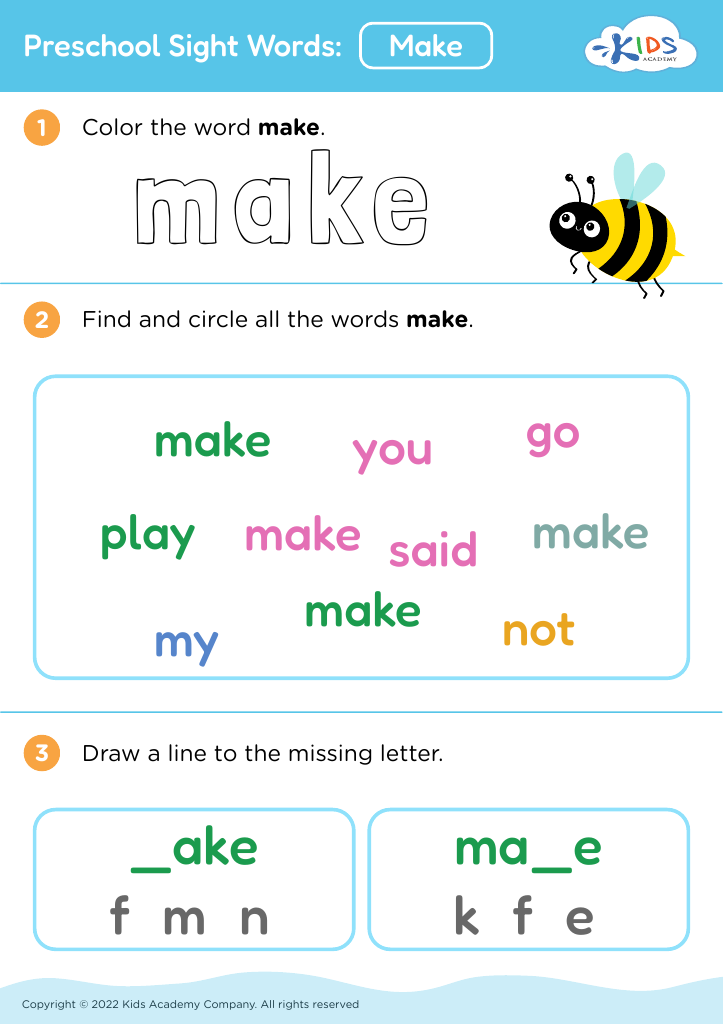
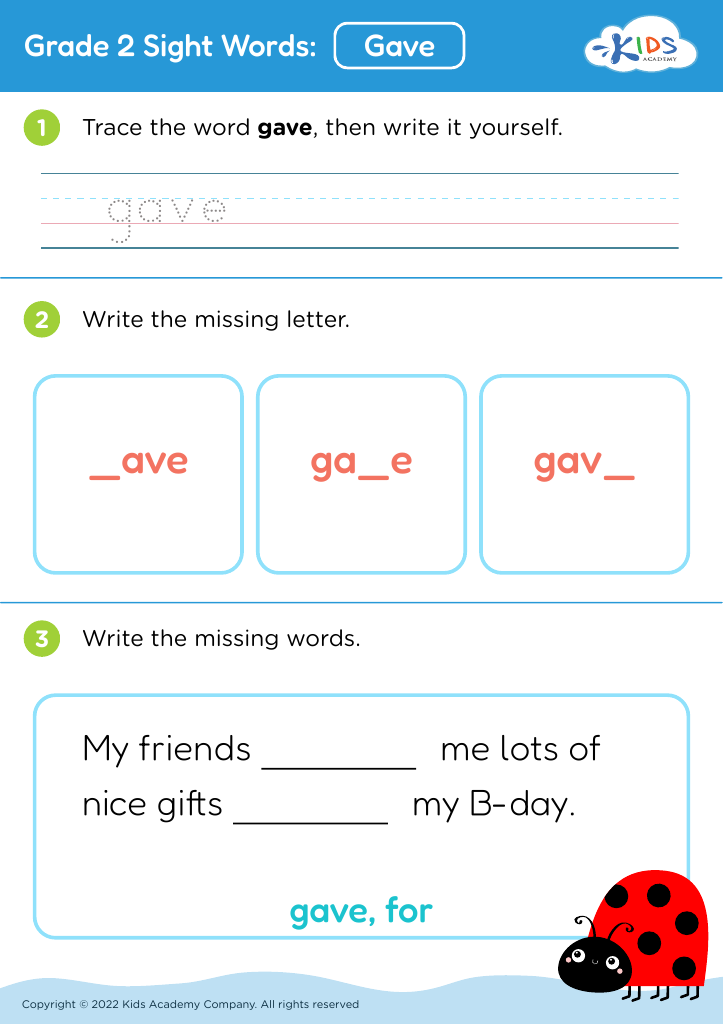
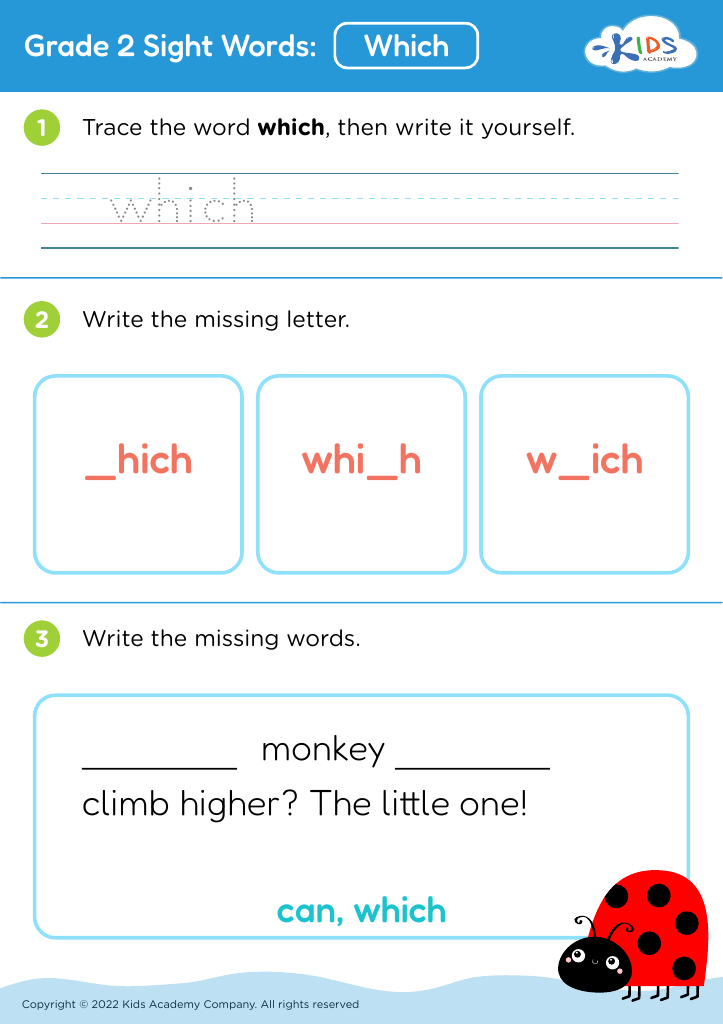
Introducing our "Simplifying Fractions Building Vocabulary Worksheets" designed specifically for ages 5-8! These engaging worksheets blend fraction basics with essential vocabulary skills, tailored to young learners' developmental stages. Each worksheet uses fun and interactive methods to simplify fractions while enhancing language acquisition through context-based exercises. Ideal for early grade teachers and parents, these activities make learning math enjoyable and accessible. Our printables reinforce students’ understanding of fractions and expand their lexicon simultaneously. Perfect for both classroom and at-home learning, these resources build the foundation for future math success and language proficiency. Explore, learn, and simplify today with Kids Academy!











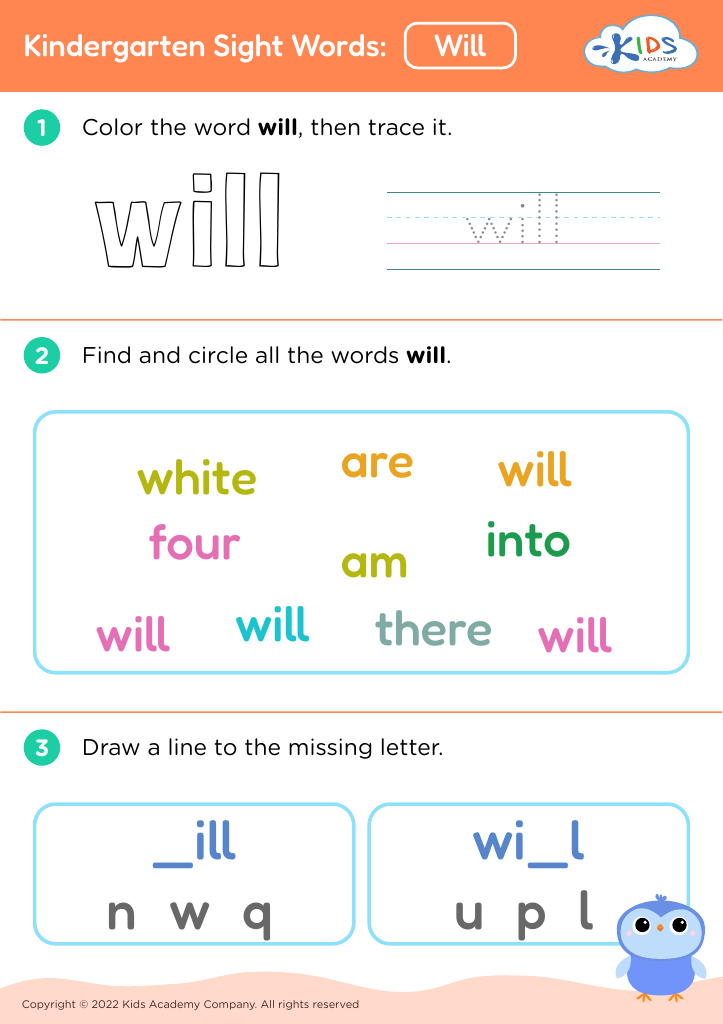
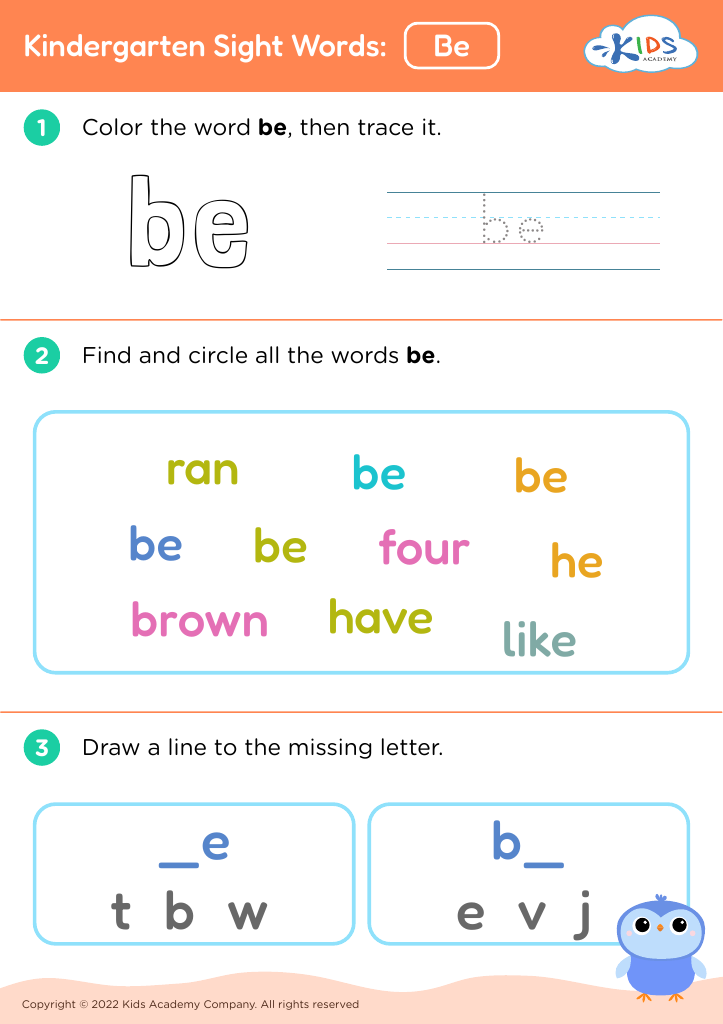
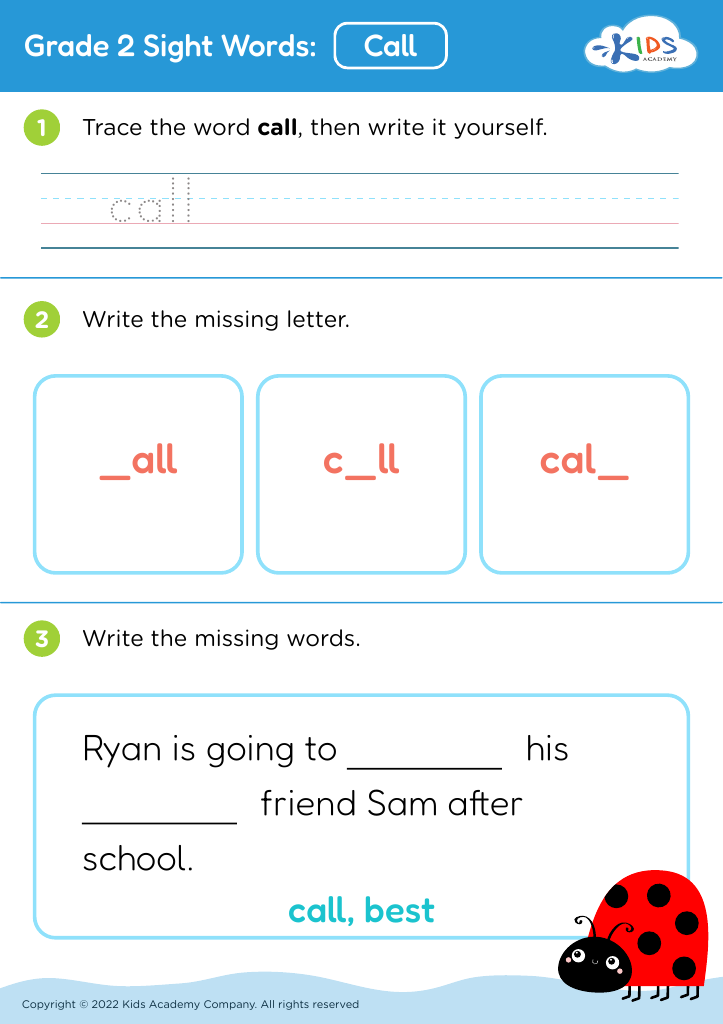


.jpg)





Simplifying fractions and building vocabulary are foundational skills that set young children on a path of mathematical and linguistic success. For ages 5-8, these skills serve as critical stepping stones for more complex concepts they'll encounter later.
Simplifying fractions teaches children to recognize equivalent values in different forms, fostering an early understanding of ratios, proportions, and problem-solving strategies. Learning to simplify fractions also involves key mathematical operations such as division and common multiples, making it a comprehensive learning experience that strengthens their overall math proficiency.
Building vocabulary at a young age has a profound impact on children’s cognitive development. A rich vocabulary enhances reading comprehension, foundational to academic success across subjects. Children with a strong vocabulary are better equipped to follow instructions, understand math word problems, and articulate their thoughts clearly. This skill is particularly crucial at a time when their brains are highly receptive to learning new words and concepts, creating a robust foundation for lifelong learning.
In short, attention to simplifying fractions and vocabulary building helps ensure that children develop critical thinking and communication skills early on. This prepares them for more advanced education, boosts their confidence, and cultivates an enduring enthusiasm for learning. For both parents and teachers, investing time in these areas can provide substantial long-term educational benefits.








