Understanding bar graphs Building Vocabulary Worksheets for Ages 5-8
3 filtered results
-
From - To
Unlock the world of data with our "Understanding Bar Graphs Building Vocabulary Worksheets" designed for children ages 5-8! These engaging resources help young learners develop essential skills in interpreting and analyzing bar graphs. Through interactive activities, children practice recognizing patterns, comparing quantities, and enhancing their vocabulary related to graph terminology. Our worksheets not only promote mathematical comprehension but also encourage critical thinking and visual literacy. Perfect for classroom or home learning, these printables provide an enjoyable way to foster a solid foundation in understanding data representation. Equip your young learners with the tools they need for success with these expertly crafted resources!
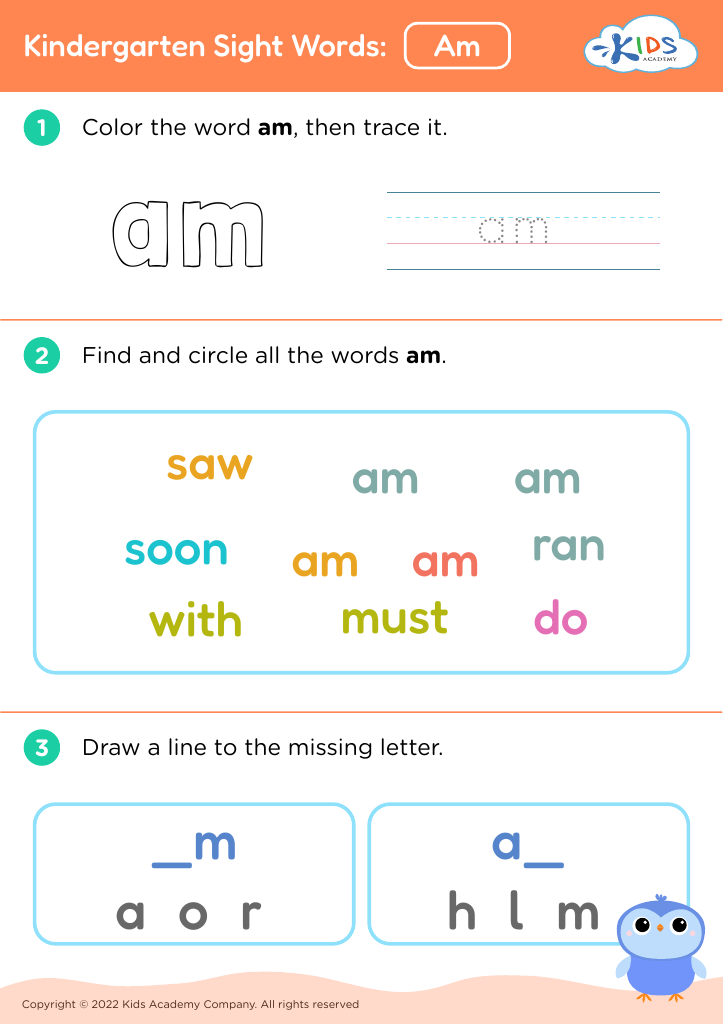











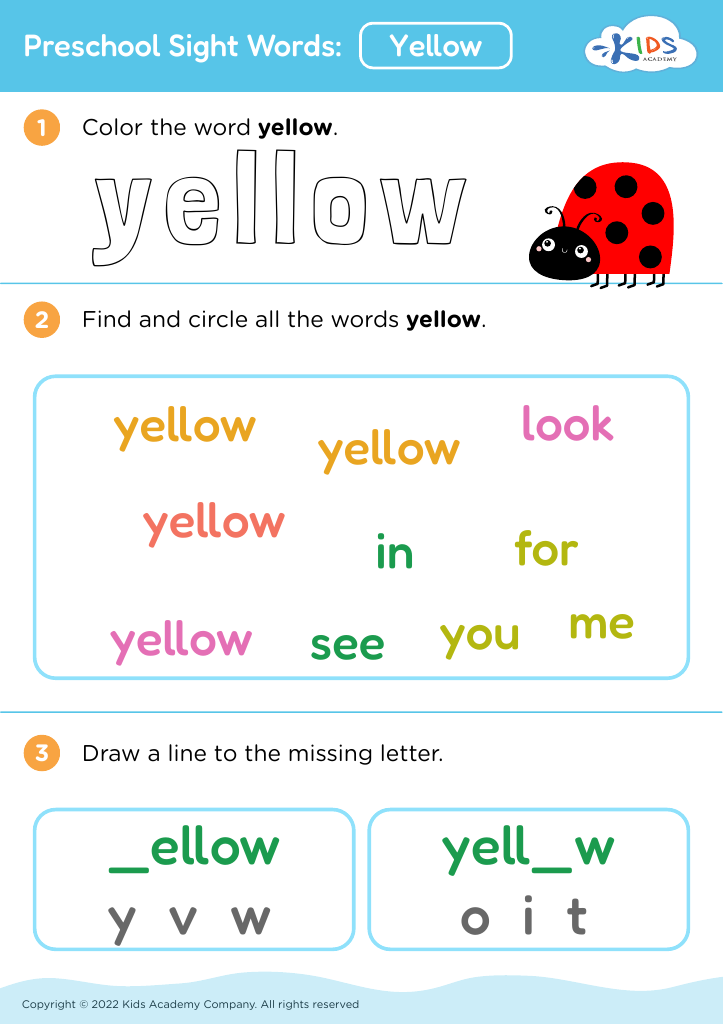
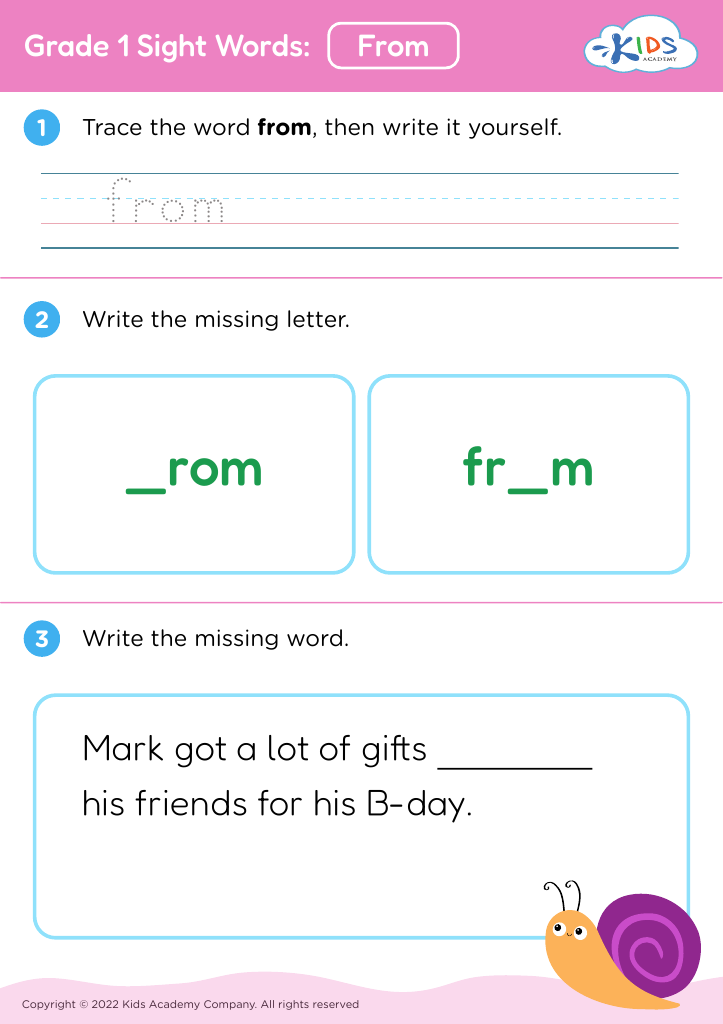






.jpg)
Understanding bar graphs and building vocabulary are crucial skills for children aged 5-8, as they lay the groundwork for future learning and critical thinking. Bar graphs are vital tools for visualizing and interpreting data, helping children develop analytical skills and comprehend numerical information. By learning to read and create bar graphs, children can better understand concepts such as quantity, comparison, and trends. This skill nurtures their ability to make informed decisions based on data interpretations, which is essential in today’s data-driven world.
Moreover, expanding vocabulary is equally important for effective communication and literacy development. A rich vocabulary allows children to express themselves clearly, understand discussions, and engage with diverse texts. When children encounter new words, they not only enhance their language skills but also improve their reading comprehension.
Parents and teachers play an essential role in reinforcing these skills. By integrating bar graph activities and vocabulary-building exercises into learning, they foster curiosity and a love for learning. Encouraging children to discuss new vocabulary in the context of bar graphs can link language skills with practical applications, making learning more engaging and relevant. Ultimately, supporting these foundational skills equips children for academic success and life beyond the classroom.








