Understanding habitats Building Vocabulary Worksheets for Ages 5-8
3 filtered results
-
From - To
Discover the wonders of nature with our "Understanding Habitats Building Vocabulary Worksheets" designed for young learners aged 5-8. These engaging worksheets provide an interactive approach to expand vocabulary while exploring diverse environments like forests, oceans, and deserts. With fun illustrations and activities, children will connect words to their meanings, enhancing language skills in an enjoyable way. Ideal for both classroom and homeschooling settings, this resource fosters curiosity about ecosystems and promotes critical thinking. Encourage your child's love for learning and understanding our planet by diving into these worksheets that make vocabulary building an exciting adventure!
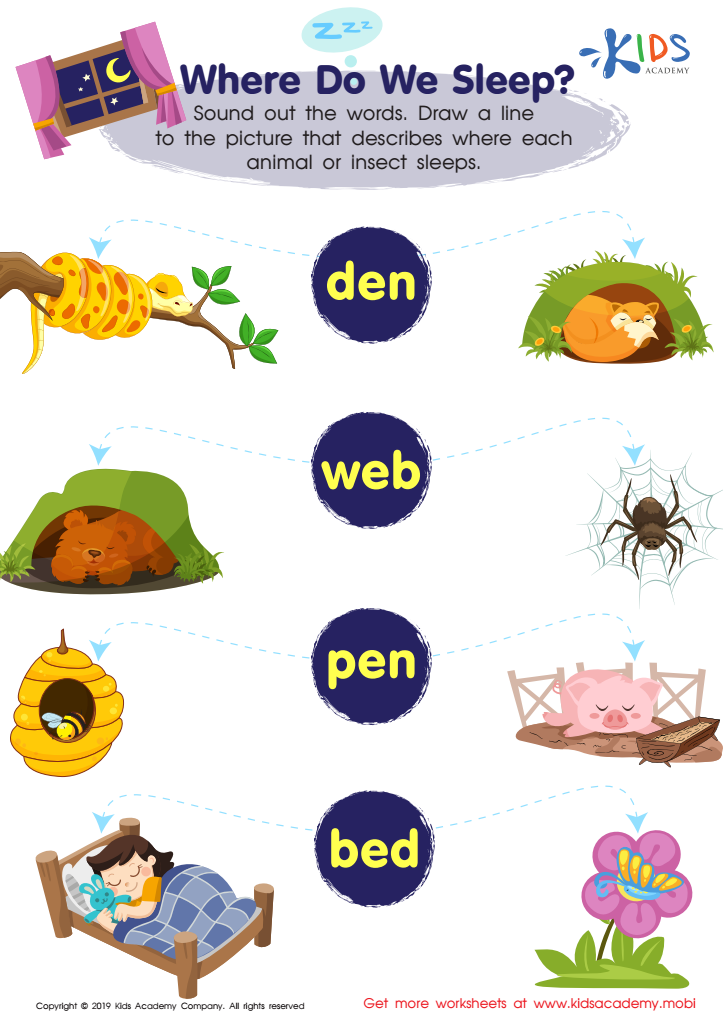
Where Do We Sleep Worksheet
 Assign to My Students











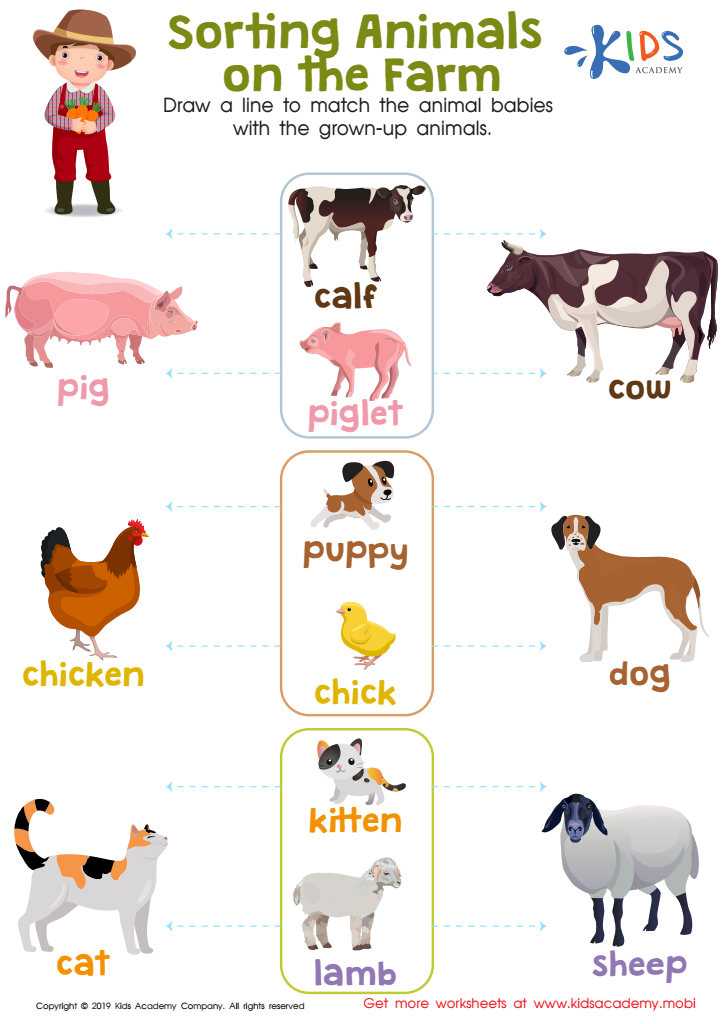
Sorting Animals on the Farm Worksheet
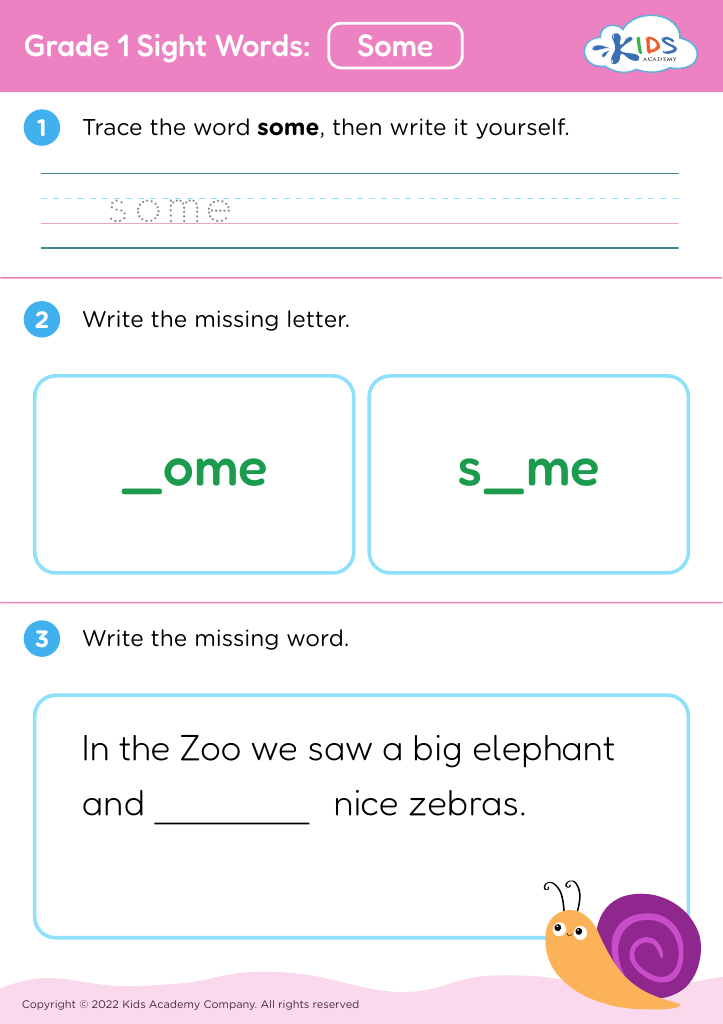








Understanding habitats and building vocabulary are crucial components of early education for children aged 5 to 8. At this developmental stage, children are naturally curious about the world around them, making it an ideal time to introduce them to the concept of habitats. By exploring different environments—such as forests, oceans, and deserts—they learn about biodiversity and the interdependence of living organisms. This knowledge fosters a sense of responsibility and stewardship for the planet, encouraging kids to care about nature and conservation from an early age.
Building vocabulary around habitats enhances children's language skills and empowers them to articulate their thoughts and observations about their surroundings. Familiarizing young students with terms related to different ecosystems equips them with tools to explore other subjects, such as science and geography, while promoting critical thinking.
Furthermore, parents and teachers who emphasize this learning area can create a richer educational experience. Engaging activities, like field trips or nature walks, provide practical, hands-on experiences that reinforce what children learn in the classroom. Ultimately, nurturing an understanding of habitats and expanding vocabulary lays the foundation for lifelong learning, curiosity, and awareness of environmental issues, empowering children to become informed and responsible global citizens.








