
Understanding patterns Building Vocabulary Worksheets for Ages 5-8
8 filtered results
Difficulty Level
Grade
Age
-
From - To
Subject
Activity
Standards
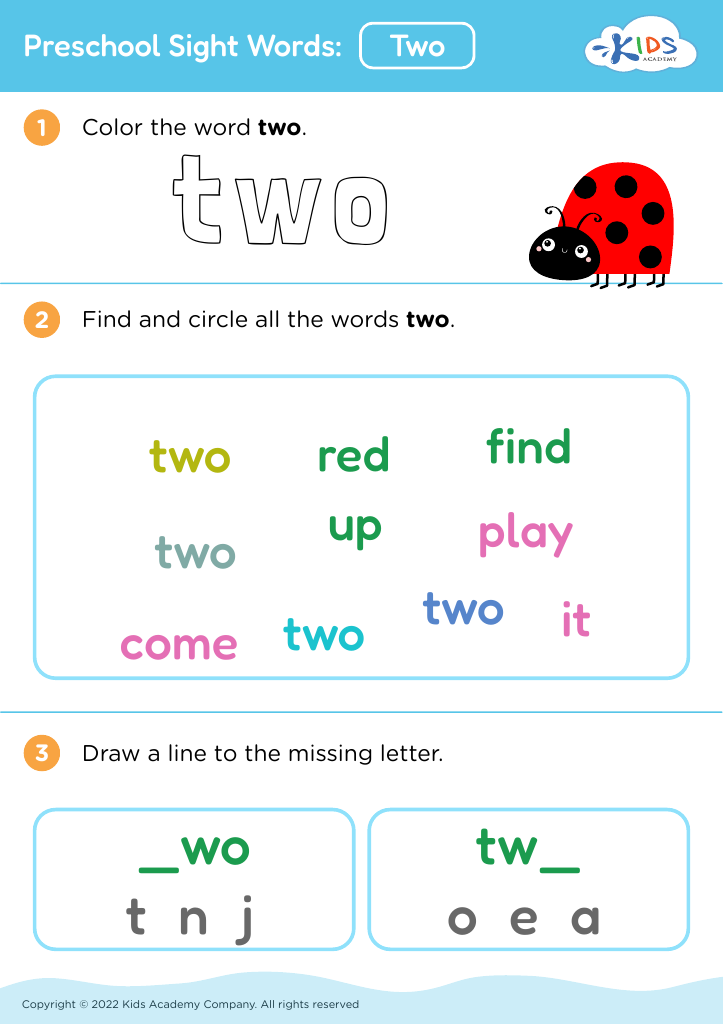
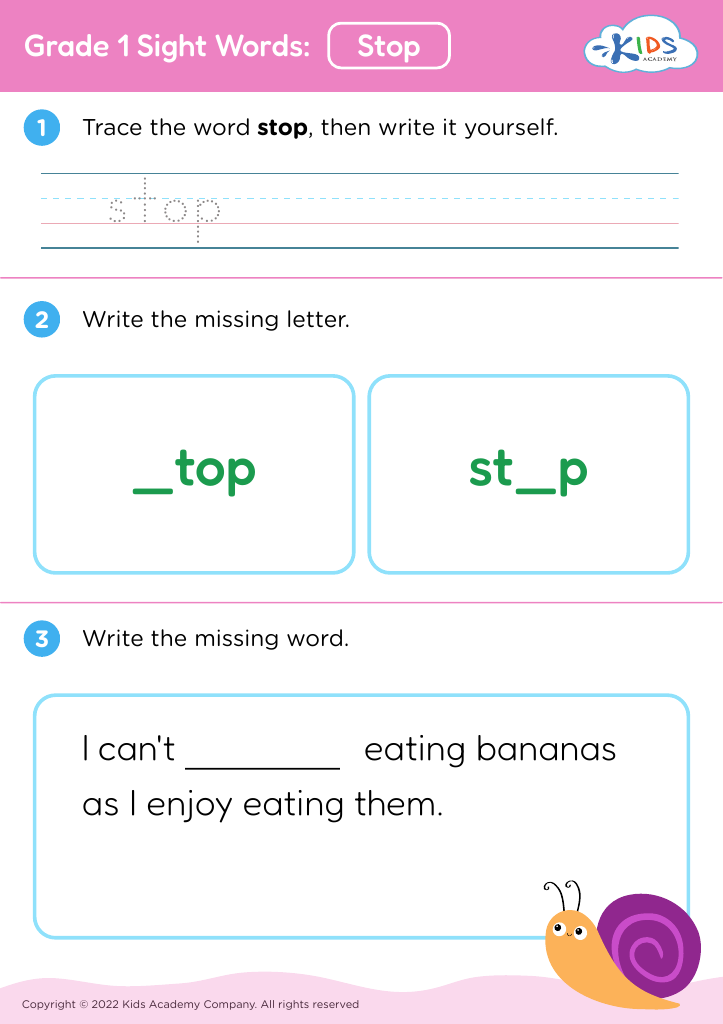
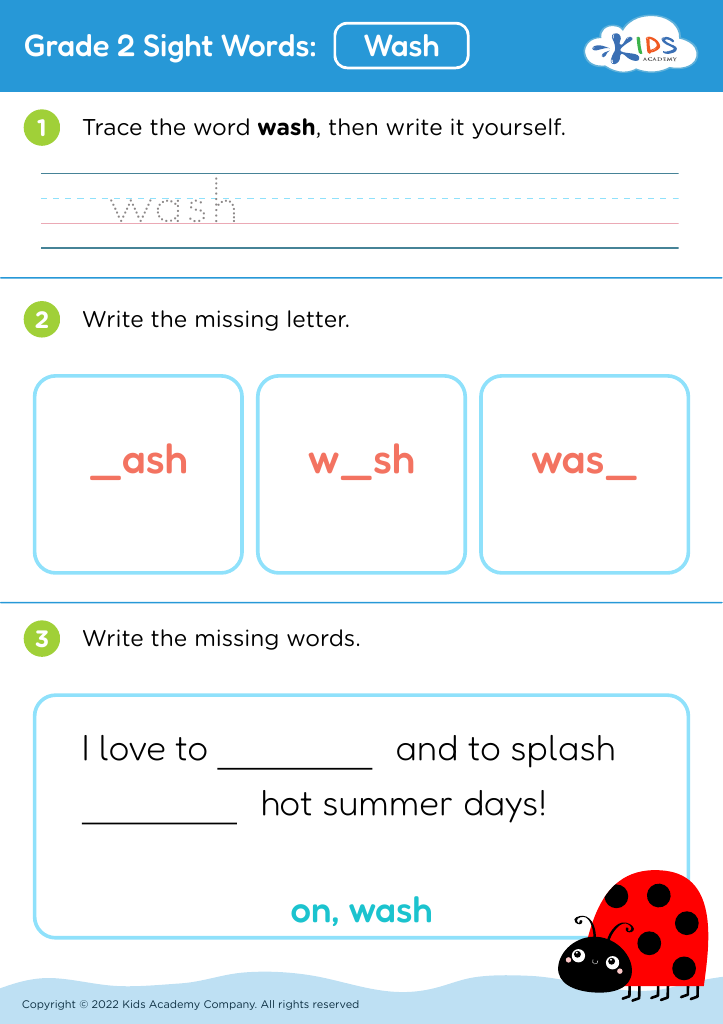
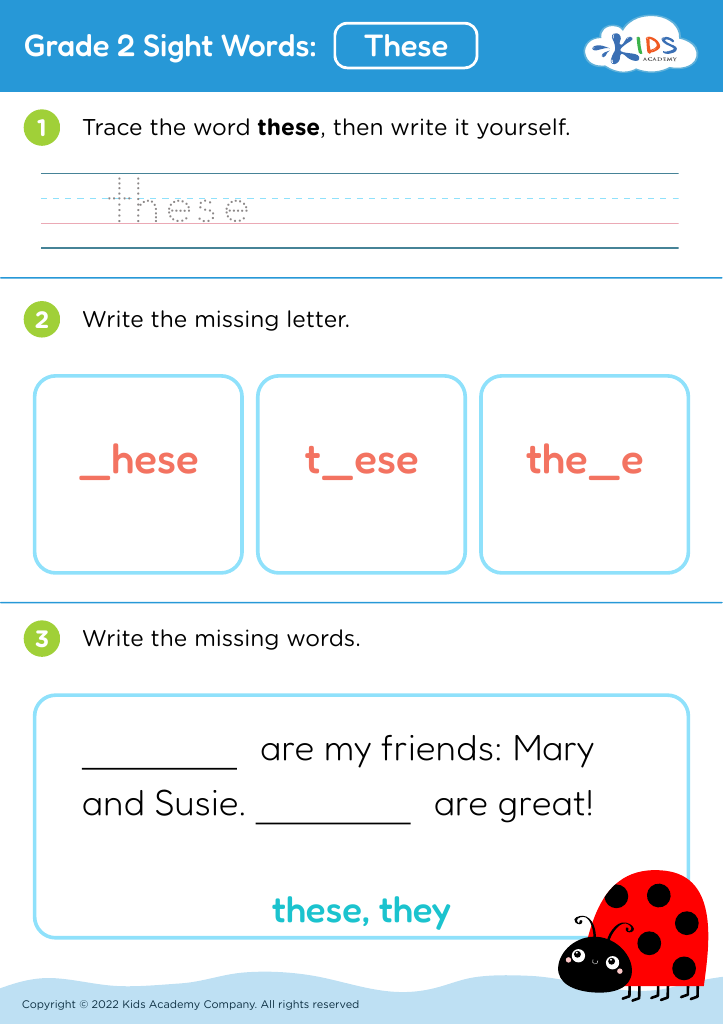
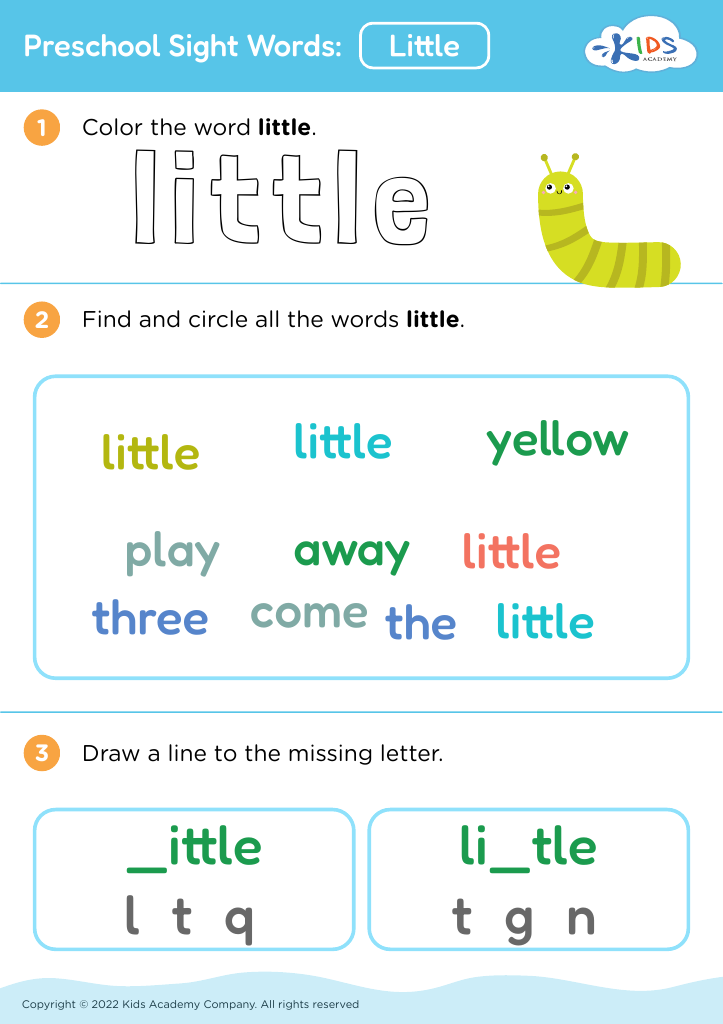
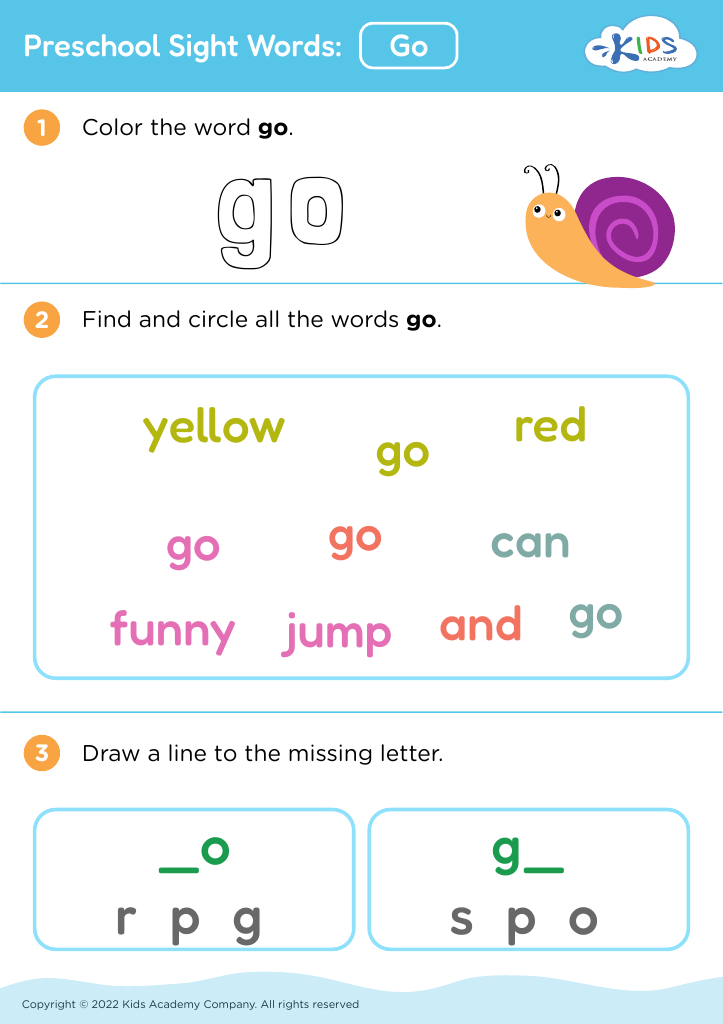
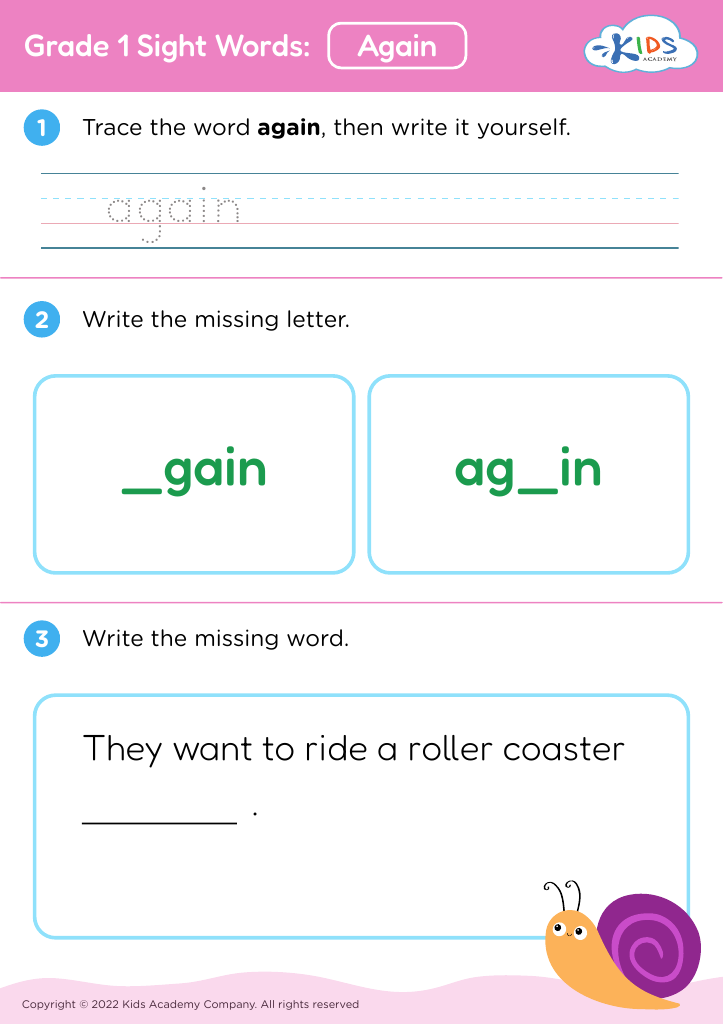
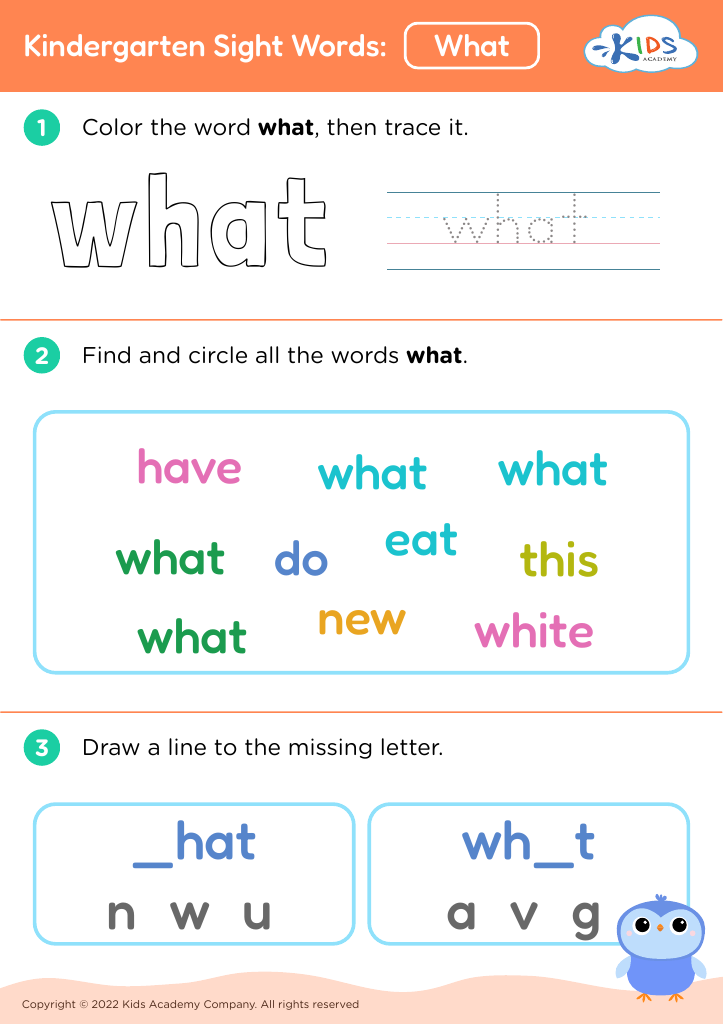
Discover the joy of learning with our "Understanding Patterns Building Vocabulary Worksheets" designed for children ages 5-8. These engaging, interactive worksheets promote critical thinking and enhance vocabulary skills by helping young learners recognize and create patterns in language. Through fun activities, kids will explore synonyms, antonyms, and word associations, all while developing their reading and observation skills. Perfect for classroom enrichment or at-home learning, these resources make understanding patterns exciting and accessible. Empower your child’s learning journey with our thoughtfully crafted worksheets, designed to foster confidence and innovation in early vocabulary development. Start with learning patterns today!
Favorites
With answer key
Interactive











Join Kids Academy for Free
Who is primarily going to use this learning content?








Understanding patterns and building vocabulary are essential components of early childhood education, particularly for children ages 5-8. These skills intertwine to lay a strong foundation for cognitive development and academic success.
Firstly, recognizing patterns helps children develop critical thinking and problem-solving skills. Patterns are prevalent in mathematics, literacy, and everyday life. By identifying and manipulating patterns, children enhance their ability to make predictions, draw conclusions, and understand relationships, which are vital skills for future learning.
Secondly, a robust vocabulary is crucial for effective communication. As children expand their vocabulary, they gain the ability to express their thoughts and feelings more clearly, enhancing their social interactions and literacy skills. A strong vocabulary also serves as the gateway to comprehending complex texts and ideas, fostering a love for reading and learning.
Parents and teachers play a pivotal role in nurturing these skills. By engaging children in games, discussions, and reading aloud, they can create an enriching environment that encourages curiosity and exploration. Fostering these abilities in young learners not only supports their academic journey but also empowers them to become confident, articulate, and discerning individuals in the world around them.








