Understanding prepositions Building Vocabulary Worksheets for Ages 5-8
5 filtered results
-
From - To
Help young learners grasp the essential concept of prepositions with our engaging "Understanding Prepositions" worksheets, specifically designed for children ages 5-8. These interactive resources provide colorful illustrations and fun exercises that teach students how to identify and use prepositions in everyday language. With age-appropriate activities, children can improve their vocabulary and enhance their reading comprehension skills. Our worksheets encourage creativity and critical thinking, making learning about prepositions enjoyable and effective. Empower your child’s language development and build a strong foundation in grammar with these ready-to-use, educational tools. Download now and spark a love for learning!
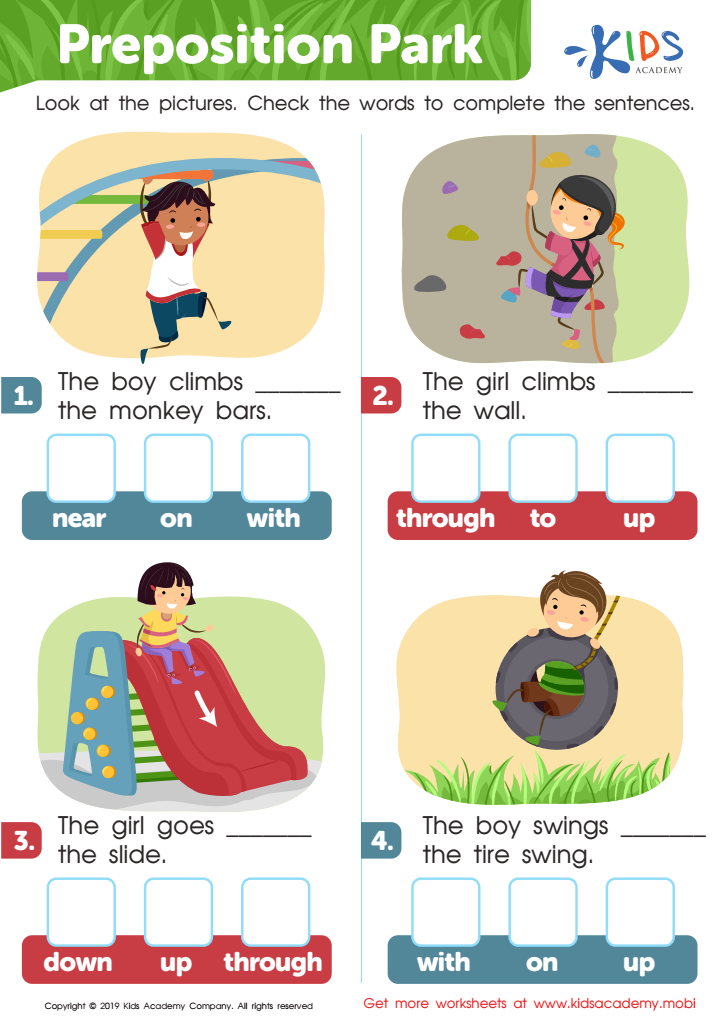
Preposition Park Worksheet
 Assign to My Students











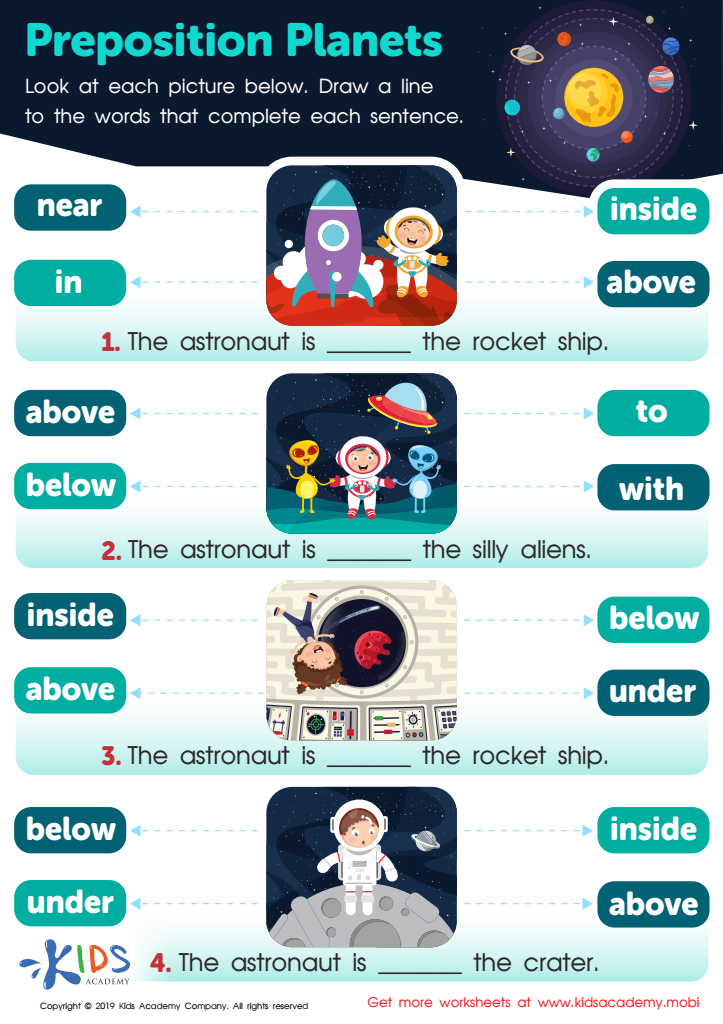
Preposition Planets Worksheet
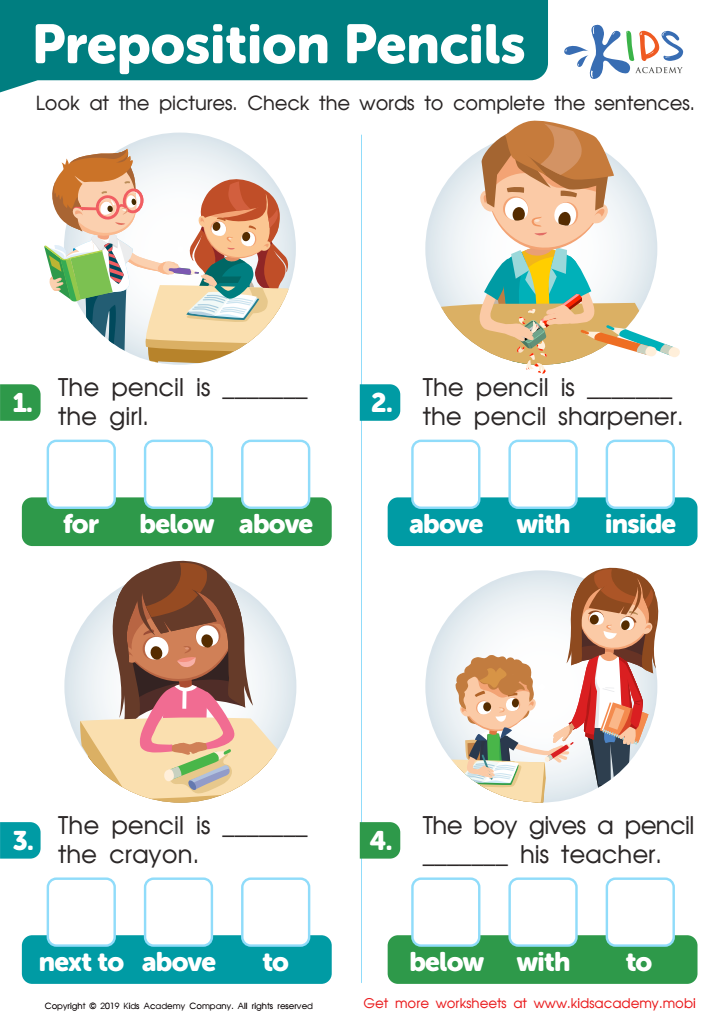
Preposition Pencils Worksheet
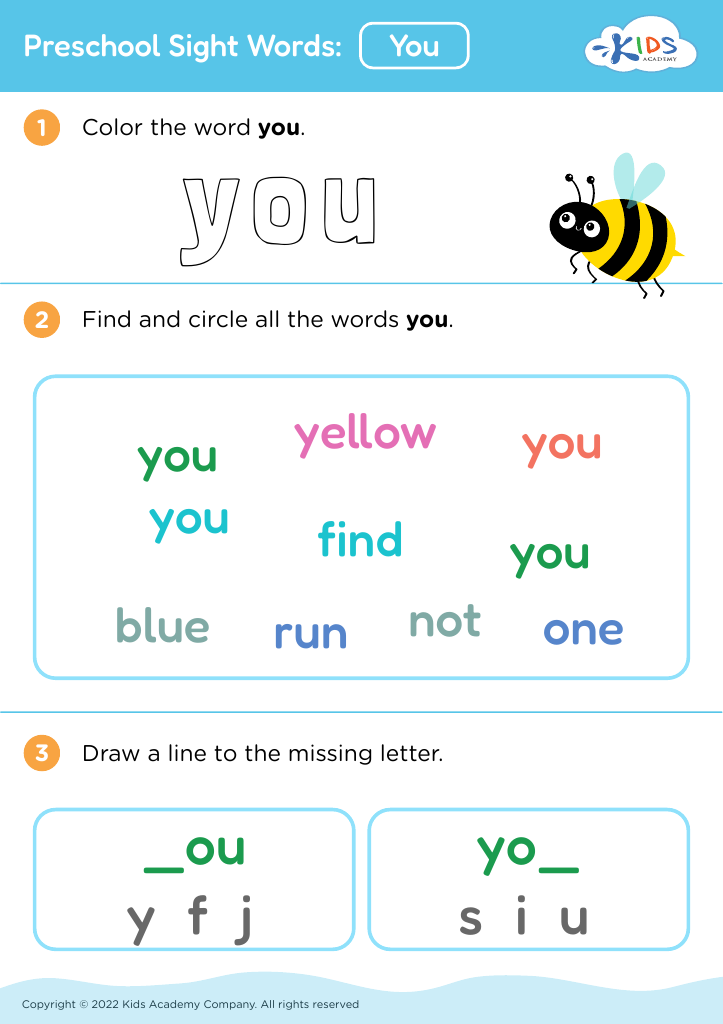







.jpg)
Understanding prepositions and building vocabulary are vital for children ages 5-8 as they lay the foundation for effective communication and critical thinking. During these formative years, children are rapidly developing their language skills, and prepositions play a crucial role in enhancing their understanding of relationships between objects, people, and actions. For instance, learning prepositions like "in," "on," "under," and "between" helps children describe their environment accurately and express themselves more clearly.
Moreover, a rich vocabulary enhances reading comprehension and writing skills, enabling children to articulate their thoughts and emotions more effectively. By broadening their word knowledge, children can engage more fully with literature, understand lessons in school, and enjoy richer conversations. This skill set is particularly important as they encounter increasingly complex texts and assignments.
When parents and teachers prioritize these aspects, they foster not only linguistic proficiency but also overall academic success and self-confidence in their children. Encouraging exploration of language through games, storytelling, and discussions about prepositions can significantly boost a child's enthusiasm for learning while laying the groundwork for future educational achievements. Ultimately, investing in these skills will empower children to thrive socially and academically, setting them up for lifelong success.








