Understanding symmetry Building Vocabulary Worksheets for Ages 5-8
5 filtered results
-
From - To
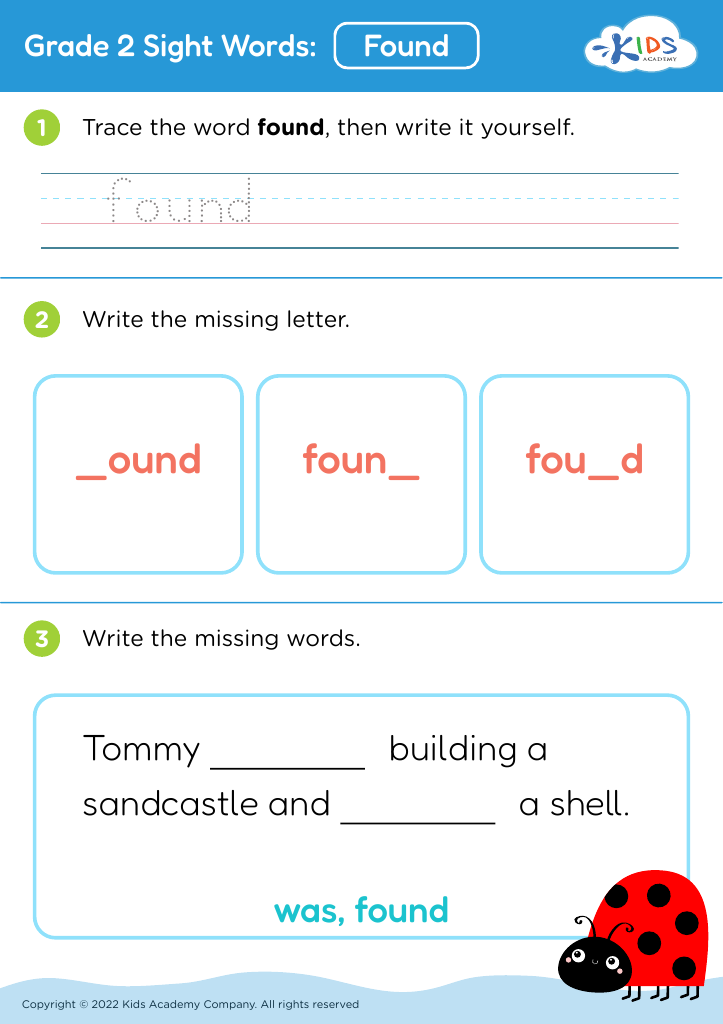
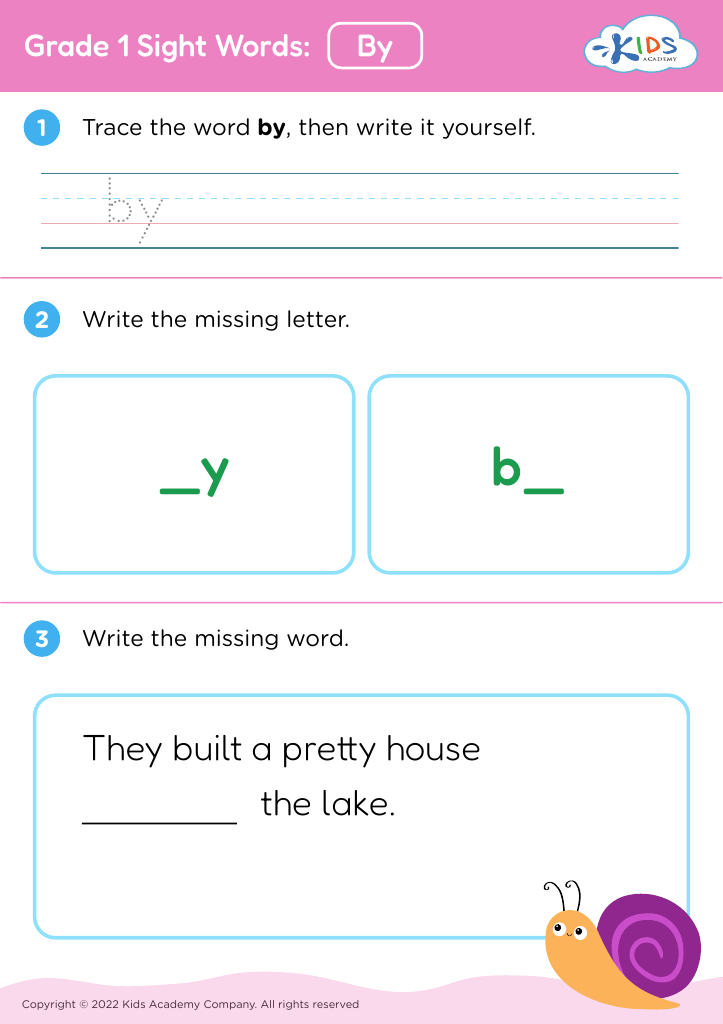
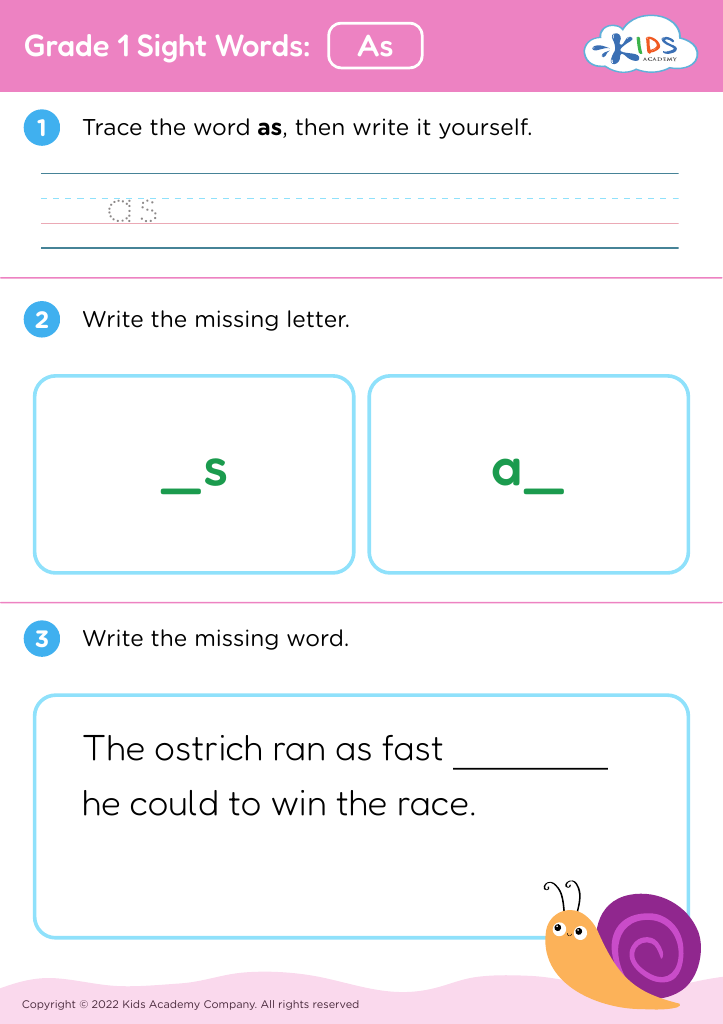
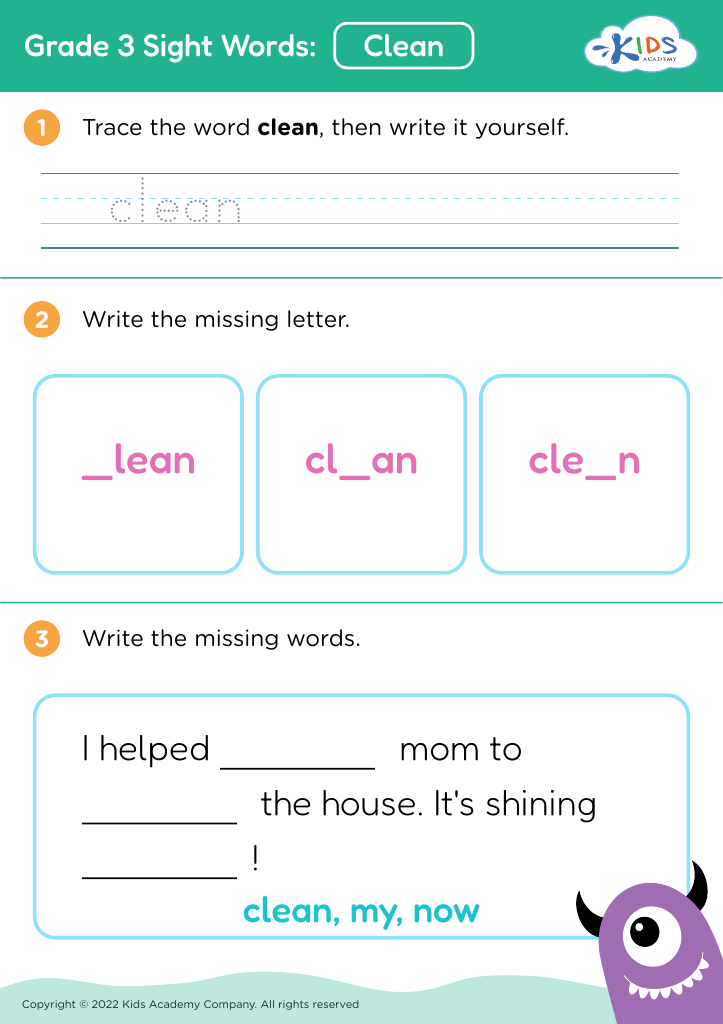
Explore the fascinating world of symmetry with our engaging "Understanding Symmetry Building Vocabulary Worksheets" designed for children aged 5-8. These worksheets provide a fun and interactive way for young learners to enhance their vocabulary while grasping the concept of symmetry in shapes and patterns. Each activity encourages critical thinking through visual examples, helping kids identify symmetrical objects and develop descriptive language skills. Foster your child’s love for math and art by incorporating discussions about symmetry in everyday life. Ideal for both classrooms and home learning, these worksheets will build essential vocabulary and comprehension skills in a delightful manner!



















Understanding symmetry is a fundamental concept in mathematics and art that can significantly enhance children's cognitive development. For children aged 5-8, grasping the idea of symmetry not only nurtures their mathematical skills but also bolsters their spatial awareness and problem-solving abilities. Recognizing symmetrical shapes and patterns lays the groundwork for advanced concepts they will encounter later in their education.
Building vocabulary associated with symmetry—terms like "mirror," "reflection," and "equal"—enables children to articulate their understanding and foster discussions around the concept. This enriched vocabulary helps them connect symmetry to real-world examples, such as in nature or architecture, making learning more relatable and engaging.
When parents and teachers showcase symmetry through various activities, such as art projects or interactive games, they make learning enjoyable and memorable. Collaborative learning reinforces these concepts as children share their experiences and discoveries.
Overall, emphasizing symmetry and its vocabulary not only enriches the educational experience but also inspires critical thinking, creativity, and a love for learning that can last a lifetime. By nurturing these skills early on, we equip children with the tools they need for future success across multiple disciplines.








