Color recognition Reading Worksheets for Ages 5-8 - Page 2
30 filtered results
-
From - To
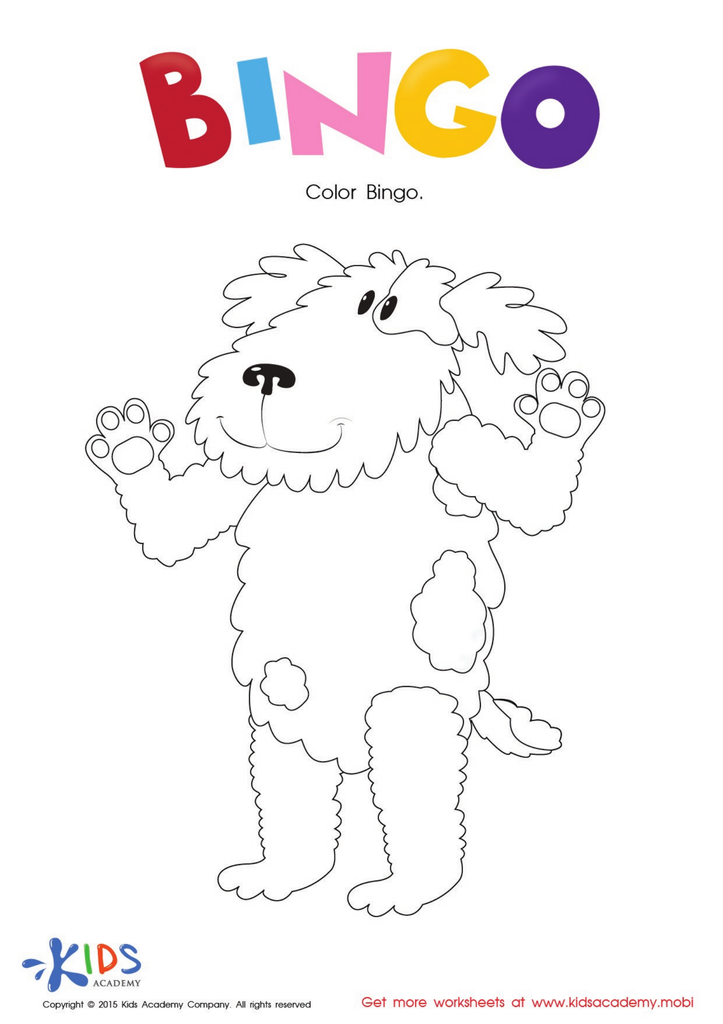
The Bingo Song: Coloring The Dog Worksheet
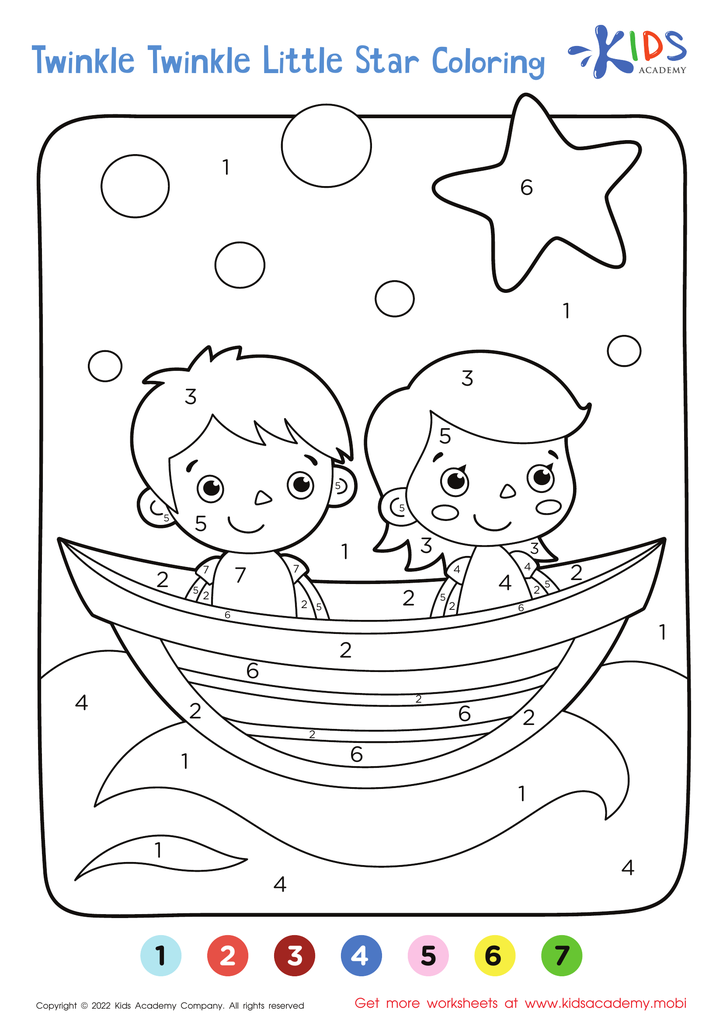
Twinkle, Twinkle, Little Star – Coloring by Numbers







Color recognition is a fundamental skill for children ages 5-8, forming a critical part of their cognitive and linguistic development. Parents and teachers should prioritize this aspect of early learning as it lays the groundwork for more complex concepts, such as categorization and organization, essential in subjects like math and science.
Recognizing colors aids in vocabulary development; children learn to associate colors with objects, enriching their language skills and enhancing their ability to describe the world around them. Additionally, color identification can improve attention to detail and observational skills. As children engage in activities that involve sorting and identifying colors, they practice critical thinking and problem-solving.
Moreover, color recognition plays a vital role in socio-emotional development. Activities involving colors can unleash creativity, offering children an outlet for self-expression through art and play. Working in groups on color-based projects fosters teamwork and communication skills, which are valuable lifelong traits.
Ultimately, integrating color recognition into reading and other educational activities can make learning fun and interactive, keeping children engaged. This early stage of development establishes a strong foundation, setting the stage for academic success and holistic growth as they progress into more advanced learning environments.








