
Multiplication practice Reading Worksheets for Ages 5-8
5 filtered results
Difficulty Level
Grade
Age
-
From - To
Subject
Activity
Standards
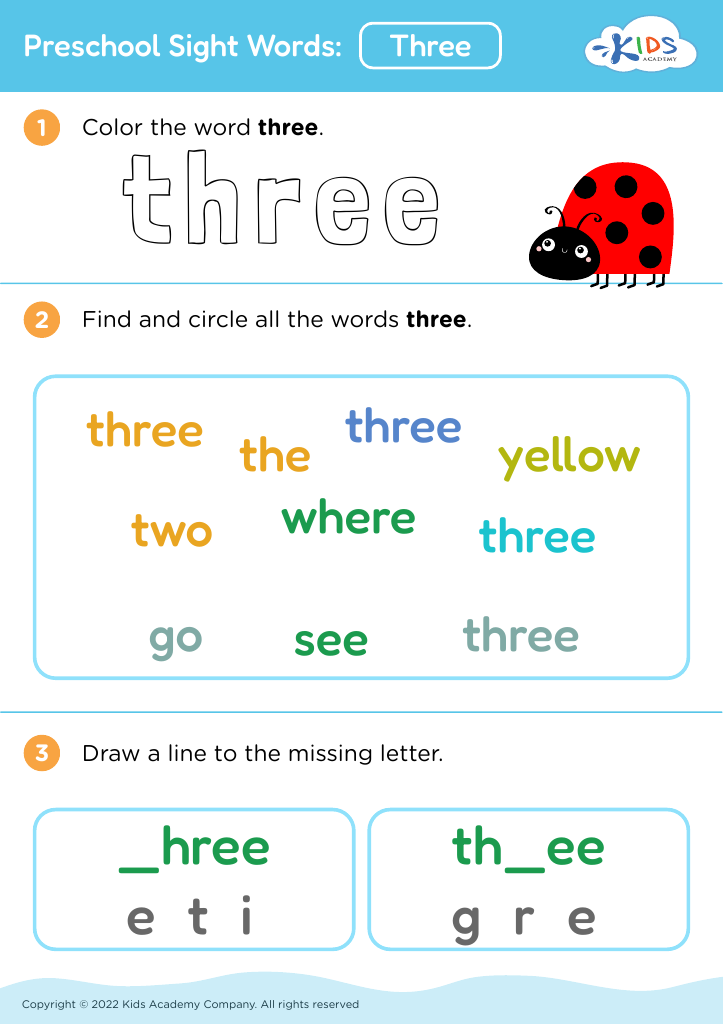
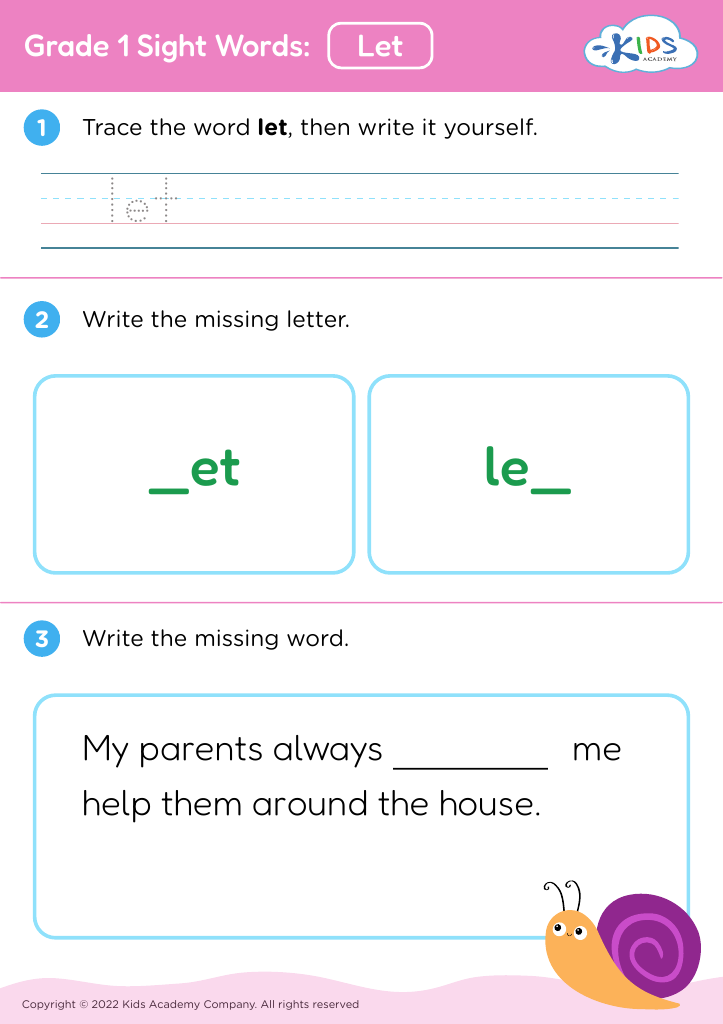
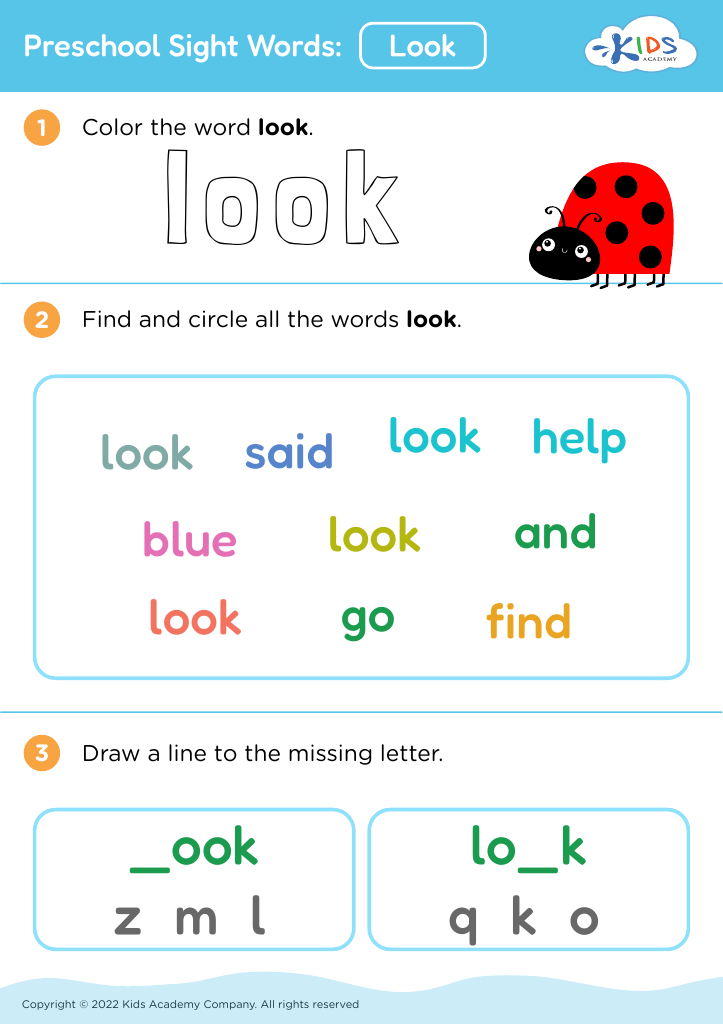
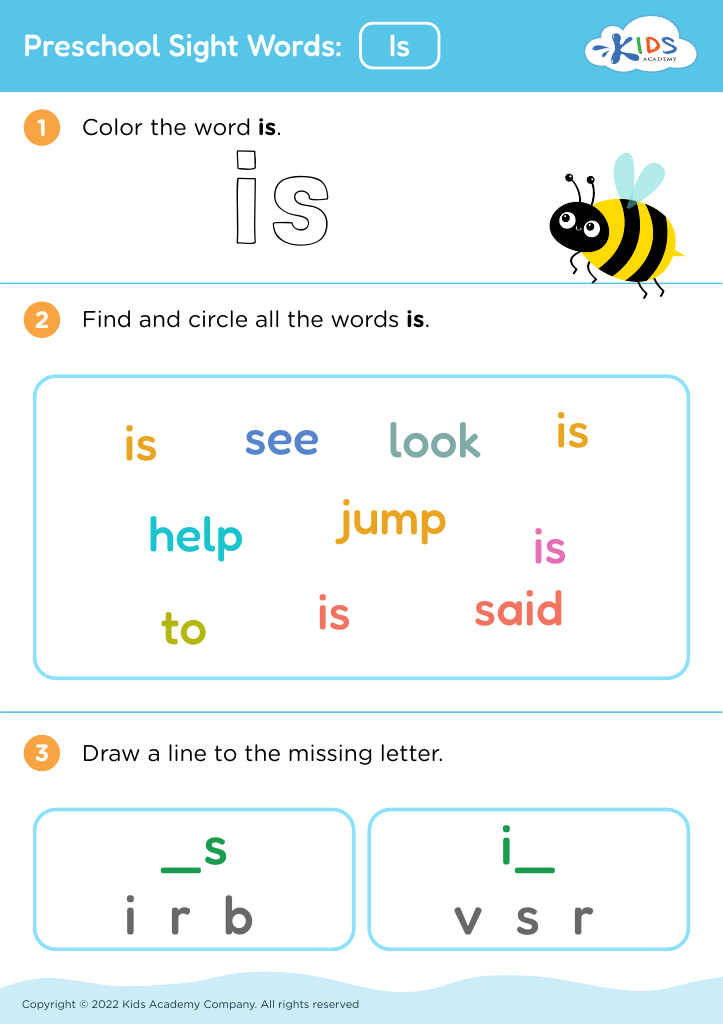
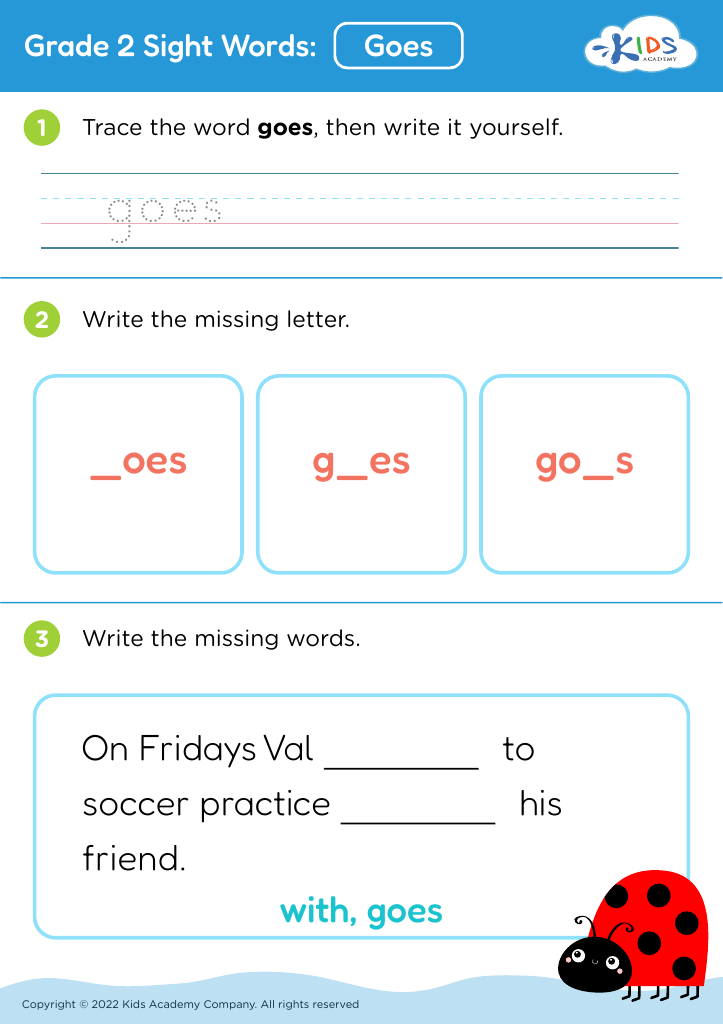
Discover engaging Multiplication Practice Reading Worksheets for ages 5-8, designed to enhance early math skills through fun and interactive activities. Our printable worksheets combine reading comprehension with multiplication concepts, making learning enjoyable for young learners. Each worksheet features colorful graphics and age-appropriate exercises that promote critical thinking, problem-solving, and number fluency. By integrating multiplication practice with reading tasks, children can develop both essential math skills and reading proficiency simultaneously. Perfect for classroom use or at-home practice, these worksheets provide the ideal resource for educators and parents looking to support their child's mathematical journey. Start cultivating math confidence today!
Favorites
With answer key
Interactive
Join Kids Academy for Free
Who is primarily going to use this learning content?







Parents and teachers should care about multiplication practice for children aged 5-8 as it builds a strong foundational understanding of mathematics that is essential for future learning. At this age, children are developing their number sense, and early exposure to multiplication lays the groundwork for more complex mathematical concepts. Mastery of multiplication enhances problem-solving skills, critical thinking, and provides a sense of accomplishment that boosts confidence.
Furthermore, engaging young learners in multiplication practice creates opportunities for active, hands-on learning. Using games, interactive activities, and real-world contexts makes this practice enjoyable and relevant, helping children retain information better. Motivating children to practice at home encourages family involvement, strengthening bonds during educational activities.
In addition, strong arithmetic skills promote a positive attitude toward mathematics, reducing anxiety related to the subject as children advance in their education. By reinforcing multiplication skills early on, parents and teachers can instill a love for learning and help students recognize the importance of math in everyday life. Overall, prioritizing multiplication practice in the early years ensures children are well-prepared for their academic journeys while nurturing lifelong skills.








