
Understanding directions Reading Worksheets for Ages 5-8
3 filtered results
Difficulty Level
Grade
Age
-
From - To
Subject
Activity
Standards
Unlock your child's potential with our "Understanding Directions Reading Worksheets for Ages 5-8." Designed to enhance reading and comprehension skills, these engaging worksheets foster critical thinking and precise following of instructions. Perfect for young learners, the activities make learning fun and interactive, preparing them for real-life situations where understanding directions is essential. Our worksheets help build confidence as kids master the ability to read, interpret, and execute written directions, setting the foundation for academic success. Ideal for both classroom and at-home use, these resources make learning an enjoyable adventure for children aged 5 to 8.
Favorites
With answer key
Interactive
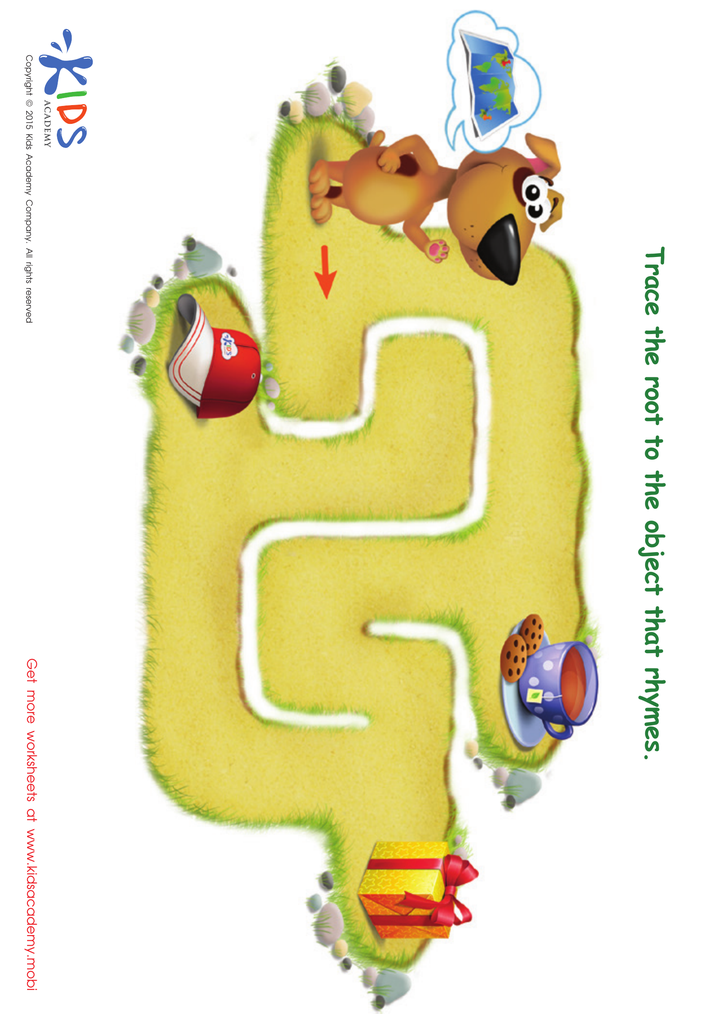
Map Rhyming Words Worksheet
Get them now and practice your skills while having fun playing. Find words that rhyme, trace the roots and enjoy the journey!
Map Rhyming Words Worksheet
Worksheet
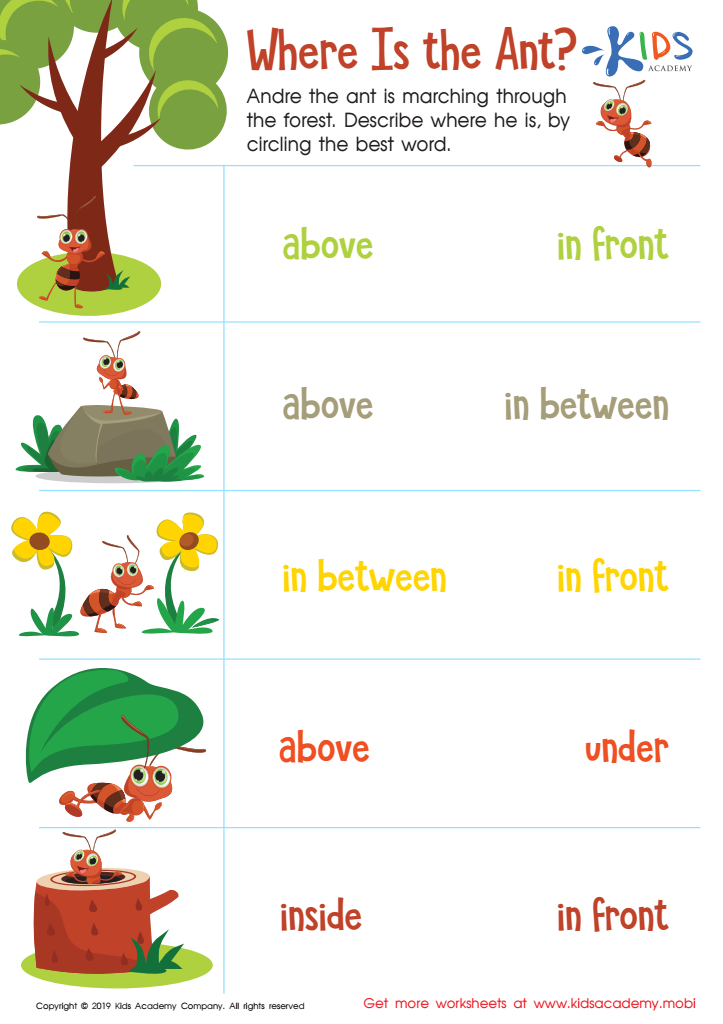
Where Is the Ant? Worksheet
Kids are captivated by ants. Andre is a busy ant, marching through the forest. Help your child circle the best word that best describes what he's doing in each picture. This colorful printout will show them the way.
 Assign to My Students
Where Is the Ant? Worksheet
Worksheet
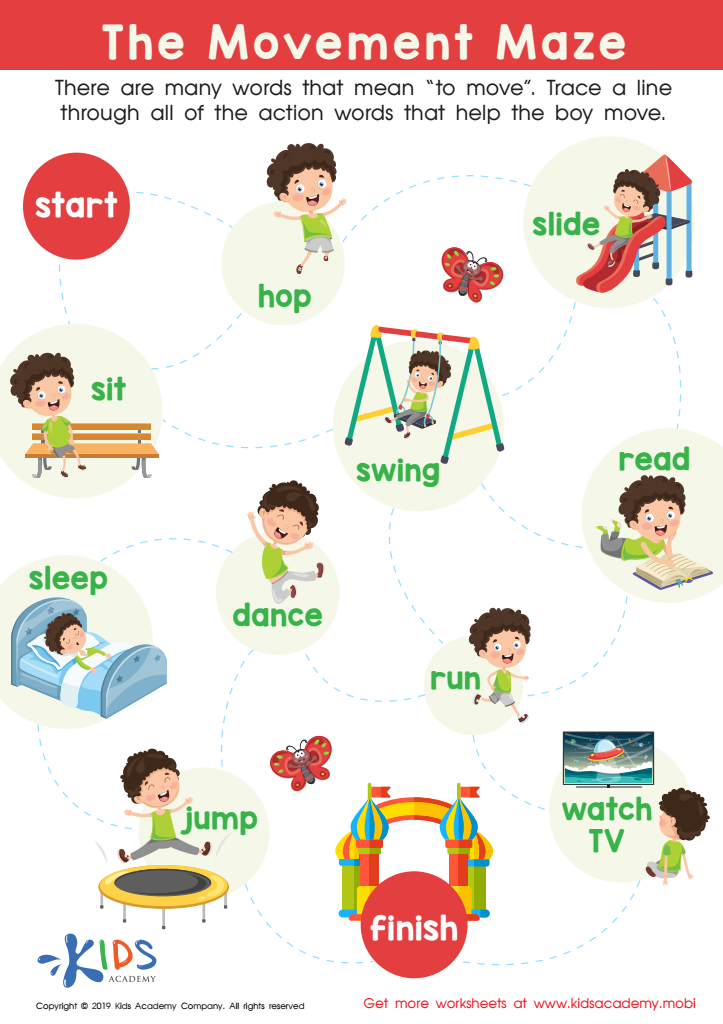
The Movement Maze Worksheet
Let your child have fun with this interactive PDF download. Kids will learn movement words with cute pictures, plus practice fine motor skills as they trace. A fun way to reinforce vocabulary. Jump, hop and sit – it's all here!
The Movement Maze Worksheet
Worksheet
Join Kids Academy for Free
Who is primarily going to use this learning content?


.jpg)





Understanding directions reading for ages 5-8 is crucial for young children's development and success. At this age, children are rapidly developing their cognitive, language, and comprehension skills. Learning to follow directions not only helps them complete tasks accurately but also enhances their listening and attention skills. When parents and teachers emphasize understanding directions, children become better listeners, which aids in all areas of learning, including reading and math.
In school, directions are a significant part of everyday activities, from simple tasks like lining up or putting away materials to more complex instructions in assignments and projects. Mastery in following directions fosters a more organized, disciplined, and efficient classroom environment, minimizing misunderstandings and classroom management issues.
For parents, encouraging children to follow directions at home can improve household routines and enhance children's independence and self-confidence. Engaging in activities that require understanding directions, such as cooking or playing games, strengthens children's ability to process information sequentially.
Moreover, reading and following directions enhances critical thinking and problem-solving skills. As children learn to interpret instructions correctly, they develop a skill set that is foundational for more advanced learning and everyday functioning. Prioritizing this aspect of development equips children with essential tools for academic achievement and life success.








