
Understanding patterns Reading Worksheets for Ages 5-8
8 filtered results
Difficulty Level
Grade
Age
-
From - To
Subject
Activity
Standards
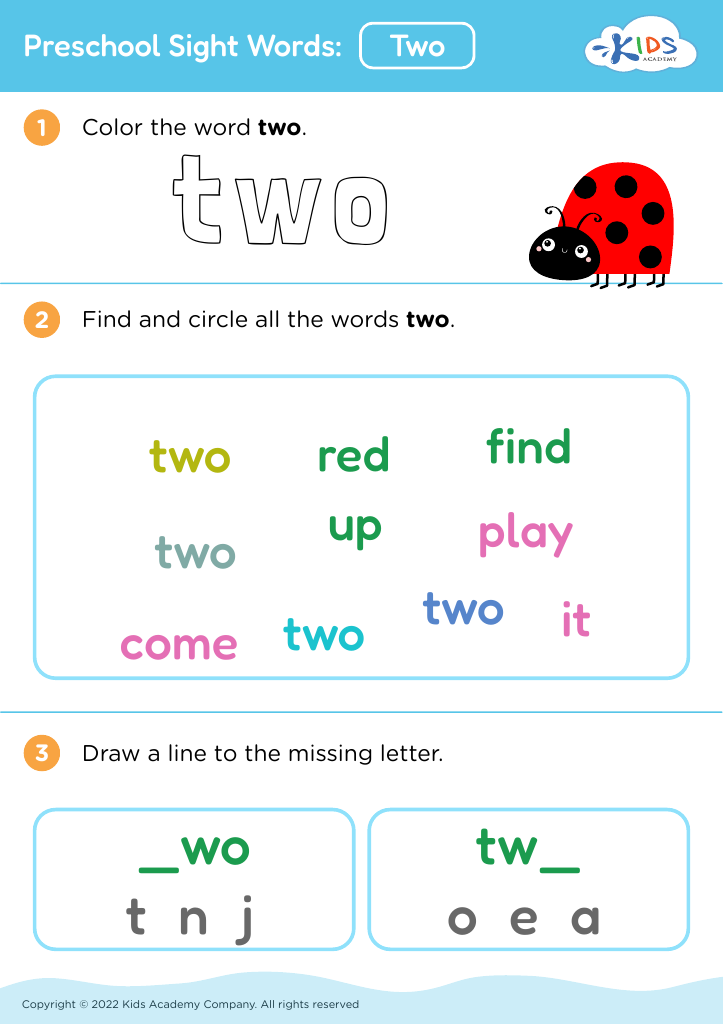
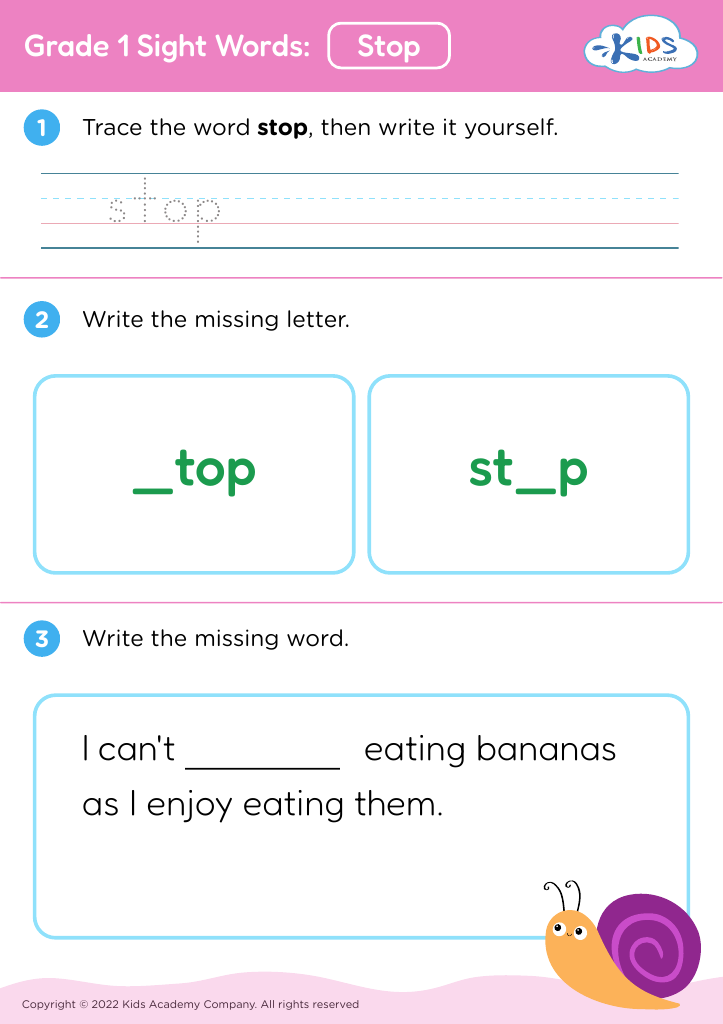
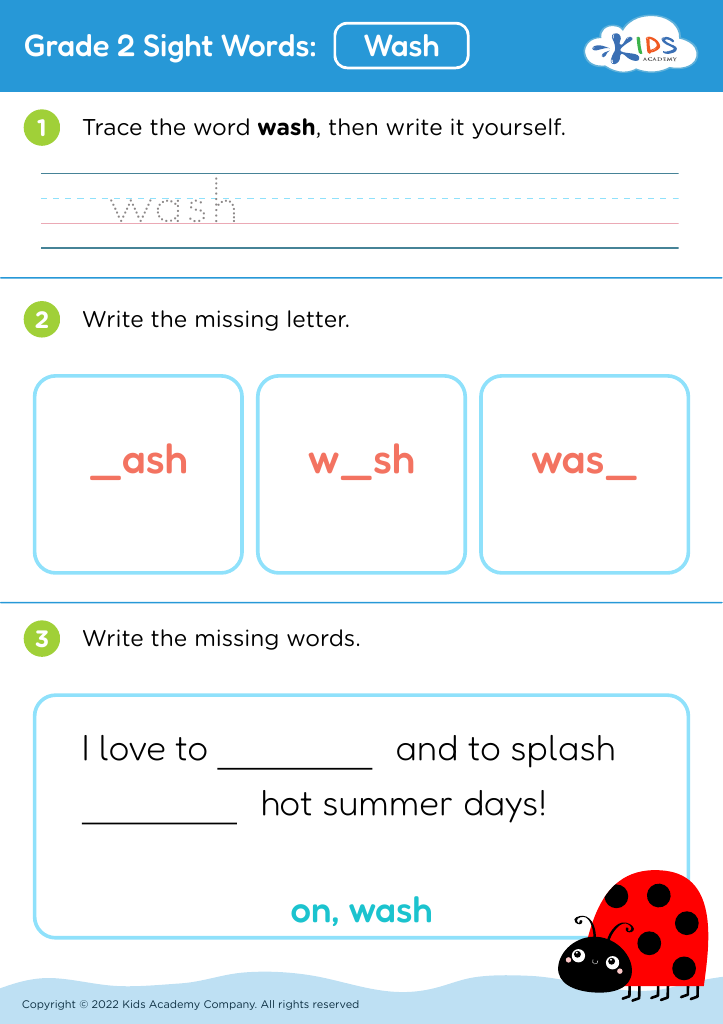
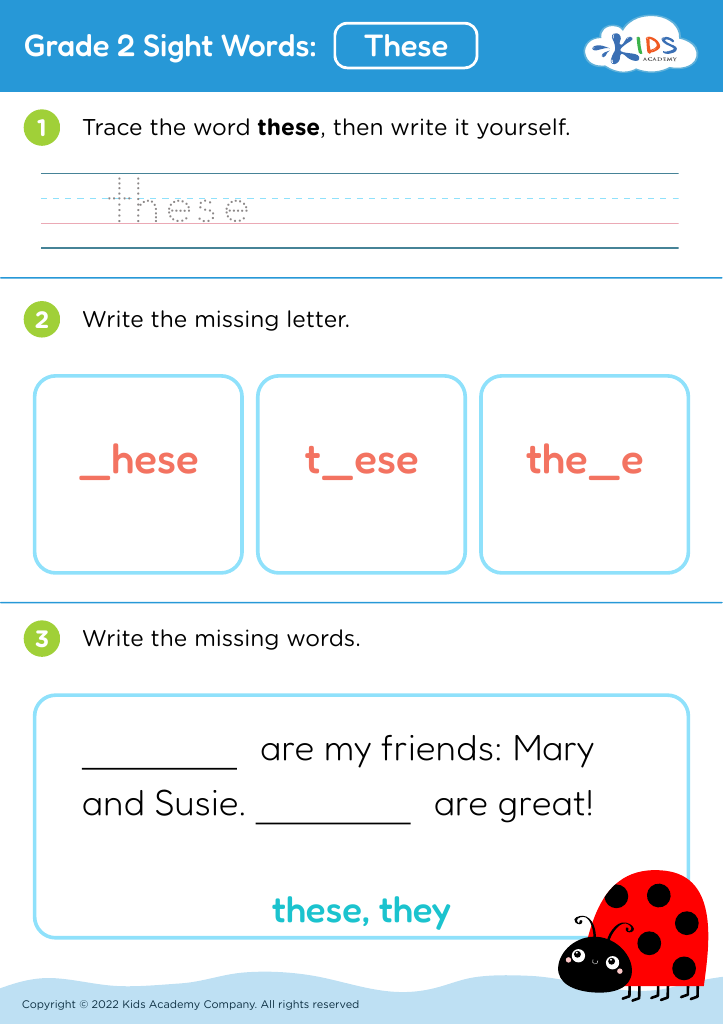
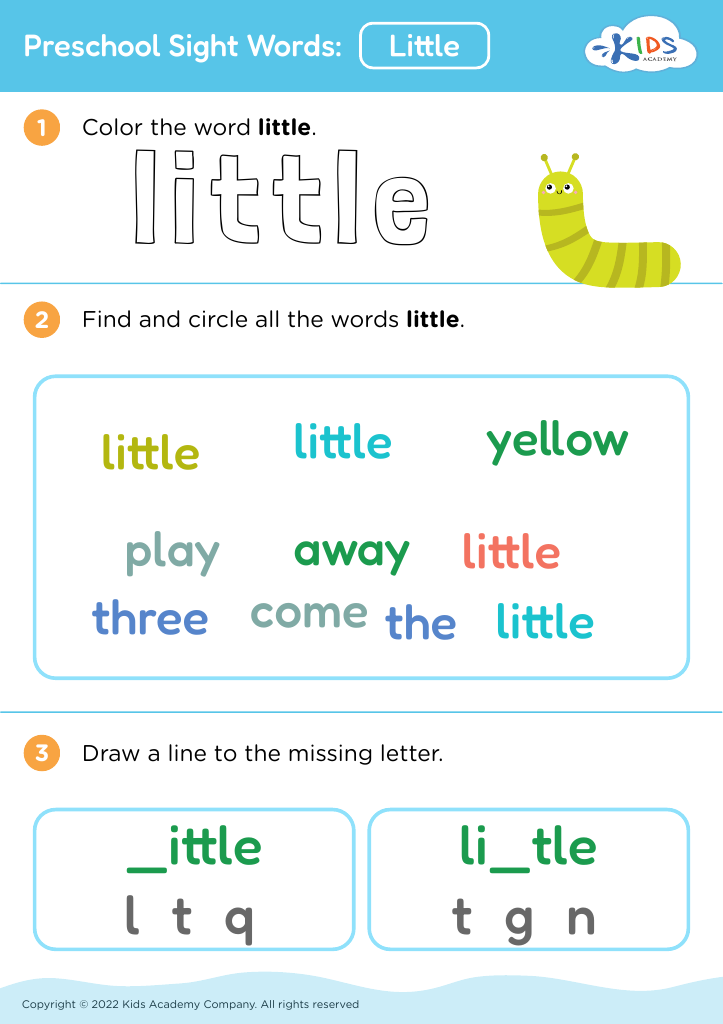
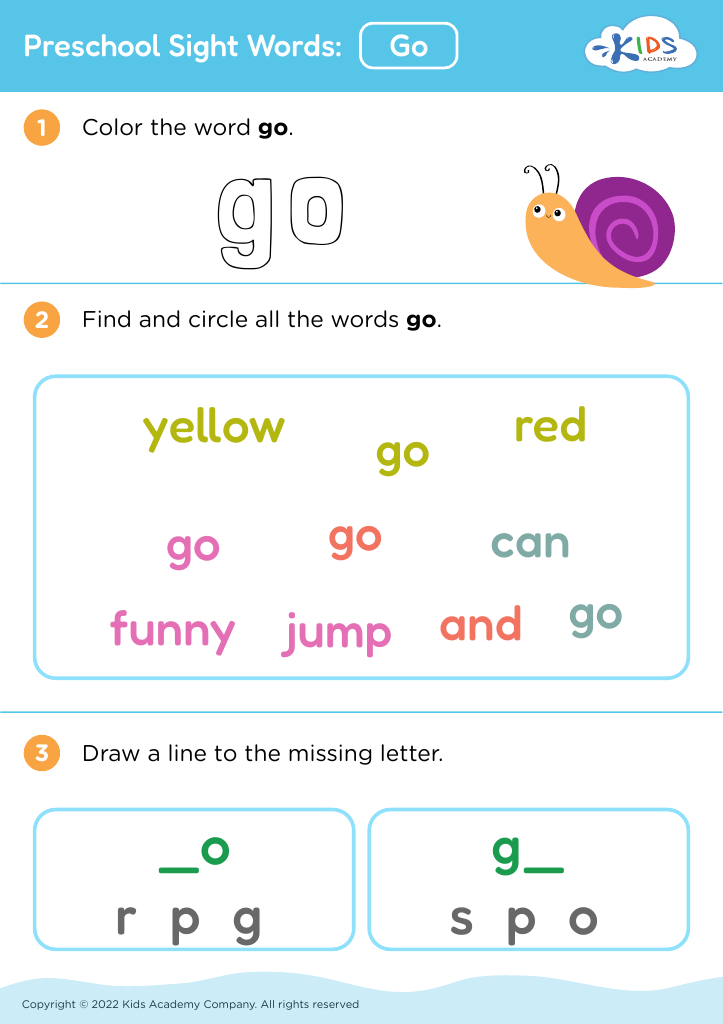
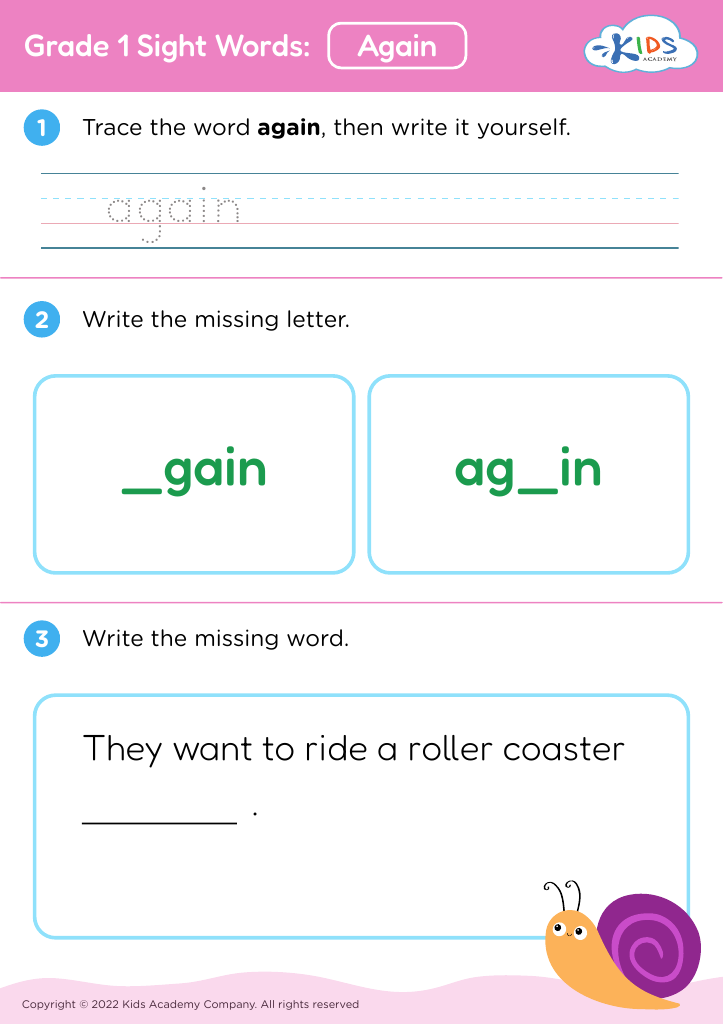
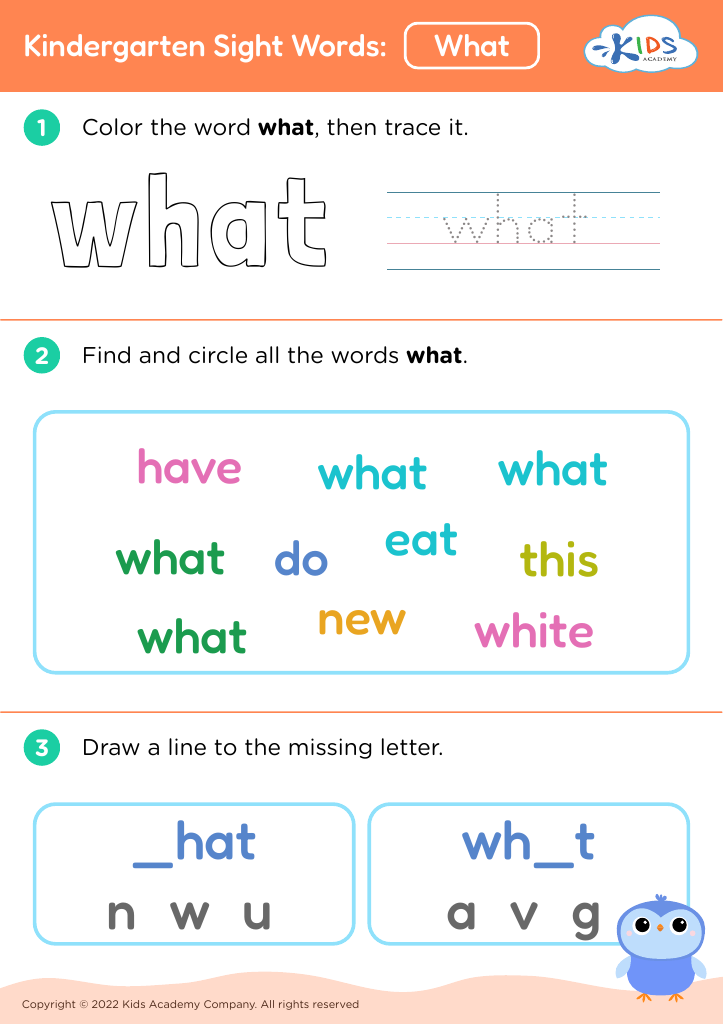
Unlock the world of reading with our "Understanding Patterns Reading Worksheets" designed specifically for children aged 5-8. These engaging worksheets help young learners recognize and comprehend patterns in texts, a foundational skill for reading fluency. With fun exercises that include identifying sequences, predicting outcomes, and recognizing similarities, kids develop critical thinking and analytical skills essential for their reading journey. Each worksheet is crafted to encourage participation and boost confidence in young readers while nurturing a love for learning. Explore our collection today and support your child's literacy development through playful and interactive learning experiences!
Favorites
With answer key
Interactive
Join Kids Academy for Free
Who is primarily going to use this learning content?








Understanding patterns in reading is crucial for children aged 5-8, as it lays the foundation for their literacy development and overall learning. At this stage, children are beginning to decipher text, identify letters and sounds, and make connections between words. Recognizing patterns helps them anticipate what comes next in stories, promotes fluency, and builds comprehension skills. When children notice familiar sequences or structures within texts, they gain confidence in their ability to read independently.
Moreover, understanding patterns is not limited to reading alone; it extends to mathematics and sciences, reinforcing critical thinking and problem-solving abilities. Parents and teachers who emphasize this skill can create a holistic learning environment where children learn to see relationships and draw conclusions from their experiences. By engaging in activities that highlight patterns—such as rhymes in poetry or repetitive phrases in stories—children enhance their memory and retention, making reading more enjoyable.
Ultimately, nurturing pattern recognition in early readers sets them up for academic success and a lifelong love of learning. Investing in this skill not only supports literacy but also equips children with valuable cognitive tools that they will carry into their future education.








