Analytical thinking Reading Comprehension Worksheets for Ages 5-8
7 filtered results
-
From - To
Enhance your child's reading skills with our Analytical Thinking Reading Comprehension Worksheets, designed specifically for ages 5-8. These engaging worksheets foster critical thinking through fun and interactive exercises that promote deeper understanding of texts. Children will explore narratives, answer thought-provoking questions, and cultivate the ability to analyze information effectively. Our resources align with educational standards, making them perfect for teachers and parents alike. Boost your child’s confidence in reading comprehension and analytical skills while ensuring a delightful learning experience. Discover the joy of learning as your little ones develop essential thinking skills that will benefit them for a lifetime!
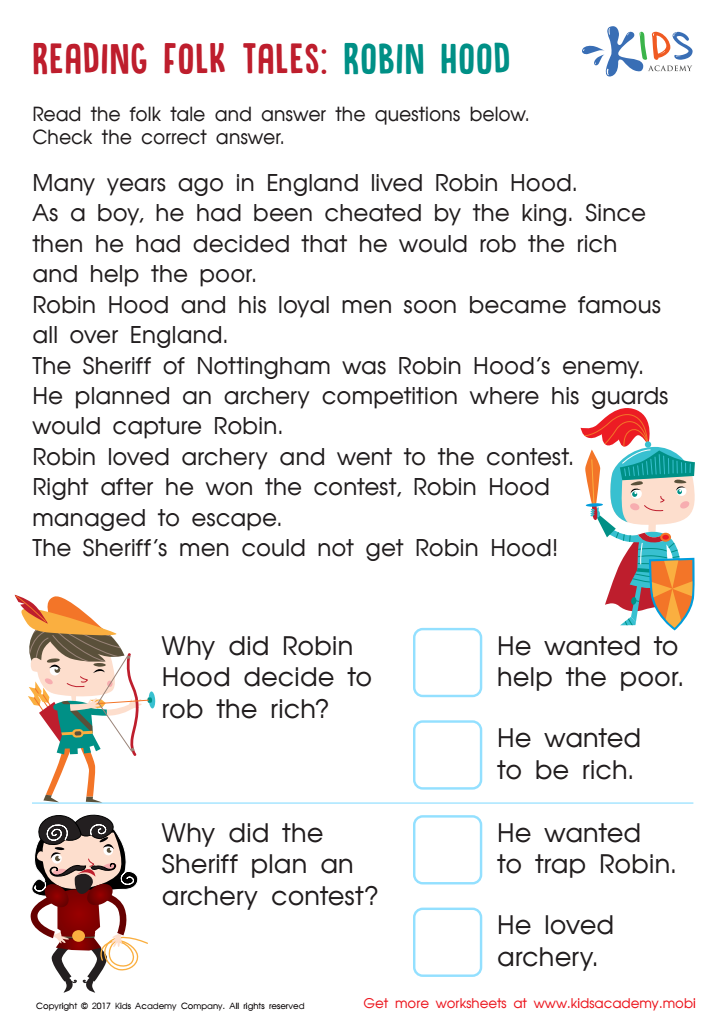
Robin Hood Folktale Worksheet
 Assign to My Students
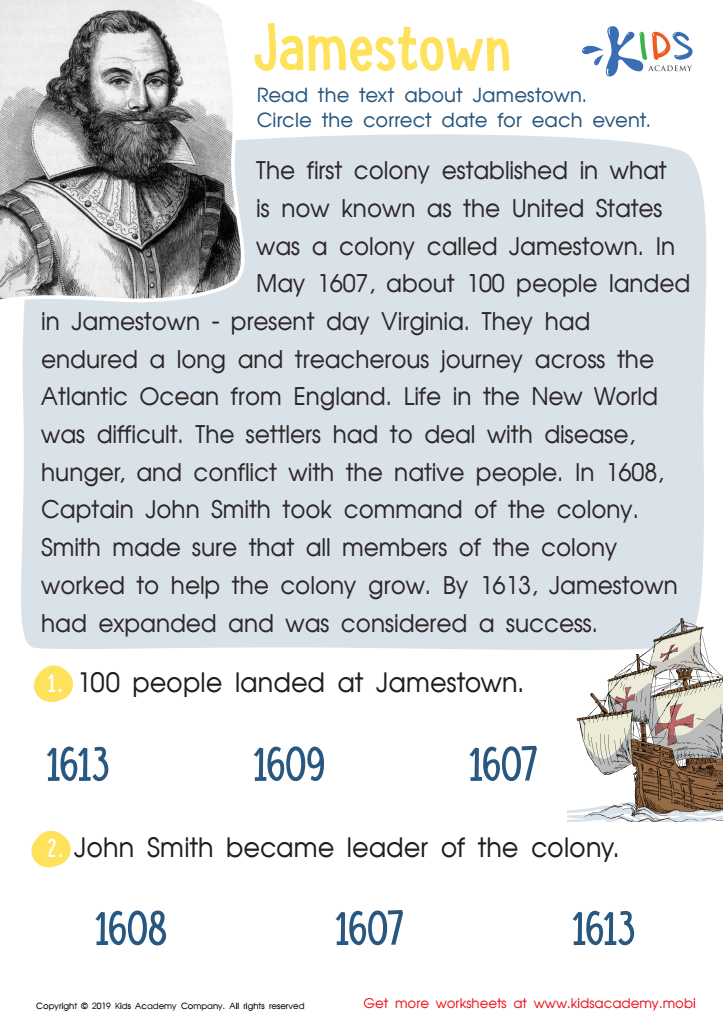
Jamestown Worksheet
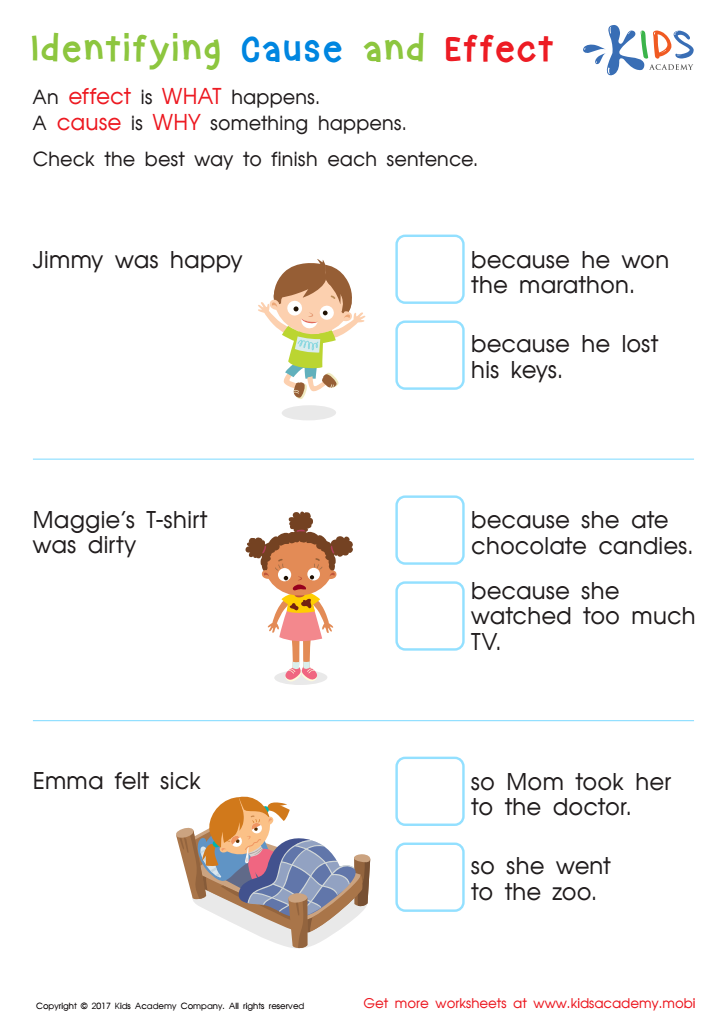
Indentifying Cause and Effect Worksheet
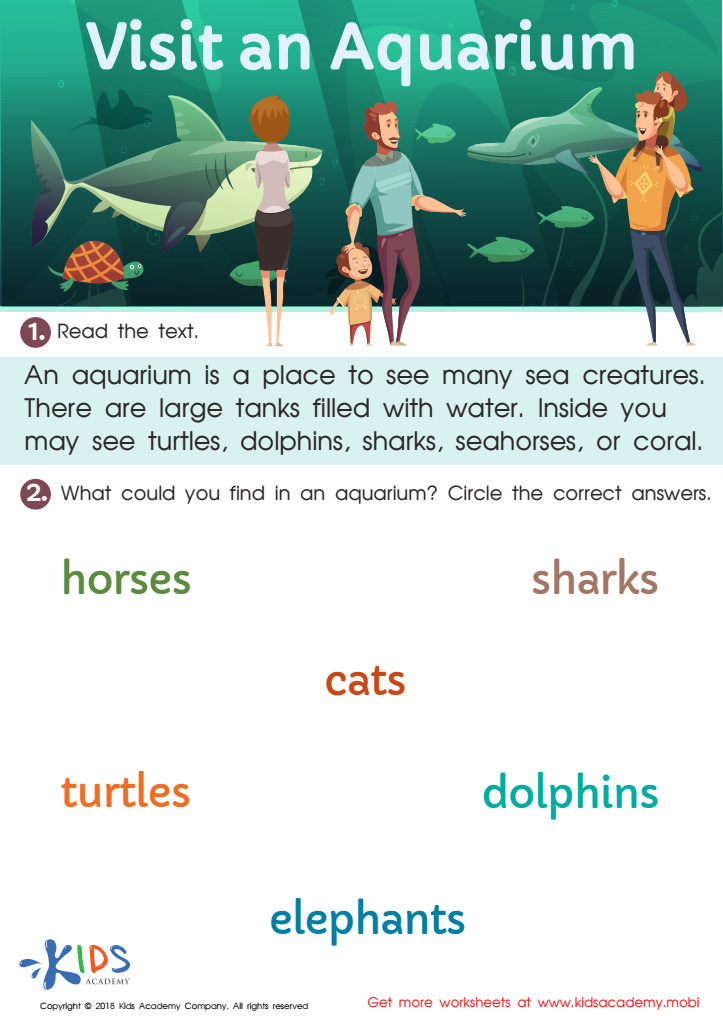
Visit an Aquarium Worksheet
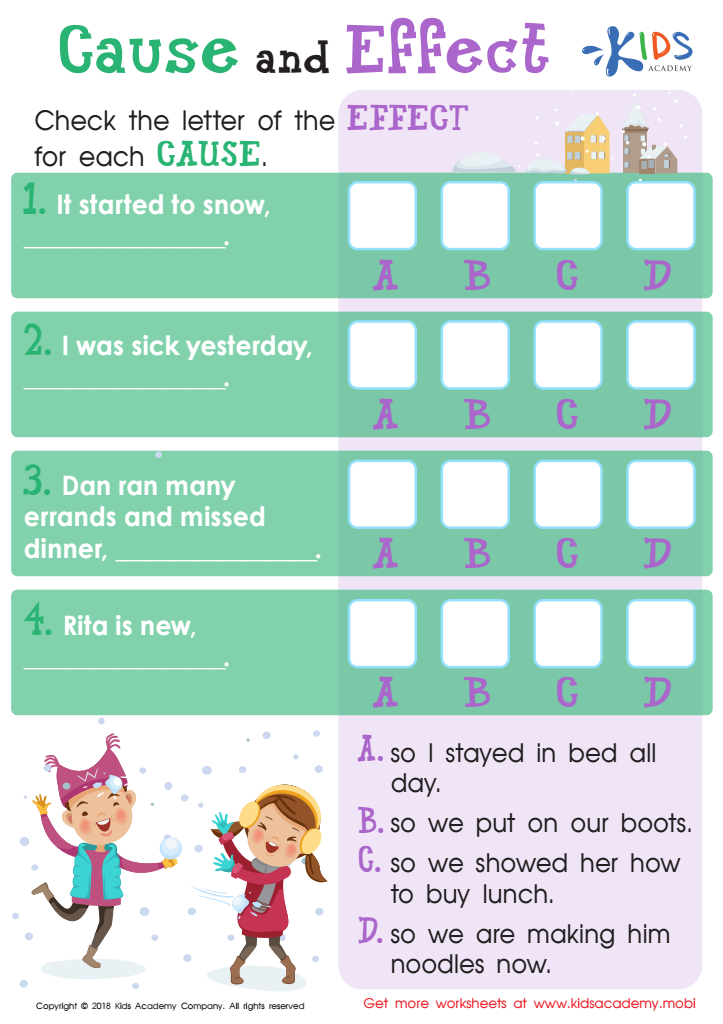
Cause and Effect Worksheet
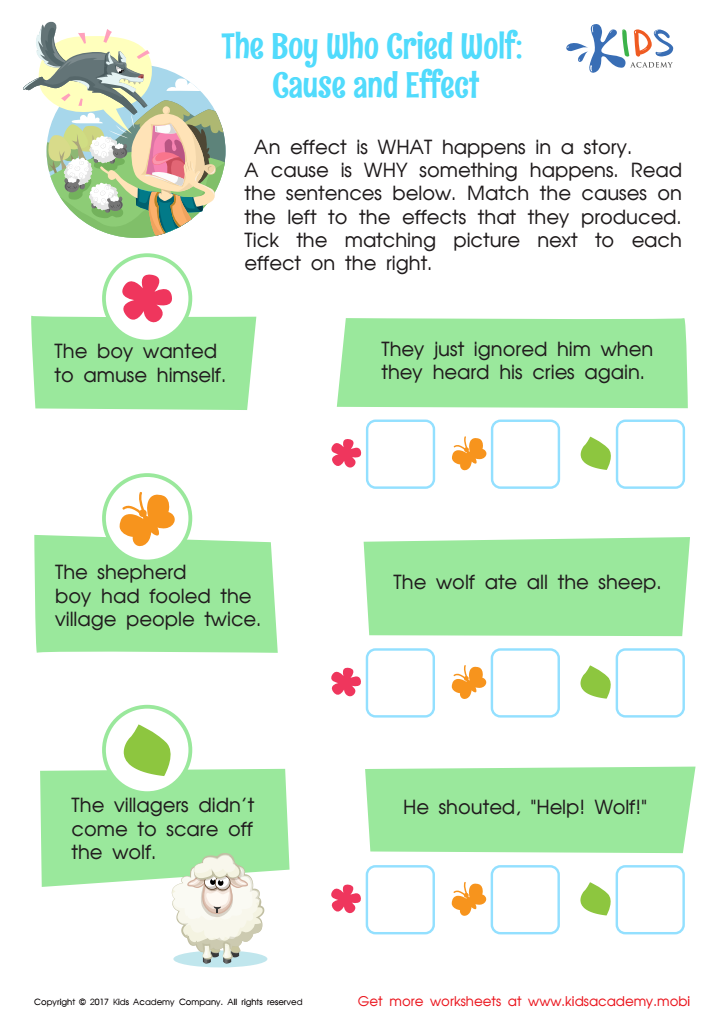
The Boy Who Cried Wolf: Cause and Effect Worksheet
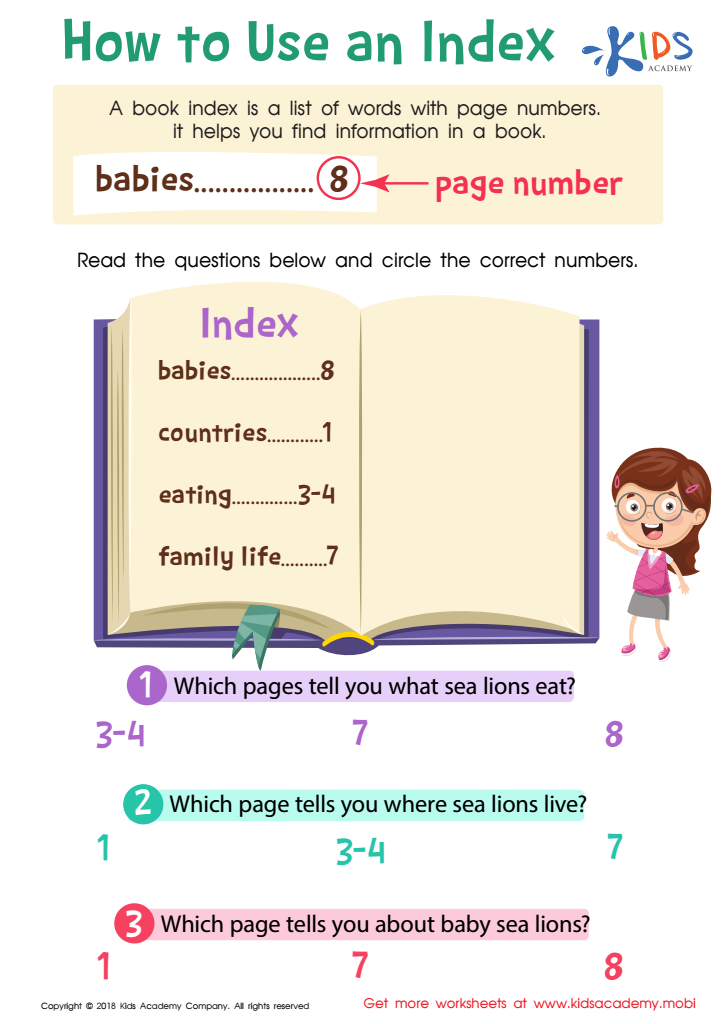
How Use Index Worksheet







Analytical thinking and reading comprehension are essential skills for children aged 5-8, serving as a foundation for academic success and lifelong learning. Parents and teachers should prioritize these skills because they encourage critical thinking and active engagement with texts. When children learn to analyze stories, identify themes, and make connections, they develop a deeper understanding of language and content, enhancing their ability to decode information.
Moreover, analytical thinking nurtures curiosity and problem-solving abilities. Students learn to ask questions, evaluate information, and draw logical conclusions, which are invaluable skills in today’s information-rich world. Equipping children with strong comprehension strategies helps them navigate complex materials as they progress through school and beyond.
Furthermore, cultivating these skills at a young age supports emotional and social development. Discussions around texts foster communication skills and empathy, as children learn to consider different viewpoints and express their thoughts articulately.
Ultimately, when parents and teachers emphasize analytical thinking and reading comprehension, they empower children to become confident, independent learners who can thrive academically and socially. By instilling these essential skills early on, we lay the groundwork for future educational and personal success.








