Letter recognition Reading Comprehension Worksheets for Ages 5-8
3 filtered results
-
From - To
Unlock the world of reading for your child with our Letter Recognition Reading Comprehension Worksheets designed for ages 5-8. These engaging and educational worksheets provide a strong foundation in identifying letters, understanding their sounds, and forming words. Perfect for early readers, our activities promote phonemic awareness, enhance vocabulary, and boost comprehension skills through fun exercises and colorful illustrations. With a range of difficulty levels, these worksheets cater to individual learning paces, ensuring that every child builds confidence and a love for reading. Foster your child's literacy journey today with our expertly crafted resources!
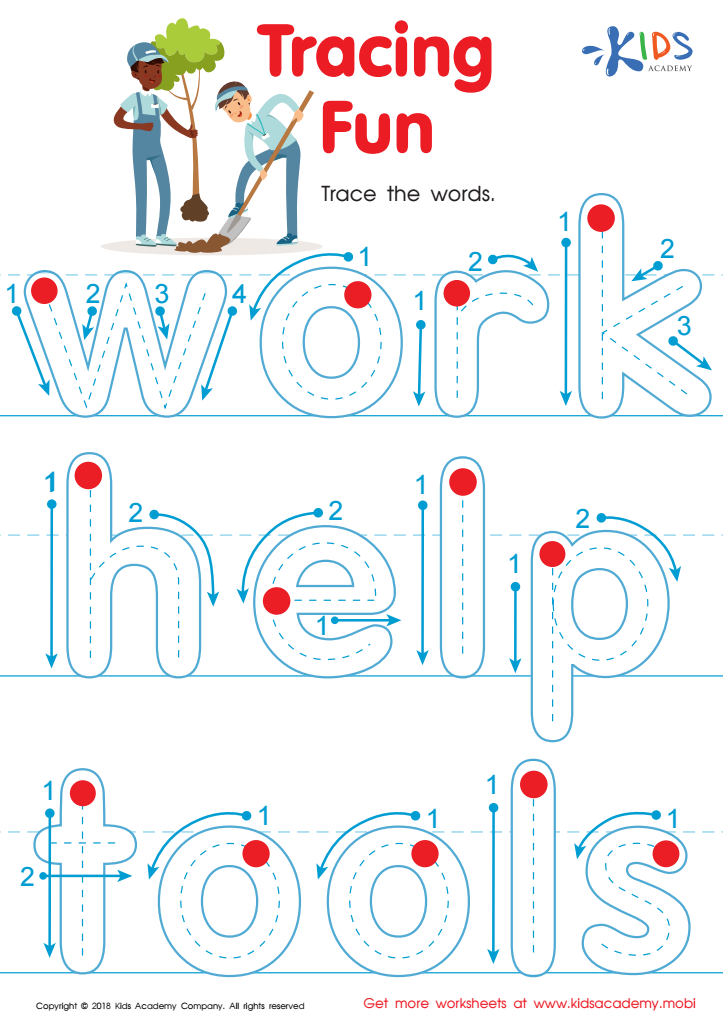
Tracing Fun Worksheet
 Assign to My Students
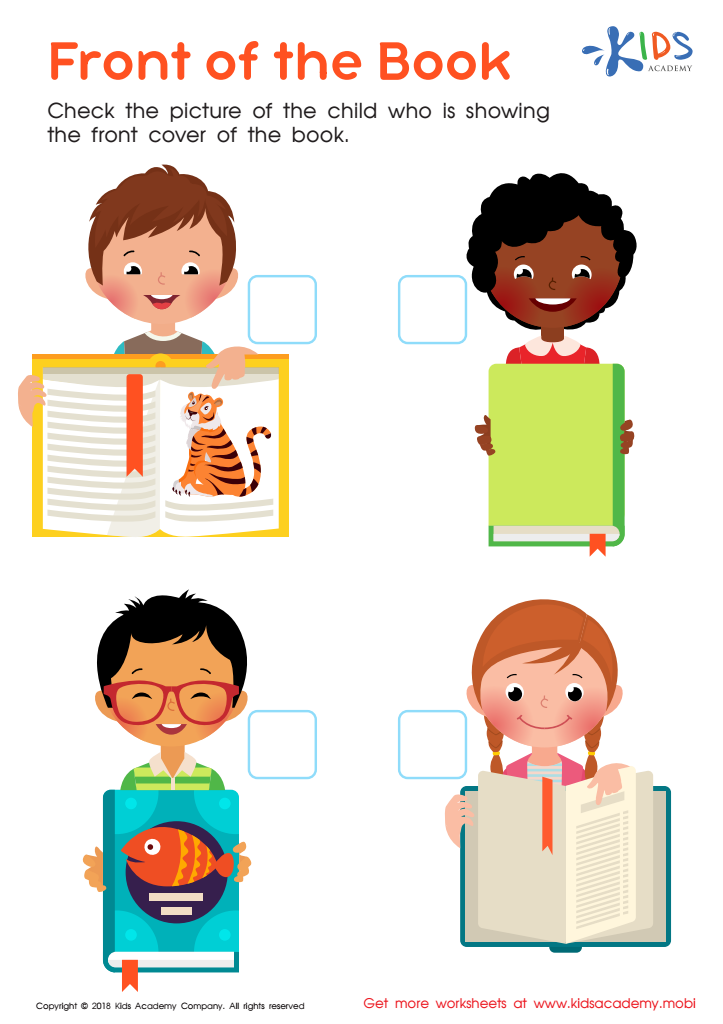
Front of the Book Worksheet
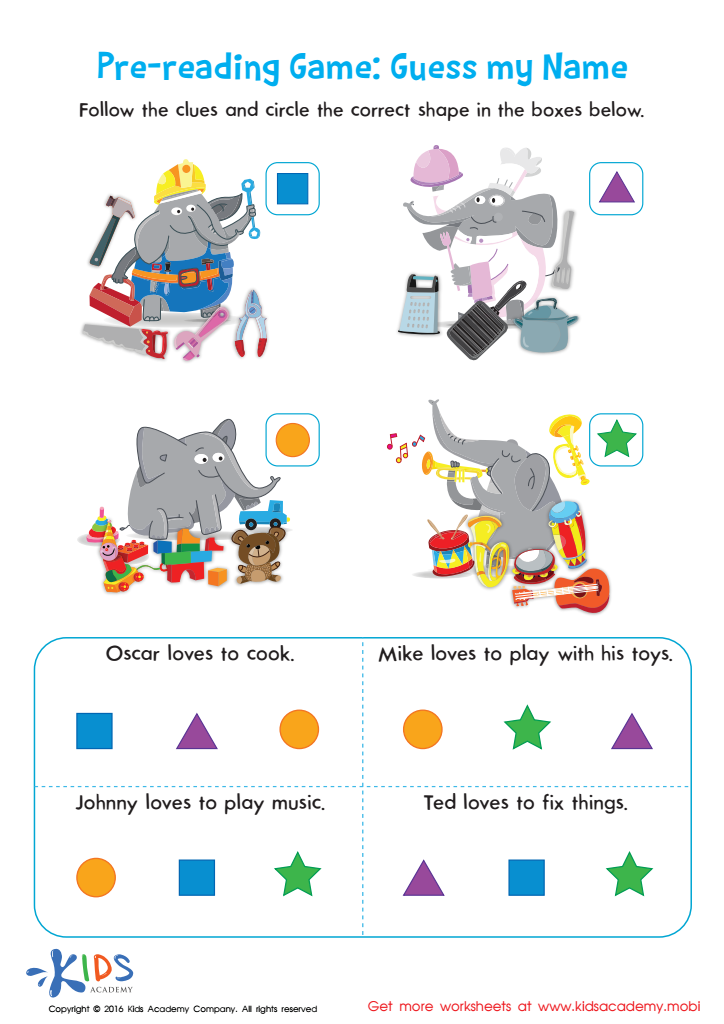
Pre Reading Worksheet Guess My Name








Letter recognition and reading comprehension are foundational skills for children ages 5-8, marks the early stages of literacy development. It's vital for parents and teachers to prioritize these skills for several reasons.
Letter recognition is the ability to identify letters in the alphabet, a crucial step in learning to read and write. By recognizing letters and understanding their associated sounds, children can start forming the building blocks of words. Early proficiency in this area sets the stage for more advanced literacy skills, such as reading fluency and spelling. With strong letter recognition, kids are less likely to face challenges with word decoding as they progress in their education.
Reading comprehension, the ability to understand and derive meaning from text, allows children to engage with and enjoy stories, improves personal knowledge, and helps develop problem-solving skills. Being able to comprehend what they read enhances children's academic performance because it underpins learning in all subjects, from understanding math problems to grasping scientific concepts.
These early literacy skills are indicators of future academic success. Cultivating a robust foundation in letter recognition and reading comprehension sets children up for a lifetime of learning and achievement, thereby not only supporting their immediate educational needs but their overall cognitive and emotional development as well. Parents and teachers play a critical role in nurturing these skills through interactive reading, phonics exercises, and engaging literacy activities.








