Reading comprehension Reading Non-Fiction Worksheets for Ages 5-8 - Page 2
43 filtered results
-
From - To
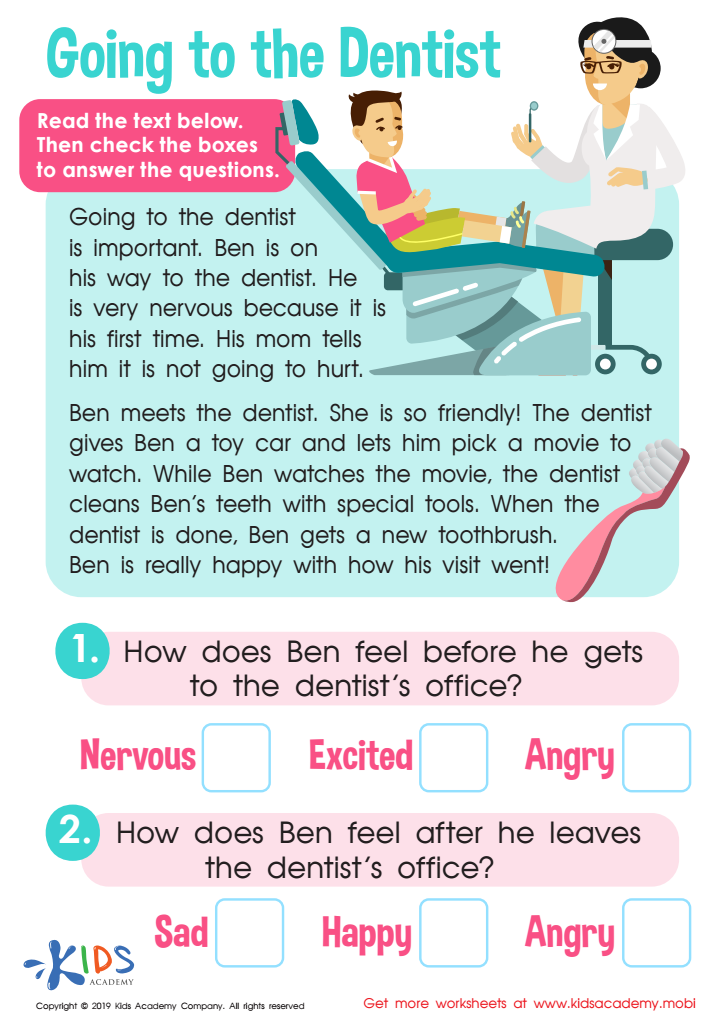
Going to the Dentist Worksheet
 Assign to My Students
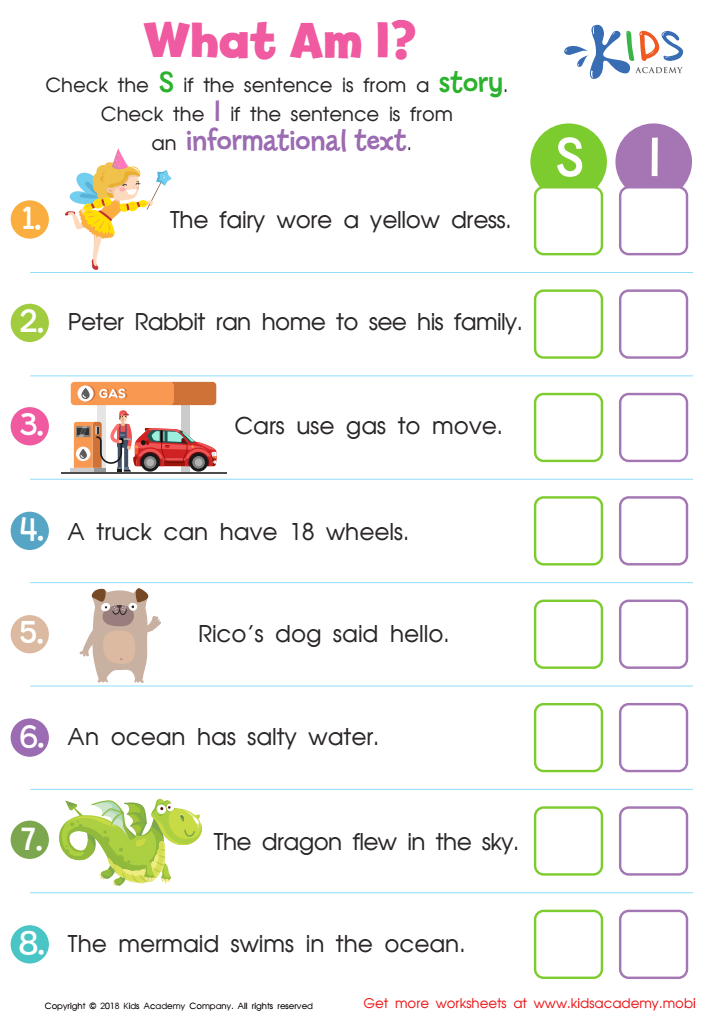
What Am I? Worksheet
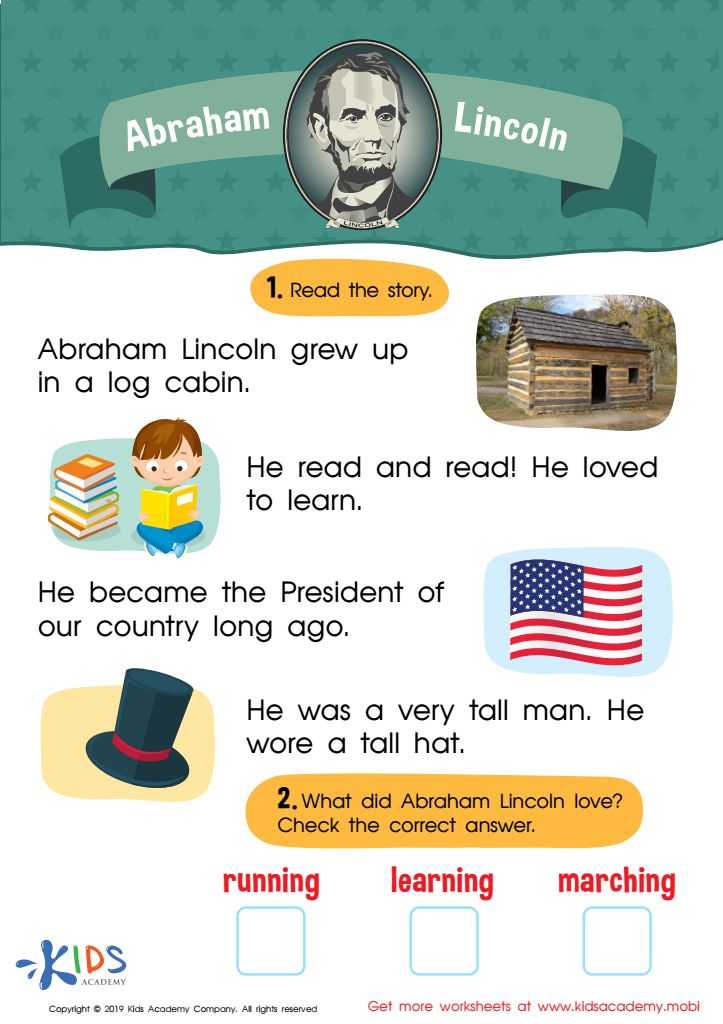
Abraham Lincoln Worksheet
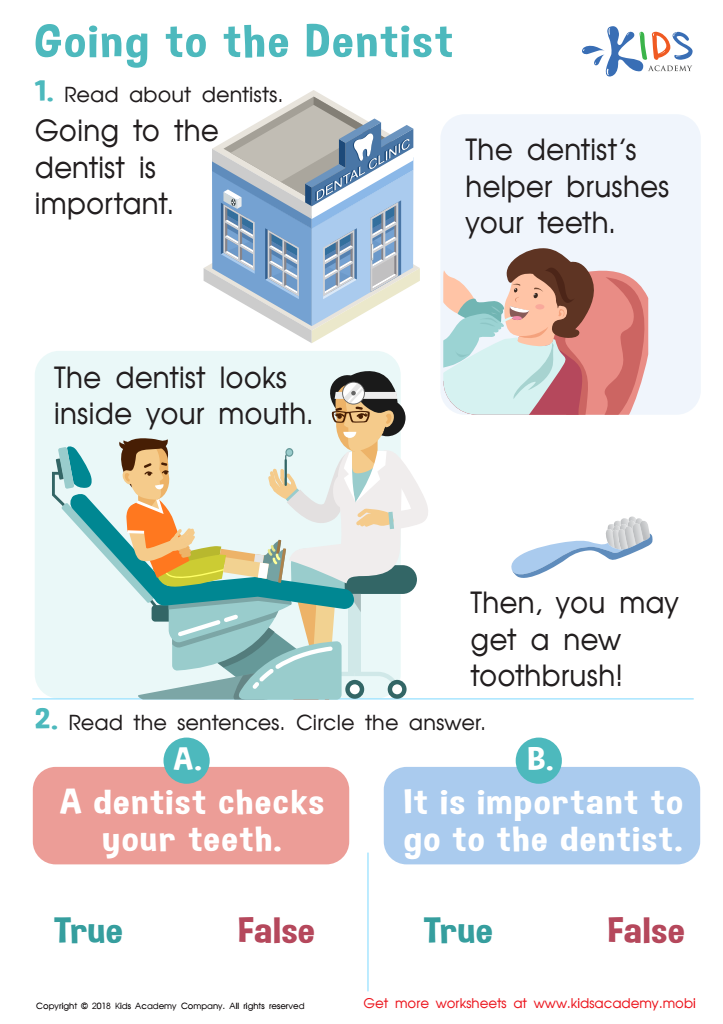
Going to the Dentist Part 2 Worksheet
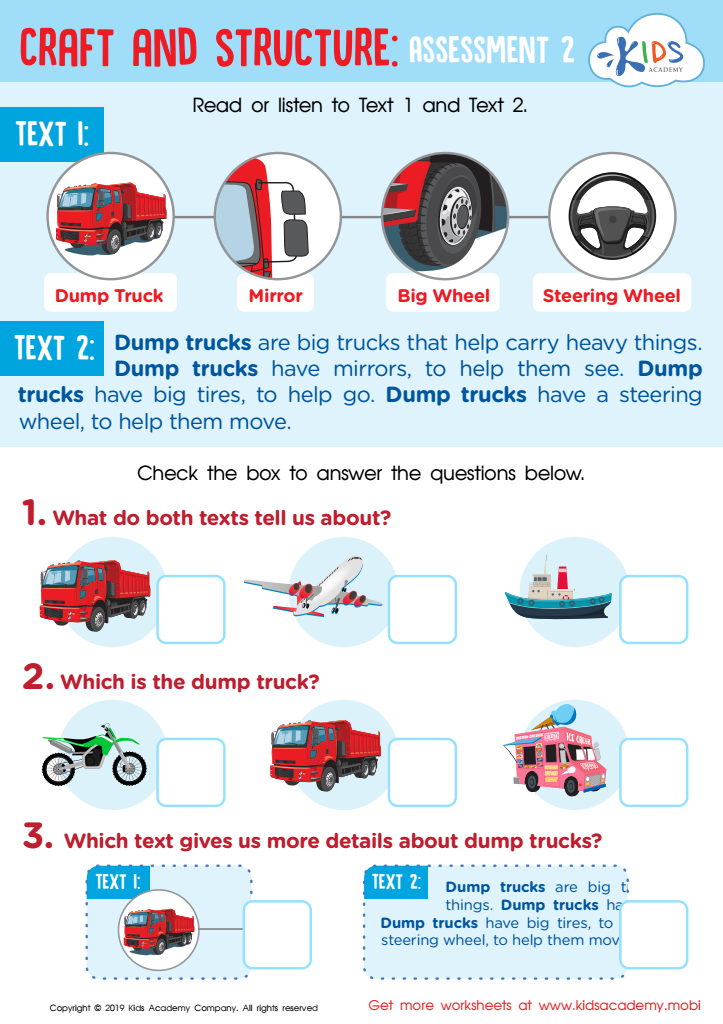
Craft and Structure: Assessment 2 Worksheet
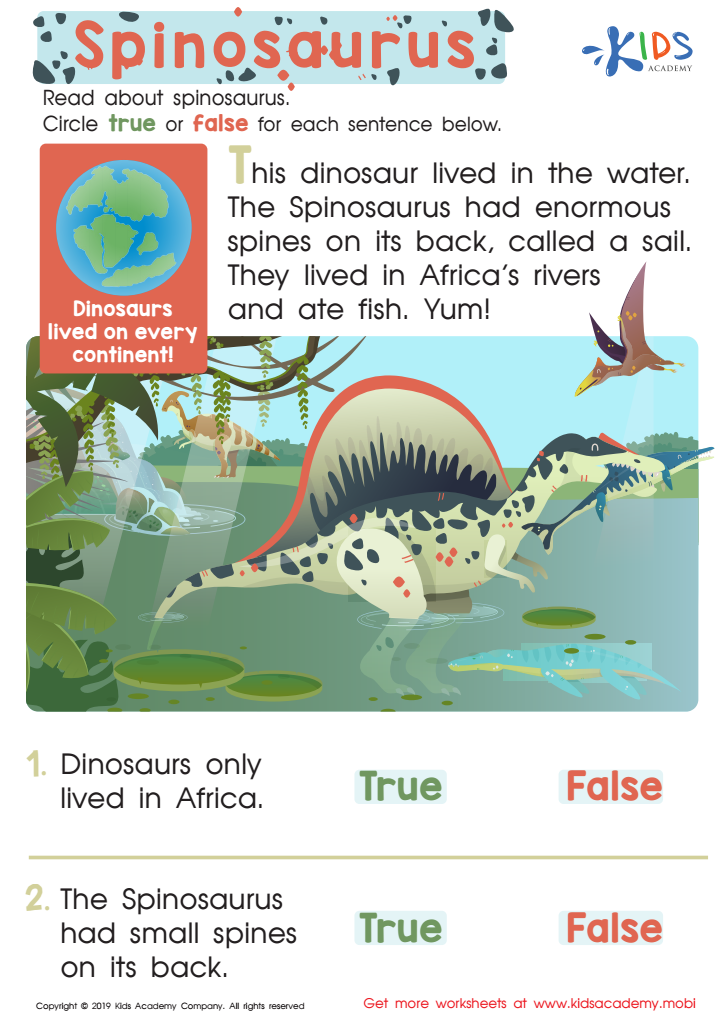
Spinosaurus Assessment Worksheet
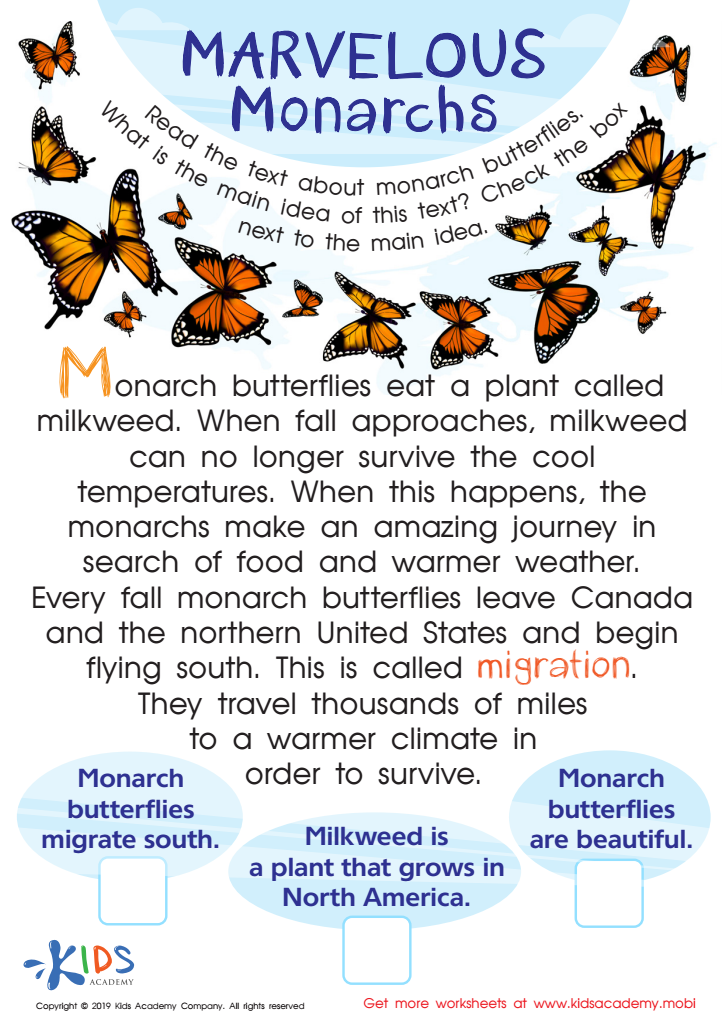
Marvelous Monarchs Worksheet
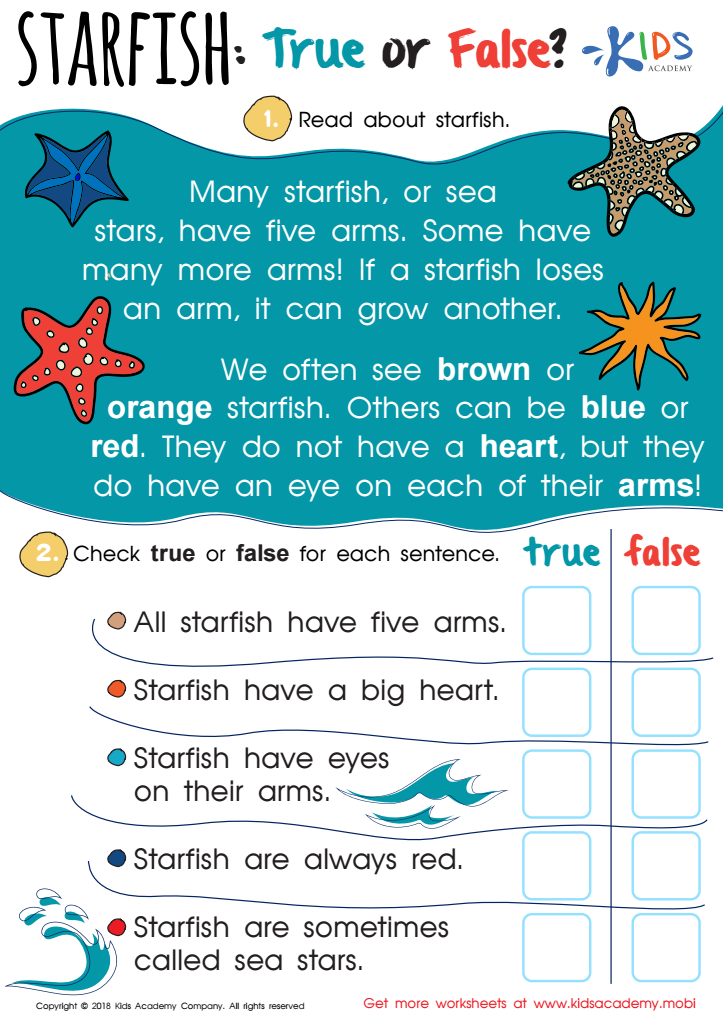
Starfish: True or False Worksheet
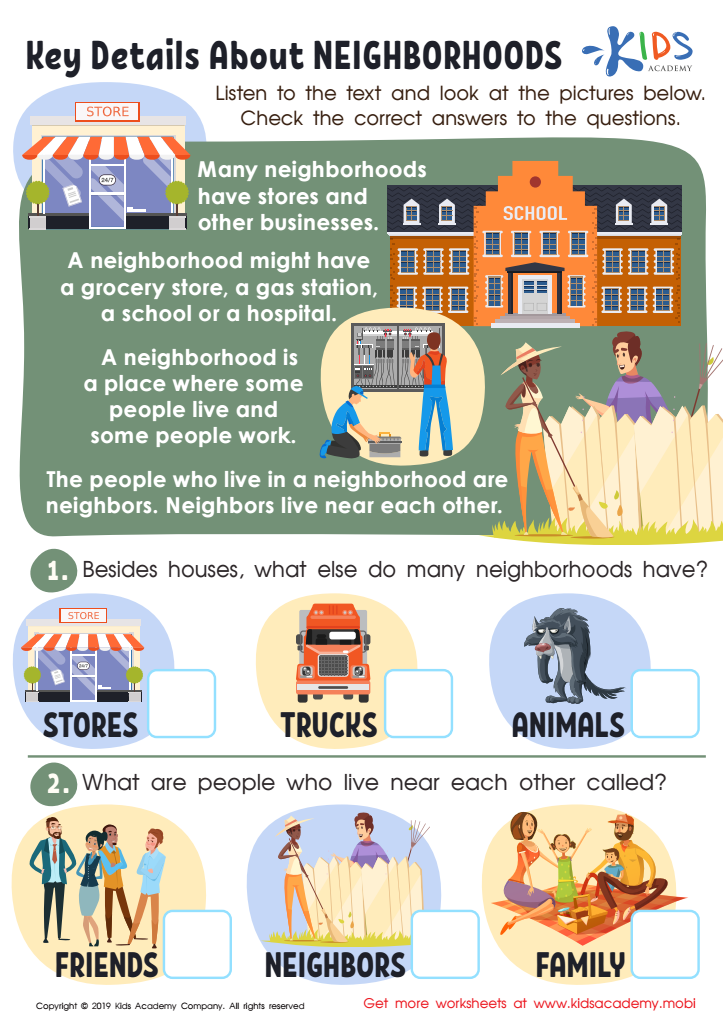
Key Details Neighborhoods Worksheet
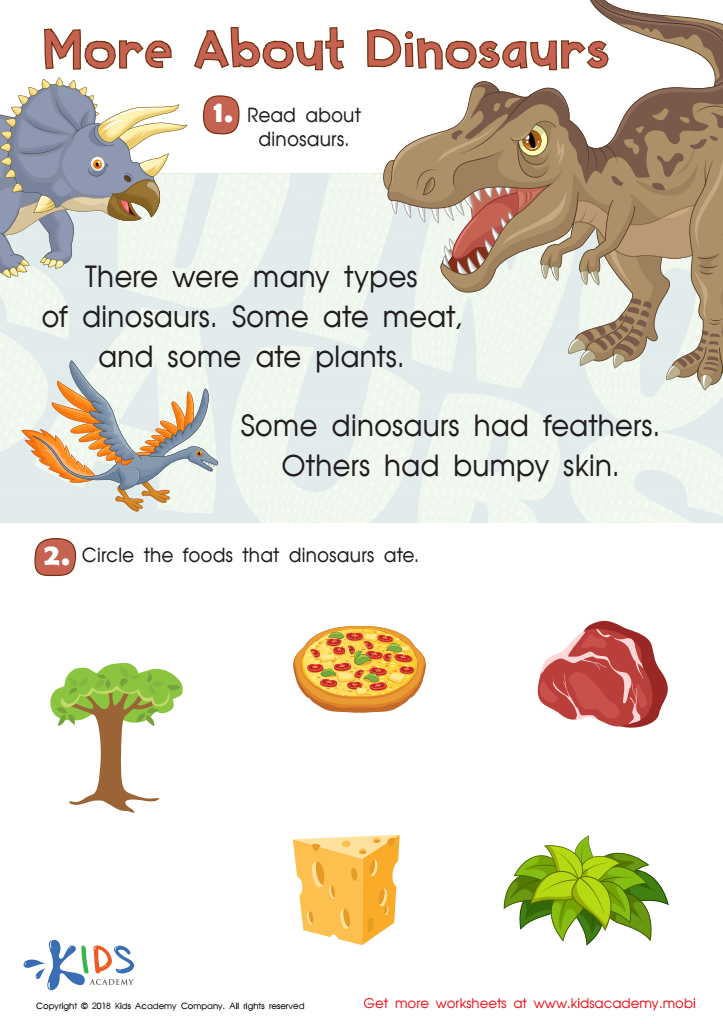
More About Dinosaurs Worksheet
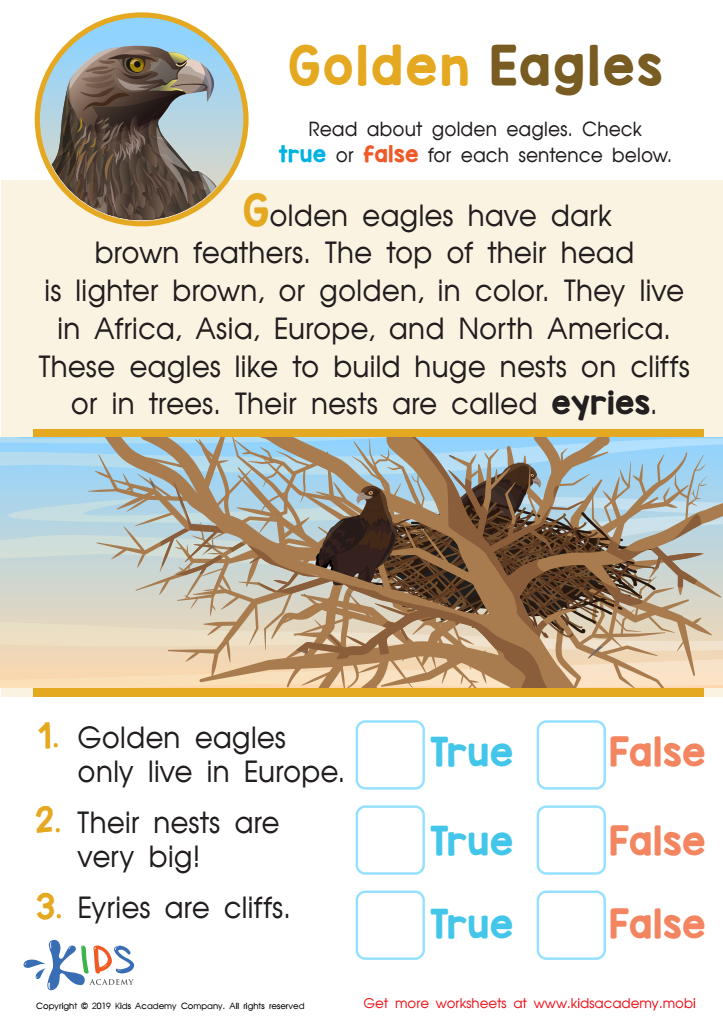
Golden Eagles Worksheet
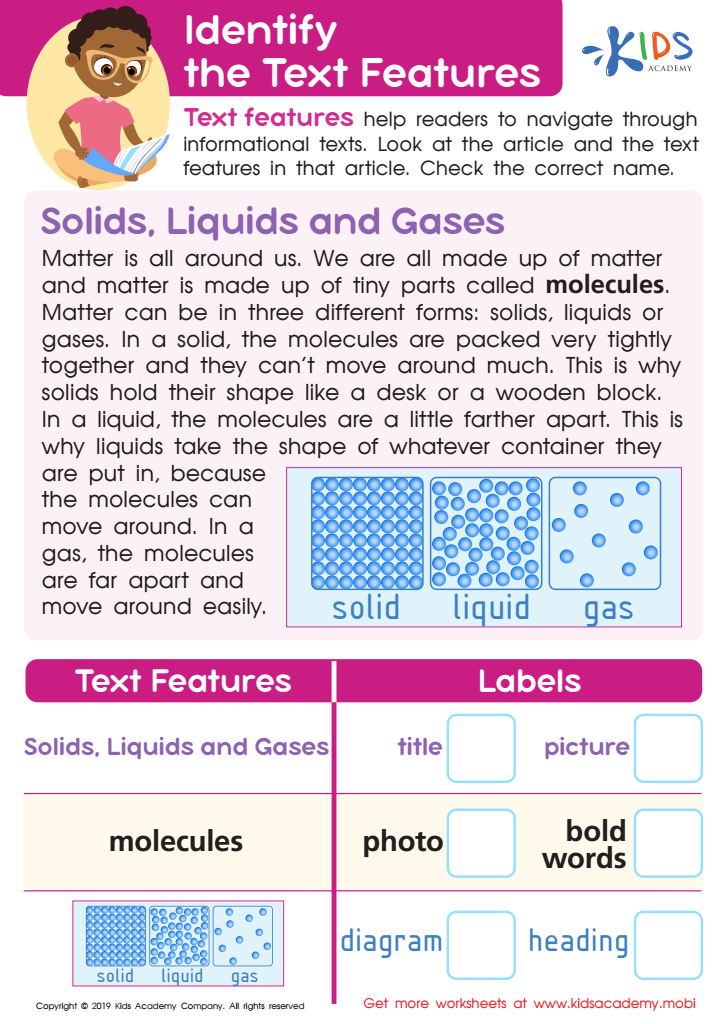
Identify the Text Features Worksheet
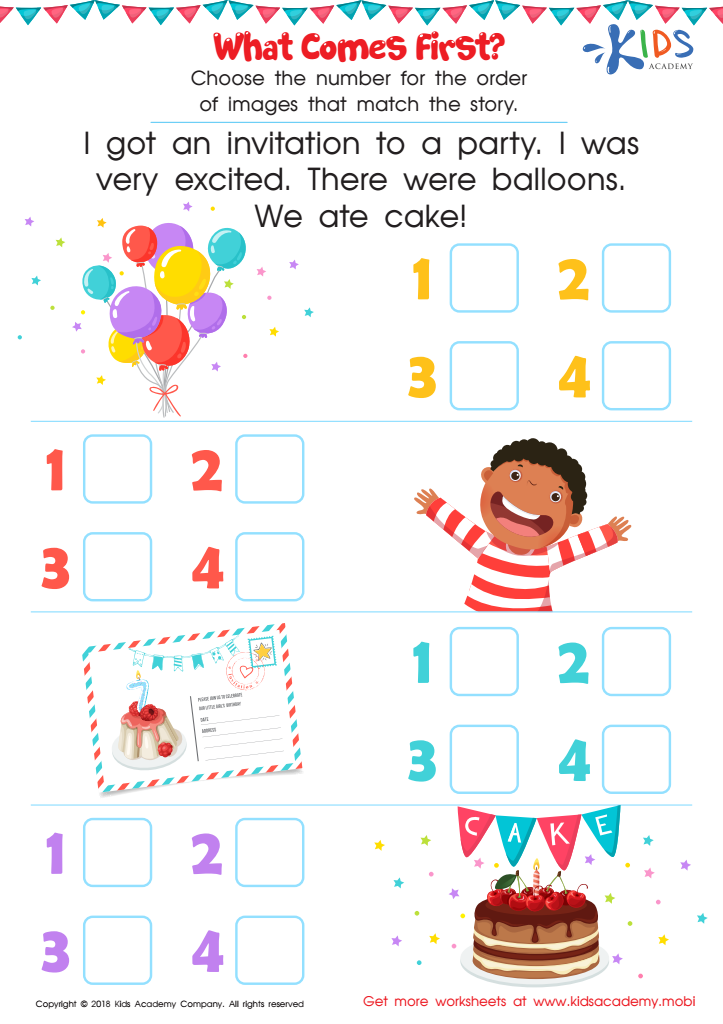
What Comes First Worksheet
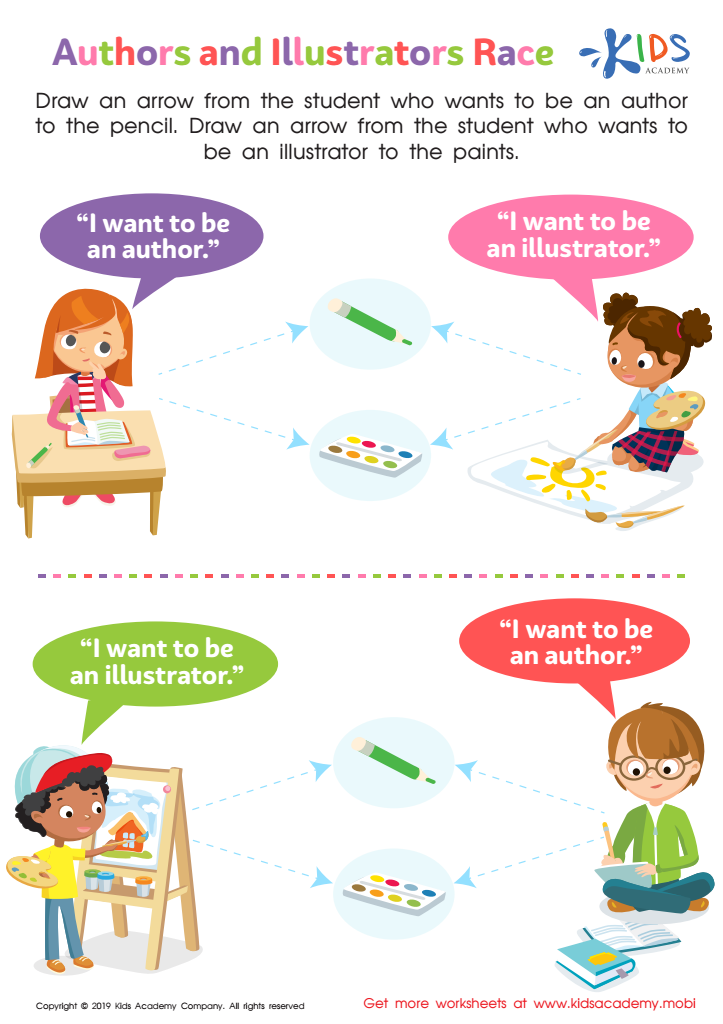
Authors and Illustrators Race Worksheet
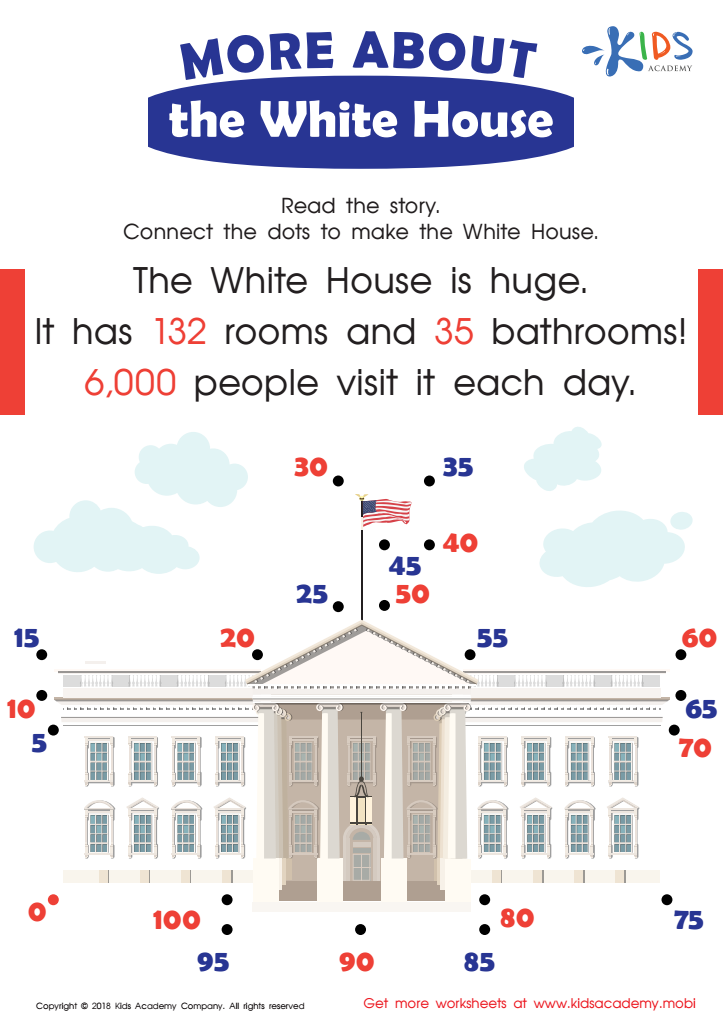
More About the White House Worksheet
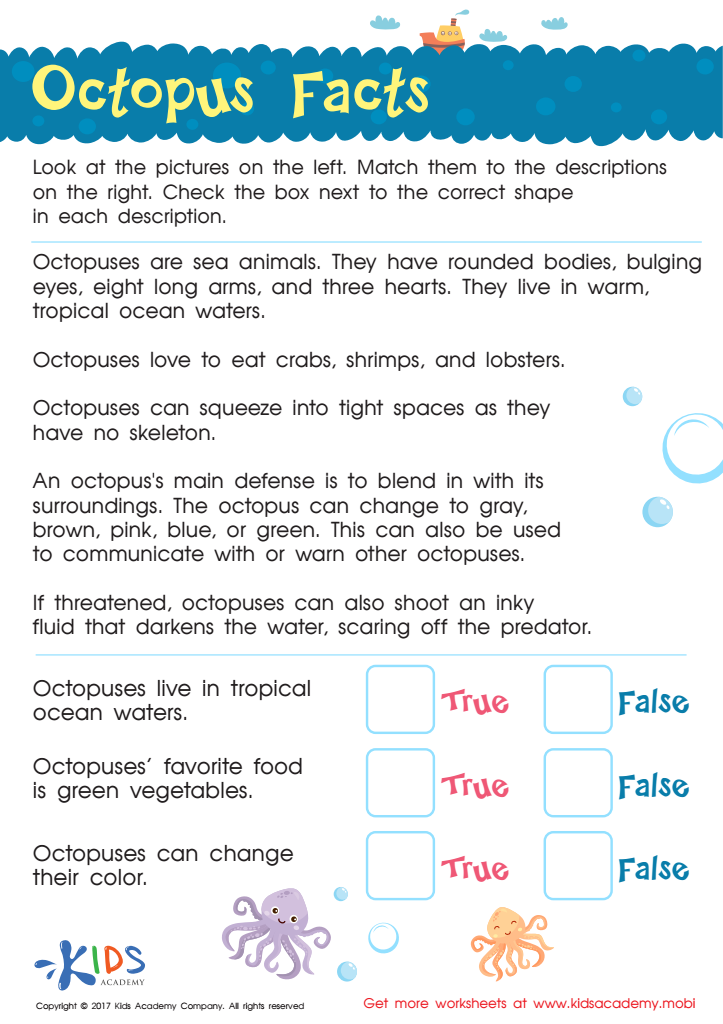
Octopus Facts Worksheet For Kids
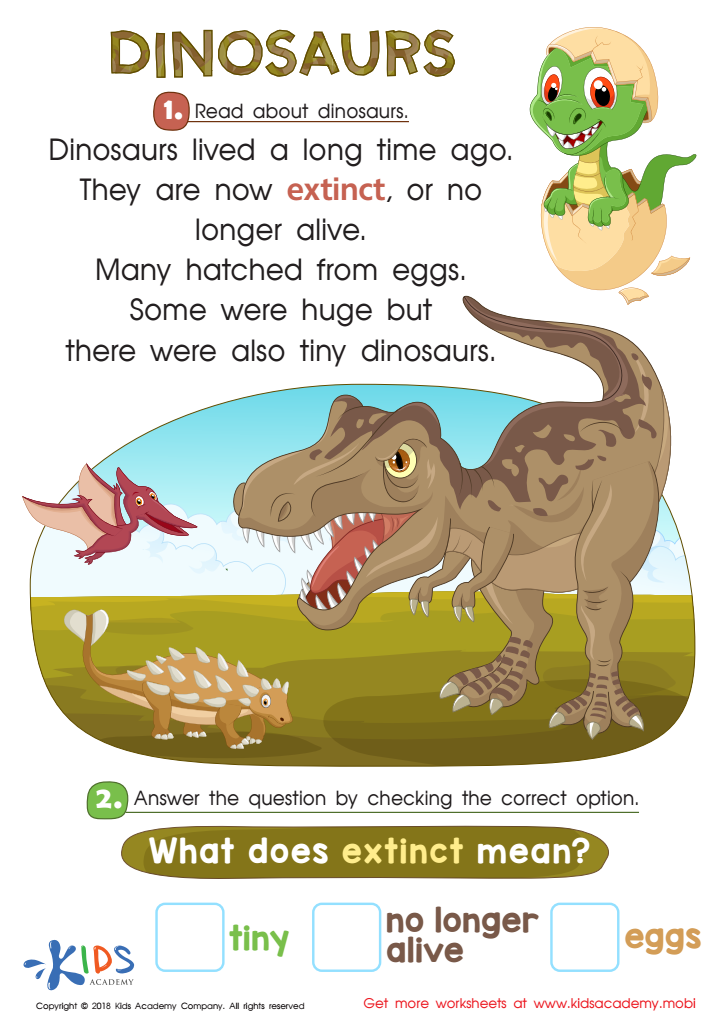
Dinosaurs Worksheet
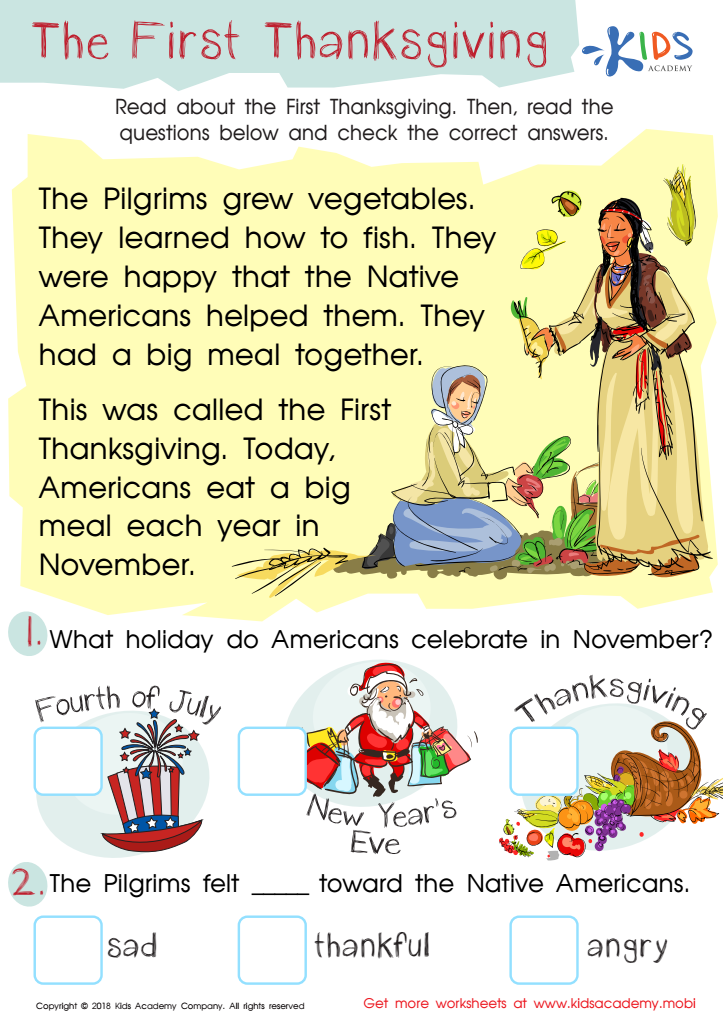
Assessment: First Thanksgiving Worksheet
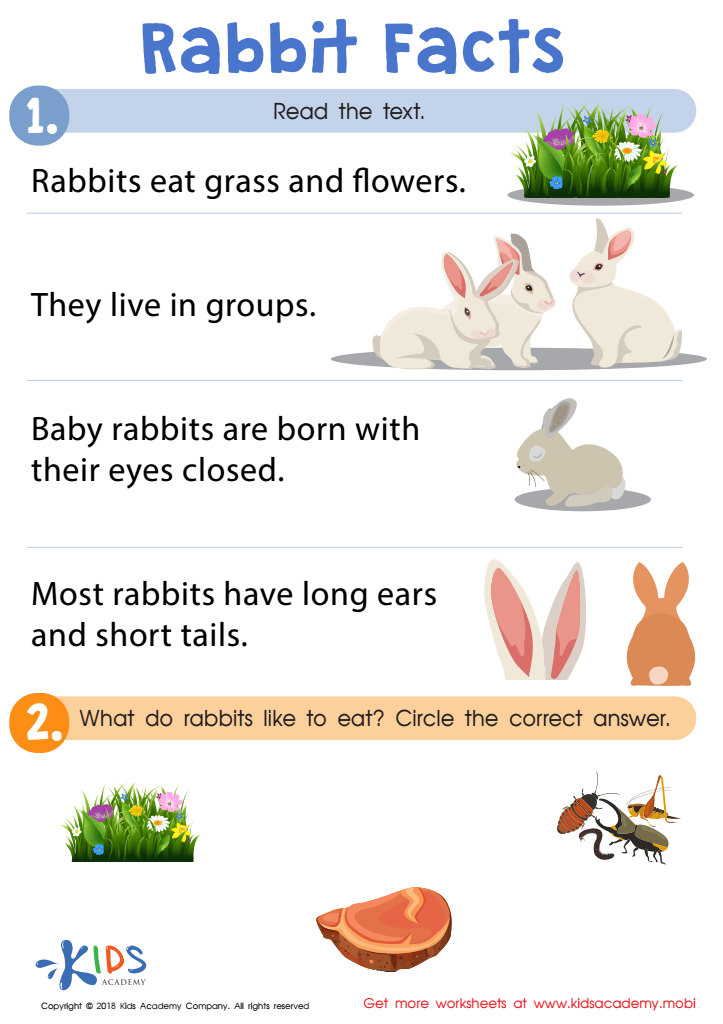
Rabbit Facts Worksheet








Reading comprehension, especially in non-fiction, is crucial for children aged 5-8 because it sets the foundation for lifelong learning and critical thinking skills. At this stage, children are developing essential cognitive abilities, and engaging with non-fiction materials helps them make sense of the world around them. Unlike fictional stories, non-fiction texts introduce facts, concepts, and real-world issues, encouraging curiosity and exploration.
Parents and teachers should care about reading comprehension in this genre because it promotes scientific reasoning and increases vocabulary. It also fosters an appreciation for diverse subjects like nature, history, and technology, broadening children’s horizons and cultural understanding. When children engage with non-fiction, they learn to discern information, understand perspectives, and engage in discussions—a skill set vital for their academic journey and daily life.
Moreover, strong comprehension skills empower children to formulate questions and seek answers, which enhances their learning autonomy. By focusing on non-fiction reading comprehension at an early age, adults can equip children with the tools they need to navigate a complex world, encouraging informed decision-making and responsible citizenship. Therefore, nurturing these skills is essential for developing well-rounded, curious, and literate individuals.








