Shape Recognition Rhyming Words Worksheets for Ages 5-8
3 filtered results
-
From - To
Enhance your child's learning experience with our Shape Recognition Rhyming Words Worksheets, designed specifically for ages 5-8. These engaging activities help young learners identify various shapes while simultaneously promoting their understanding of rhyming words. By combining visual recognition with phonetic skills, these worksheets make learning fun and effective. Each activity encourages active participation through colorful illustrations and interactive challenges that stimulate creativity and critical thinking. With a focus on foundational literacy and shape familiarity, these worksheets are perfect for preschool and early grade classrooms. Equip your child with essential skills that build a strong educational foundation and foster a love for learning!
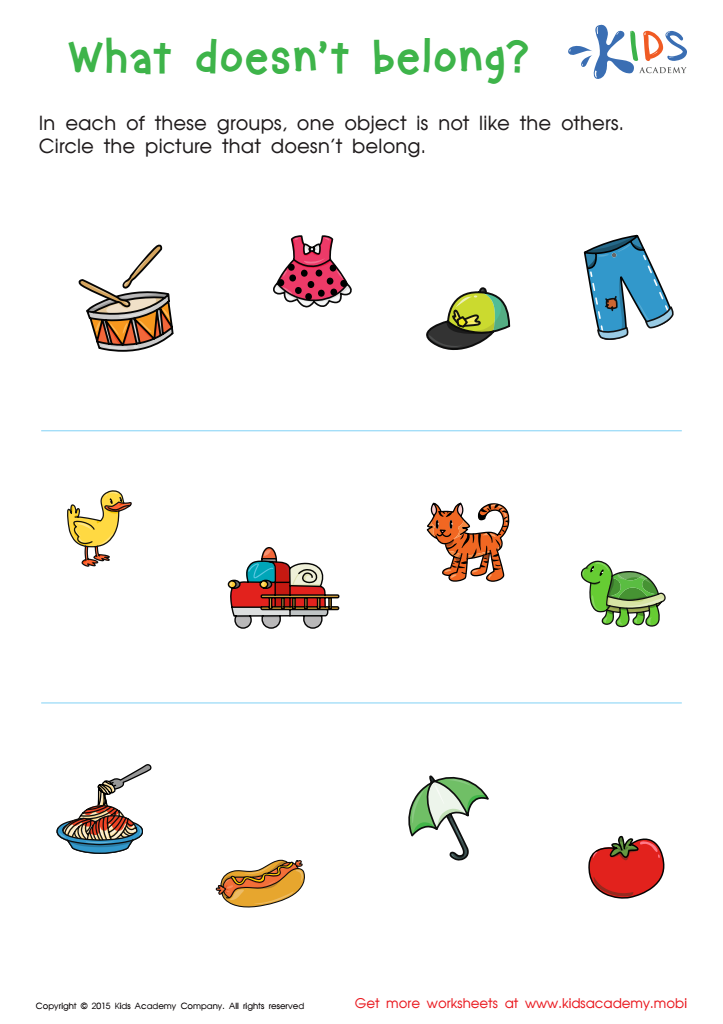
First Words: What Doesn't Belong Worksheet
 Assign to My Students
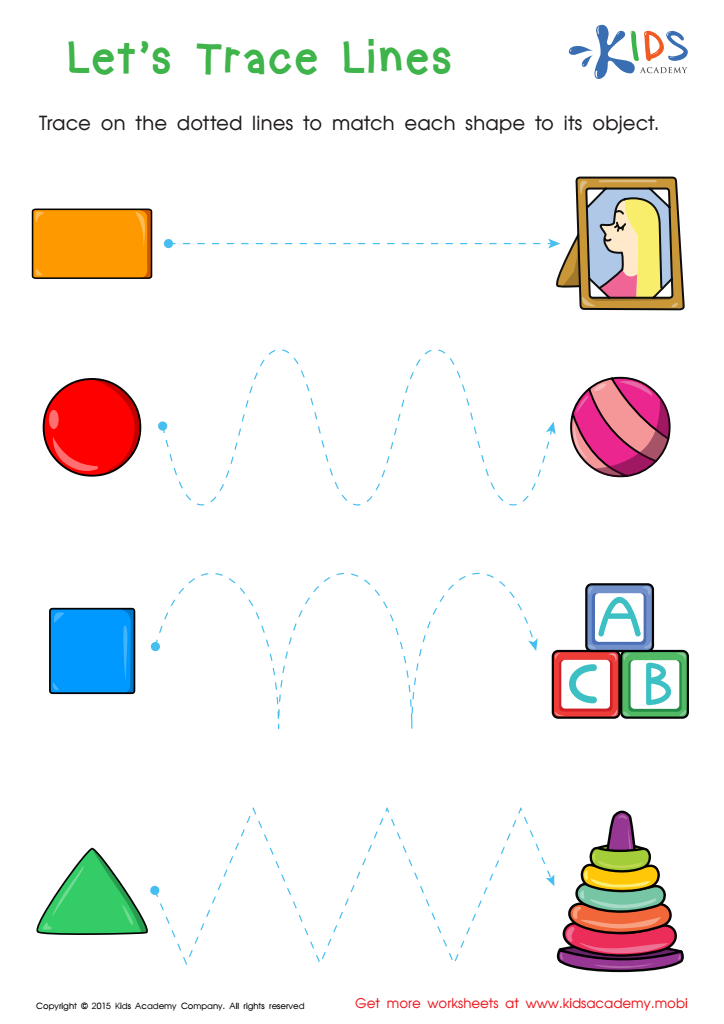
First Words: Let's Trace Lines Worksheet
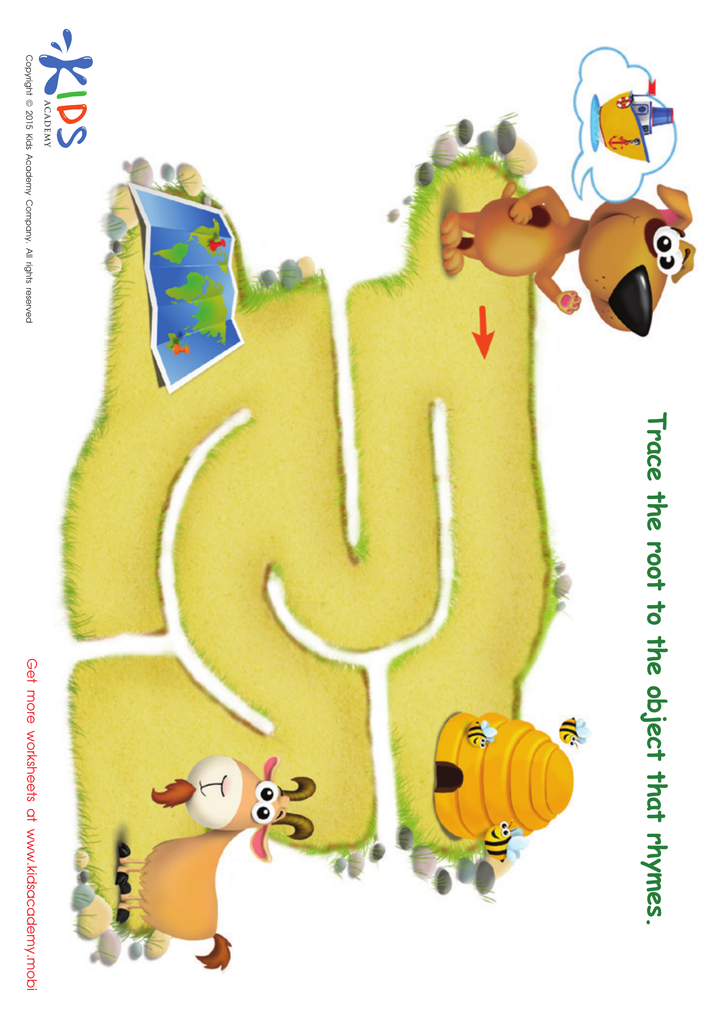
Boat Rhyming Words Worksheet








Shape recognition and rhyming words are foundational skills for children ages 5-8, serving as crucial building blocks for their overall cognitive and linguistic development. Parents and teachers should prioritize these activities because they promote critical thinking and creativity. Recognizing shapes helps children understand spatial relationships and enhances their problem-solving abilities. This skill is foundational for subjects like math and science, fostering a greater understanding of the world around them.
Rhyme, on the other hand, encourages phonemic awareness—a key component of reading readiness. Engaging with rhyming words in fun and playful contexts enhances vocabulary, improves pronunciation, and aids in memory retention. The combination of these two skills allows children to make connections between sounds and shapes, reinforcing both literacy and numeracy.
Moreover, these activities foster social interaction and cooperation among children, as they can participate in games and storytelling, weaving various curriculum areas together. Overall, focusing on shape recognition and rhyming enriches children's learning experiences, making them more engaged and excited about their education while preparing them for more complex skills in the future. Thus, parents and teachers play a pivotal role in nurturing these essential developmental competencies.








