Understanding bar graphs Sight Words Worksheets for Ages 5-8
3 filtered results
-
From - To
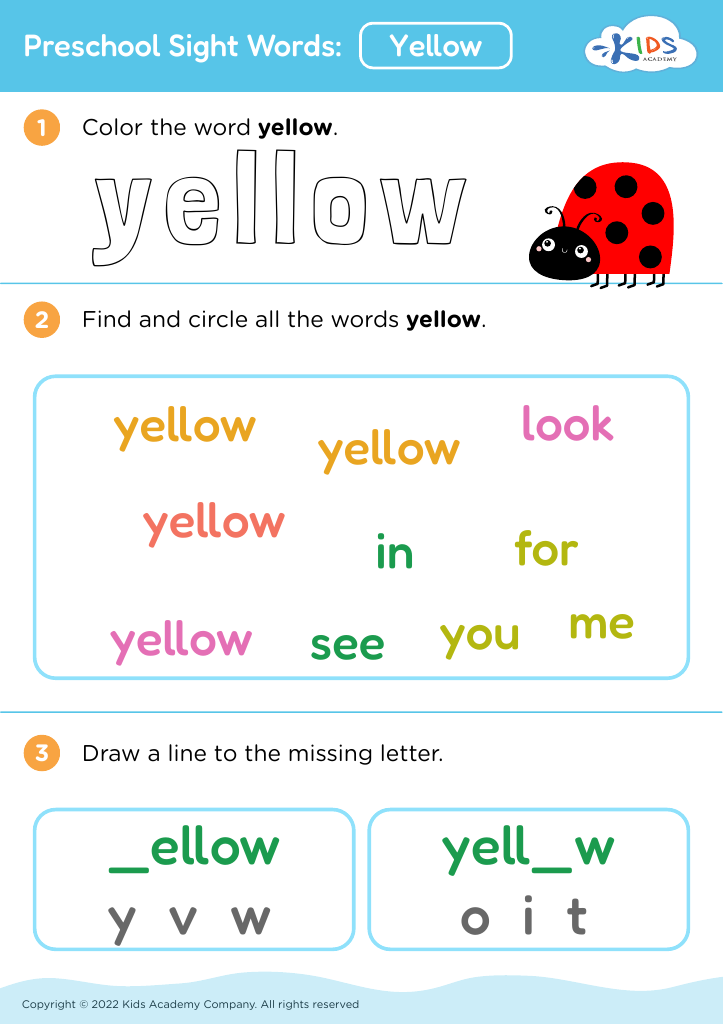
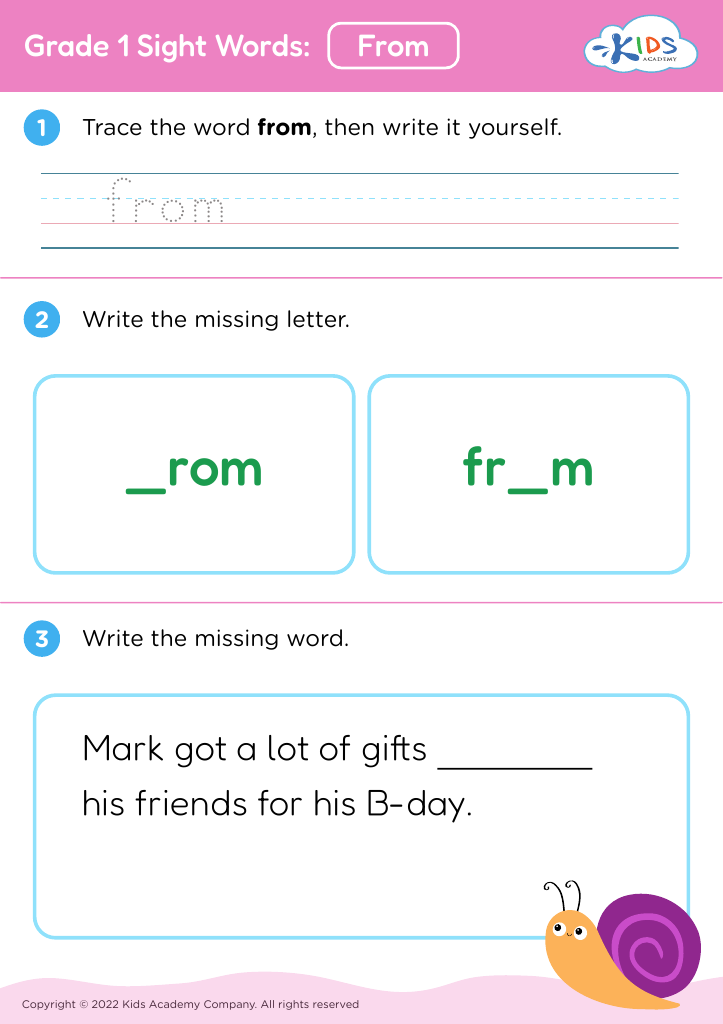
Explore our "Understanding Bar Graphs Sight Words Worksheets" for ages 5-8, specifically designed to enhance early reading and math skills! These engaging worksheets introduce young learners to the concept of bar graphs while reinforcing sight word recognition. Each worksheet offers fun activities, encouraging students to analyze data visually and enhance their comprehension abilities. Perfect for classroom or home learning, these resources foster a foundational understanding of graphs, making math fun and accessible. Help your child build confidence in their reading and analytical skills today! Visit us for printable worksheets that make learning a joyful journey!












Understanding bar graphs is a vital skill for children aged 5-8, as it enhances their ability to interpret and analyze data, fostering critical thinking. Parents and teachers should care about this foundational skill because bar graphs provide a visual representation of information, making complex data more accessible and easier to understand. Learning to interpret bar graphs can help children grasp essential concepts in math and statistics, which are crucial for academic success.
Moreover, associating bar graphs with sight words enhances vocabulary and comprehension skills. As children learn to read and enhance their language abilities, integrating math concepts creates a more holistic educational approach. This also aids in developing cognitive skills like comparison and contrast, as children learn to analyze different categories represented in the graph.
Additionally, engaging children in activities involving bar graphs can promote collaboration and communication skills, as they often discuss results and share findings with peers. Introducing this concept early prepares them for more advanced learning in later years, establishing a strong foundation in both numeracy and literacy. Therefore, by fostering an understanding of bar graphs and sight words together, parents and teachers can contribute to well-rounded intellectual development in young learners.