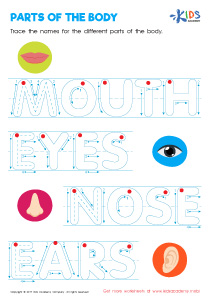
Categorization skills World Around Us Worksheets for Ages 5-8
3 filtered results
-
From - To
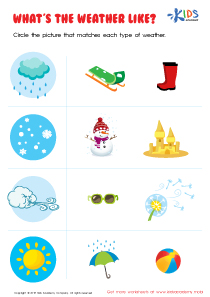
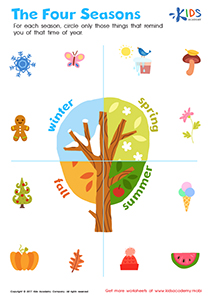
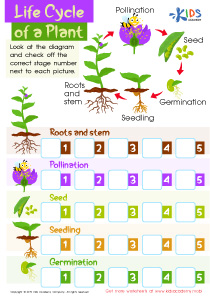
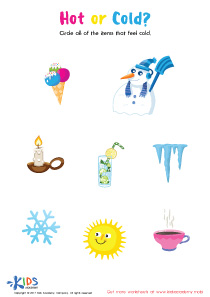
Enhance your child's learning with our "Categorization Skills World Around Us Worksheets" designed specifically for ages 5-8. These engaging worksheets help young learners recognize and sort various objects from their surroundings, fostering critical thinking and observational skills. Kids will enjoy identifying, categorizing, and drawing connections between different items, whether familiar animals, plants, or everyday objects. Each activity is crafted to be interactive and fun, making it easier for children to learn about the world around them while boosting their cognitive abilities. Explore our diverse range of worksheets and watch your child develop essential categorization skills in a playful and enjoyable way!
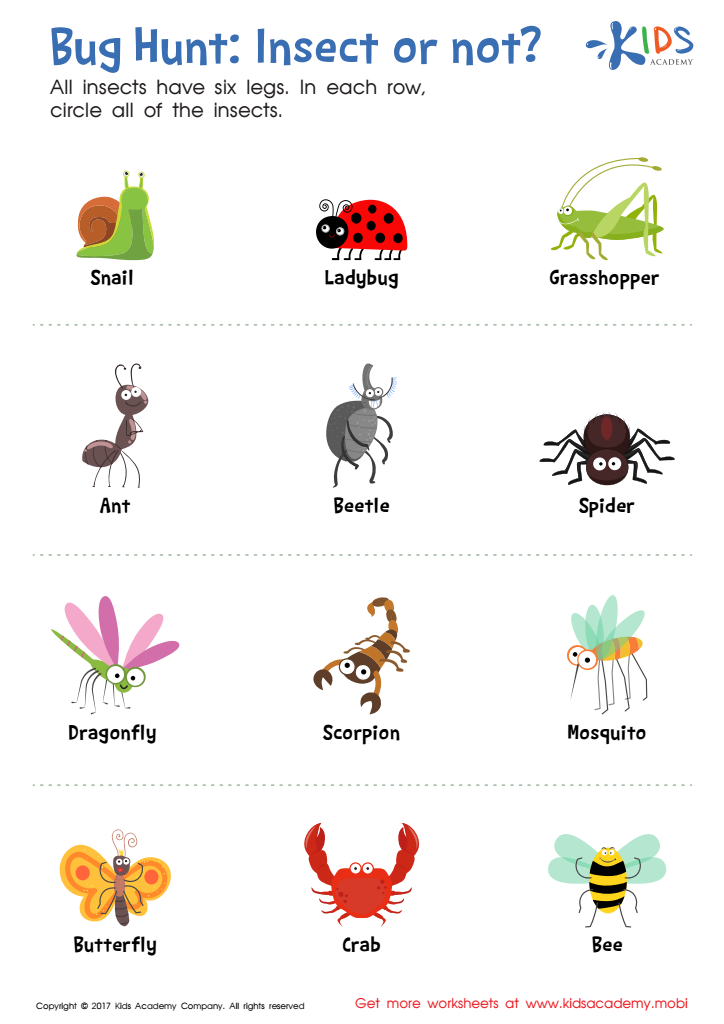
 Assign to My Students
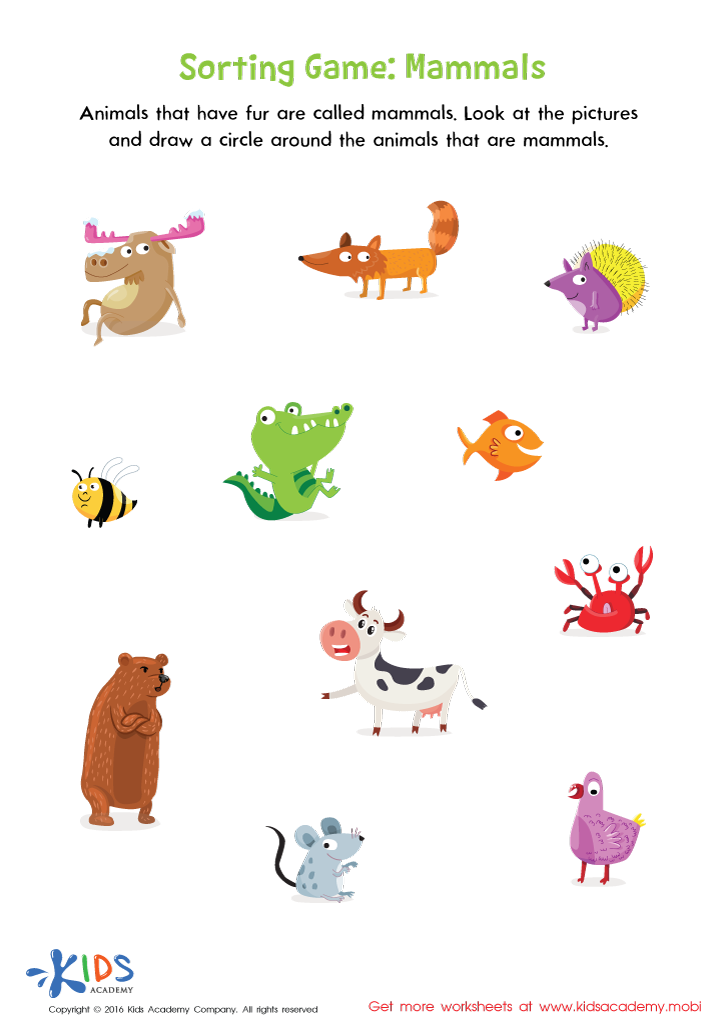
Mammals Sorting Worksheet
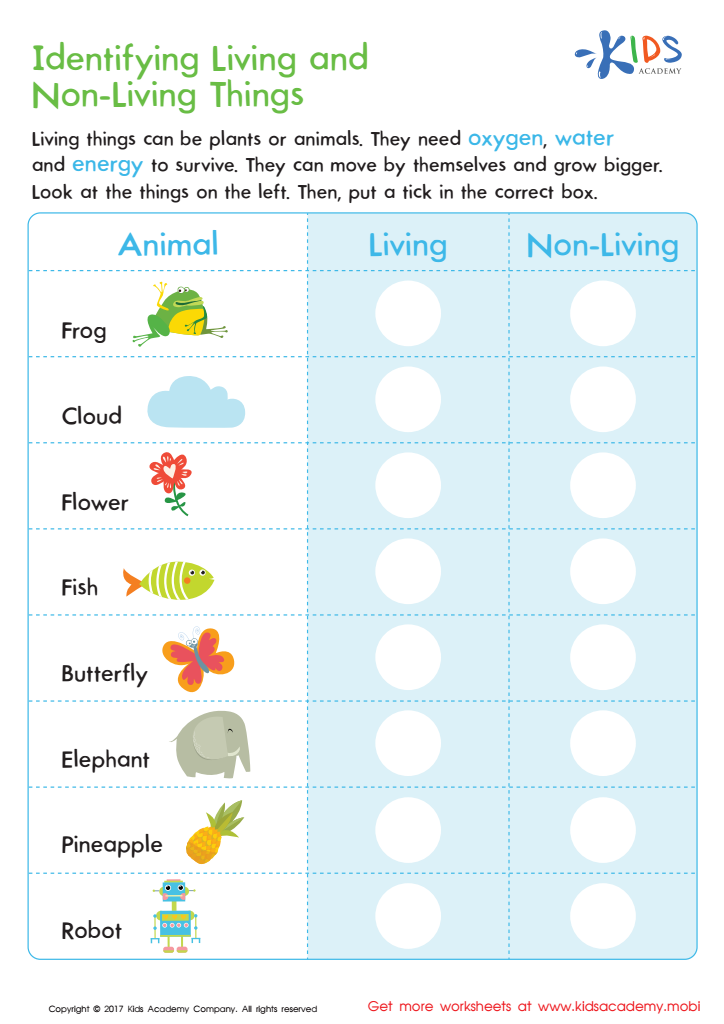
Identifying Living or Non–living Worksheet



.jpg)




Categorization skills are essential for children aged 5-8 as they serve as the foundation for critical thinking and problem-solving abilities. At this developmental stage, children are naturally curious about the world around them, and effective categorization enables them to organize their experiences, make sense of their surroundings, and identify relationships between concepts.
Parent and teacher involvement in developing these skills can enhance a child’s cognitive, linguistic, and social development. When children can sort, group, or classify items—whether by color, shape, size, or function—they learn to analyze and interpret their environment more effectively. This helps them develop a better understanding of complex concepts, which is crucial for subjects such as math and science.
Moreover, strong categorization skills improve communication abilities by equipping children with the language to describe similarities and differences. Encouraging children to recognize categories fosters independence, supports self-regulation, and enhances their ability to connect with peers during collaborative activities.
In essence, fostering categorization skills is pivotal not only for academic success but also for nurturing well-rounded individuals who can navigate and interact effectively with various aspects of their world. Parents and teachers play a crucial role in guiding and supporting this vital developmental milestone.