Critical Thinking World Around Us Worksheets for Ages 5-8
6 filtered results
-
From - To
Discover our "Critical Thinking World Around Us Worksheets" designed for young learners aged 5-8! These engaging worksheets promote essential critical thinking skills by encouraging children to explore and analyze their environment. Filled with interactive activities, colorful illustrations, and thought-provoking questions, each worksheet helps develop problem-solving abilities, creativity, and logical reasoning. Perfect for home or classroom use, our resources seamlessly integrate into daily learning, ensuring that kids not only acquire knowledge but also learn to think critically about the world around them. Inspire curiosity and a love for learning with our thoughtfully crafted materials that make learning fun and effective!
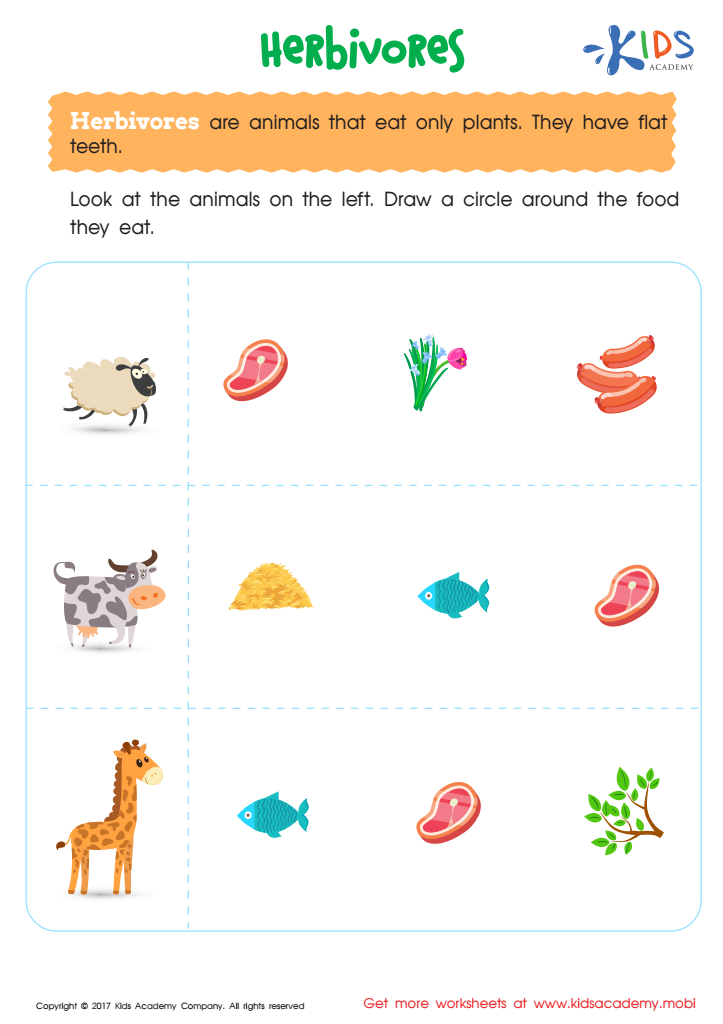
Herbivores Printable
 Assign to My Students
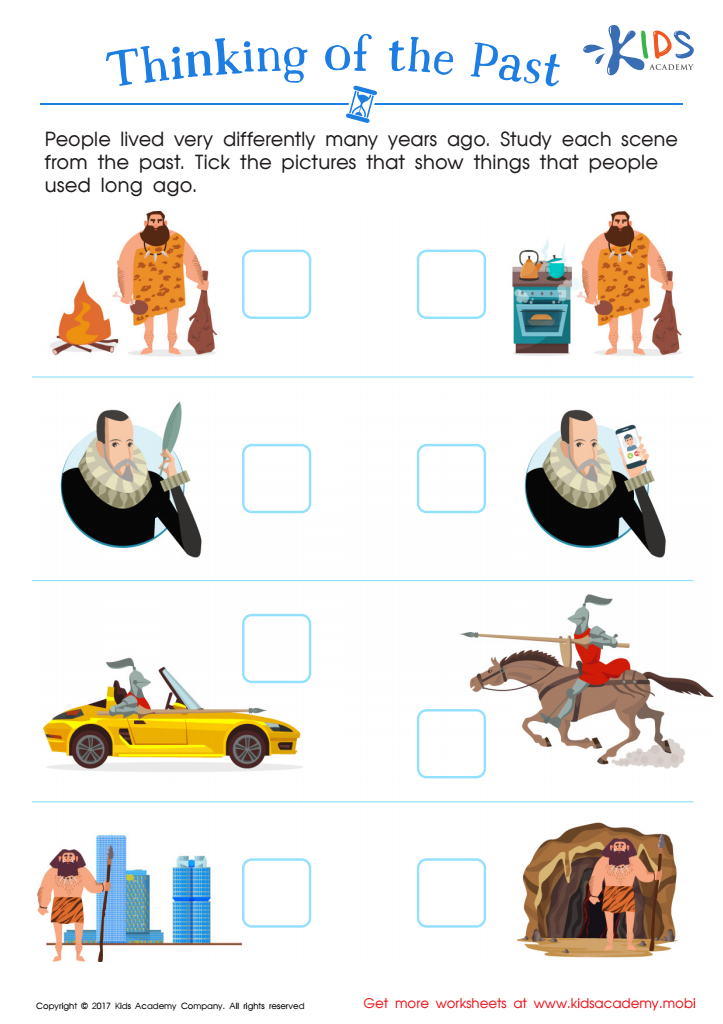
Thinking Past Printable
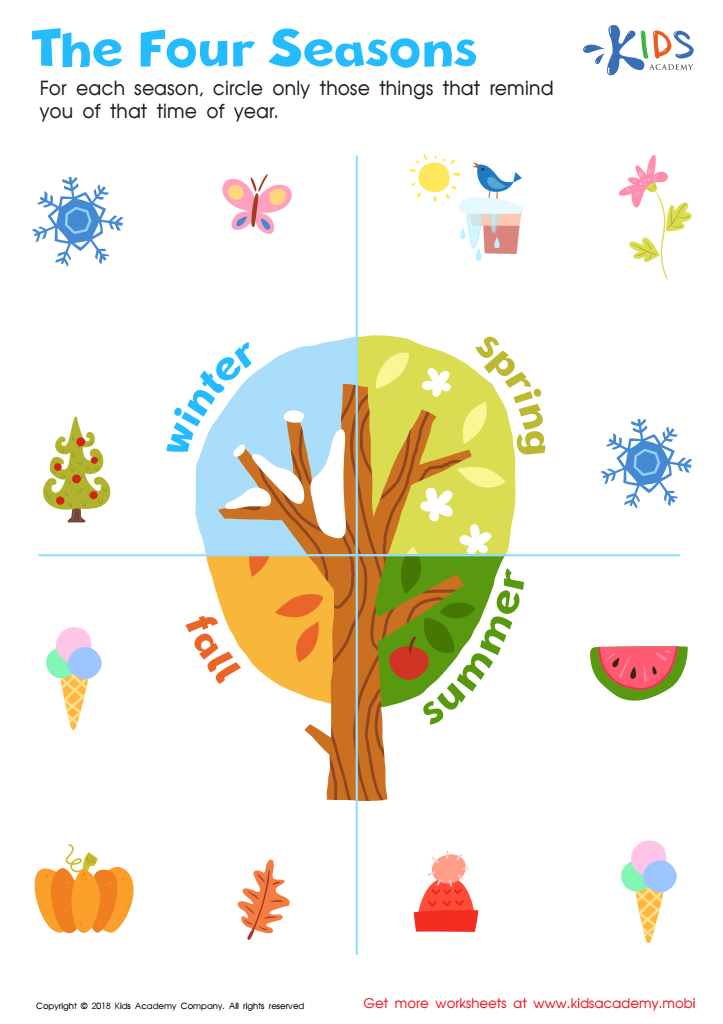
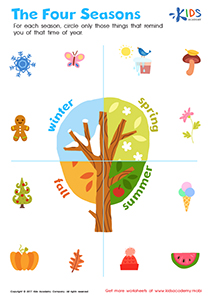
The Four Seasons Worksheet
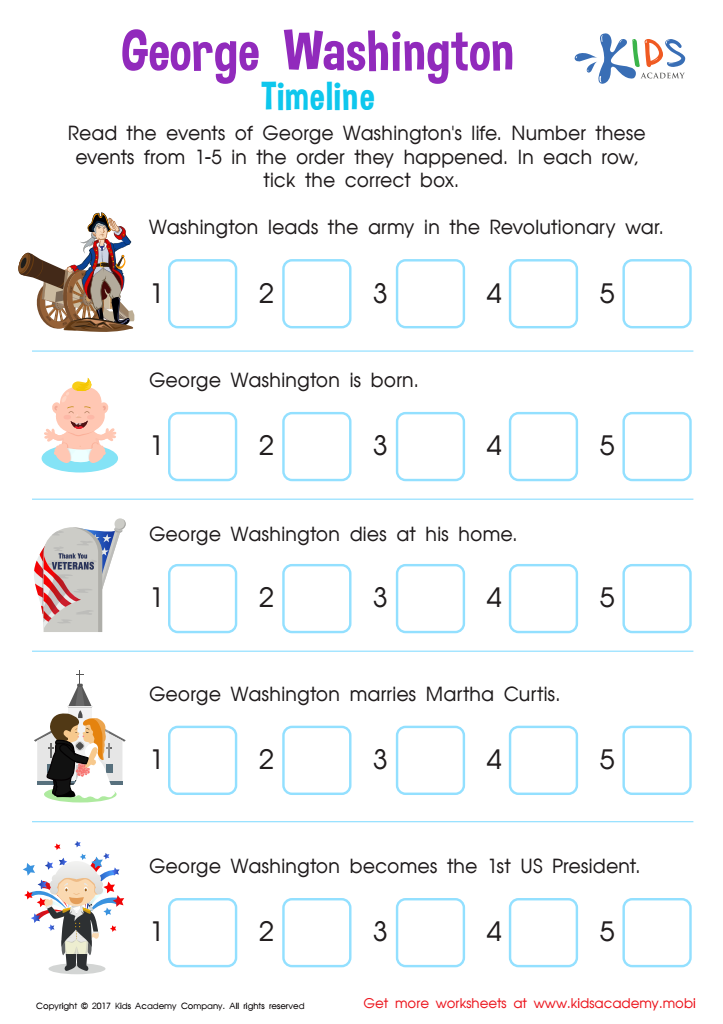
George Washington Timeline Worksheet



.jpg)

.jpg)


Parents and teachers should prioritize critical thinking in children aged 5 to 8 because it lays the foundation for lifelong learning and informed decision-making. At this developmental stage, children are naturally curious, and fostering their critical thinking skills allows them to explore and understand the world around them.
Engaging children in critical thinking encourages them to ask questions, analyze information, and make connections between concepts. These skills help them navigate complex social situations, comprehend diverse perspectives, and solve problems creatively. Moreover, as they learn to evaluate the reliability of information, they become better equipped to discern truth from misinformation—a vital skill in today’s information-saturated society.
Additionally, cultivating critical thinking promotes emotional and social growth. Children learn to articulate their thoughts and feelings and engage in discussions, suggesting collaborative problem-solving practices. This also nurtures empathy and active listening, essential components of healthy relationships.
Investing time in programs like "Critical Thinking World Around Us" for this age group supports holistic development, offering them essential skills that will serve them throughout their academic journey and into adulthood. By encouraging critical thinking now, parents and teachers are empowering young learners to become thoughtful, reflective individuals who can adapt to an ever-changing world.