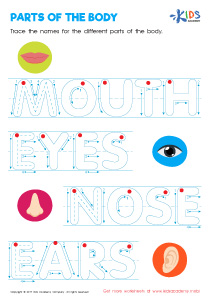
Vocabulary Building World Around Us Worksheets for Ages 5-8
3 filtered results
Difficulty Level
Grade
Age
-
From - To
Subject
Activity
Standards
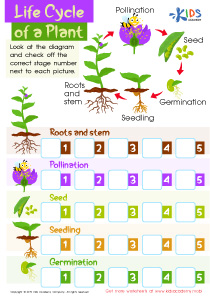
Unlock your child’s potential with our "Vocabulary Building World Around Us Worksheets for Ages 5-8." These captivating worksheets, designed for young learners, focus on expanding vocabulary through real-world themes. From exploring nature to discovering everyday objects, kids will engage in fun, educational activities that enhance their word recognition, comprehension, and overall language skills. Ideal for both classroom and home use, our printables make learning interactive and enjoyable. Empower your child to confidently communicate and understand the world around them. Let their vocabulary blossom one worksheet at a time with Kids Academy!
Favorites
With answer key
Interactive
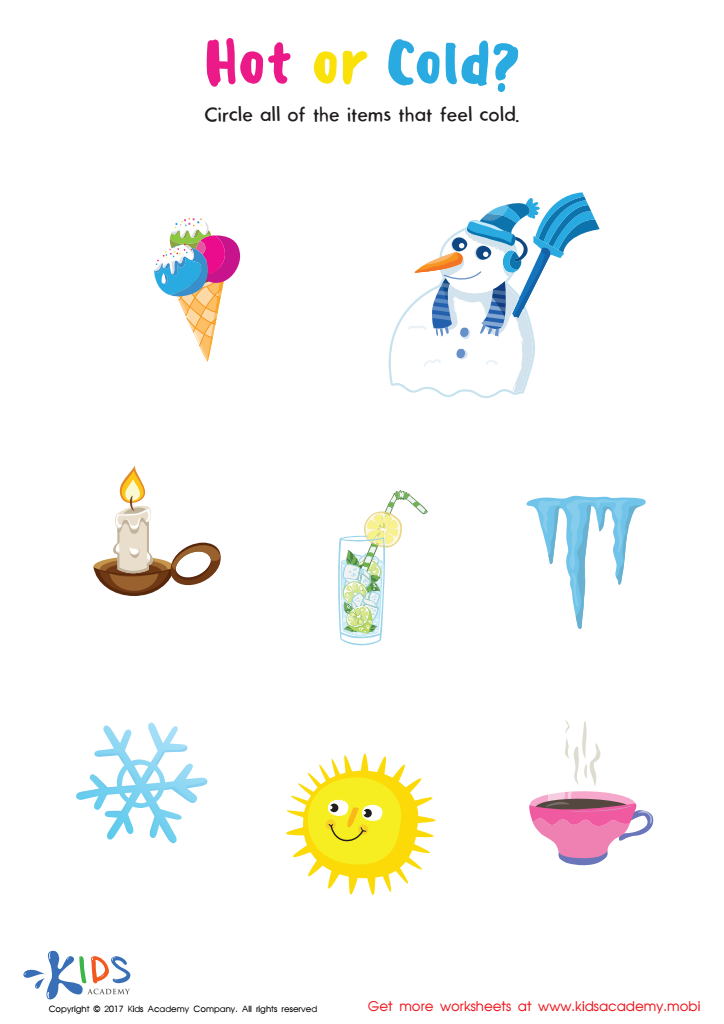
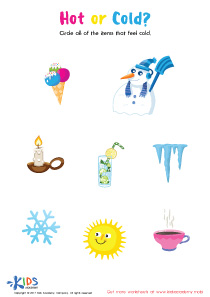
Hot or Cold Printable
Help your child stay safe with this hot or cold worksheet! It promotes problem solving skills and teaches the important concept of temperature differences. Plus, it’s fun! Get your child to learn by playing.
 Assign to My Students
Hot or Cold Printable
Worksheet
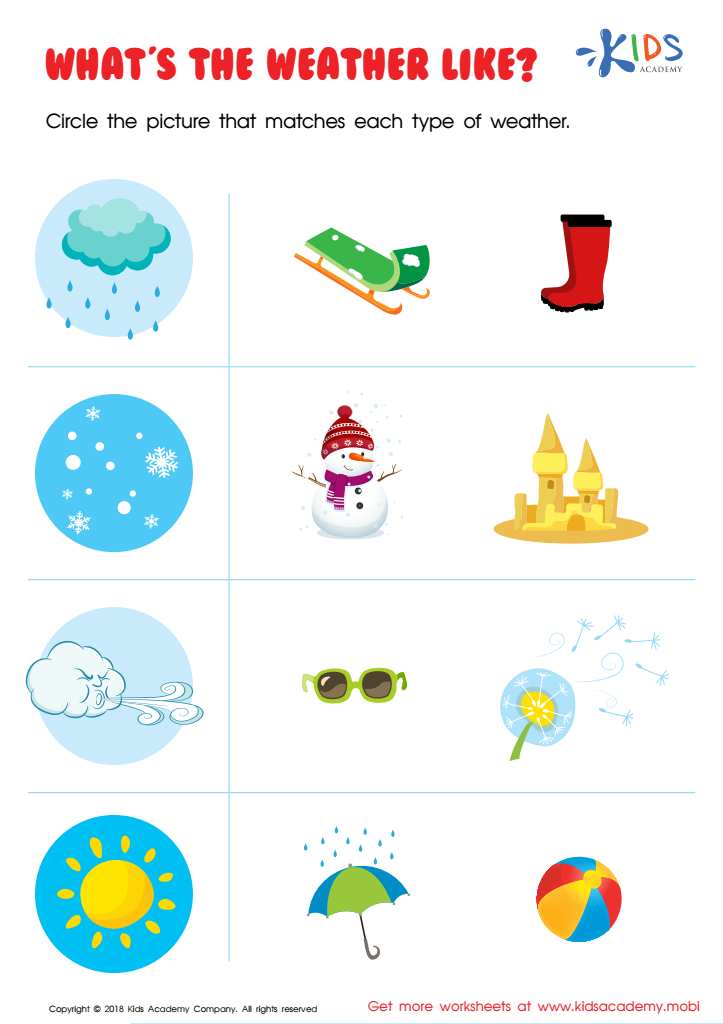
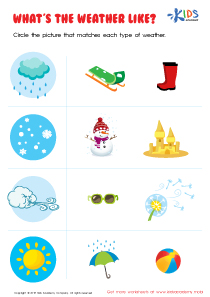
What's the Weather Like? Worksheet
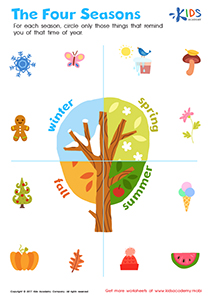
Help budding meteorologists practice matching weather to seasons with this PDF worksheet. Picture clues help identify seasons and fine motor skills are practiced circling the correct weather patterns. Bright and engaging characters make learning fun and reinforce weather knowledge.
What's the Weather Like? Worksheet
Worksheet
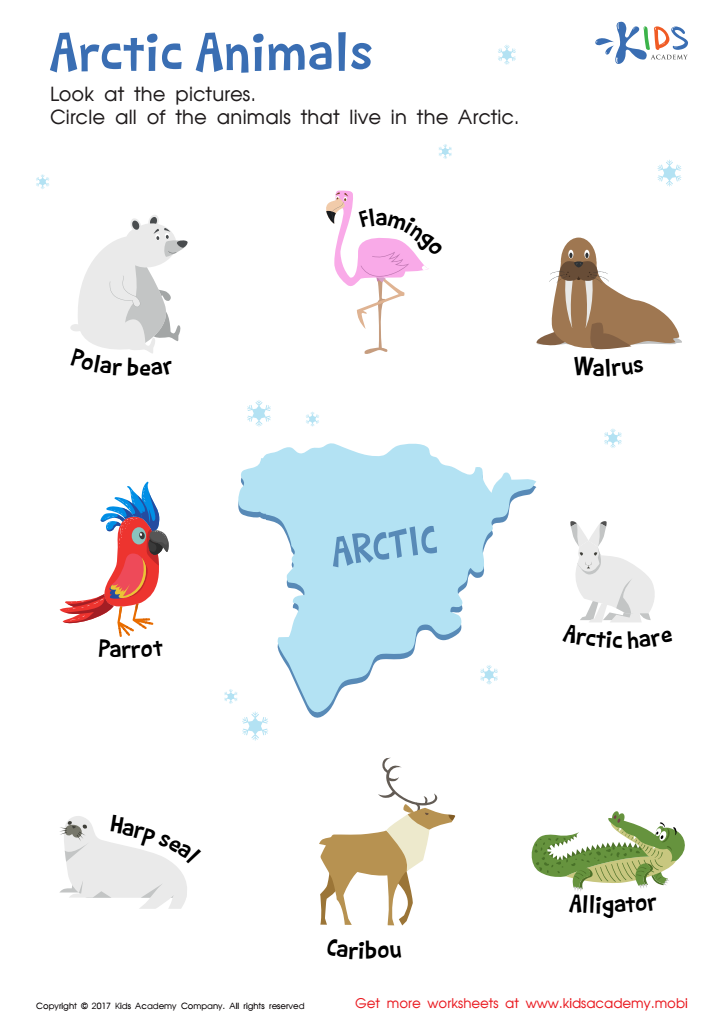
Arctic Animals Worksheet
Kids love animals and this worksheet is a great way to teach them where they live. It reinforces classification skills and introduces new animals, like the Arctic hare. Use it to discuss the Arctic climate and how these animals live, then ask your child where other animals live to keep the conversation going.
Arctic Animals Worksheet
Worksheet
Join Kids Academy for Free
Who is primarily going to use this learning content?




.jpg)



Vocabulary building for children aged 5-8 is essential and beneficial for several reasons. At this early and impressionable age, children's brains are highly receptive to learning new words and absorbing information from their surroundings. Expanding a child's vocabulary helps to improve their communication skills, making it easier for them to express thoughts, emotions, and needs effectively.
A rich vocabulary is also foundational for reading comprehension. When children encounter new words in texts, having already been introduced to them in everyday contexts helps to understand the story or concept better. This increases their confidence and can lead to a greater love for reading and learning. Furthermore, interacting with a broad range of vocabulary aids cognitive development. It enhances children's ability to think critically, solve problems, and make connections between different pieces of information.
Exposing children to the world around them, whether through nature, food, culture, or activities, introduces them to words they might not encounter at home or school, broadening their knowledge and perspective. In the process, this exposure fosters curiosity and inquisitiveness, which are core components of lifelong learning.
In summary, investing time in vocabulary building for young children is crucial as it sets a robust foundation for their communication skills, reading comprehension, cognitive development, and continuous learning engagement.