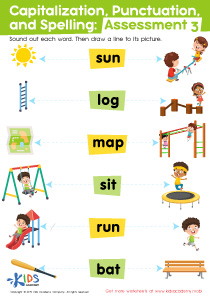
Sight word recognition Grammar Worksheets for Ages 5-8
3 filtered results
-
From - To
Discover our engaging Sight Word Recognition Grammar Worksheets, designed specifically for children ages 5-8. These worksheets provide a fun and interactive way to enhance early reading and writing skills. By focusing on essential sight words, kids will boost their vocabulary and improve their ability to recognize these key words in context. Each worksheet includes a variety of activities such as fill-in-the-blanks, word searches, and matching exercises, making learning enjoyable. Perfect for homeschooling or classroom use, our resources support young learners in building a strong foundation in grammar and literacy. Start your child’s journey towards confident reading and writing today!
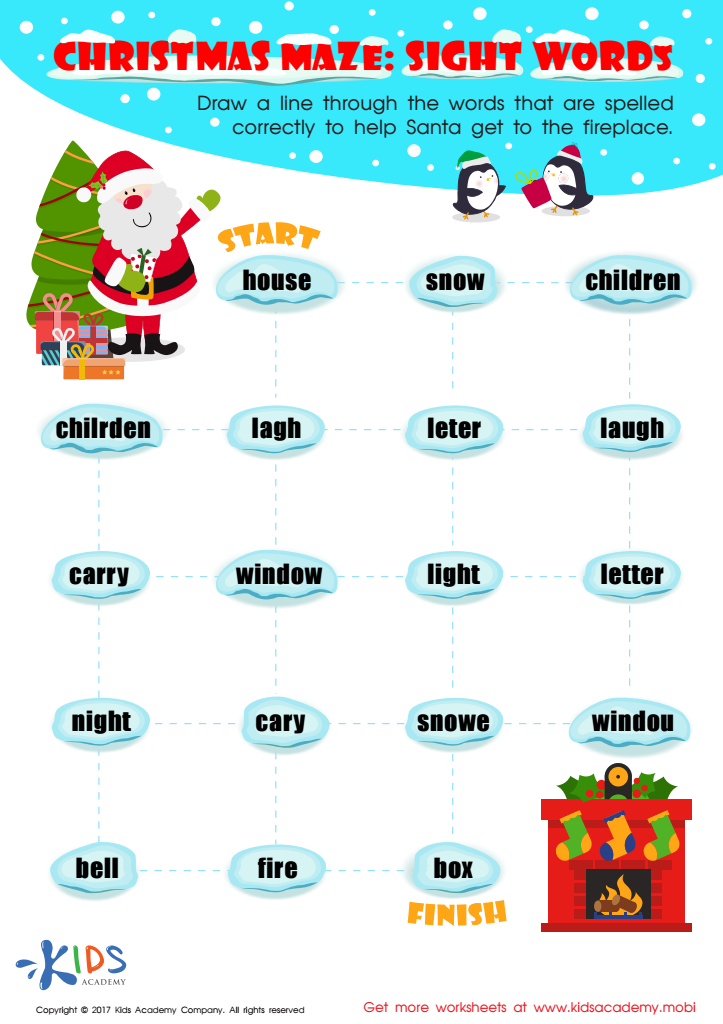
Sight Words Christmas Maze Printable
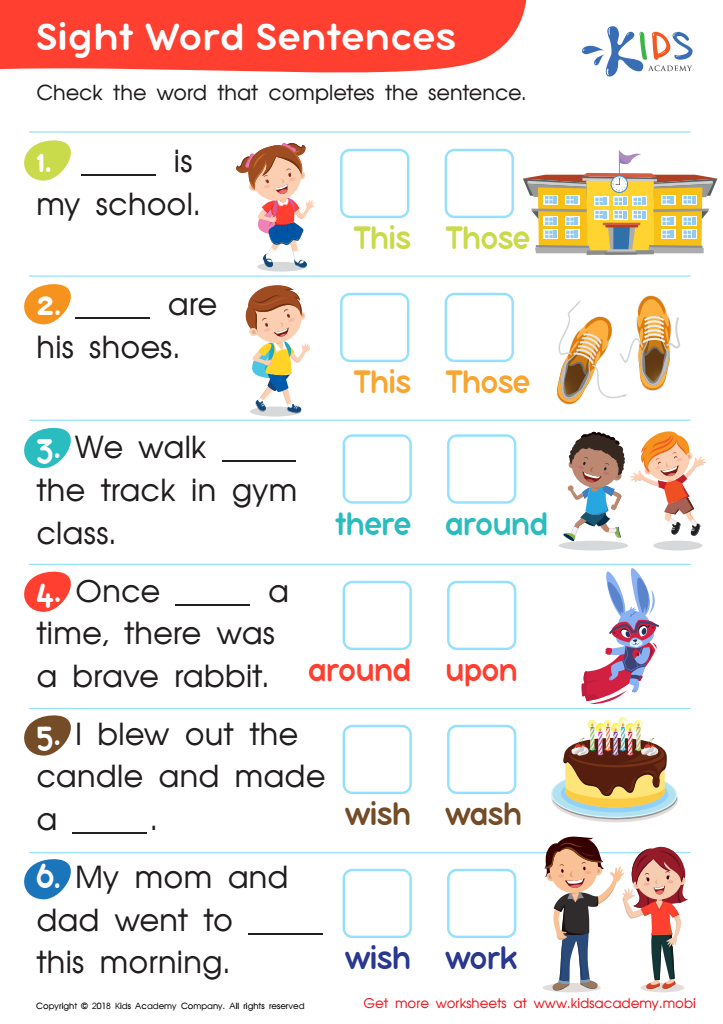
Sight Word Sentences Worksheet
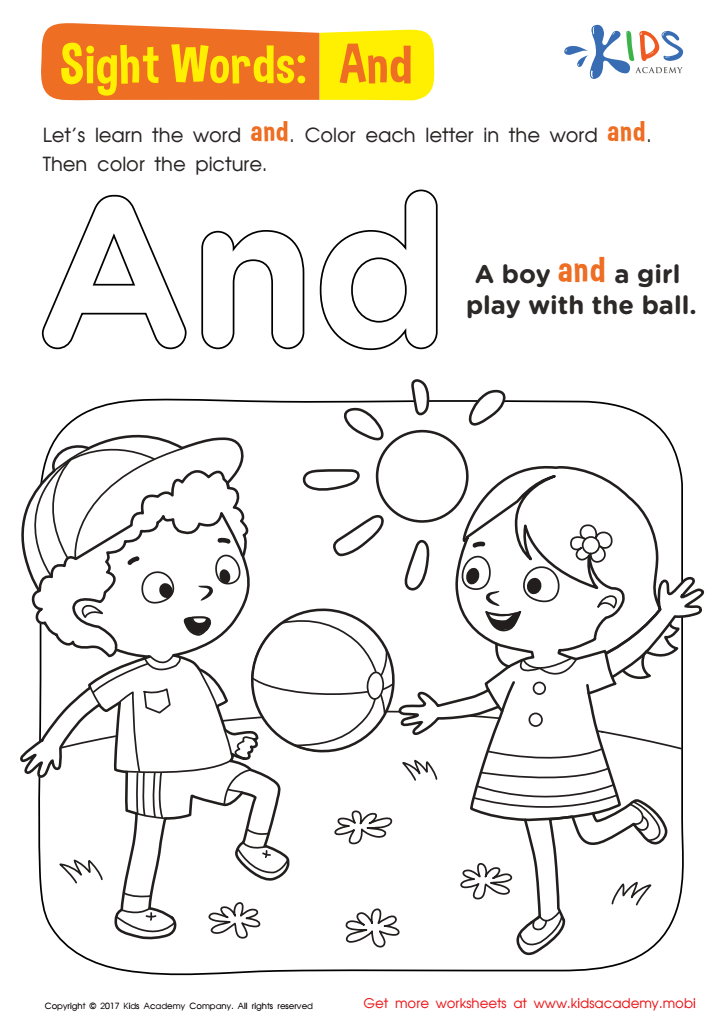
And Worksheet Sight Words Worksheet
 Assign to My Students






Sight word recognition is crucial for children aged 5-8 as it lays the foundation for reading fluency, comprehension, and overall literacy development. When young learners can quickly identify common words—often difficult to sound out phonetically—they can focus on understanding the content instead of struggling with decoding. This skill builds confidence in reading, making it more enjoyable and engaging.
Parents and teachers should prioritize sight word recognition because it directly impacts a child's ability to interact with texts across various subjects. By mastering sight words, children can enhance their reading capabilities and participate in classroom discussions, fostering a love for learning. Furthermore, strong sight word recall supports improved writing skills, as these words frequently appear in children’s own narratives and compositions.
In addition, children develop vital grammar and syntax skills when exposed to sight words. Understanding how these words function enables them to construct sentences properly. As literacy is a cornerstone of academic success, supporting sight word recognition not only nurtures reading abilities but also prepares children for future educational challenges. In essence, cultivating sight word recognition at this early age equips children with both the confidence and the tools they need for lifelong learning.