Understanding punctuation Punctuation Worksheets for Ages 5-8
3 filtered results
-
From - To
Understanding punctuation is crucial for budding writers aged 5-8! Our engaging and educational punctuation worksheets help young learners grasp the basics of punctuation marks like periods, commas, and question marks. These worksheets are designed to improve writing clarity and fluency, making learning fun and interactive. Through a variety of activities, children will practice correct punctuation usage in sentences, enhancing their reading comprehension and writing skills. With colorful illustrations and age-appropriate exercises, our worksheets provide a solid foundation in punctuation, setting the stage for successful communication and academic growth. Foster your child's writing abilities by exploring our understanding punctuation worksheets today!
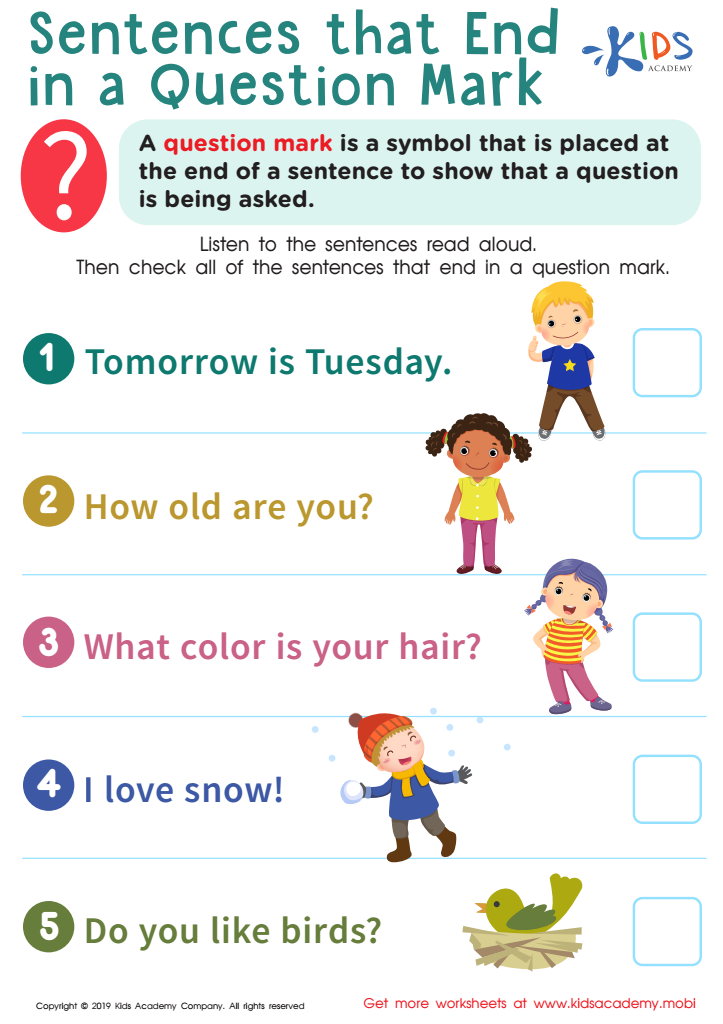
Sentences That End in an Question Mark Worksheet
 Assign to My Students
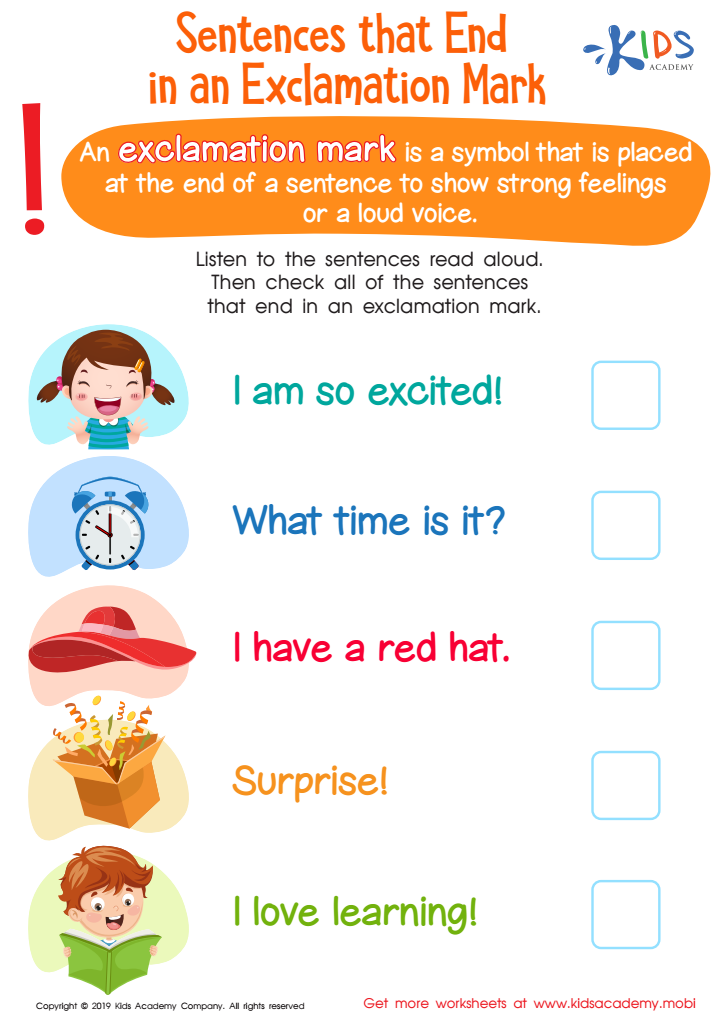
Sentences That End in an Exclamation Mark Worksheet
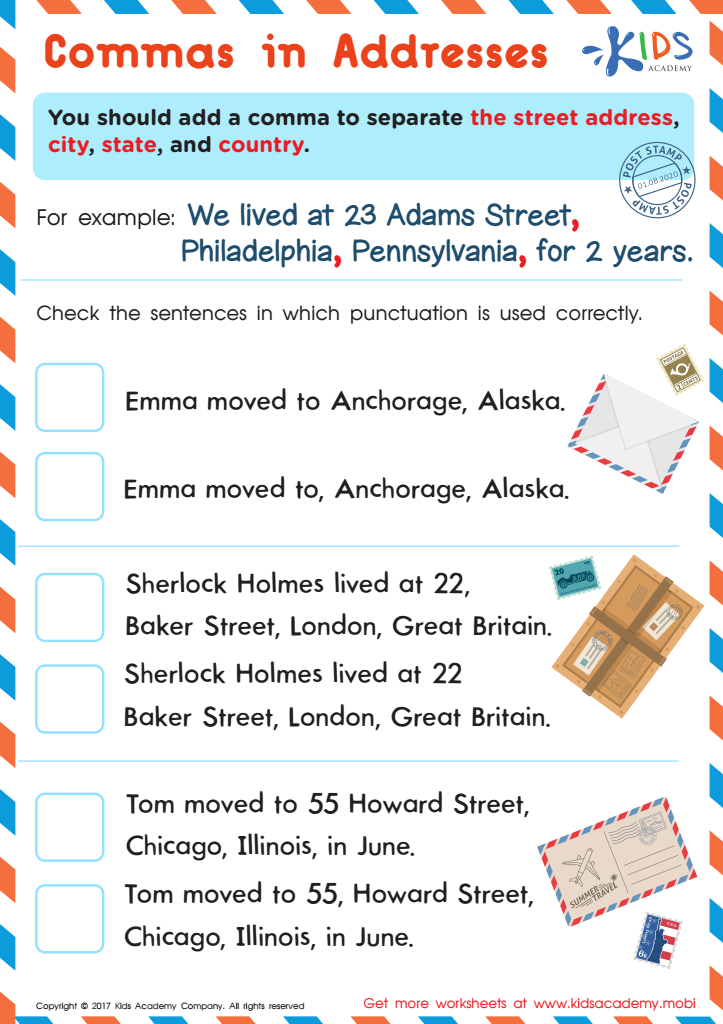
Commas in Addresses Worksheet


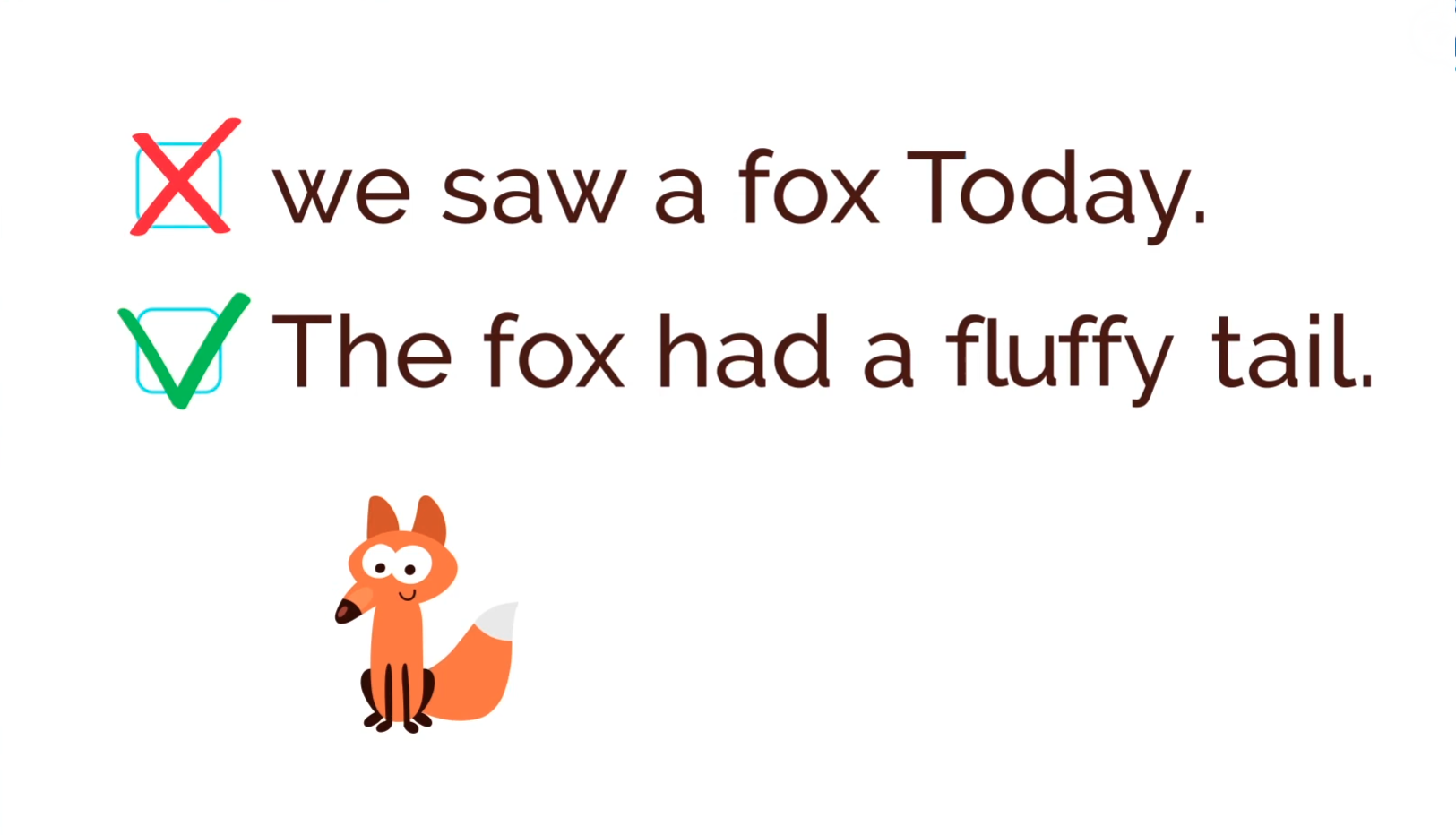





Understanding punctuation is crucial for young children, aged 5-8, as it lays a fundamental foundation for their literacy skills. At this developmental stage, children are beginning to grasp basic reading and writing concepts. Punctuation marks, like periods, commas, and question marks, guide these young readers through sentences, providing structure and meaning. When children understand how to use punctuation, they can read more fluently and with better comprehension, recognizing the natural pauses and emotions in text.
Furthermore, learning punctuation helps children communicate more effectively. In their own writing, proper punctuation allows them to express their ideas clearly and prevents misunderstandings. For example, variations in punctuation can completely change the meaning of a sentence, as in "Let's eat, Grandma" versus "Let's eat Grandma."
Punctuation also sets the stage for more advanced language skills they'll need in the future. Grasping these basics gives children a head start in mastering more complex writing rules and improving overall academic performance.
Parents and teachers play a critical role in nurturing these skills. By reading with children, pointing out punctuation marks, and encouraging them to practice, adults can help instill the importance and utility of proper punctuation at an early age. Doing so equips children with essential communication tools that are foundational for lifelong learning and success.








