
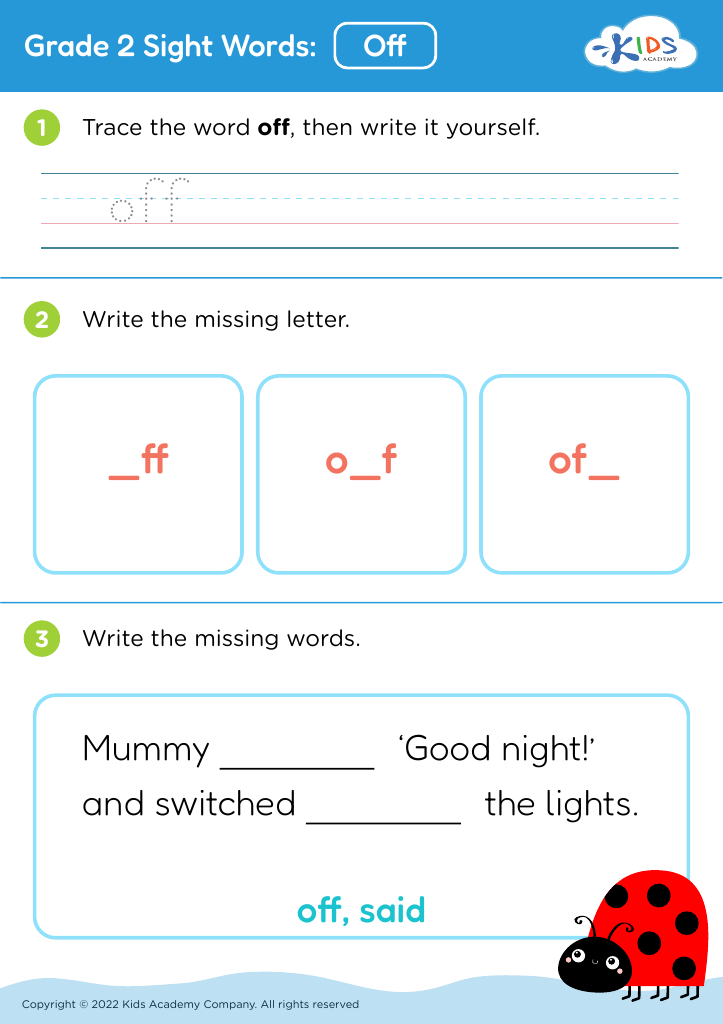
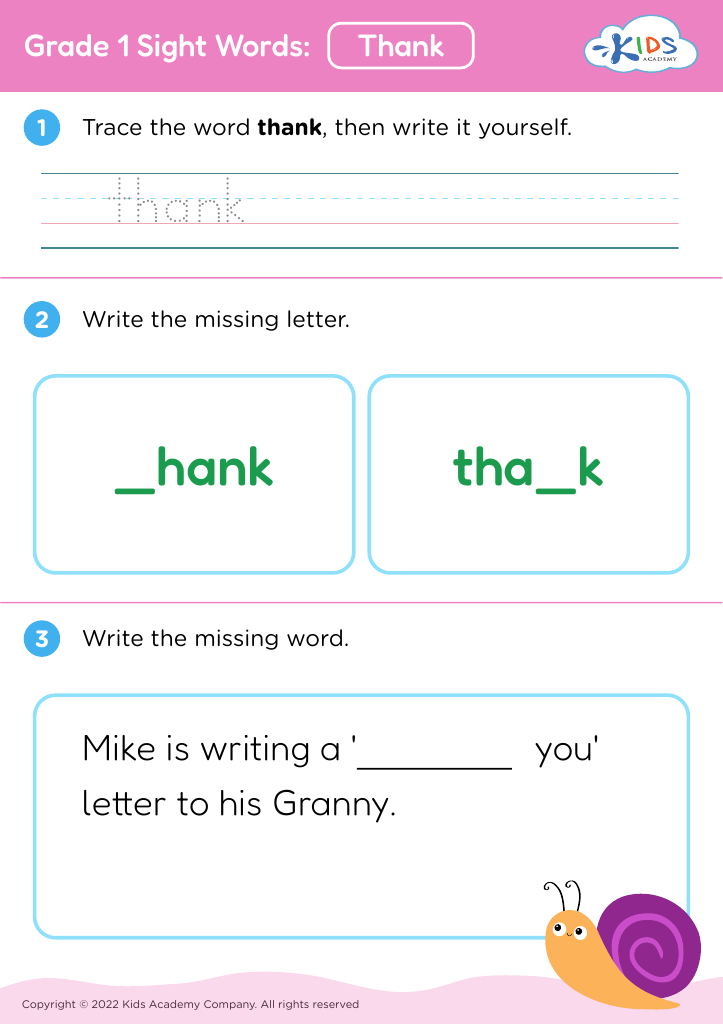

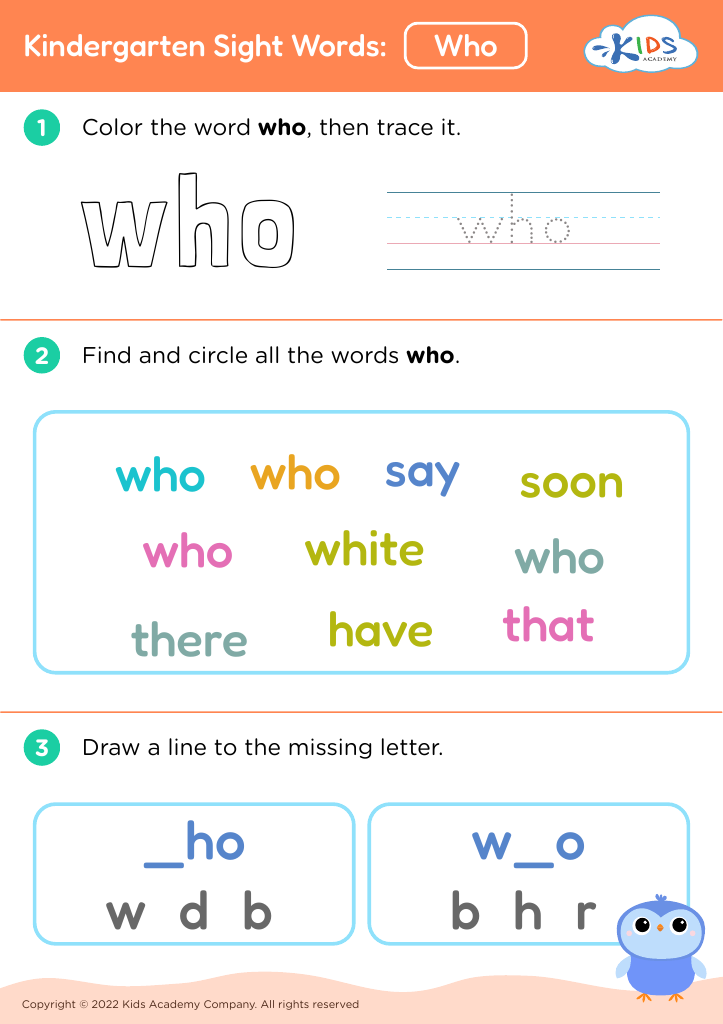
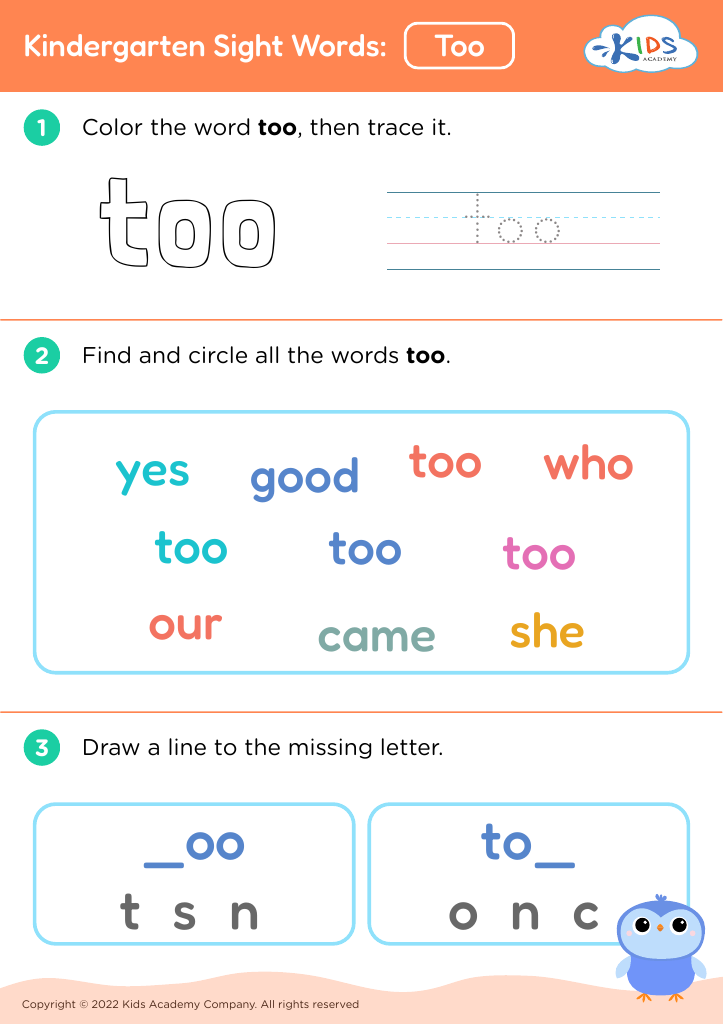






Parents and teachers should deeply care about the education and development of children aged 5-9 because these formative years lay the groundwork for lifelong learning and personal growth. This period, often encompassing grades K-3, is crucial for developing fundamental skills in literacy, numeracy, and social-emotional well-being. Children at this age are extraordinarily receptive; their brains are highly malleable and capable of significant cognitive development.
Reading proficiency, established in these early years, is a predictor of future academic success. If children struggle with reading by the end of third grade, they are more likely to face continuing educational challenges. Numeracy skills are equally important, fostering logical thinking and problem-solving abilities. Moreover, social interactions during this time teach children critical life skills such as cooperation, sharing, and empathy.
Furthermore, early education is integral for identifying and addressing learning disabilities or developmental delays. Early intervention can make a significant difference in a child’s educational outcomes.
Parents and teachers working together can create a nurturing, stimulating environment that maximizes each child's potential. Their involvement and encouragement are essential for instilling a love of learning, fostering curiosity, and building a positive self-concept, all of which contribute to a child's long-term success and well-being.








