Vocabulary development Alphabet Worksheets for Ages 5-9
20 filtered results
-
From - To
Introduce young learners to the captivating world of words with our Vocabulary Development Alphabet Worksheets, tailored for ages 5-9. These educational worksheets are designed to boost your child's language skills by marrying fun with learning. Each sheet focuses on a different letter, aiding in letter recognition, phonics, and word-building. Your child will explore vocabulary through engaging activities, ensuring a solid foundation in language that is crucial for literacy success. With colorful illustrations and interactive exercises, these worksheets make vocabulary development an enjoyable journey for young minds. Foster a love of words and watch their confidence soar!
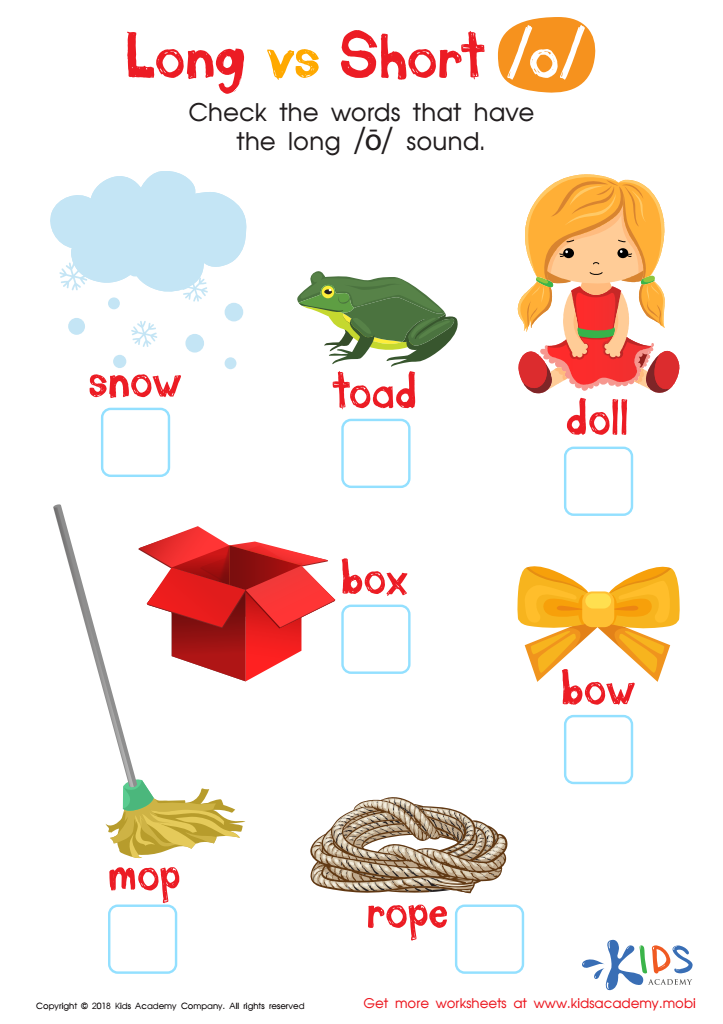
Long vs Short O Reading Worksheet
 Assign to My Students
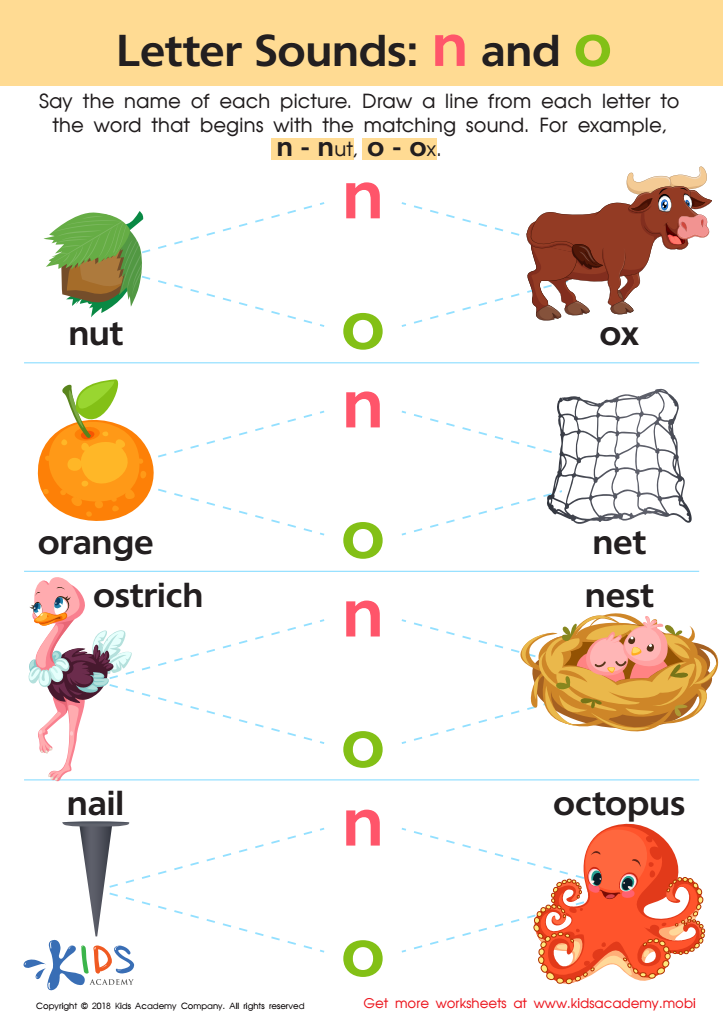
Letter N and O Sounds Worksheet
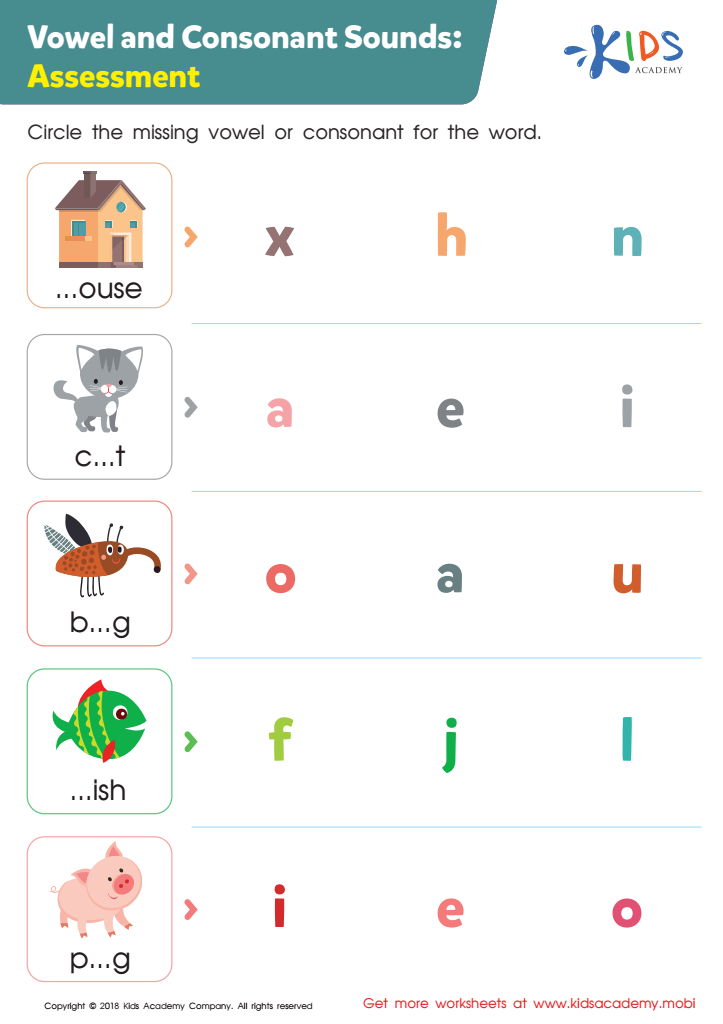
Vowel and Consonant Sounds: Assessment Worksheet
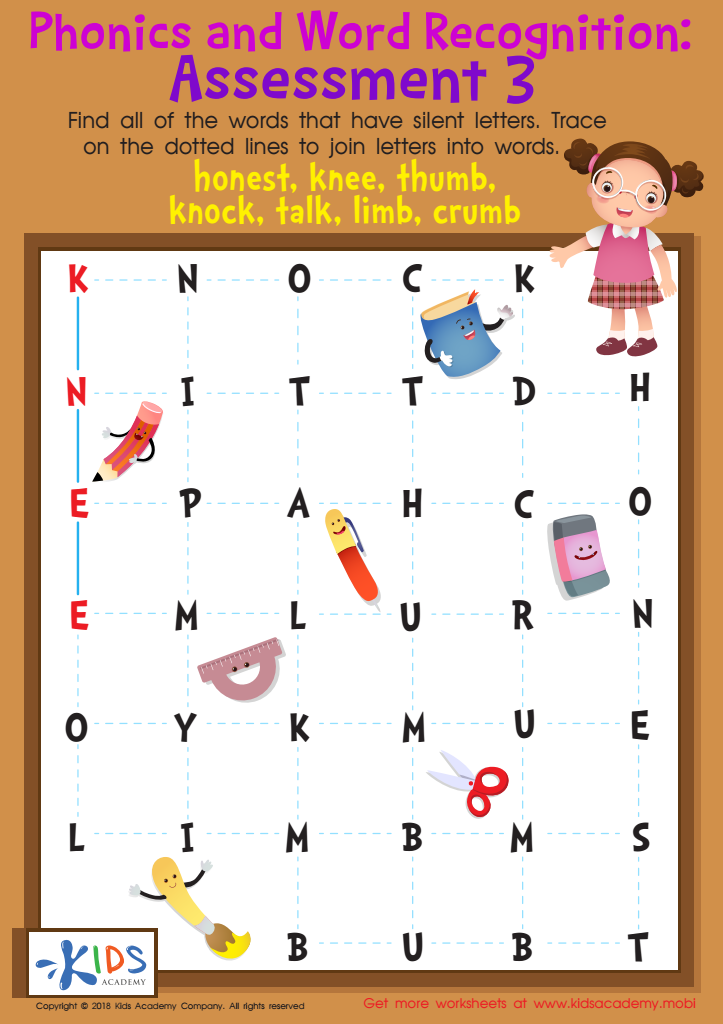
Phonics and Word Recognition: Assessment 3 Worksheet
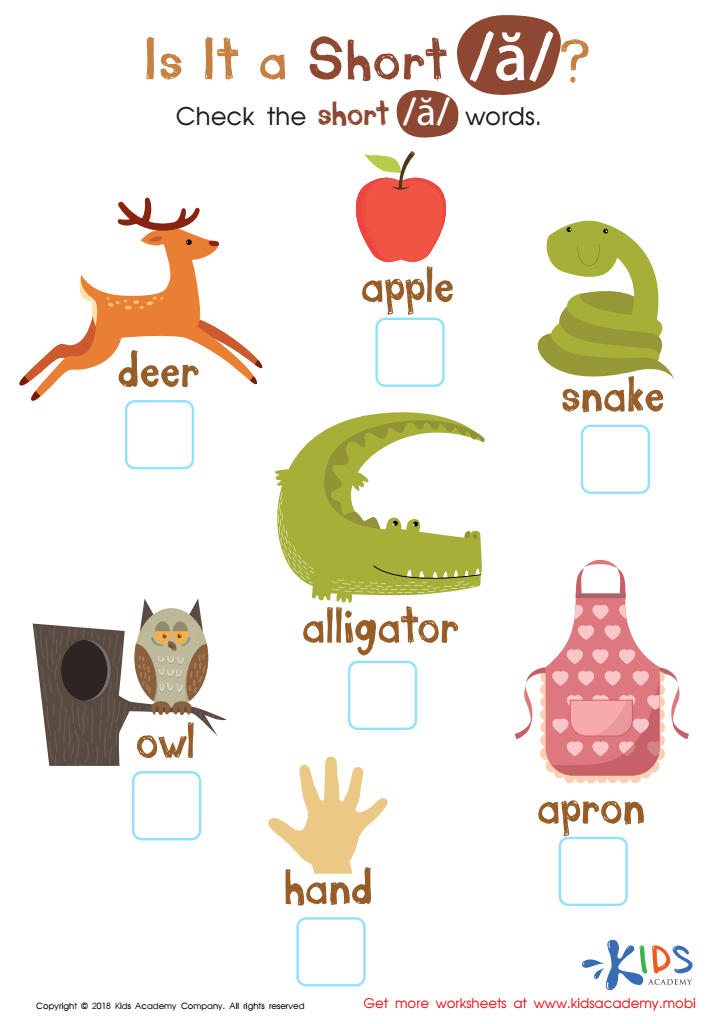
Is It Short A? Reading Worksheet
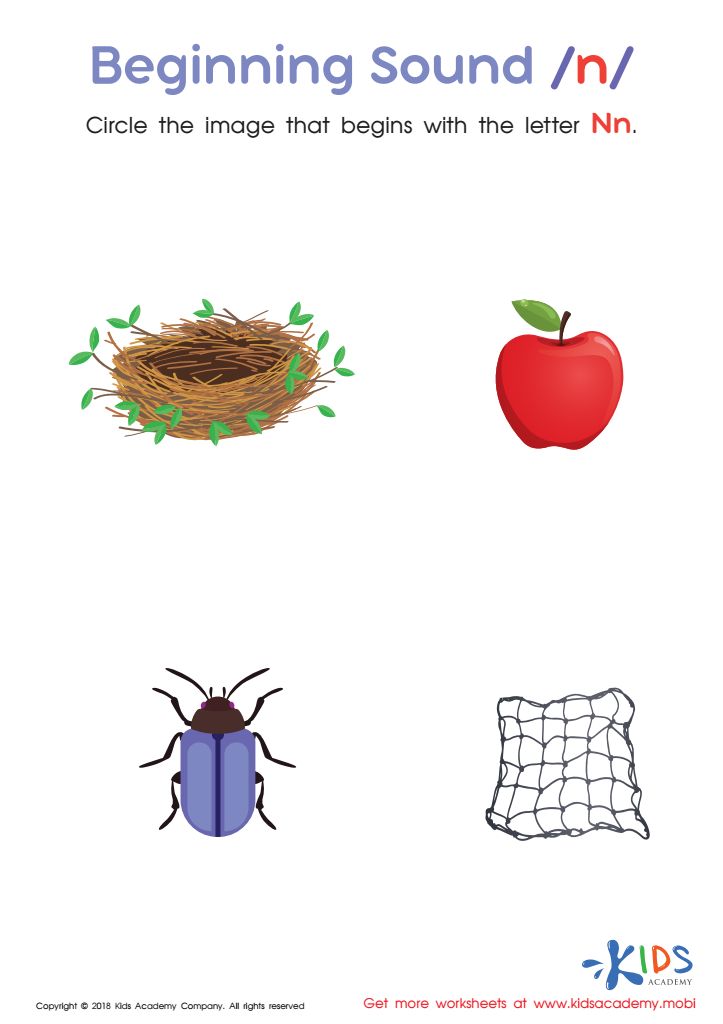
Beginning Sound «n» Worksheet
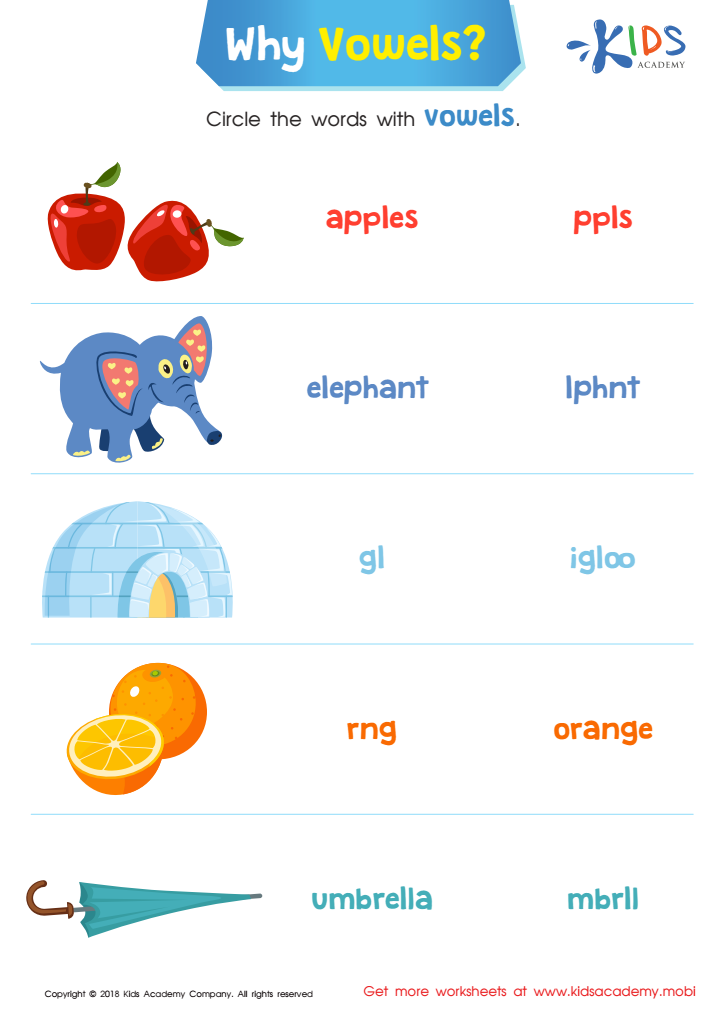
Why Vowels? Reading Worksheet
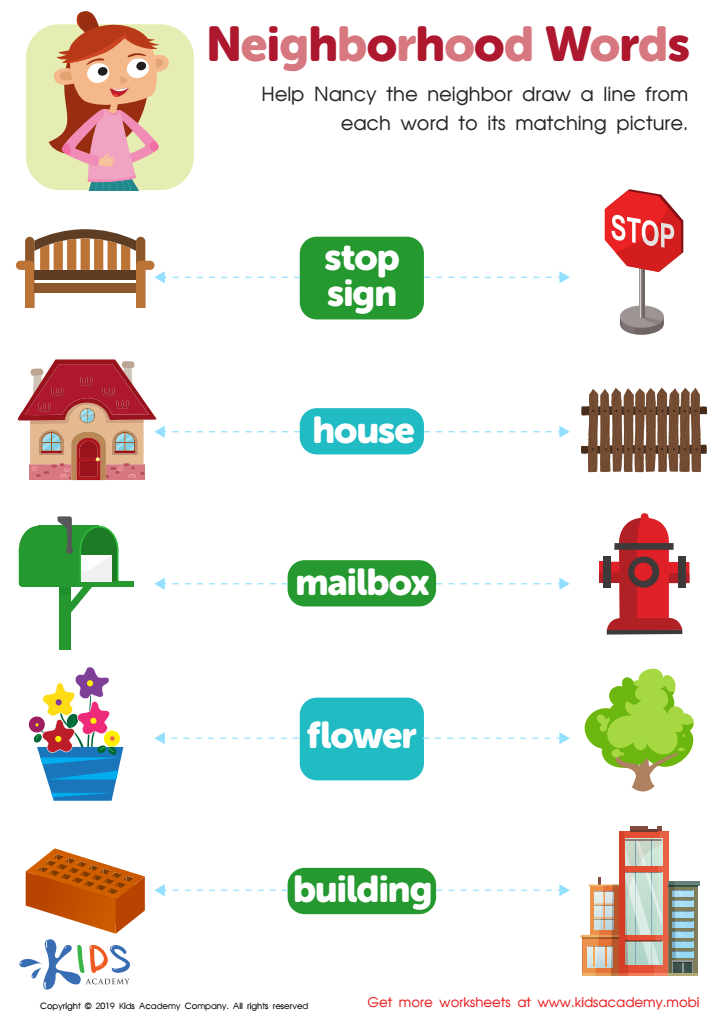
Neighborhood Words Worksheet
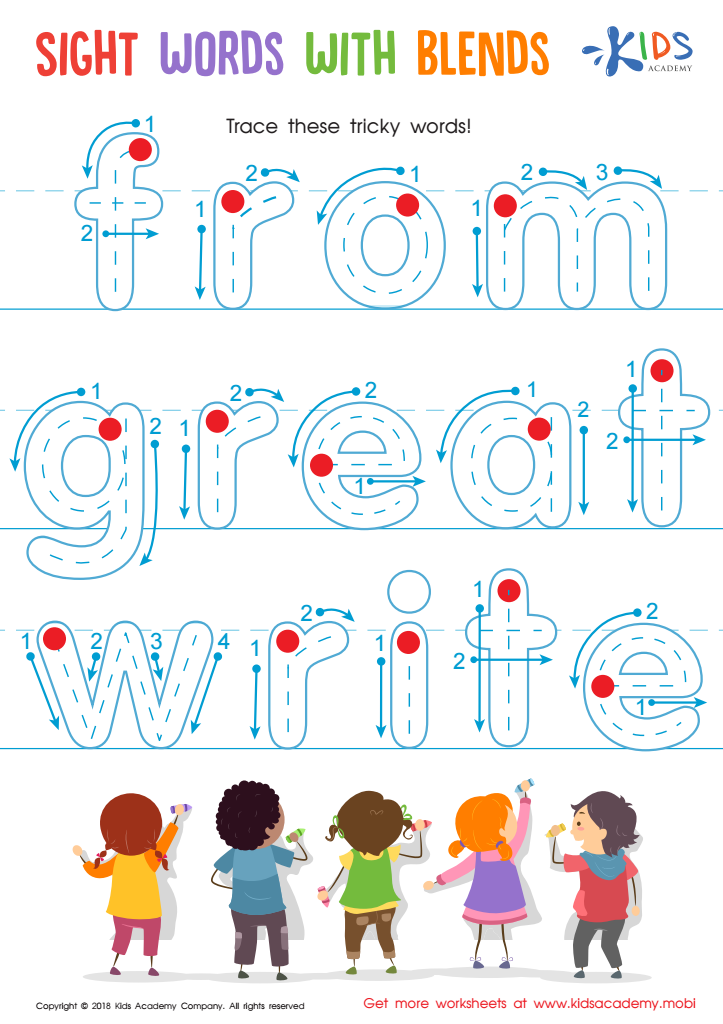
Sight Words with Blends Worksheet
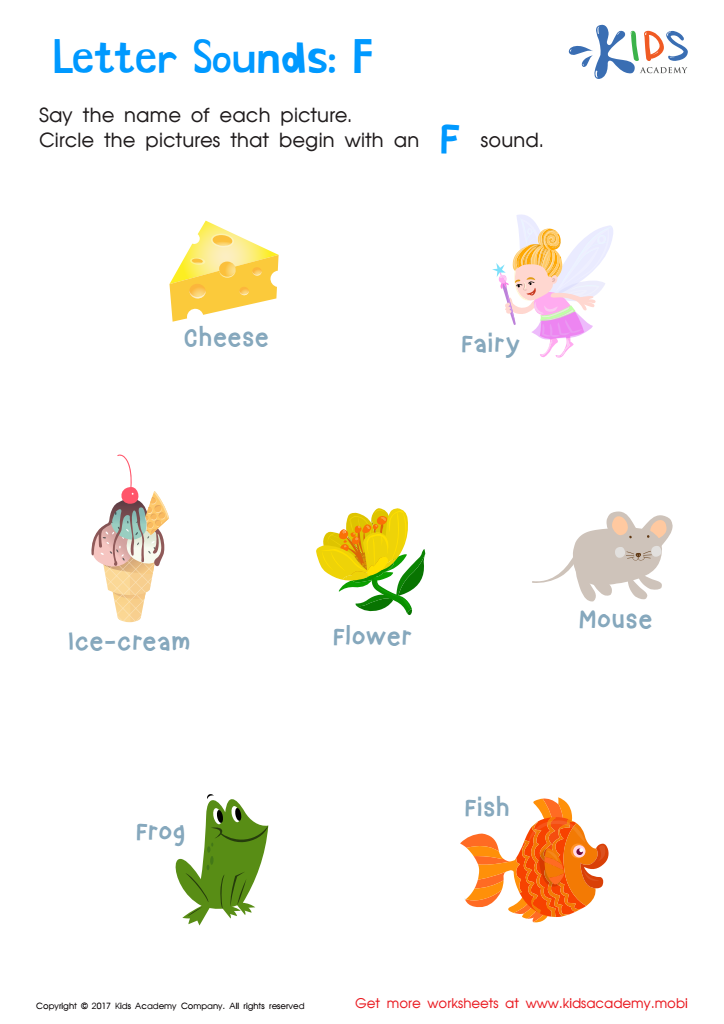
Letter F Sounds Worksheet
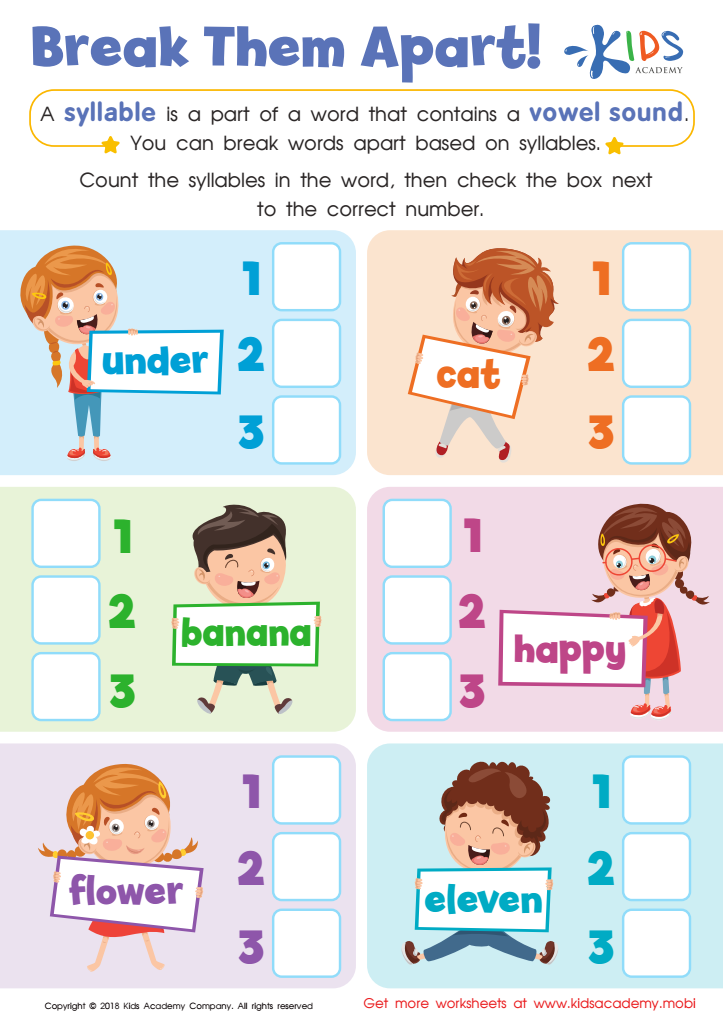
Reading: Break Them Apart Worksheet
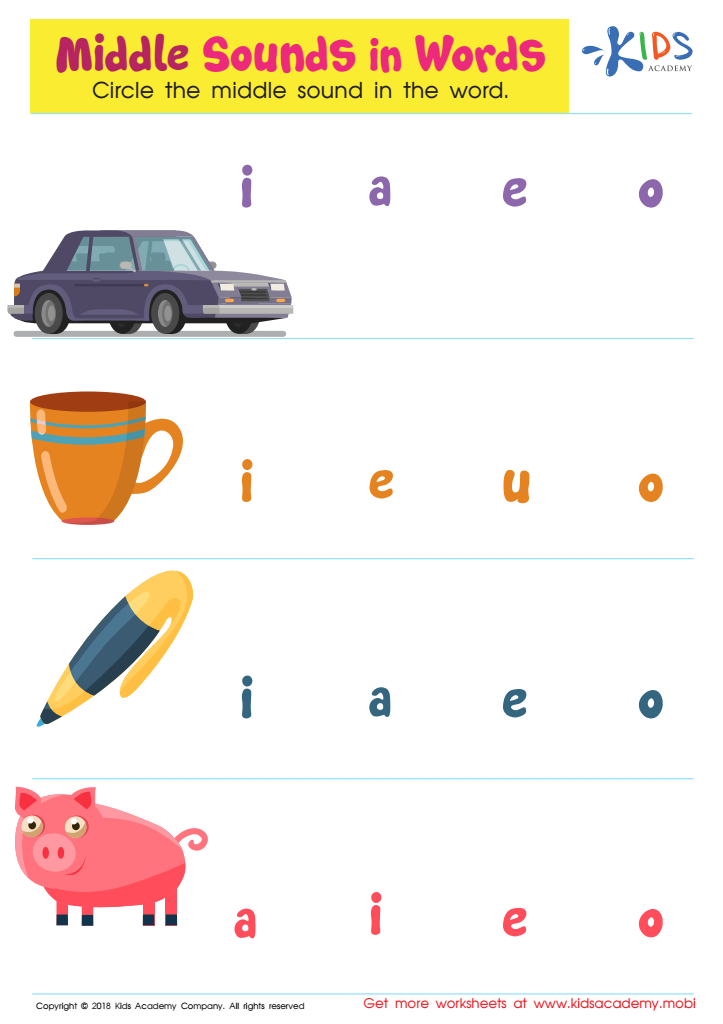
Middle Sounds in Words Worksheet
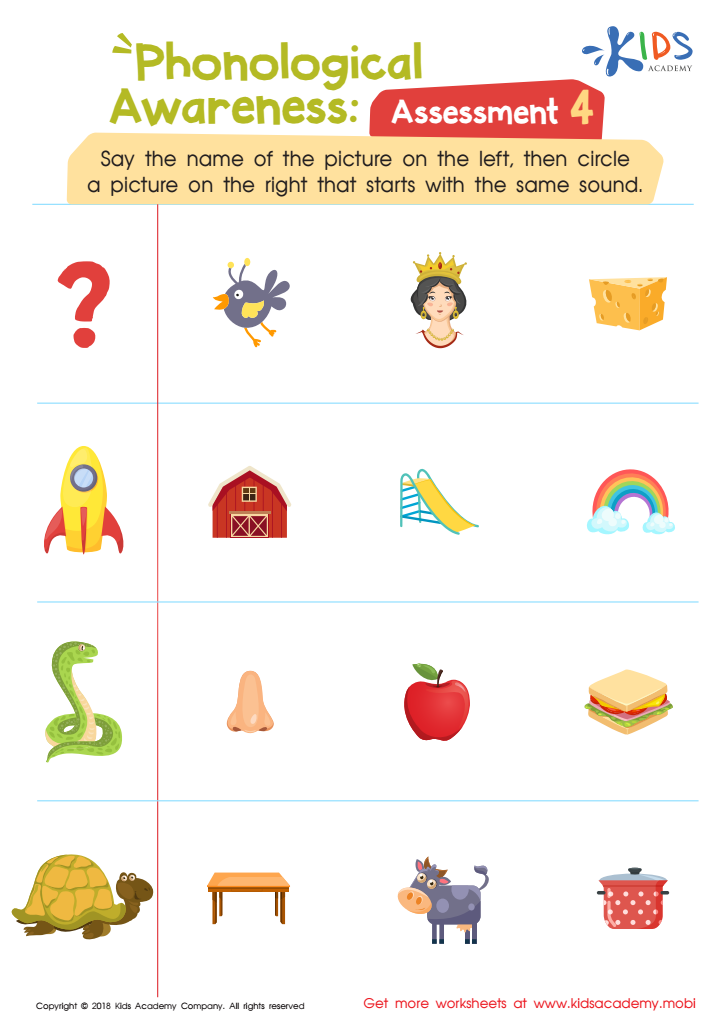
Phonological Awareness: Assessment 4 Worksheet
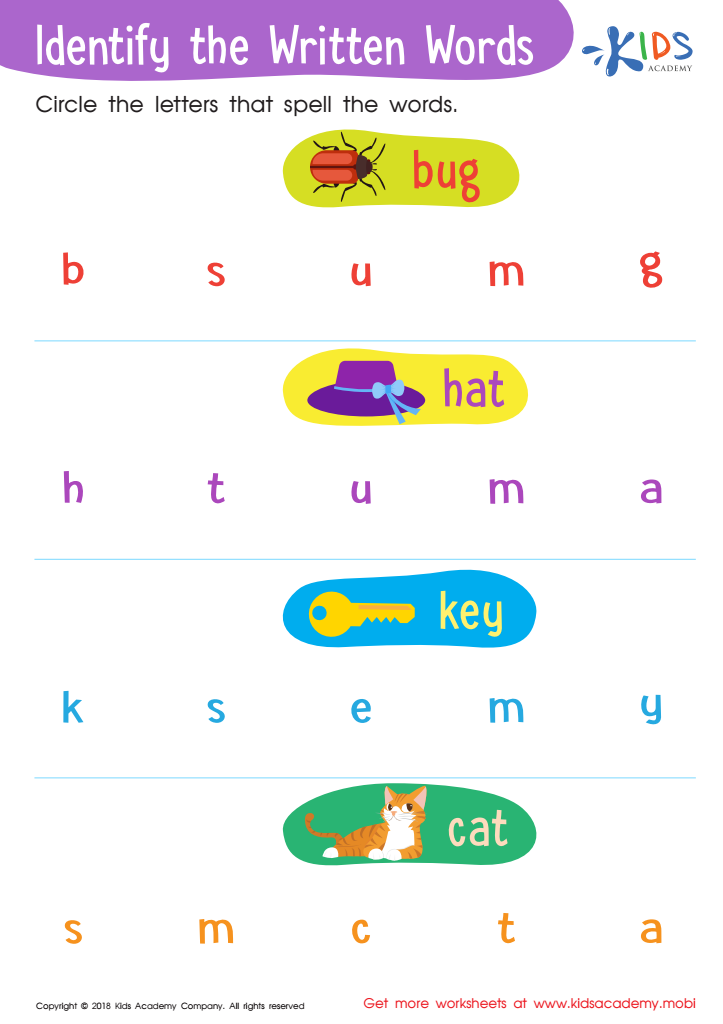
Identify the Written Words Worksheet
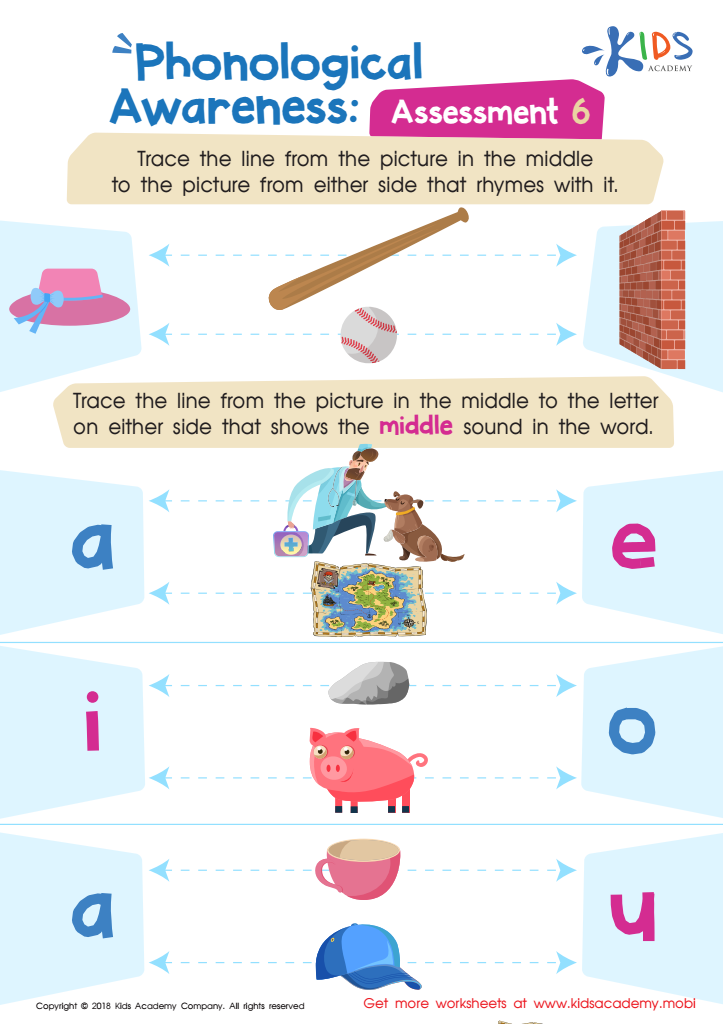
Phonological Awareness: Assessment 6 Worksheet
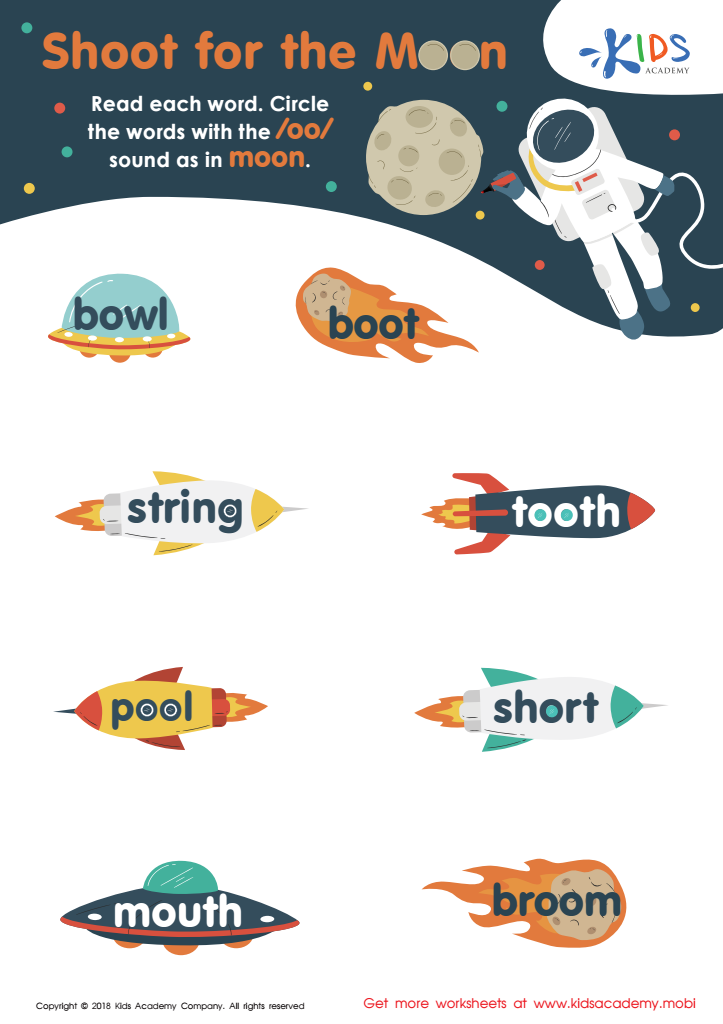
Reading: Shoot for the Moon Worksheet
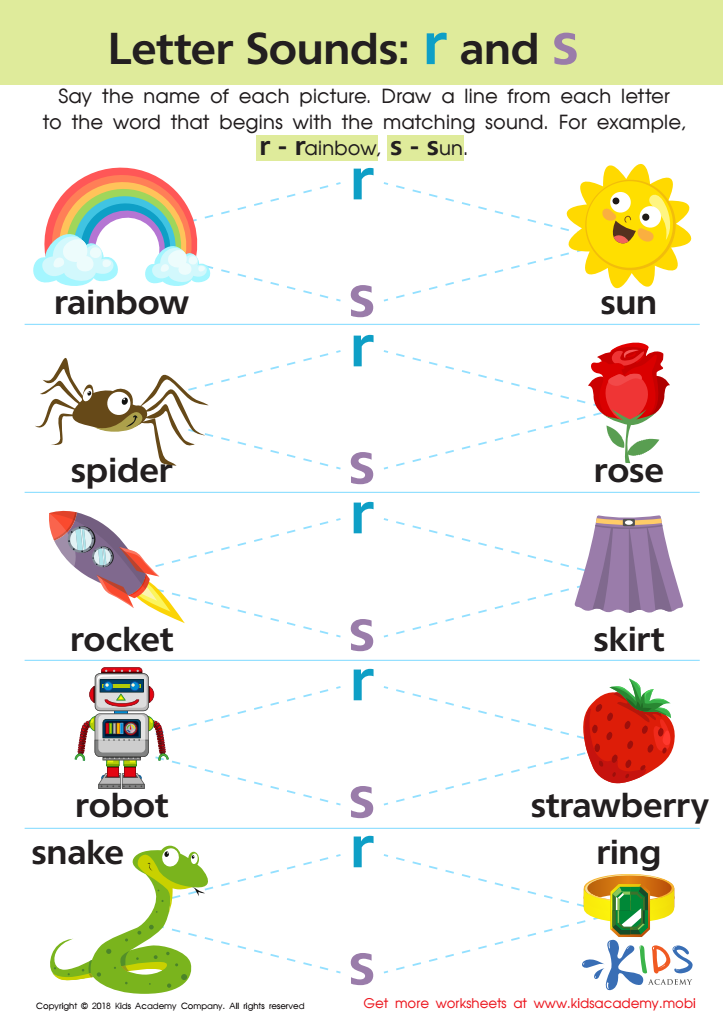
Letter R and S Sounds Worksheet
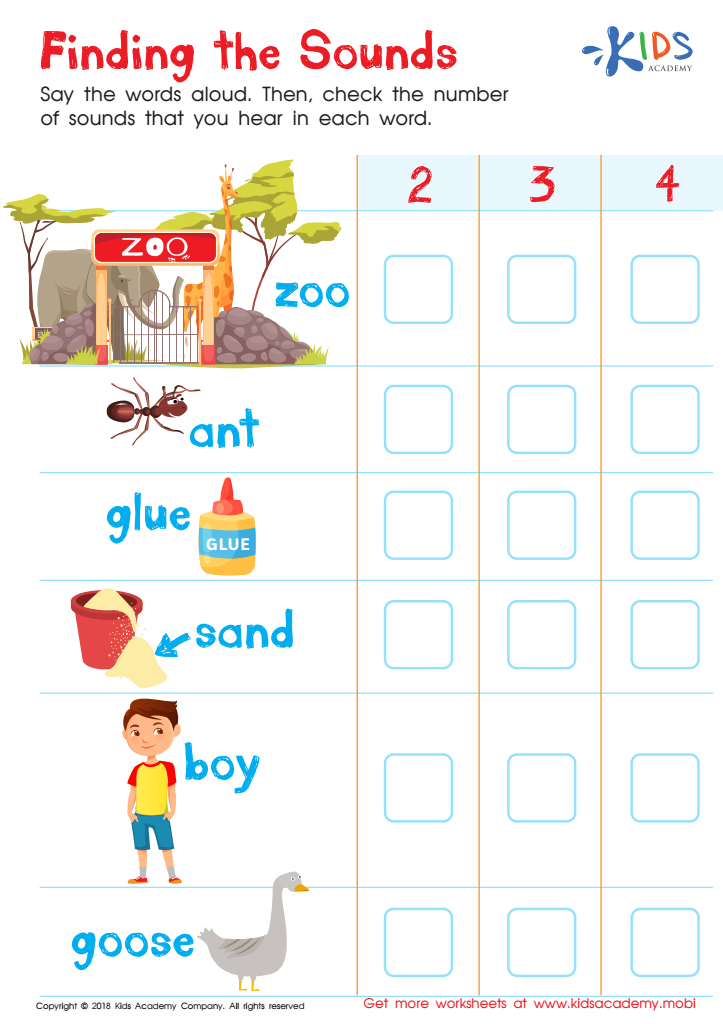
Finding the Sounds Worksheet
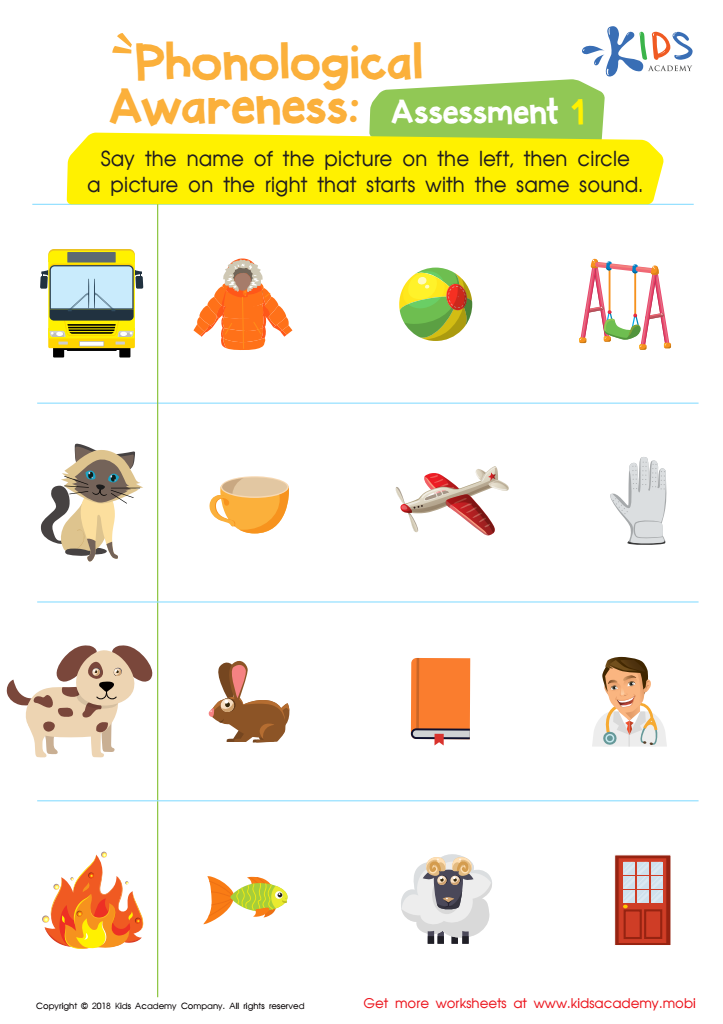
Phonological Awareness: Assessment 1 Worksheet
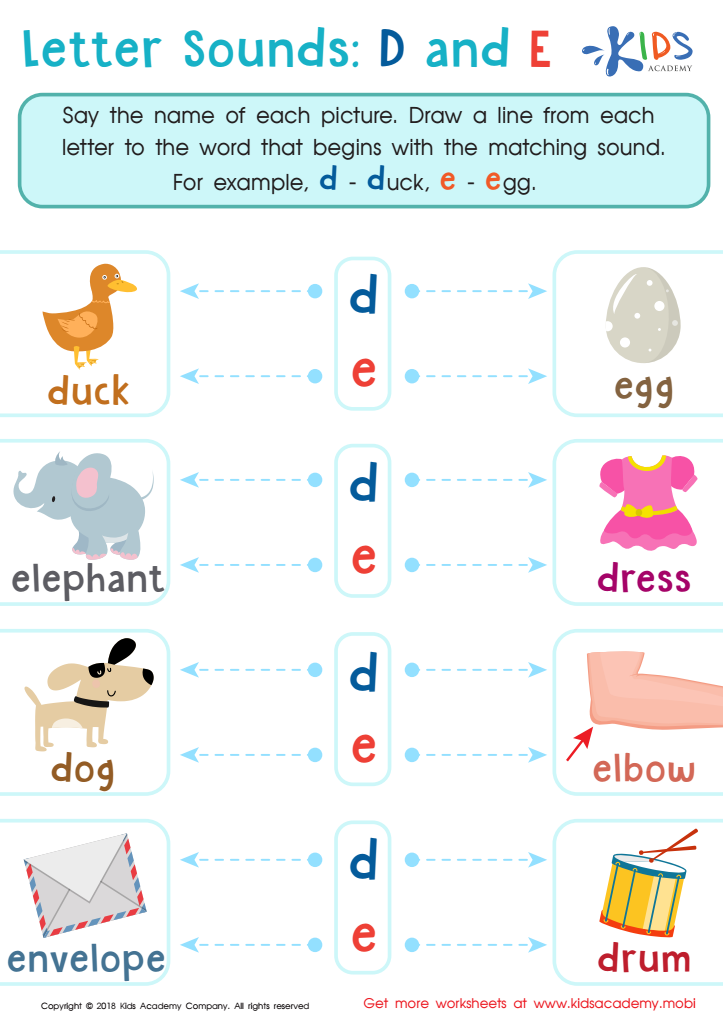
Letter D and E Sounds Worksheet







Vocabulary development and alphabet knowledge for children aged 5-9 provide critical foundational skills for successful reading and writing. During these early formative years, a child's brain is incredibly receptive to learning new words and sounds, making this an ideal window for vocabulary enrichment.
First, a robust vocabulary enhances reading comprehension. The more words a child knows, the easier it is for them to make sense of what they read, leading to better academic performance across all subjects. Knowing the alphabet helps children grasp the principles of phonics, the relationship between letters and sounds, which is essential for decoding new words.
Second, having a wide range of vocabulary aids in effective communication. It empowers children to express their thoughts and emotions more clearly and with greater precision, improving their social interactions and self-confidence. Alphabet familiarity boosts their ability to engage in early writing exercises, contributing to fine motor skill development.
Moreover, early attention to vocabulary and the alphabet primes children for lifelong learning. It sets the stage for critical thinking and the capacity to understand complex concepts as they grow.
Parents and teachers play a vital role in fostering an enriching linguistic environment through activities like reading aloud, conversation, and alphabet games. These efforts cultivate not just academic skills, but a child’s curiosity and love for learning.







