Spelling practice Phonics Worksheets for Ages 5-9 - Page 3
65 filtered results
-
From - To
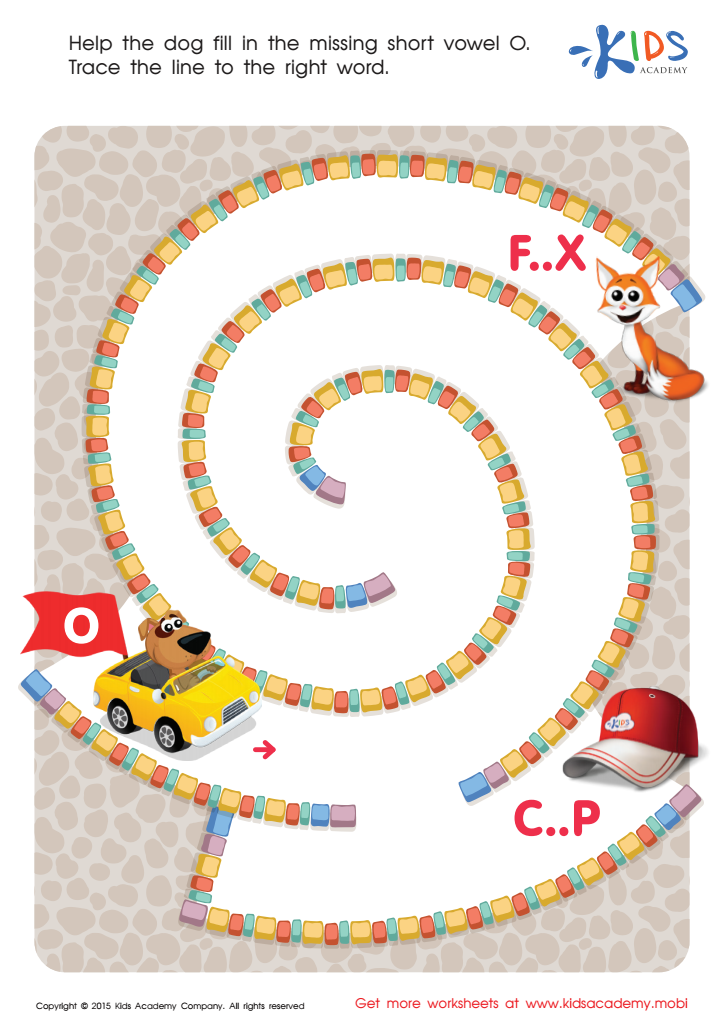
Short Vowel Sound O Worksheet
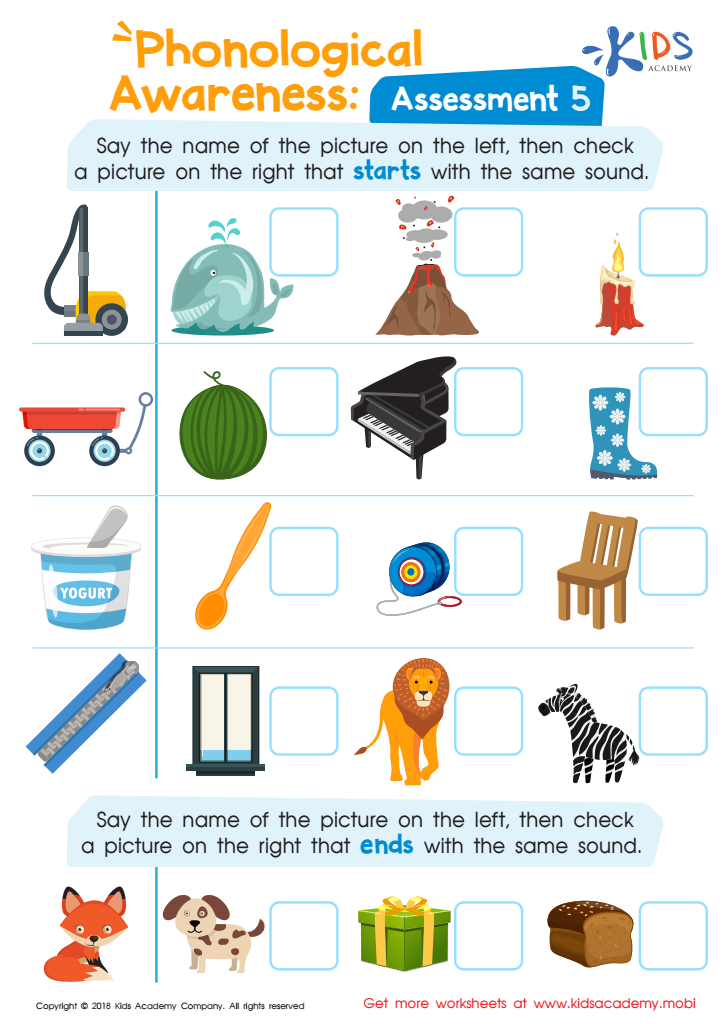
Phonological Awareness: Assessment 5 Worksheet
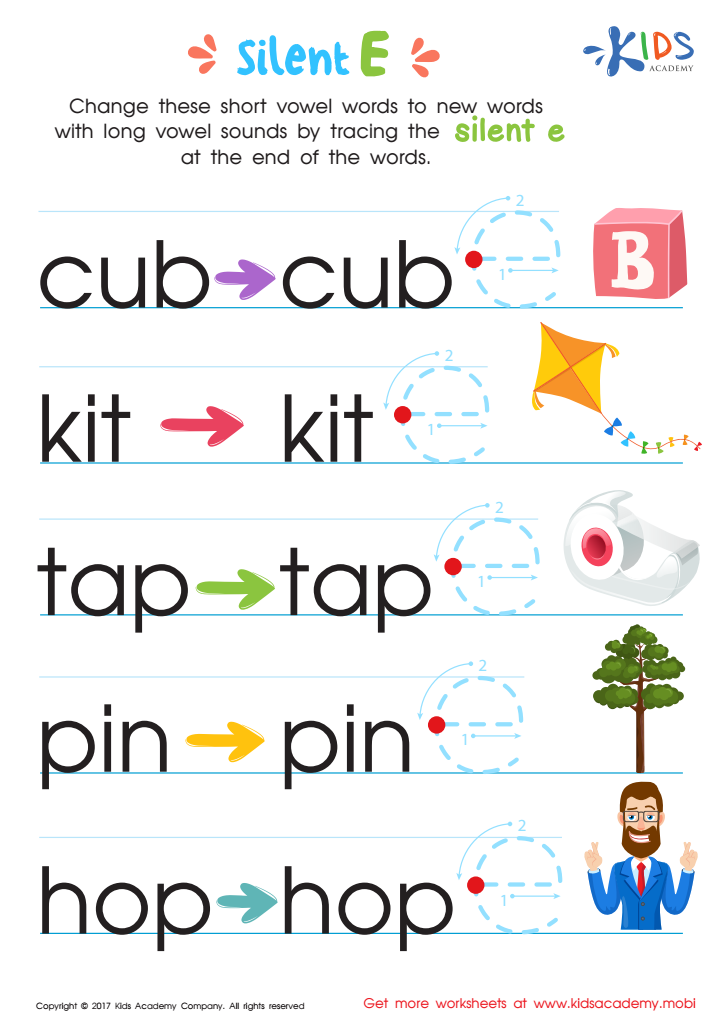
Silent E Words Worksheet
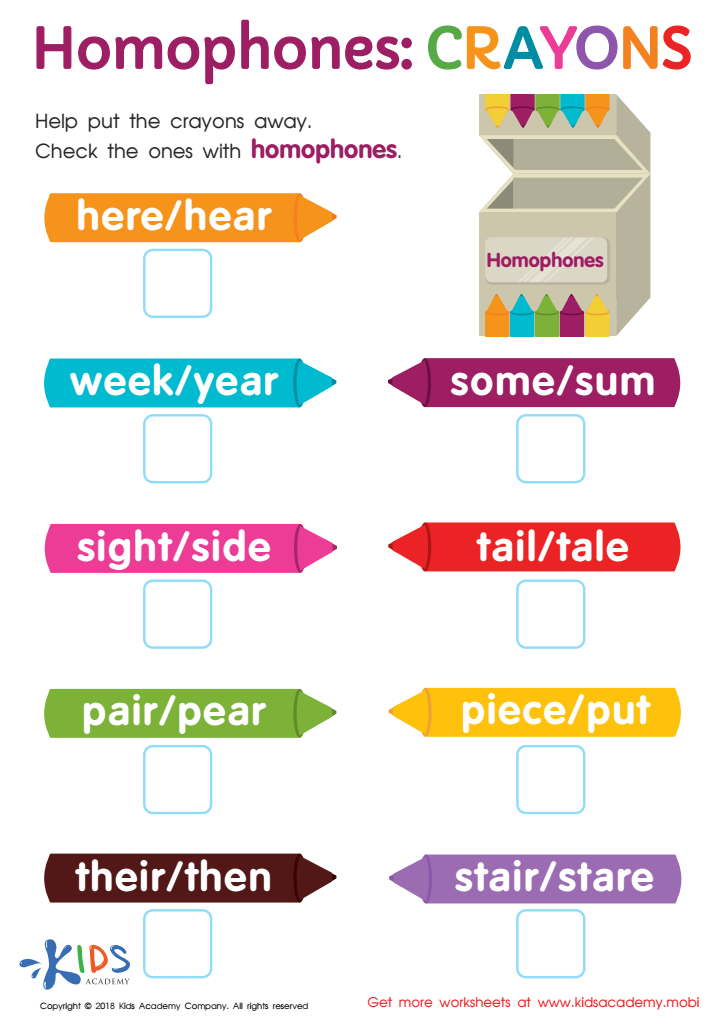
Homophones: Crayons Worksheet
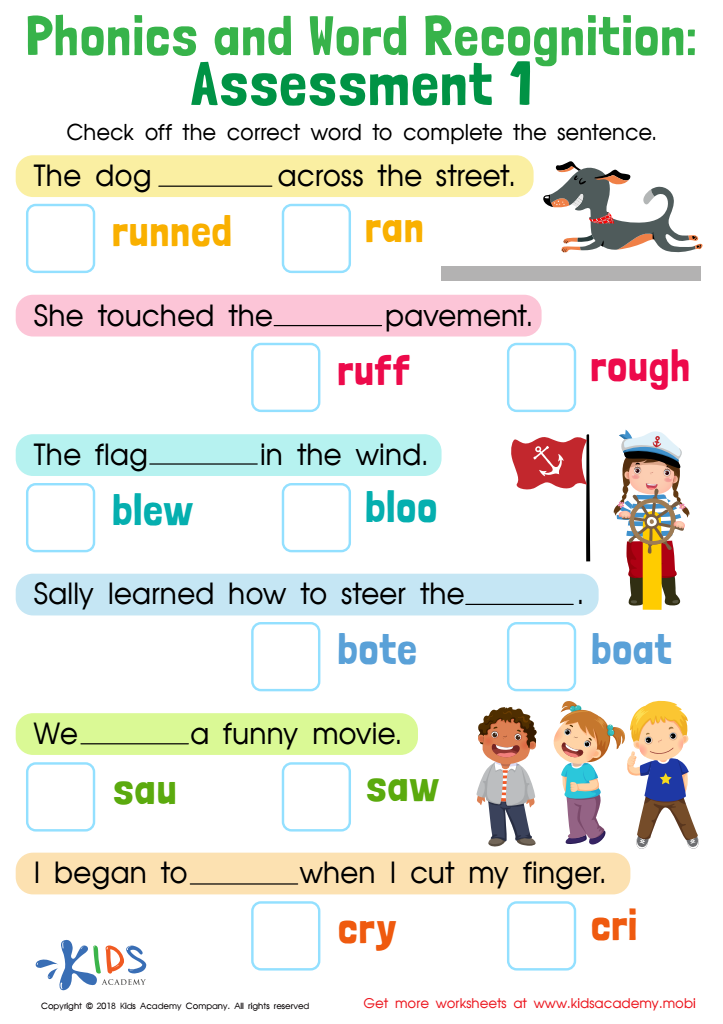
Phonics and Word Recognition: Assessment 1 Worksheet
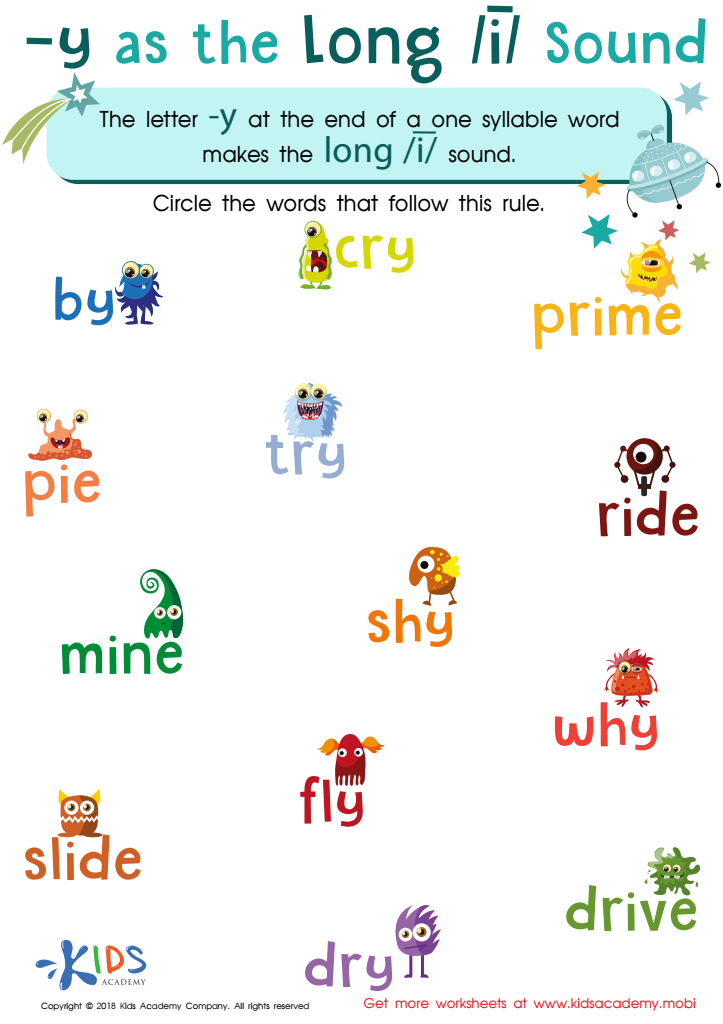
Reading: Y as Long I Worksheet
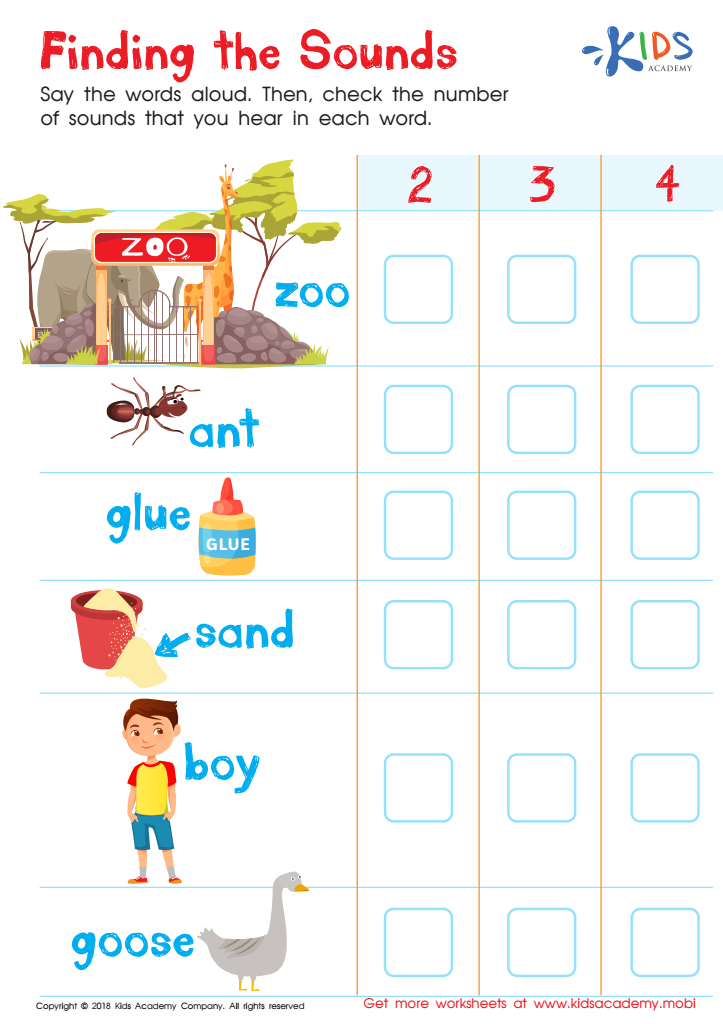
Finding the Sounds Worksheet
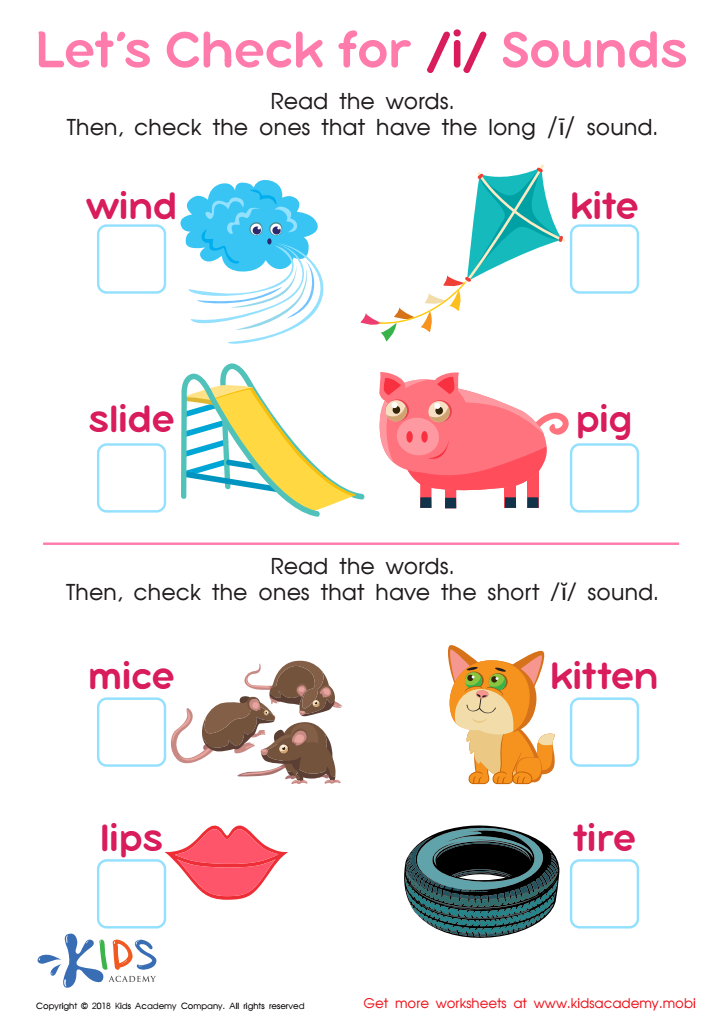
Let's Check for «i» Sounds Worksheet
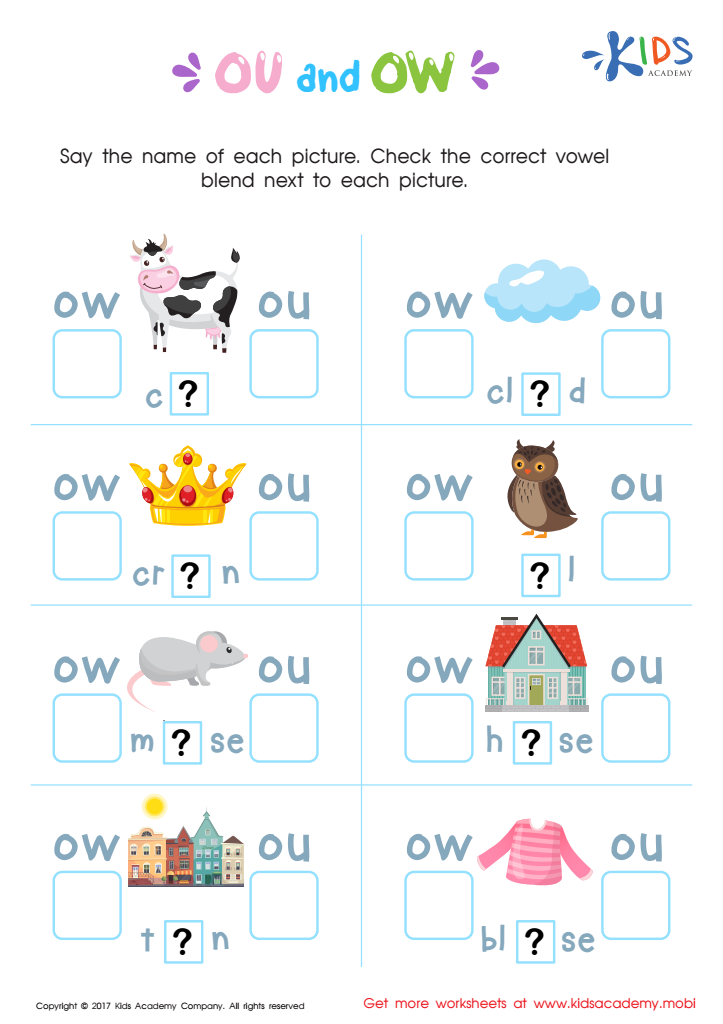
OU and OW Words Worksheet
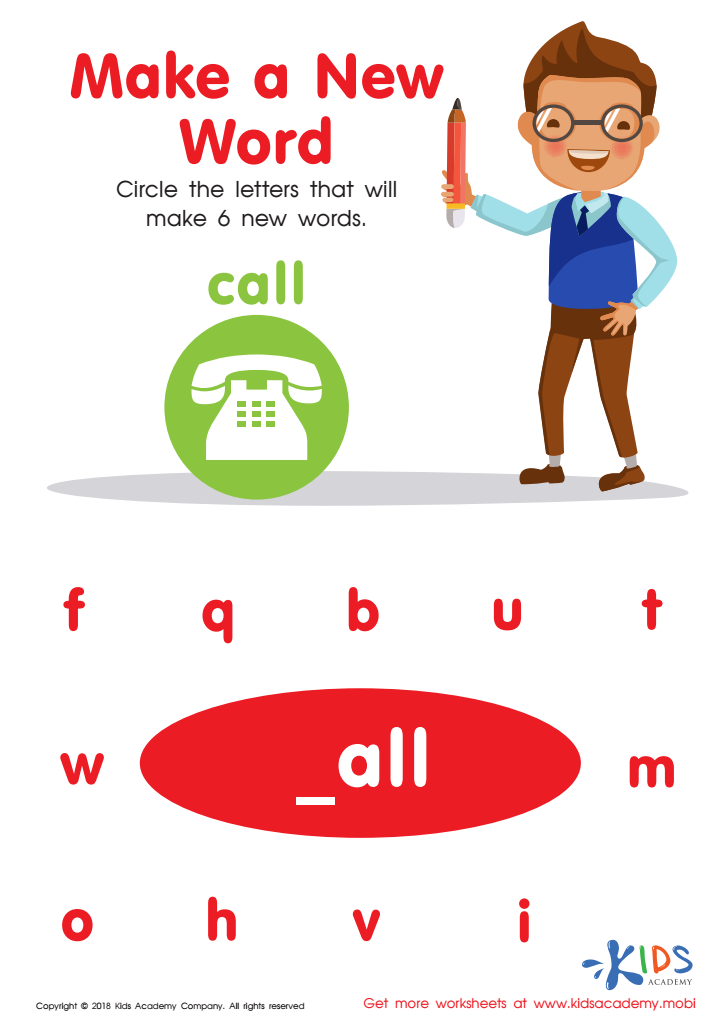
Make a New Word Worksheet
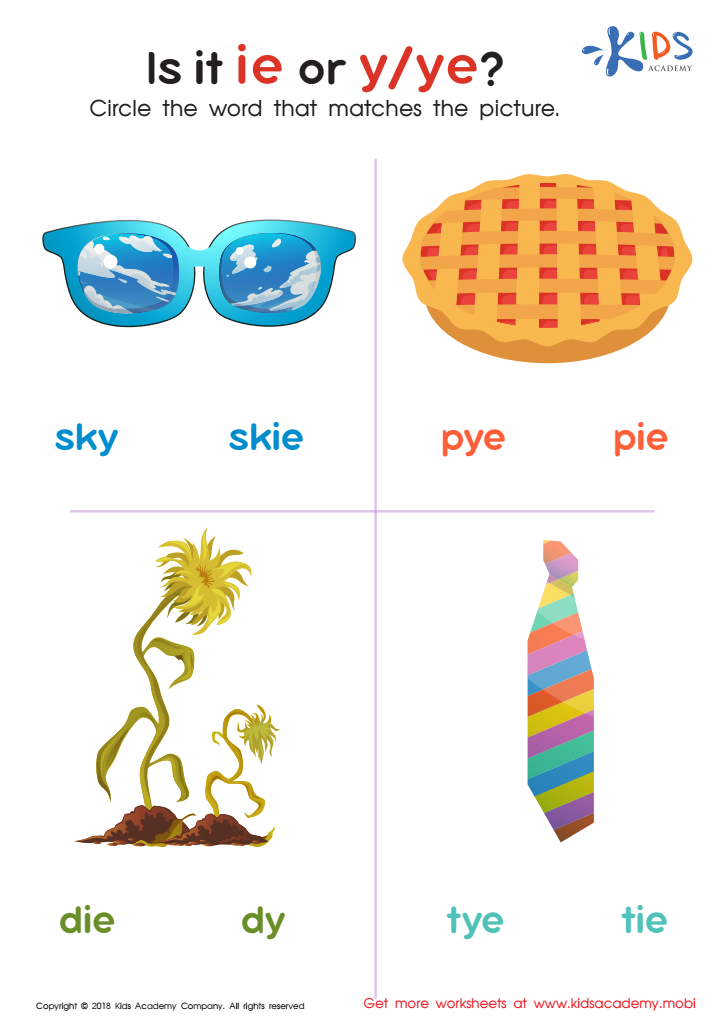
Is It IE or Y/Ye? Worksheet
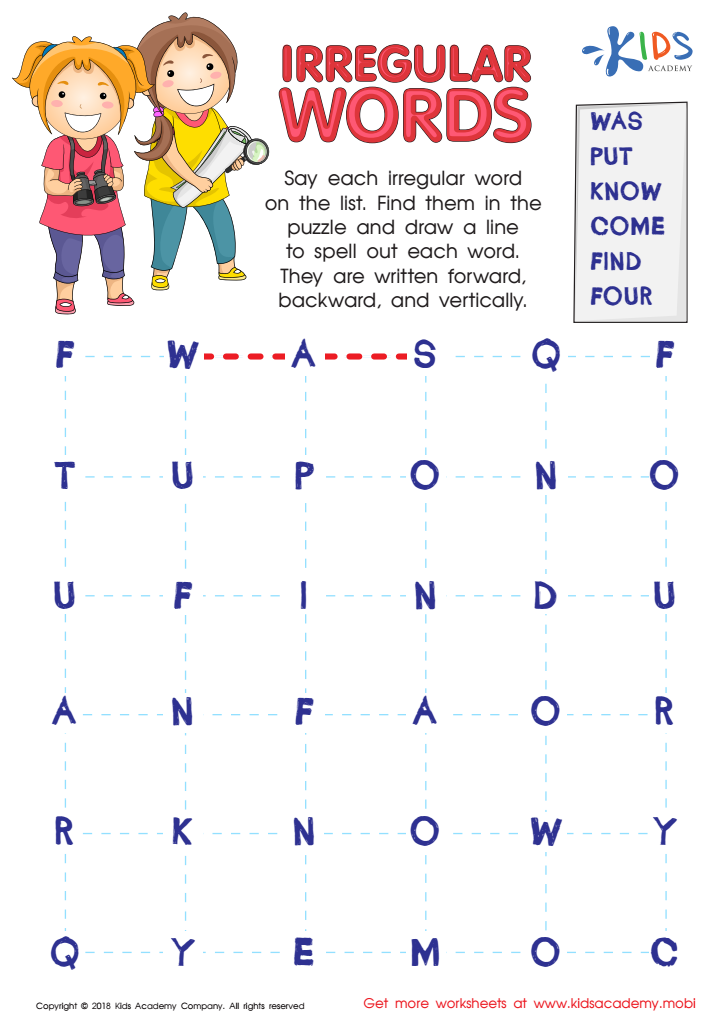
Irregular Words Worksheet
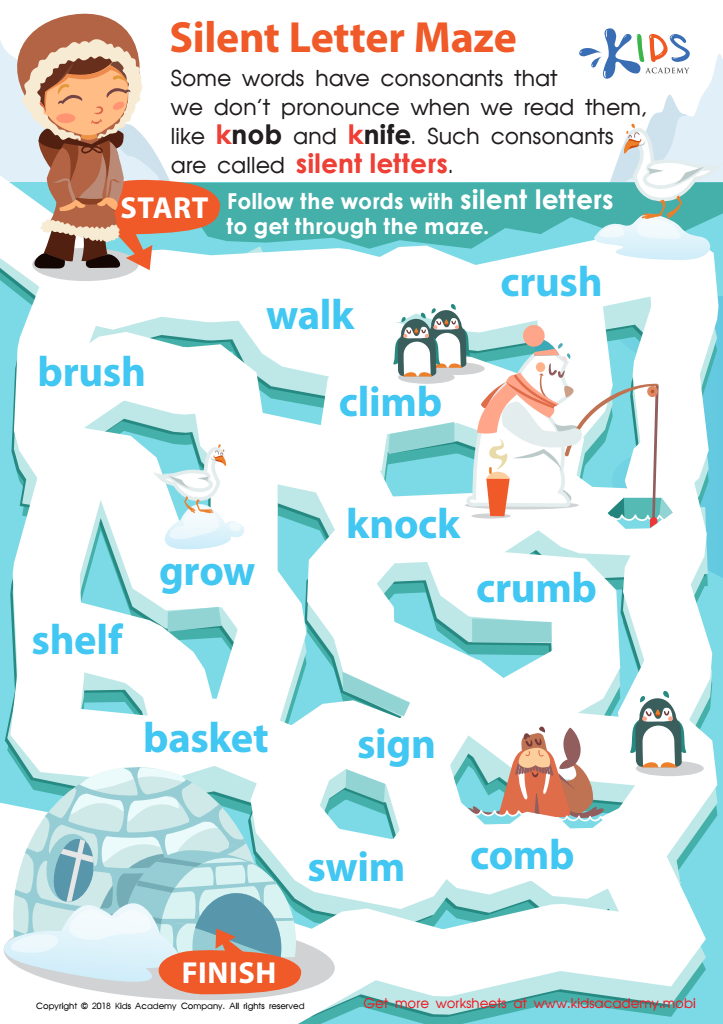
Silent Letter Maze Worksheet
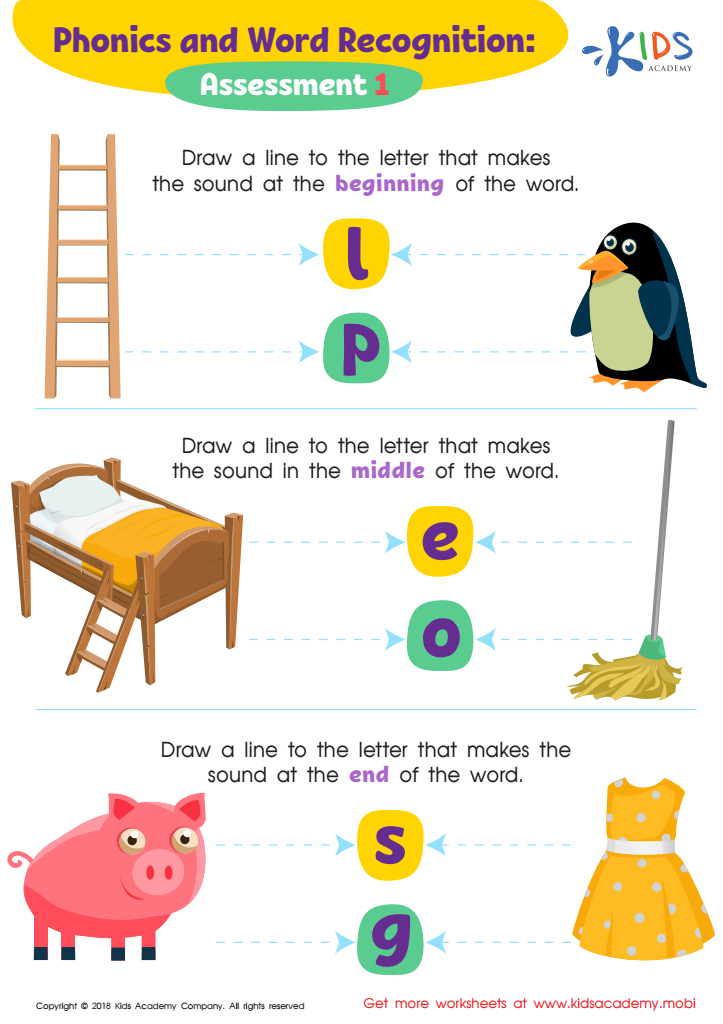
Phonics and Word Recognition: Assessment 1 ELA Worksheet
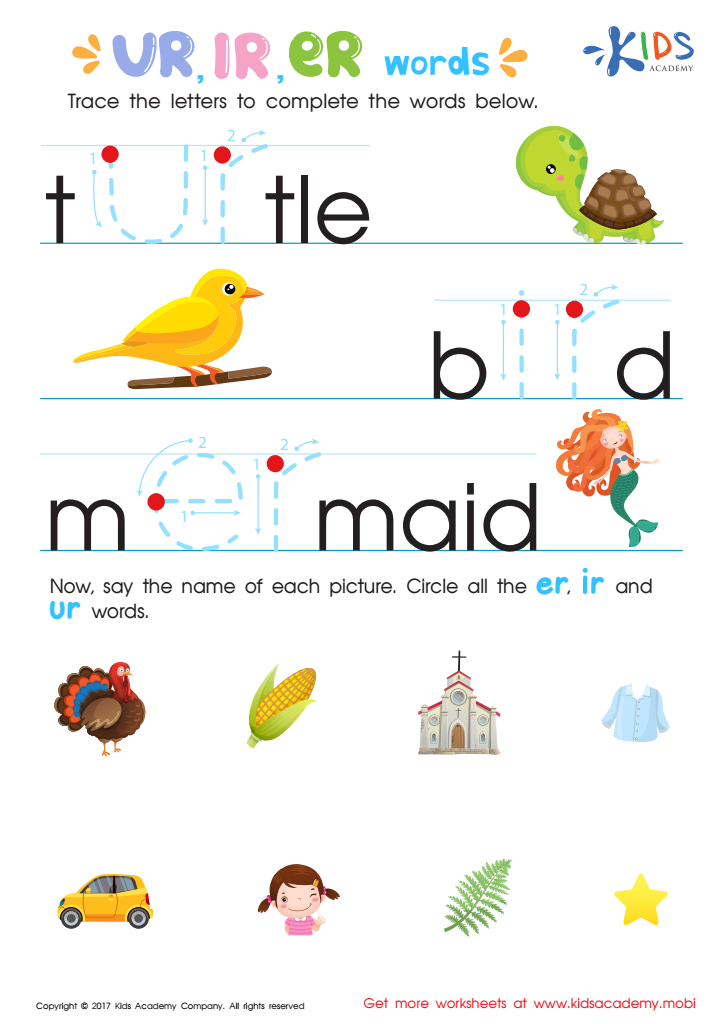
IR UR ER Words Worksheet
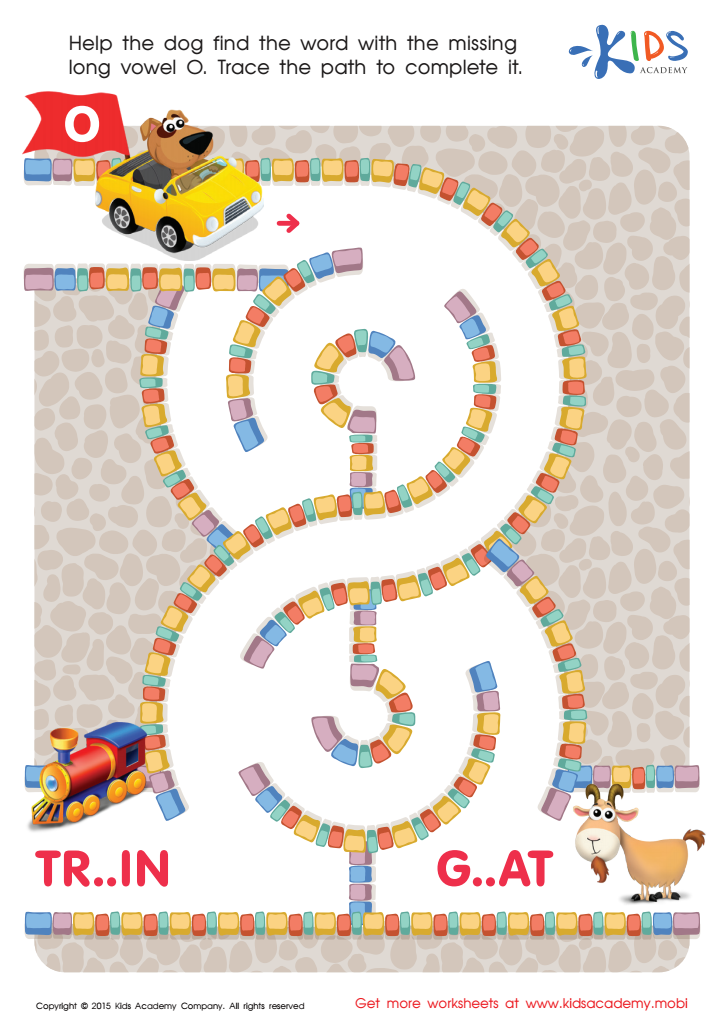
Long Vowel Sound O Worksheet
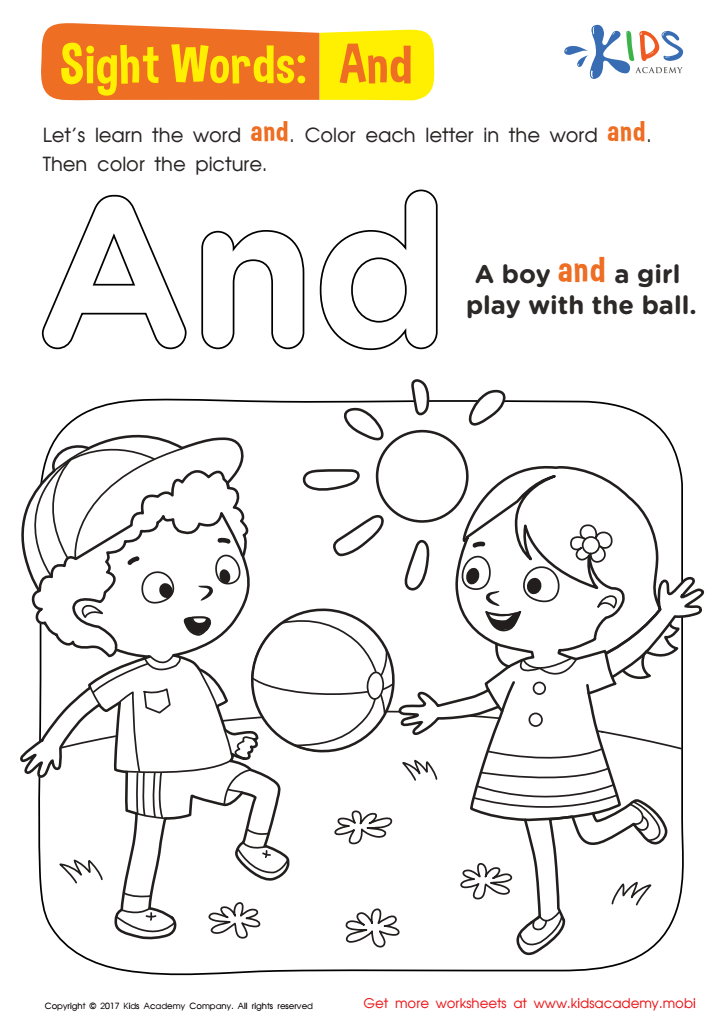
And Worksheet Sight Words Worksheet
 Assign to My Students








Parents and teachers should care about spelling practice and phonics for children aged 5-9 because these foundational skills are essential for their overall literacy development. During this critical early learning period, children are at a prime age for language acquisition and developing the basic building blocks of reading and writing.
Spelling practice helps children understand the relationship between letters and sounds, improving their ability to decode and construct words accurately. This, in turn, enhances their reading fluency and comprehension. When children can spell correctly, they are more likely to read confidently and extract meaning from texts, which is crucial for their academic success.
Phonics instruction provides systematic guidance on how sounds are represented by letters and letter combinations. This explicit teaching of sound-letter correspondences helps children develop strong phonemic awareness, which is strongly correlated with better reading outcomes. Phonics also empowers children to decode new words independently, fostering a sense of confidence and independence in their reading abilities.
Together, spelling practice and phonics lay a solid foundation for more advanced literacy skills, including vocabulary development, grammar, and writing. Investing time in these skills at an early age can help prevent future reading difficulties, ensuring that children become proficient, enthusiastic readers and effective communicators. By prioritizing these areas, parents and teachers set the stage for lifelong learning and academic success.







