Fine Motor Skills Tracing Letters Worksheets for Ages 5-9 - Page 2
35 filtered results
-
From - To
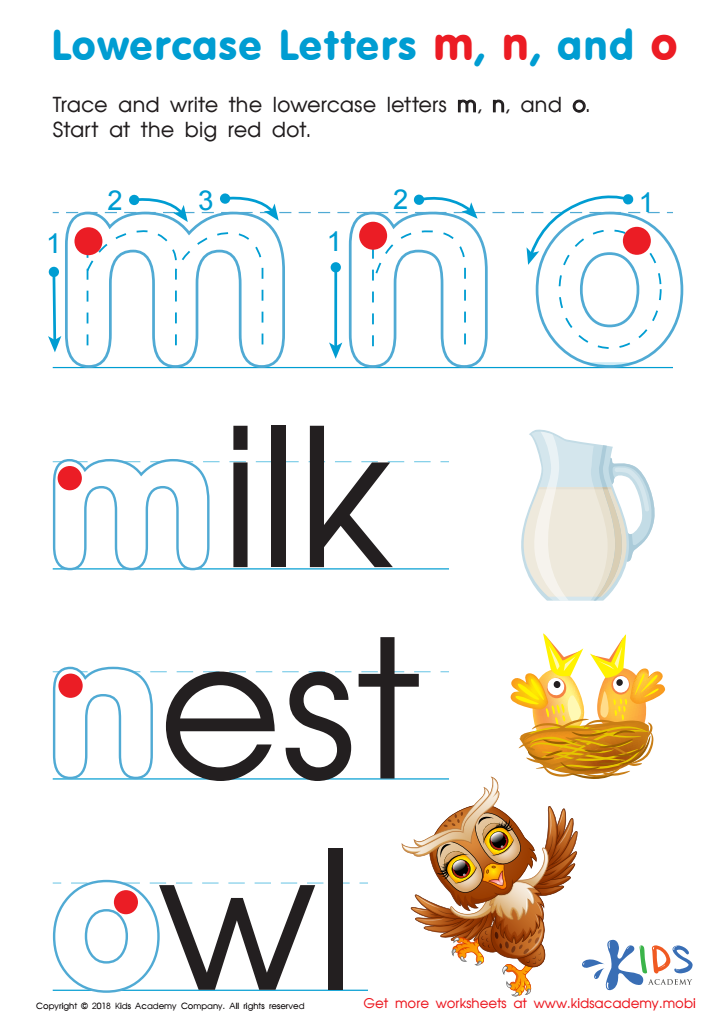
Lowercase Letters m n o Worksheet
 Assign to My Students
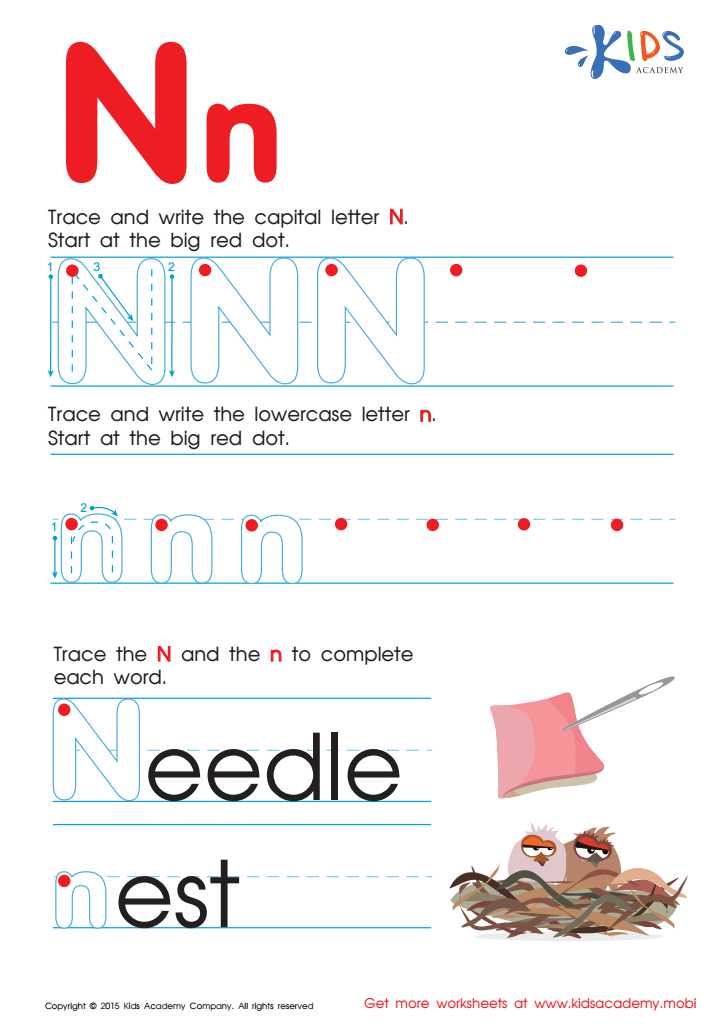
Letter N Tracing Page
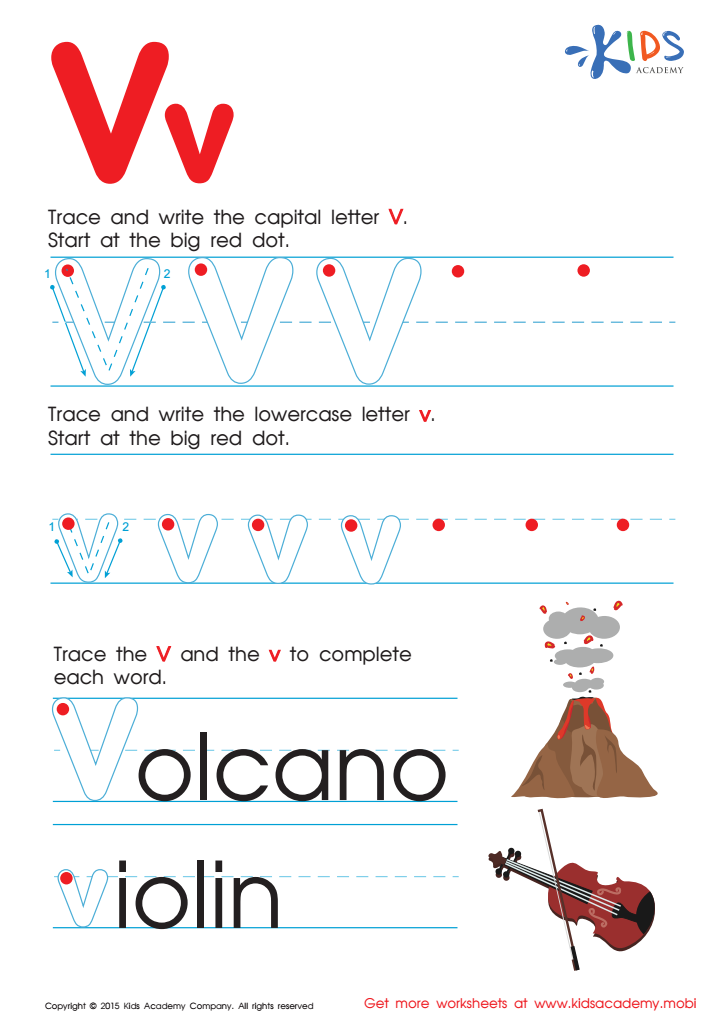
Letter V Tracing Page
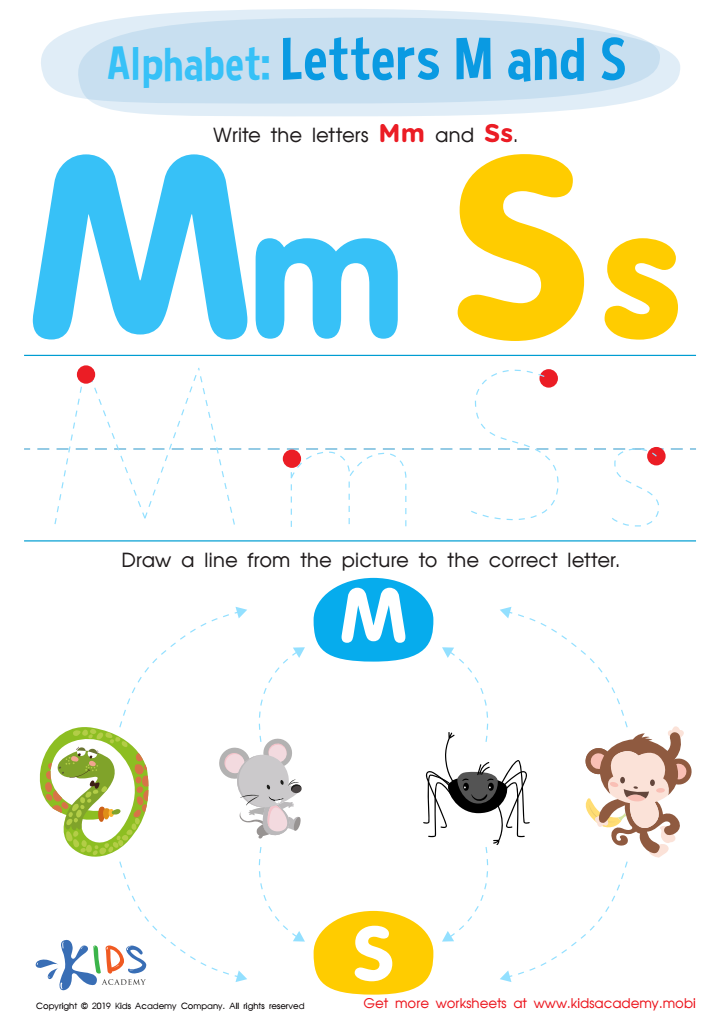
Letters M and S Tracing Worksheet
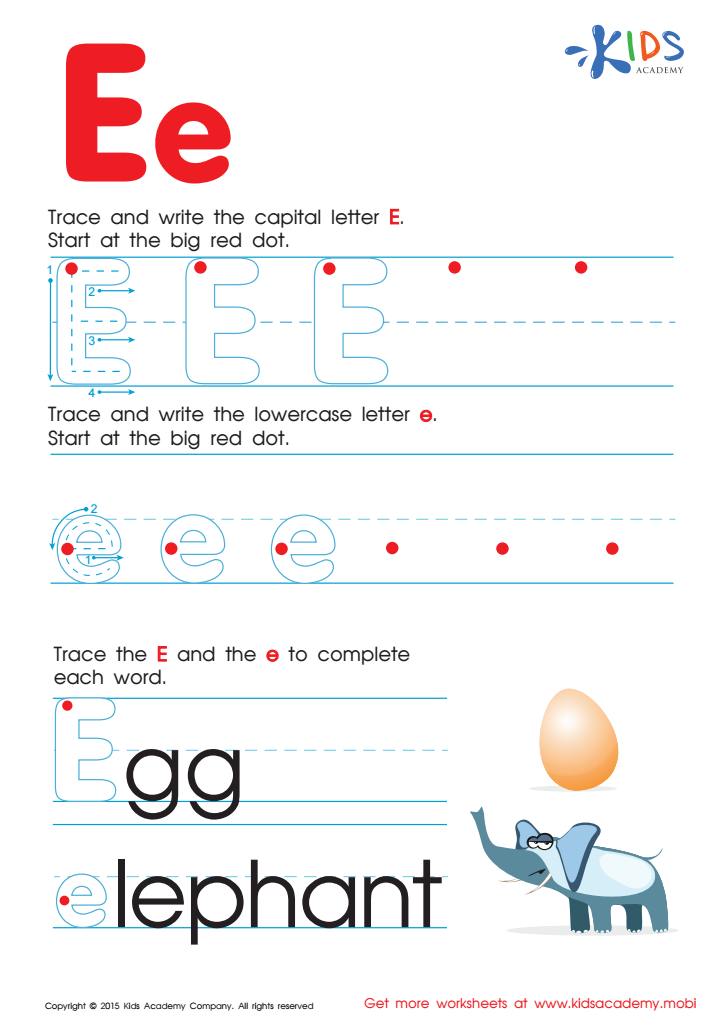
Letter E Tracing Page
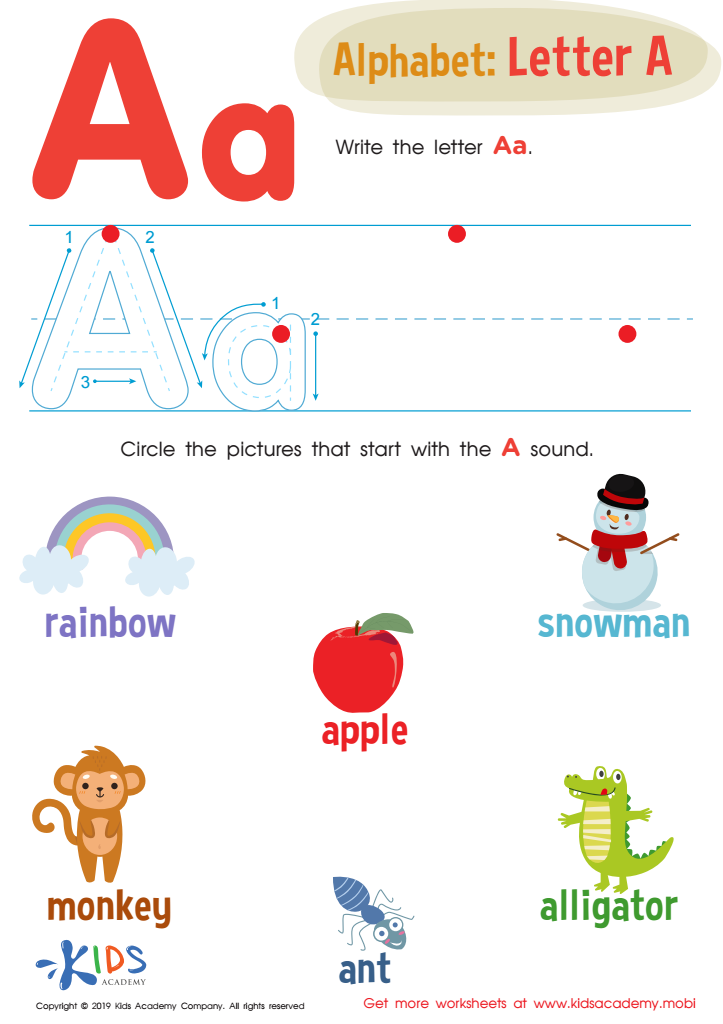
Letter A Tracing Worksheet
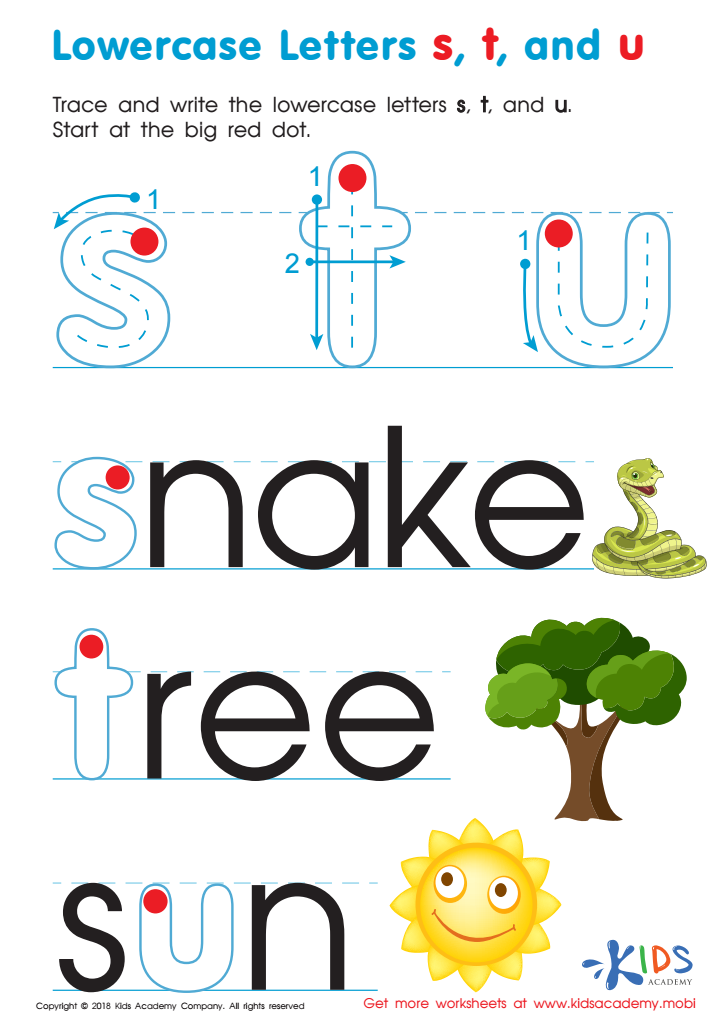
Lowercase Letters s t u Worksheet
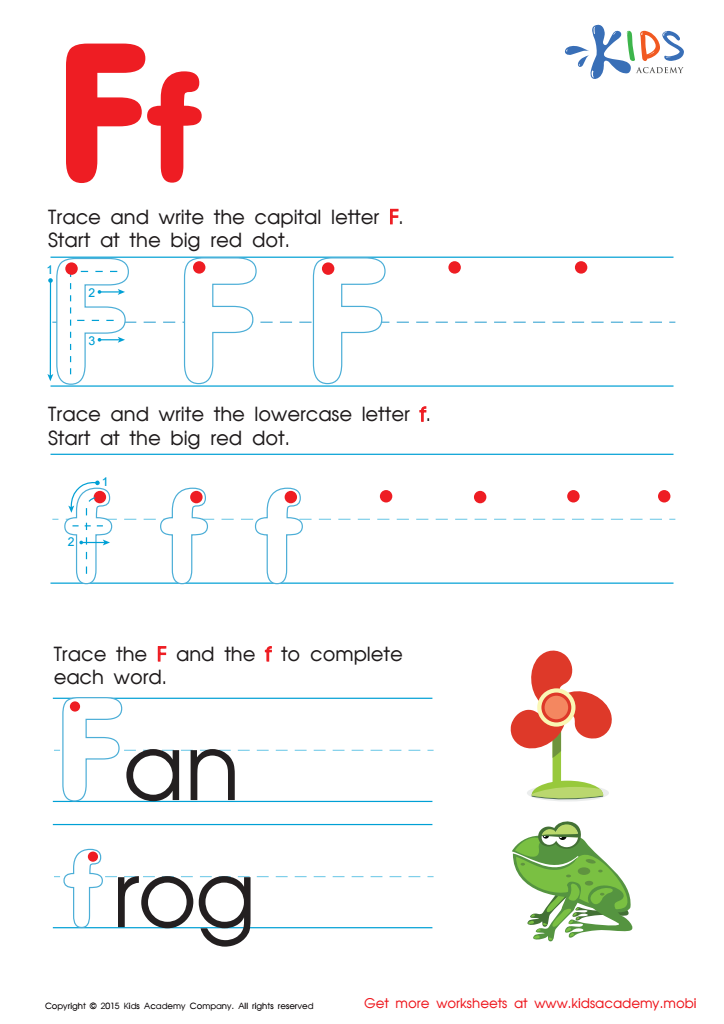
Letter F Tracing Page
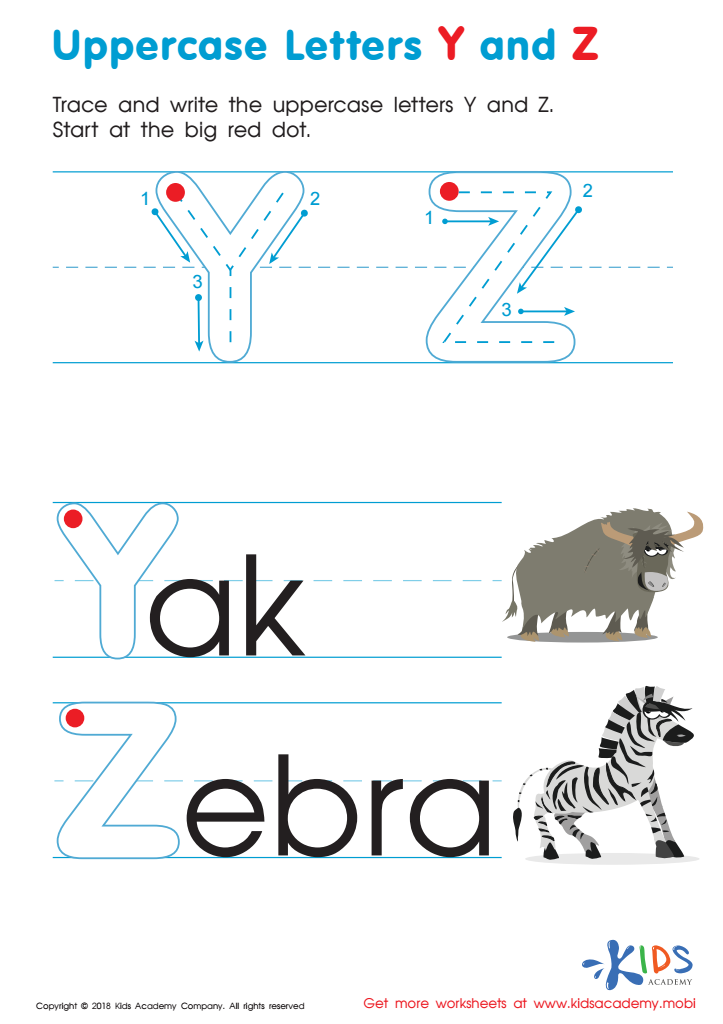
Uppercase Letters Y Z Worksheet
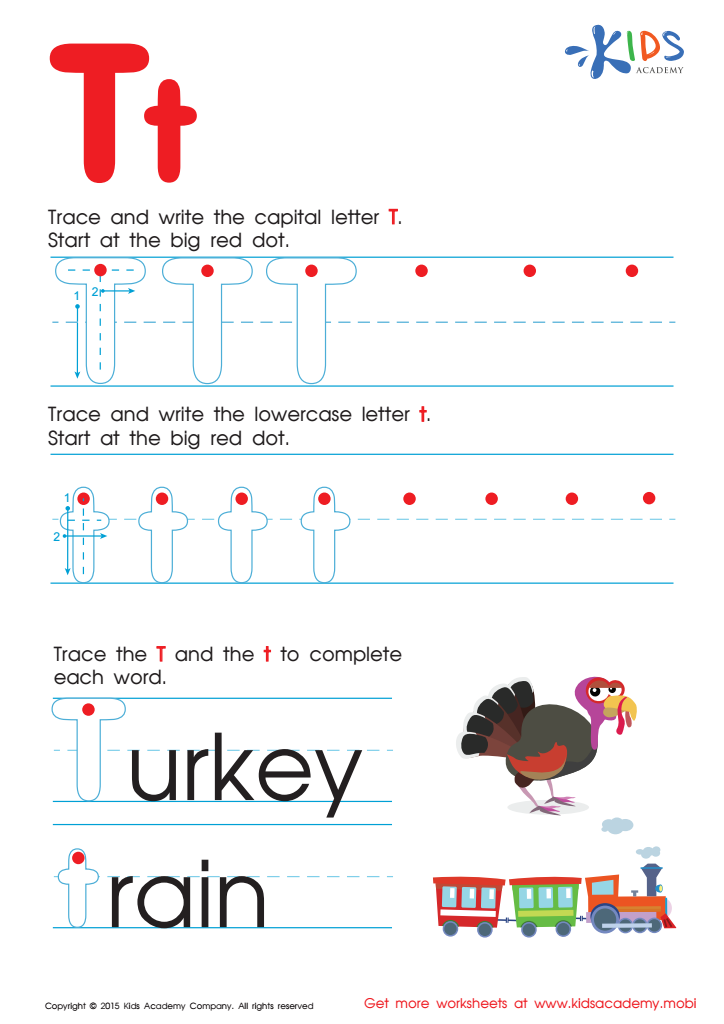
Letter T Tracing Page

Letter D Tracing Page







Fine motor skills are essential for young children as they form the foundation for numerous everyday tasks, including writing, tying shoelaces, and manipulating small objects. For children aged 5 to 9, honing these skills through tracing letters offers significant benefits. Firstly, tracing helps enhance hand-eye coordination, enabling children to control their movements with greater precision, which is vital for successful handwriting.
Additionally, engaging in these activities aids in the development of muscle strength and dexterity in the fingers and hands, important for various academic tasks. As students learn to trace letters, they begin to understand letter formation, improving their literacy skills and boosting their confidence in writing. Mastery of fine motor skills also contributes to independence in tasks such as opening food packets or managing personal items in school.
Moreover, focusing on fine motor skills reduces frustration and promotes a love for learning by allowing children to experience success in their efforts. For teachers and parents, prioritizing fine motor skill development through letter tracing not only supports academic growth but also prepares students for future challenges, ensuring they have the tools needed to thrive both in and out of the classroom.








