Upper & Lowercase Letters Worksheets for Ages 5-9 - Page 3
50 filtered results
-
From - To
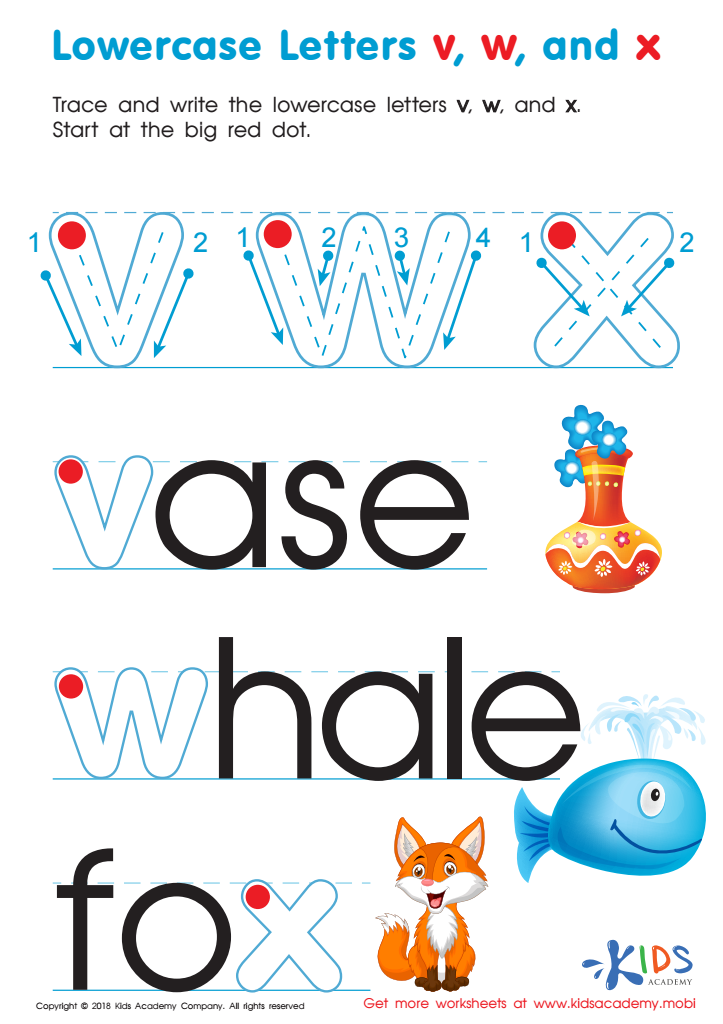
Lowercase Letters v w x Worksheet
 Assign to My Students

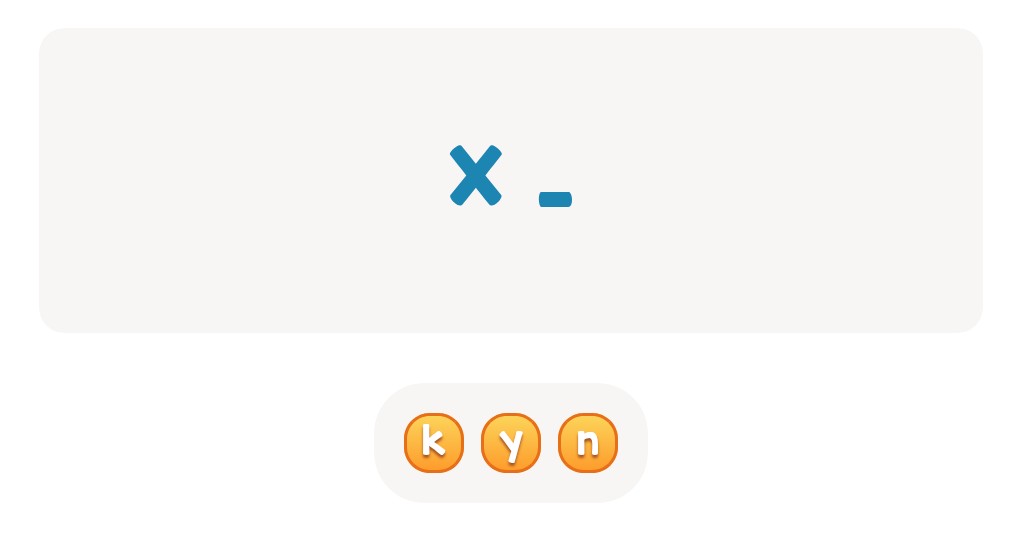
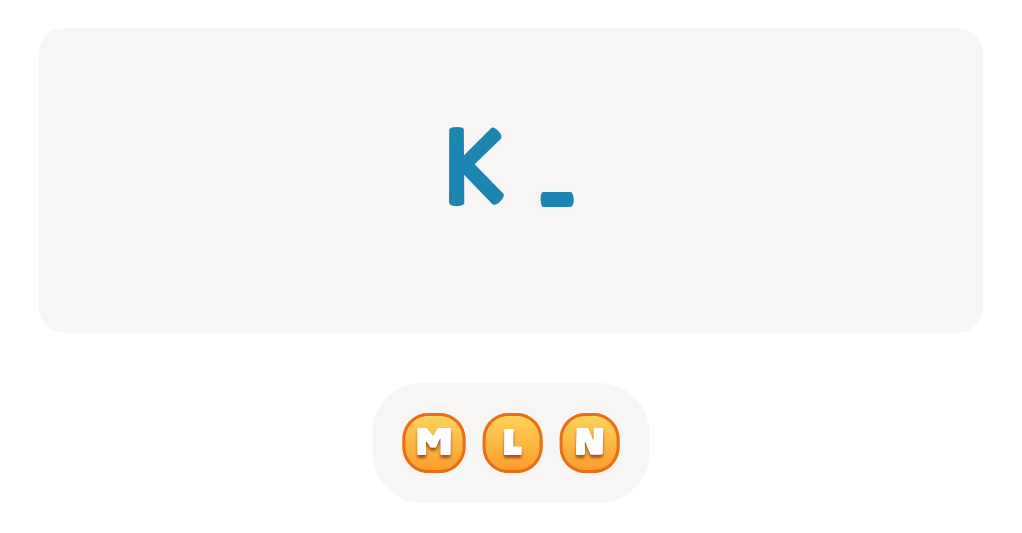
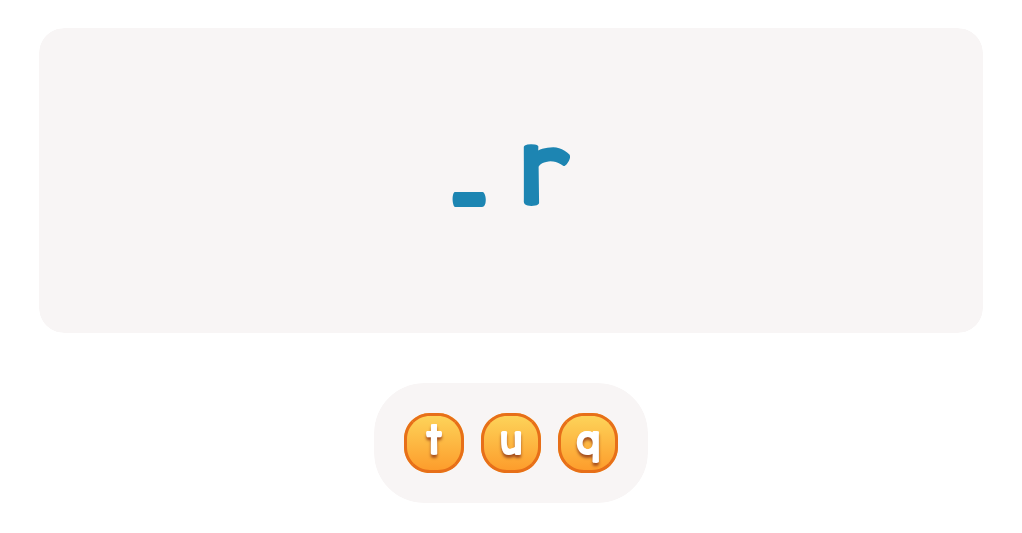
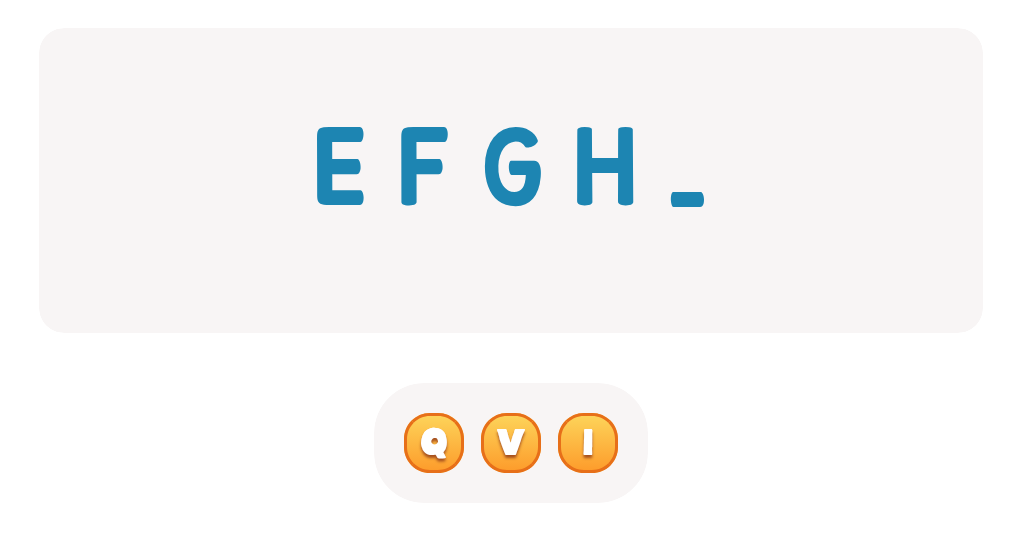
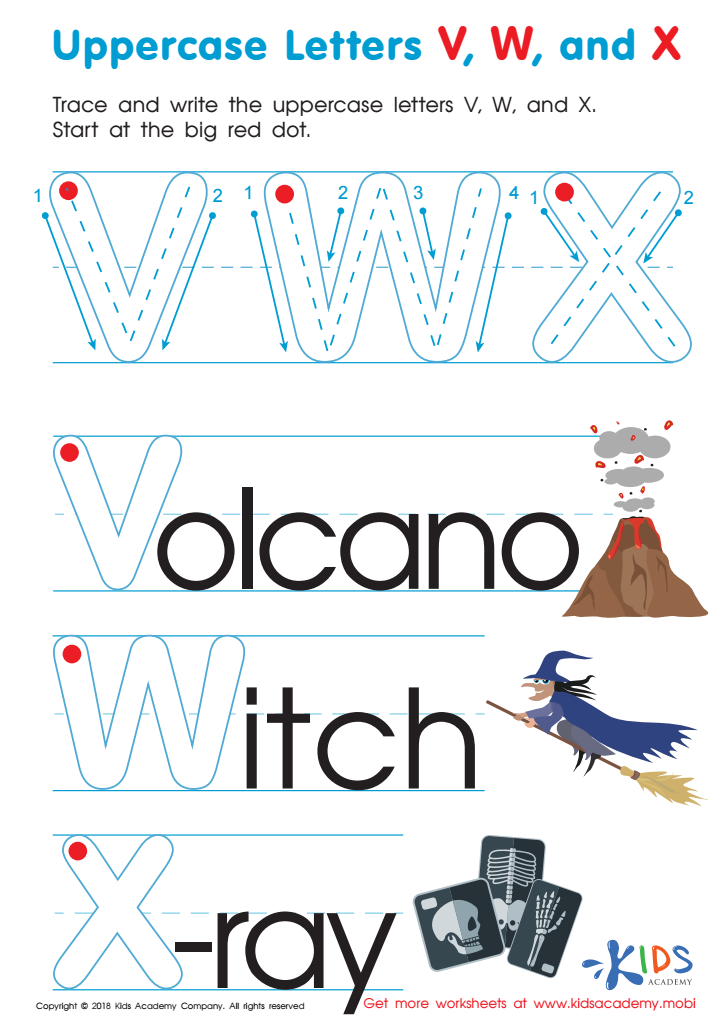
Uppercase Letters V, W, and X Worksheet






Understanding upper and lowercase letters is crucial for children aged 5-9 as they develop fundamental literacy skills. Mastery of these letters shapes the foundation for reading and writing. Uppercase letters are typically used at the beginning of sentences and for proper nouns, providing essential clues for comprehension. Recognizing this pattern helps children decode text and fosters their understanding of how language functions.
Moreover, distinguishing between upper and lowercase letters enhances children's writing skills. They learn not only the visual differences but also the importance of structuring sentences correctly, which is vital for effective communication. Developing an awareness of letter forms also aids in phonetic awareness, allowing children to spell words more accurately.
Furthermore, as writing progresses from pencil to more sophisticated tools, understanding uppercase and lowercase letters can support fine motor skills and encourage self-expression. Engaging children in activities that integrate both types of letters—like crafting stories or decorating letters—can be enjoyable and beneficial for their learning.
Ultimately, instilling the importance of uppercase and lowercase letters at an early age nurtures confidence in language use, setting a strong foundation for academic success while allowing children to emerge as competent readers and writers.







