Animal recognition Worksheets for Ages 5-9 - Page 2
121 filtered results
-
From - To
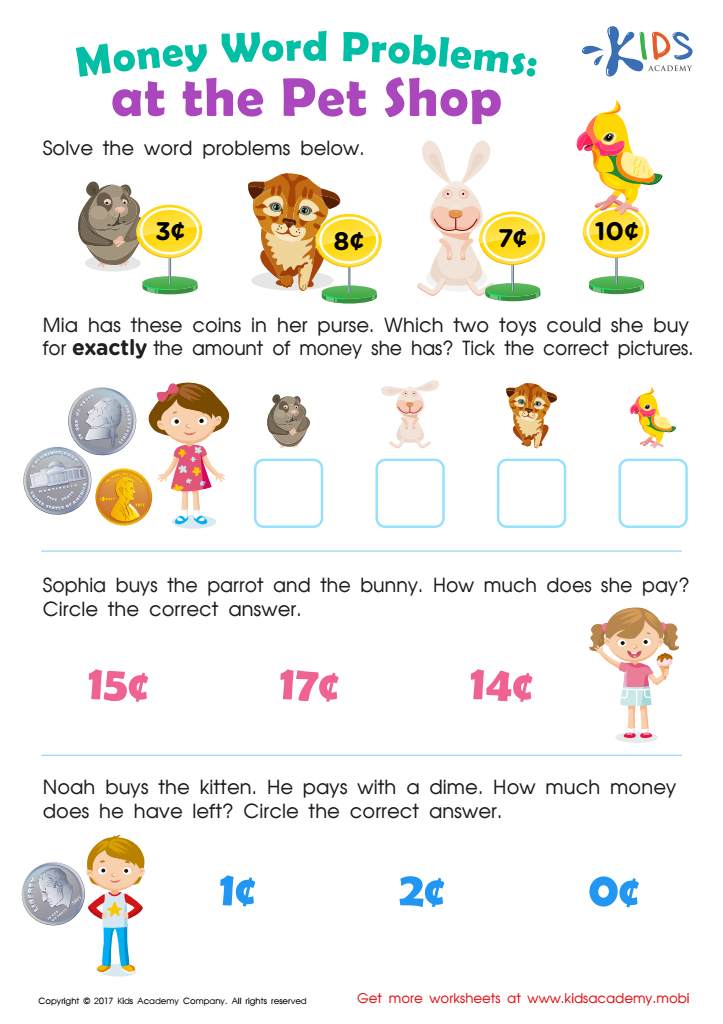
Pet Shop Worksheet
 Assign to My Students
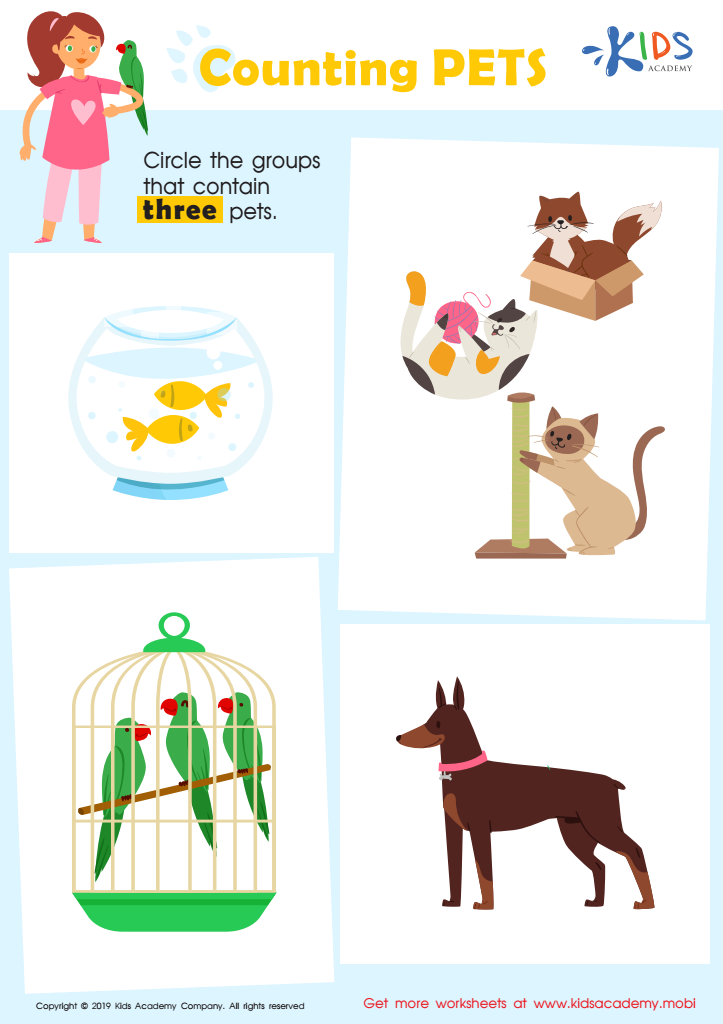
Counting Pets Worksheet
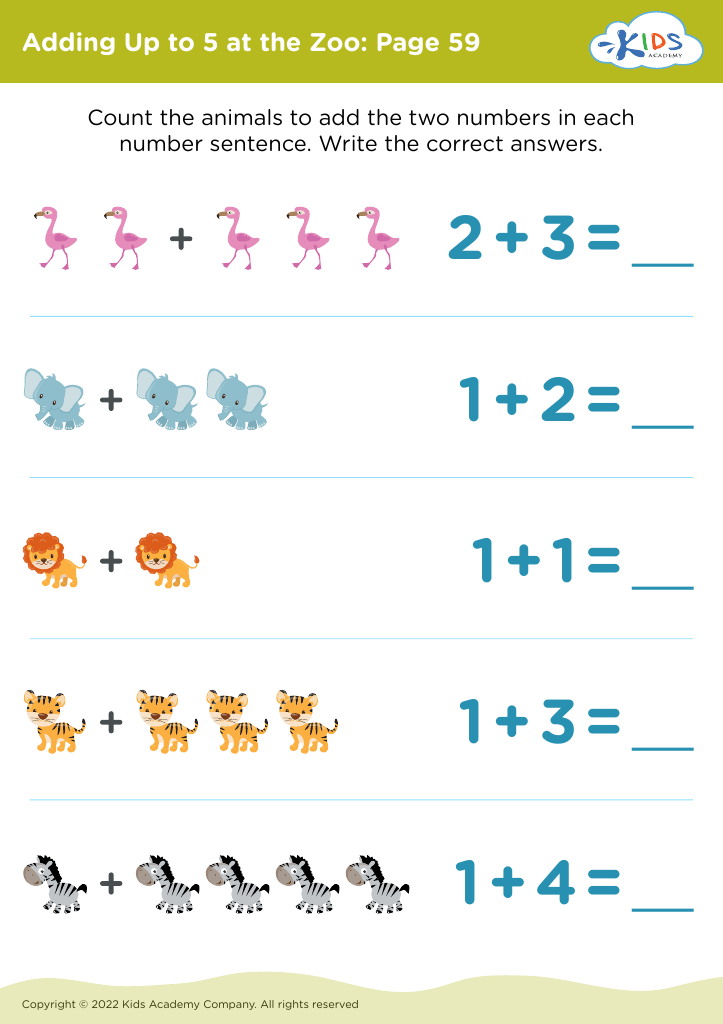
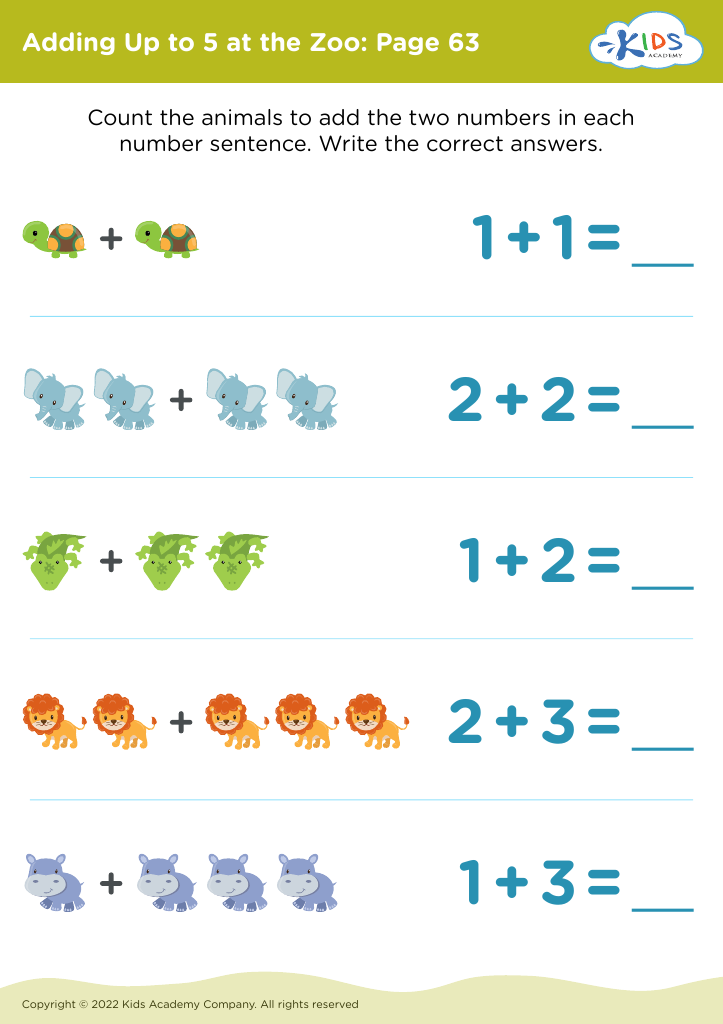
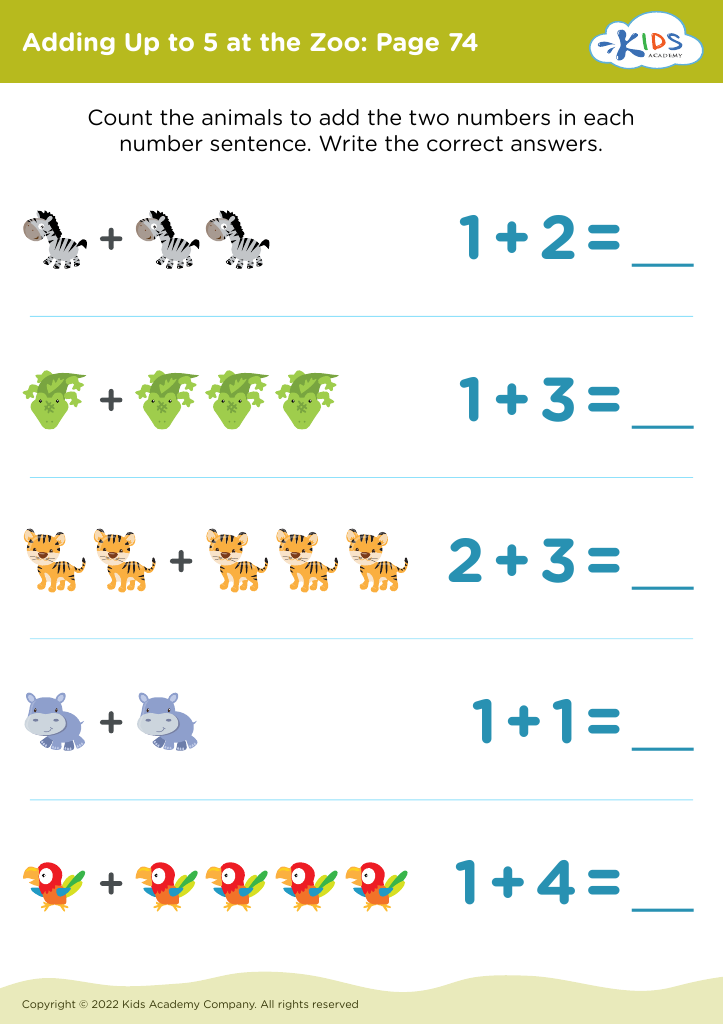
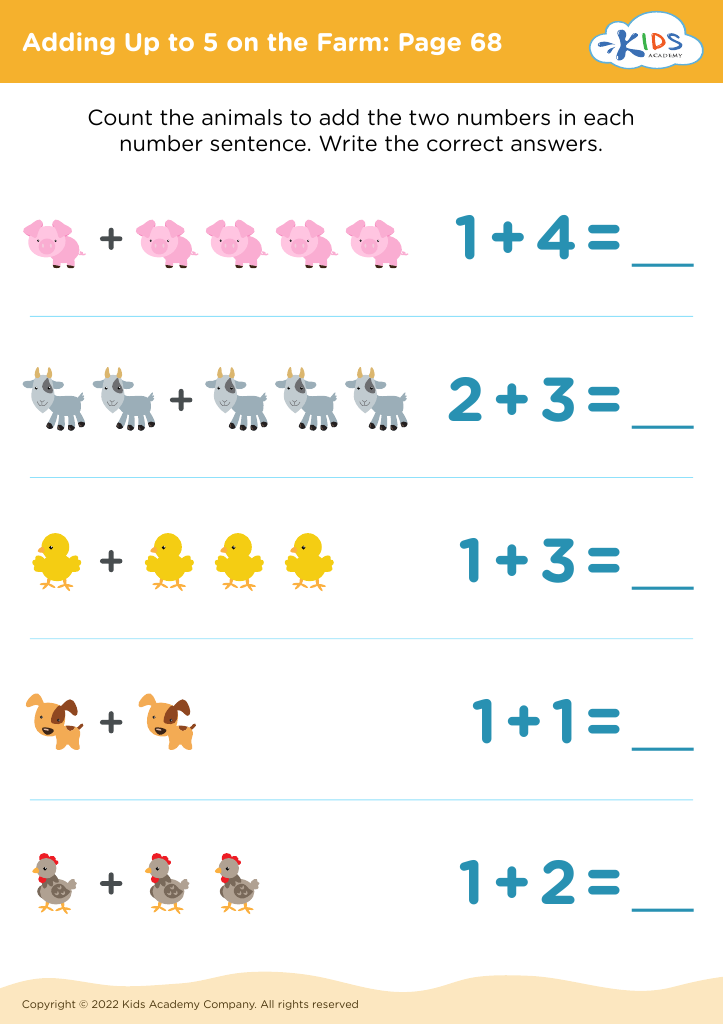
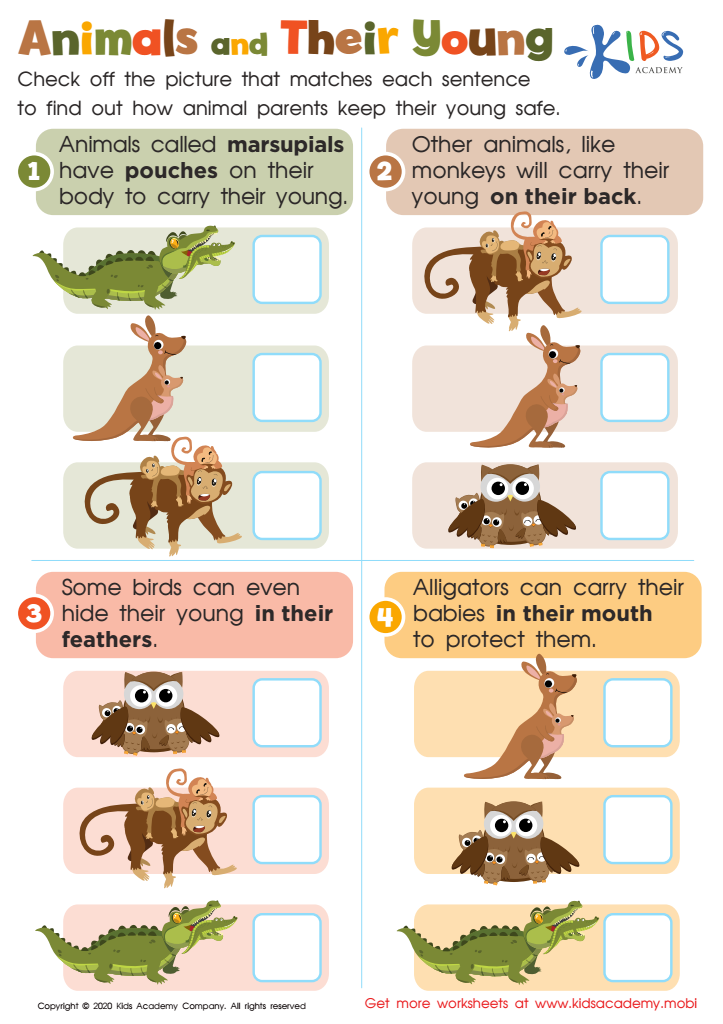
Animals and Their Young Worksheet
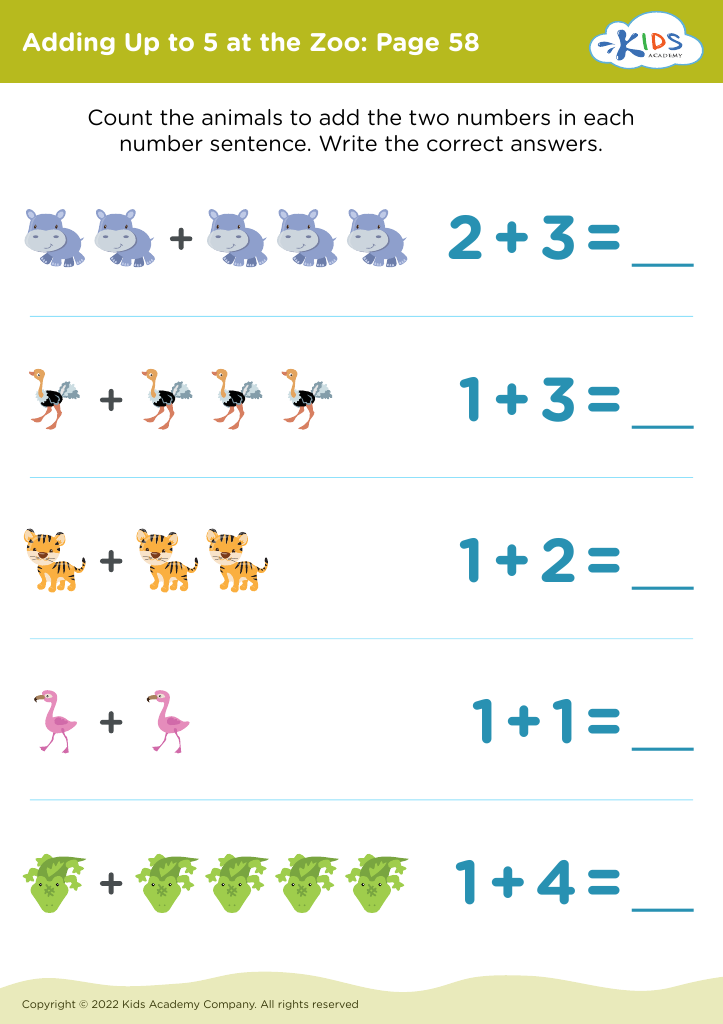
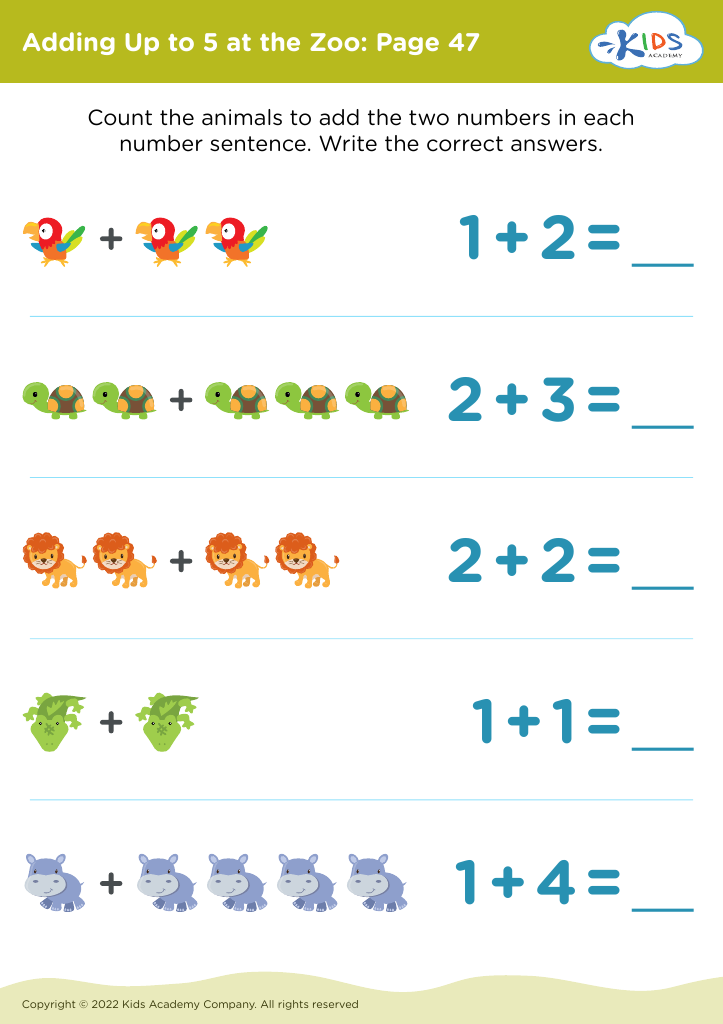
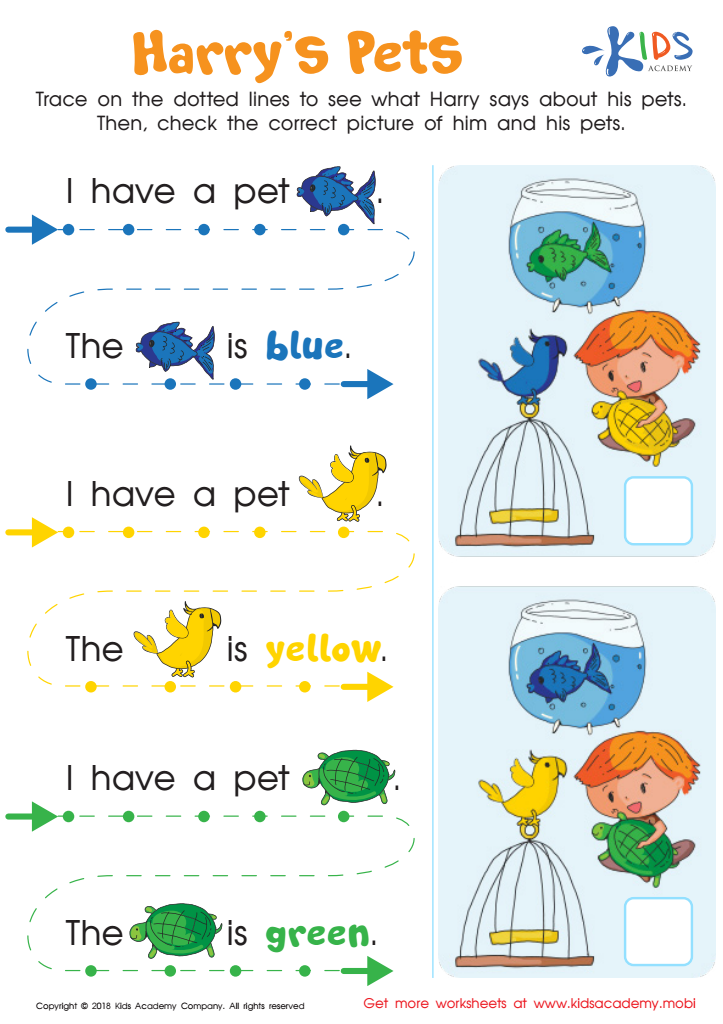
Read from Left to Right: Harry's Pets Worksheet
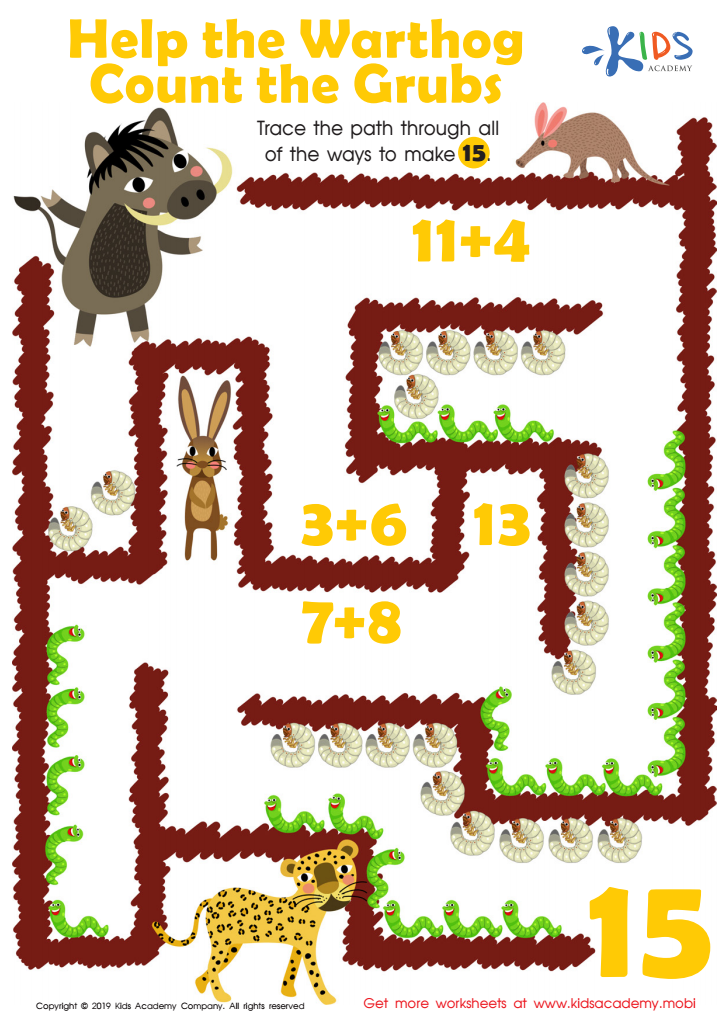
Help the Warthog Count the Grubs Worksheet
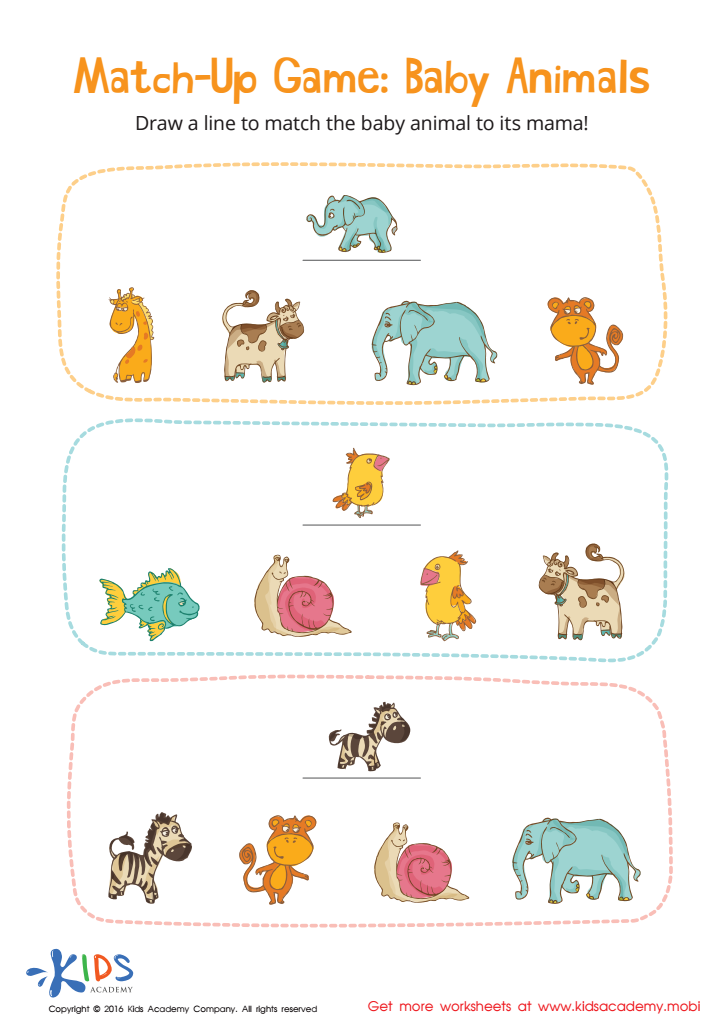
Baby Animals Match-Up Worksheet
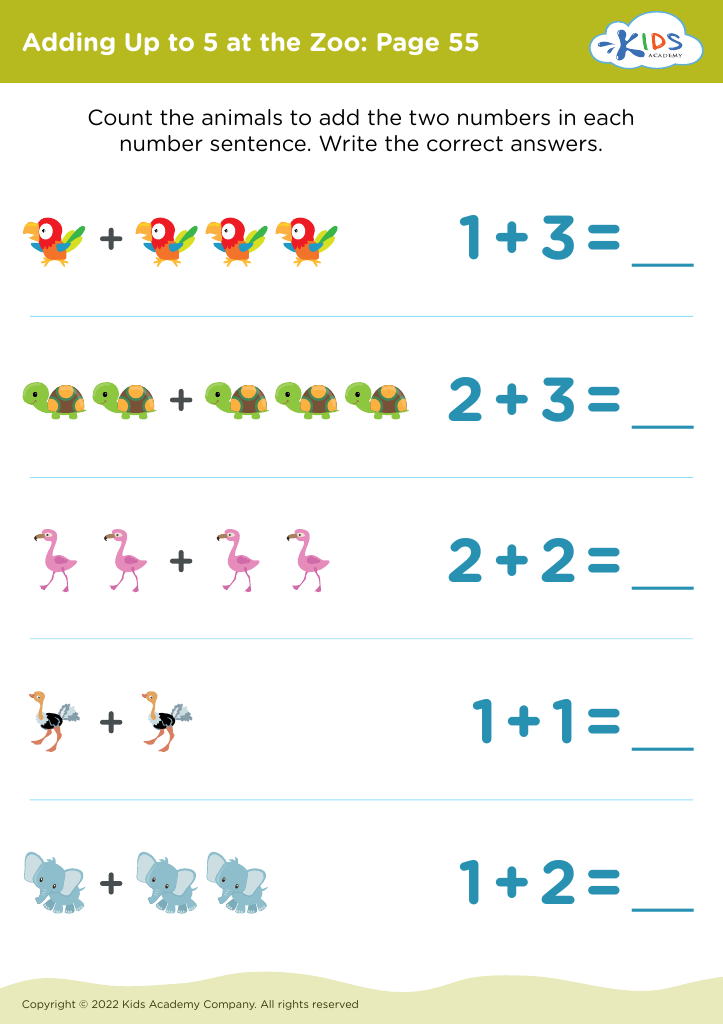
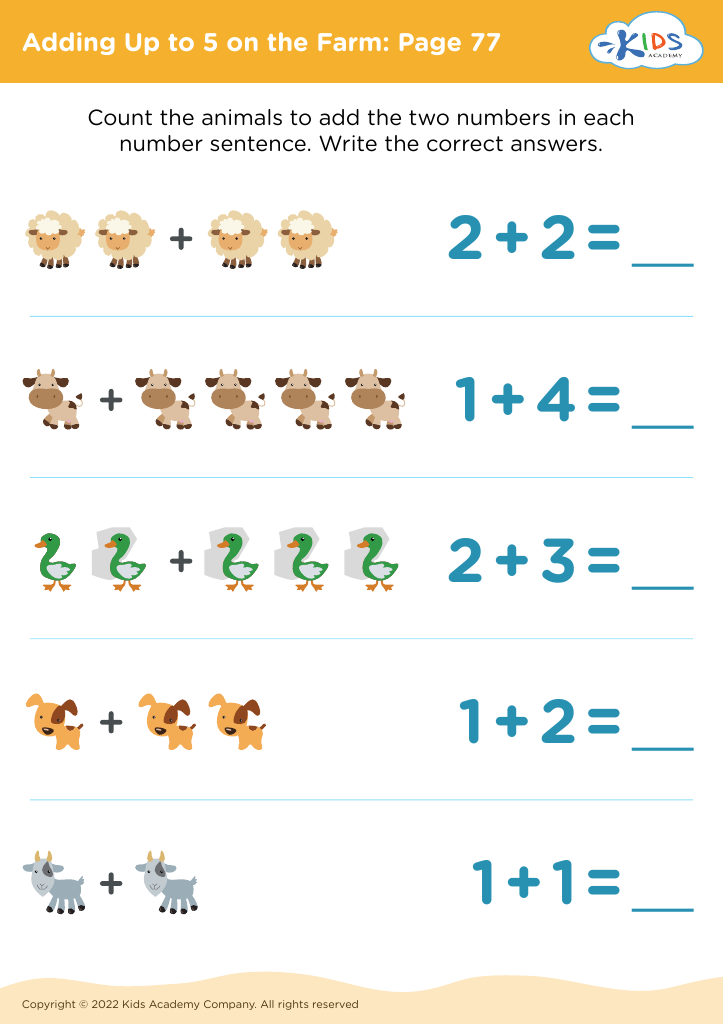
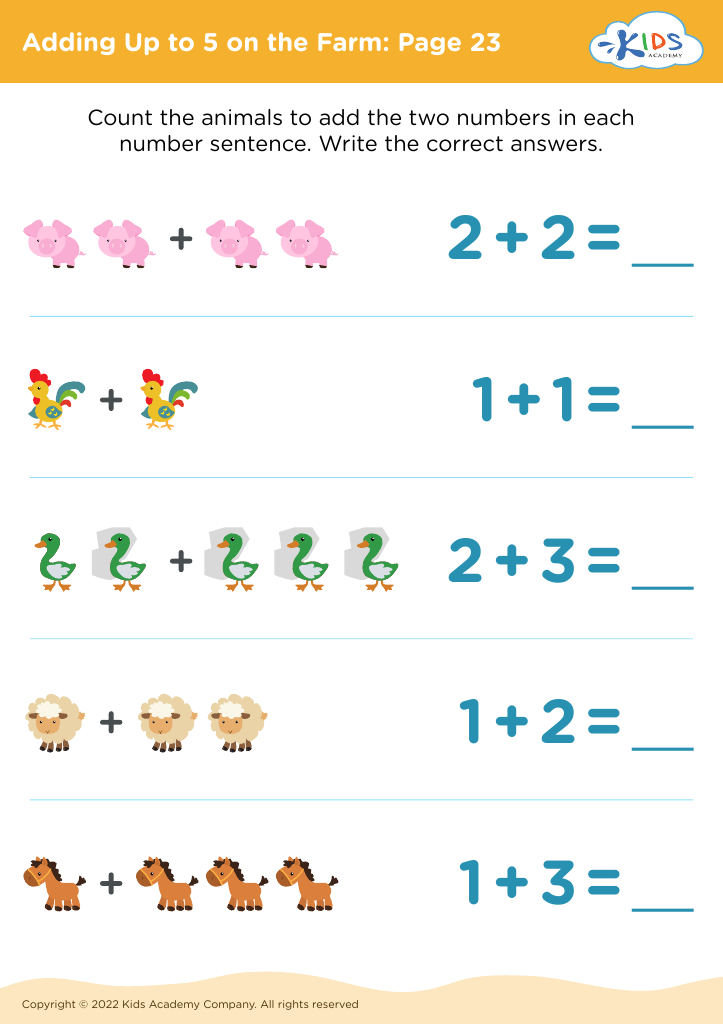
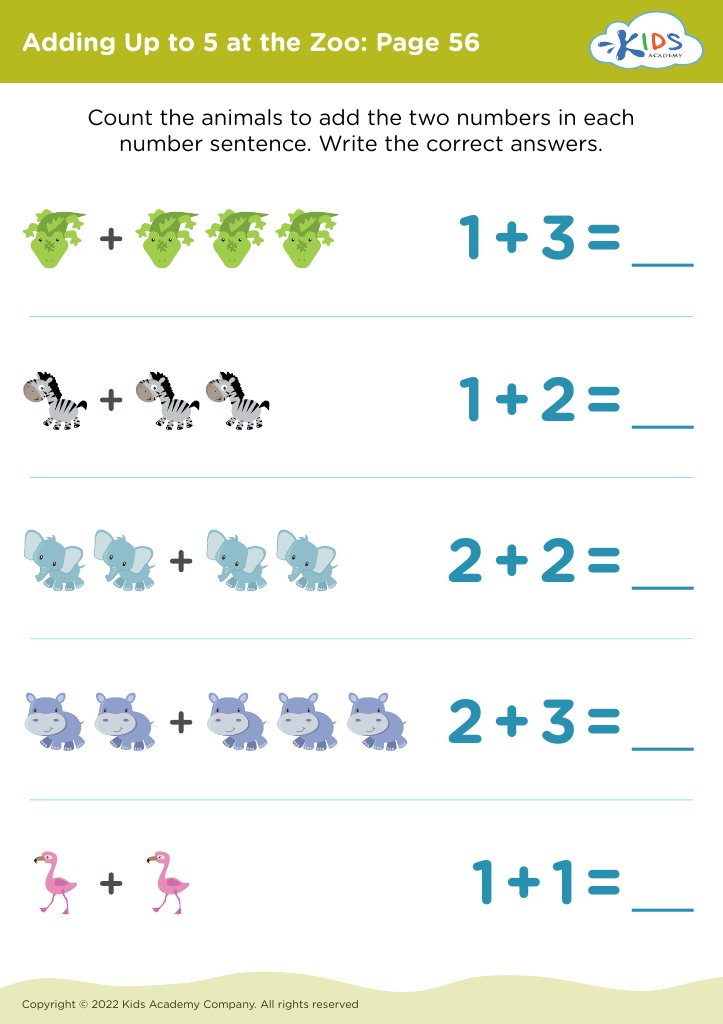








Animal recognition is an essential skill for children aged 5-9 that enriches their learning experiences and fosters emotional and cognitive development. Understanding different animals helps children connect to the natural world, promoting curiosity and a love for nature. This knowledge enhances observation skills and encourages critical thinking, as children learn to categorize animals and understand their habitats, behaviors, and roles in ecosystems.
Furthermore, animal recognition plays a significant role in social and emotional development. Identifying animals can be comforting for young children, as they often express affection towards pets and learn responsibility through their care. Discussing animals can also open up conversations about empathy, making children more aware of the feelings and needs of other living beings.
Teachers and parents should prioritize animal recognition because it lays the groundwork for greater scientific literacy and environmental stewardship. Activities that involve recognizing and learning about animals can incorporate art, storytelling, and science, making learning multidimensional and exciting. As children engage with animal recognition, they enhance their vocabulary, practice communication skills, and develop a stronger identity as learners who care for and understand the world around them. Ultimately, this foundational knowledge cultivates a sense of wonder and respect for all life forms.








