Basic math application Worksheets for Ages 5-9
5 filtered results
-
From - To
Discover engaging Basic Math Application Worksheets designed for children aged 5-9! Our thoughtfully crafted worksheets provide an exciting way for young learners to master essential math skills. Covering vital concepts such as addition, subtraction, counting, and simple word problems, these resources promote both understanding and confidence in math. Each worksheet is tailored to be age-appropriate, encouraging creativity and critical thinking through interactive exercises. Perfect for classroom use or homeschooling, our math worksheets will engage your child while enhancing their problem-solving skills. Explore our extensive collection and help your child build a strong mathematical foundation for future success!
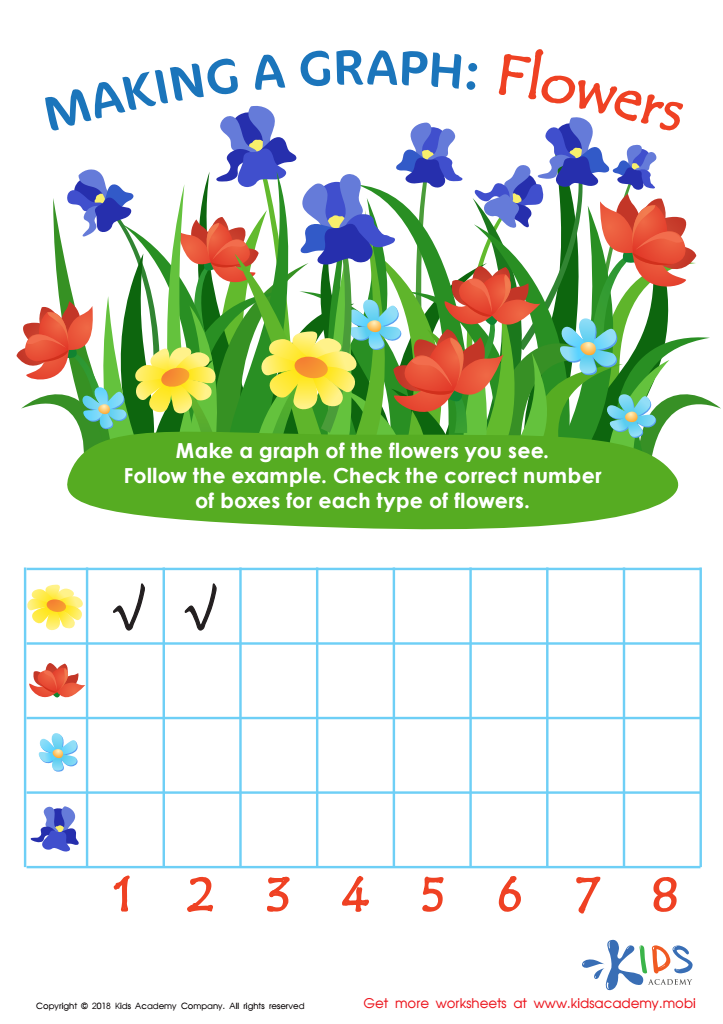
Making a Graph: Flowers Worksheet
 Assign to My Students
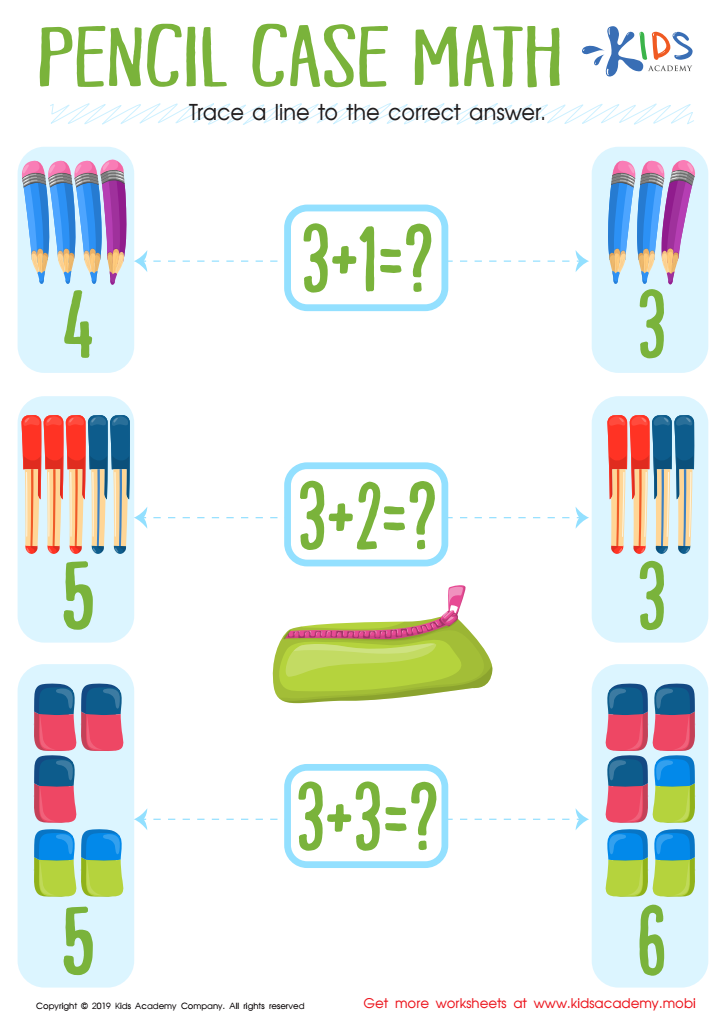
Pencil Case Math Worksheet
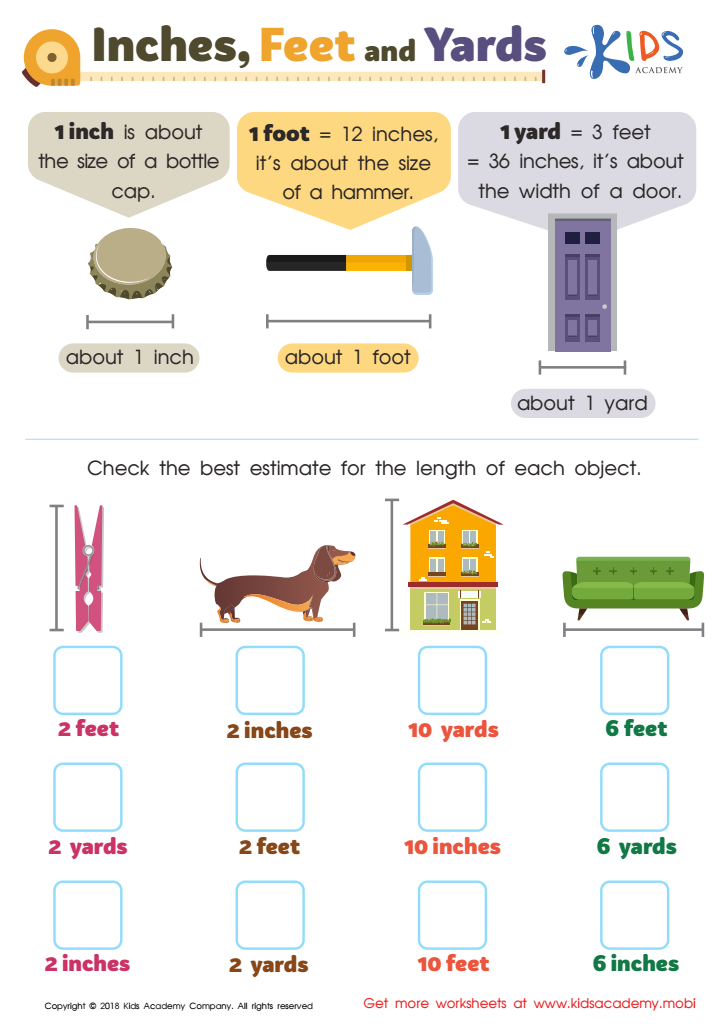
Inches, Feet and Yards Worksheet
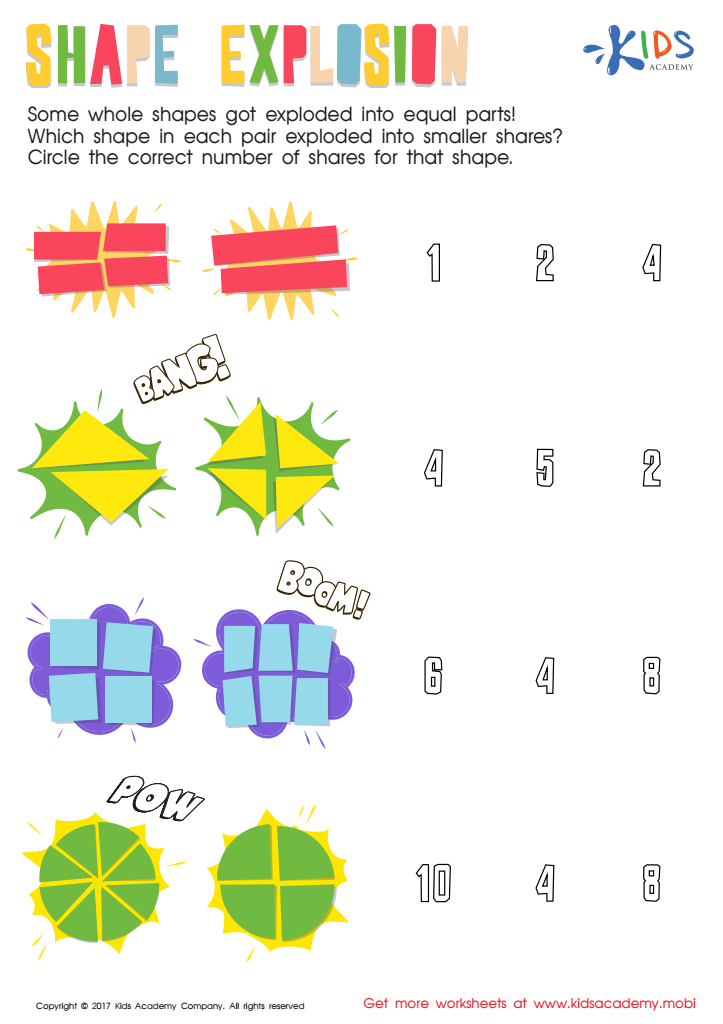
Shape Explosion Worksheet
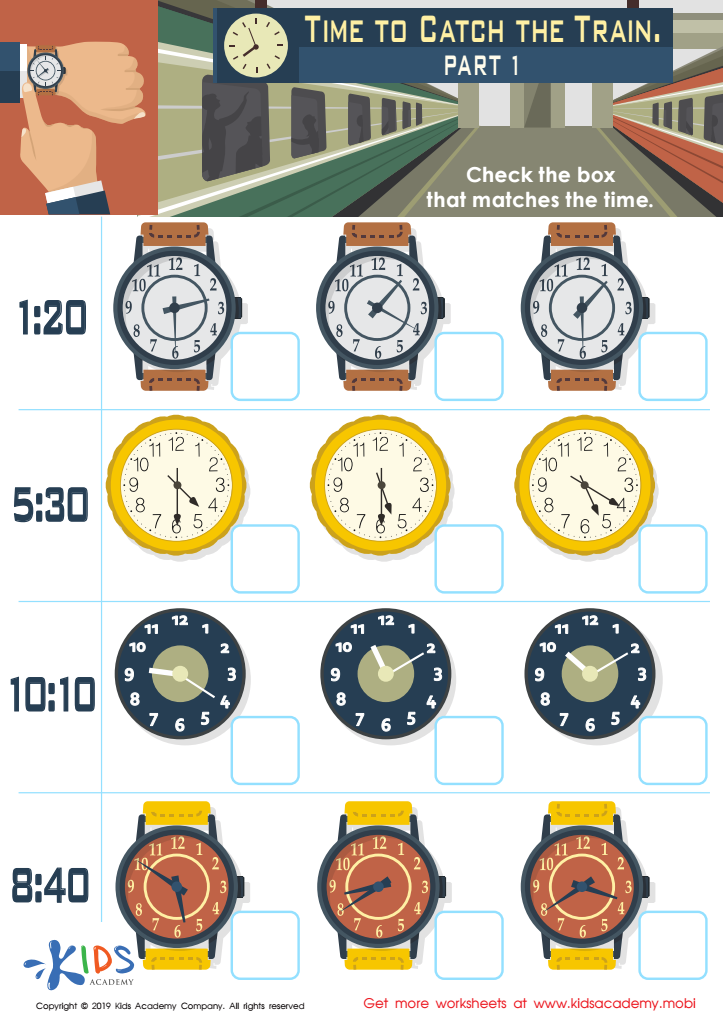
Time to Catch the Train Part 1 Worksheet




.jpg)


Basic math application for children ages 5-9 is crucial for their overall development and future academic success. During this foundational stage, children cultivate essential cognitive skills, such as critical thinking, problem-solving, and logical reasoning. Understanding basic concepts like addition, subtraction, and patterns equips them to navigate not only mathematical challenges but also everyday situations—like managing money and understanding time.
These early math skills form the cornerstone for more complex math principles they will encounter later in school. When parents and teachers prioritize math applications, they create a supportive learning environment that fosters confidence and enthusiasm in young learners. Engaging with math through fun activities—using games, manipulatives, and real-life scenarios—can turn abstract concepts into tangible experiences, making learning enjoyable.
Additionally, research shows that early math skills are a strong predictor of later academic achievement. By incorporating math into daily activities, such as cooking or shopping, parents can reinforce classroom learning, helping children see the practical use of math in their lives. Overall, supporting math development during these formative years lays the groundwork for a lifetime of learning, resilience, and success across various fields, not just in mathematics.








