Develops fine motor skills Worksheets for Ages 5-9
6 filtered results
-
From - To
Enhance your child's fine motor skills with our engaging worksheets designed for ages 5-9! These thoughtfully created activities help young learners strengthen hand-eye coordination and dexterity through fun and interactive exercises. From tracing and cutting to coloring and connecting dots, each worksheet fosters essential skills crucial for writing, drawing, and daily tasks. Perfect for home or classroom use, our resources cater to various skill levels, making learning enjoyable and effective. Equip your child with the confidence and abilities they need for success in their early academic journey. Explore our collection today and watch their fine motor skills flourish!
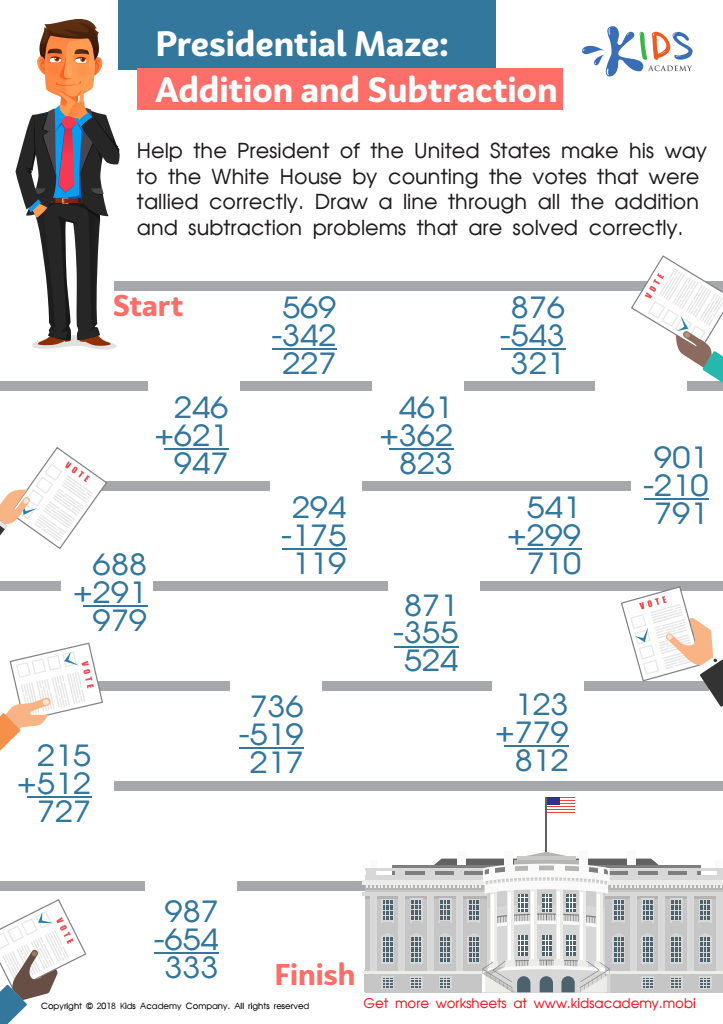
Presidential Maze: Addition and Subtraction Worksheet
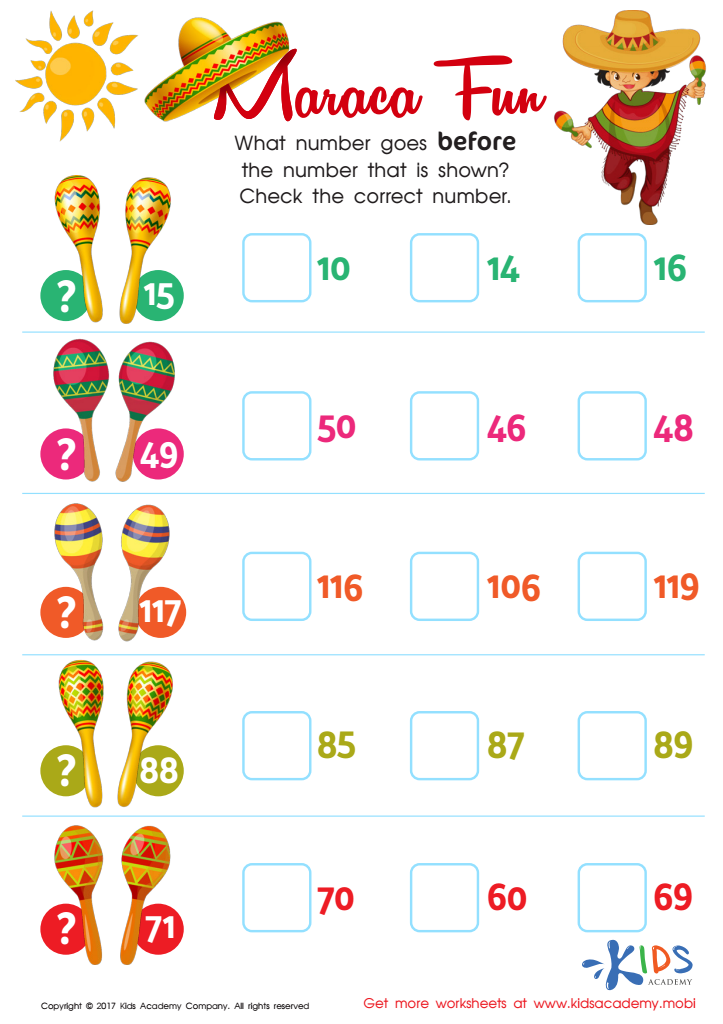
Counting: Maraca Fun Worksheet
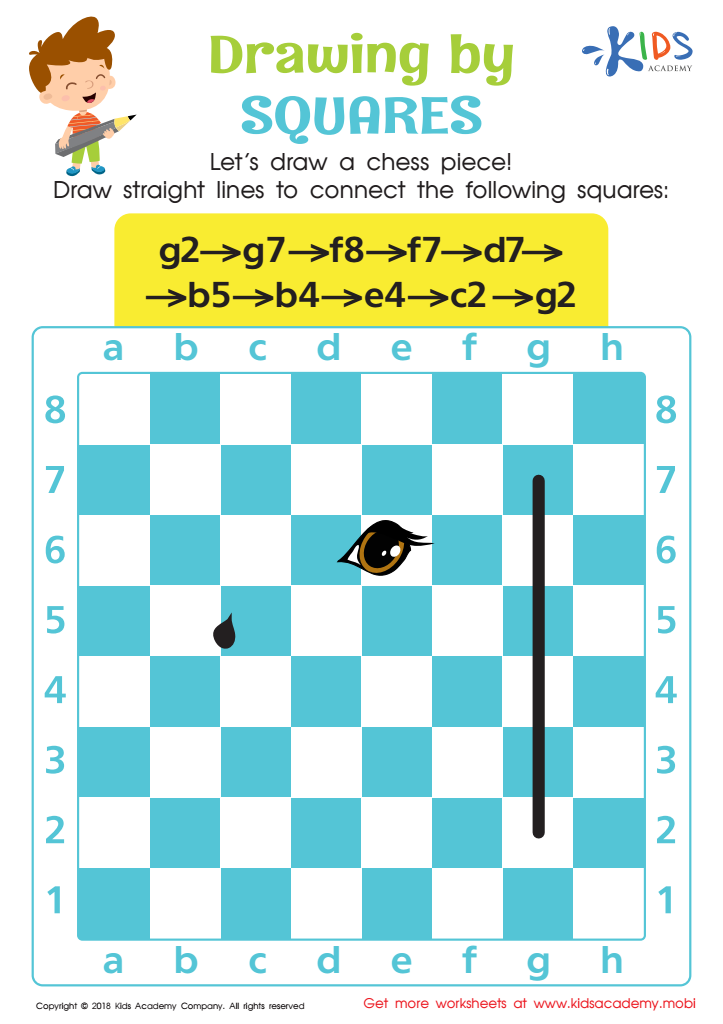
Drawing by Squares Worksheet
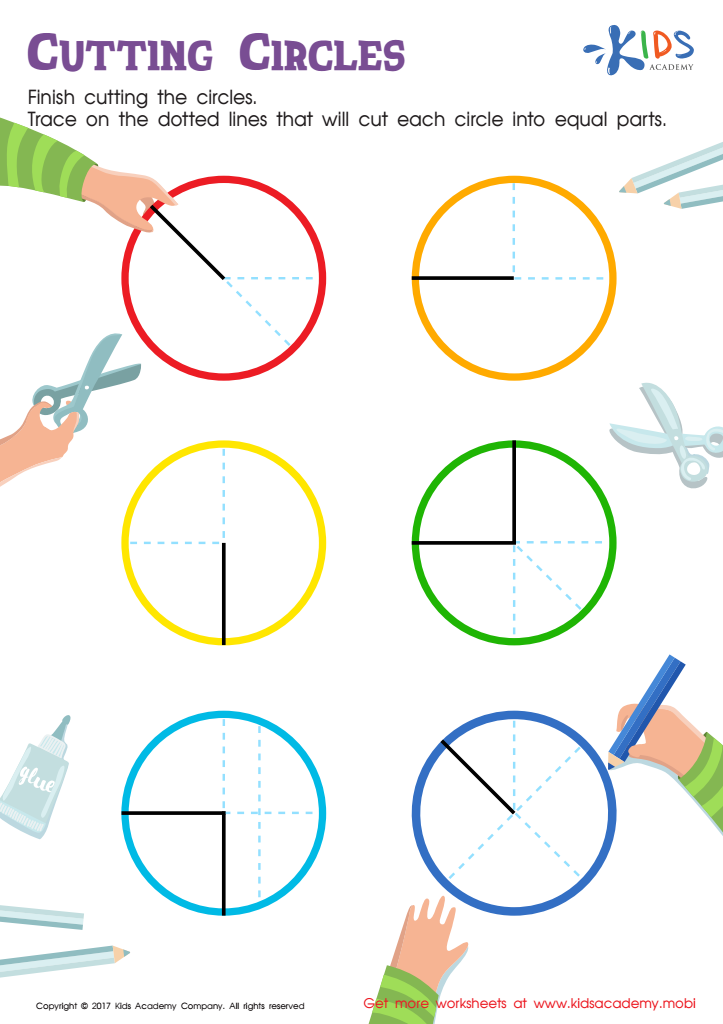
Cutting Circles Worksheet
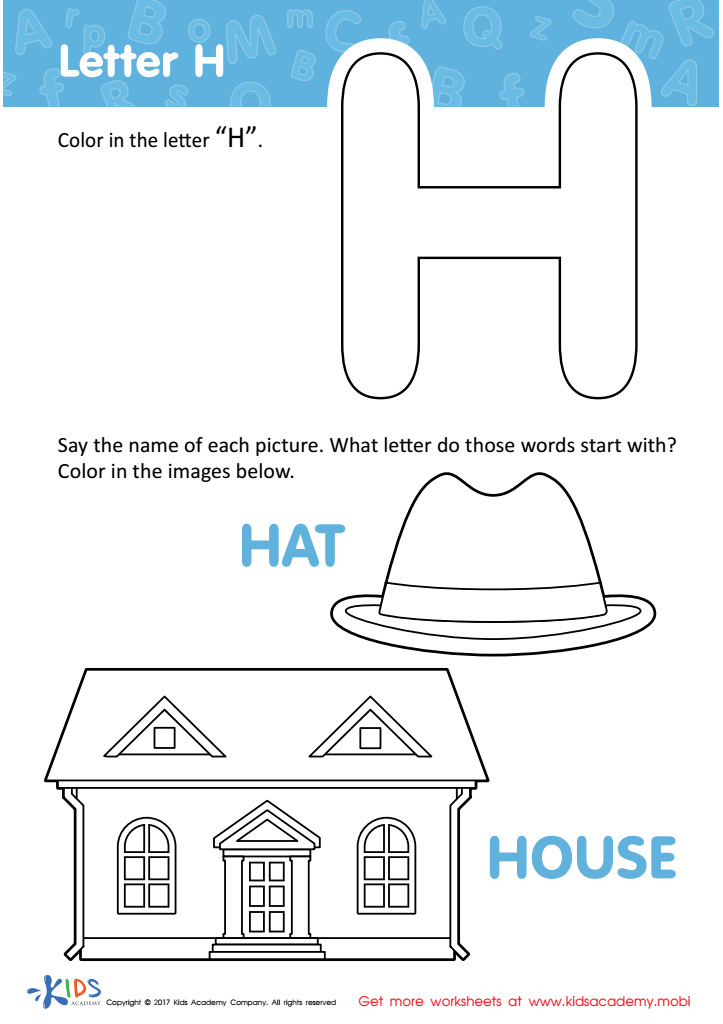
Letter H Coloring Sheet
 Assign to My Students








Parents and teachers should care about the development of fine motor skills for children aged 5-9 because these skills are critical for academic success and daily functioning. Fine motor skills involve the use of smaller muscle groups to perform precise actions, such as writing, drawing, and using tools. Strong fine motor skills enable children to hold a pencil correctly, which is essential for good handwriting and effective communication.
Furthermore, activities that enhance fine motor skills, such as cutting with scissors, manipulating small objects, or engaging in arts and crafts, also encourage cognitive development. These activities help improve hand-eye coordination and concentration, fostering overall brain development. As children refine these skills, they gain confidence in their abilities, which can positively impact their willingness to participate in classroom activities and social interactions.
Additionally, fine motor skills play a crucial role in developing essential life skills, such as self-care tasks (like buttoning clothes) and other activities that require dexterity. By focusing on fine motor skills at this stage, parents and teachers can help build a strong foundation for more complex tasks later in life, ensuring that children are well-equipped for both academic challenges and everyday experiences.








