Handwriting practice Worksheets for Ages 5-9 - Page 4
96 filtered results
-
From - To
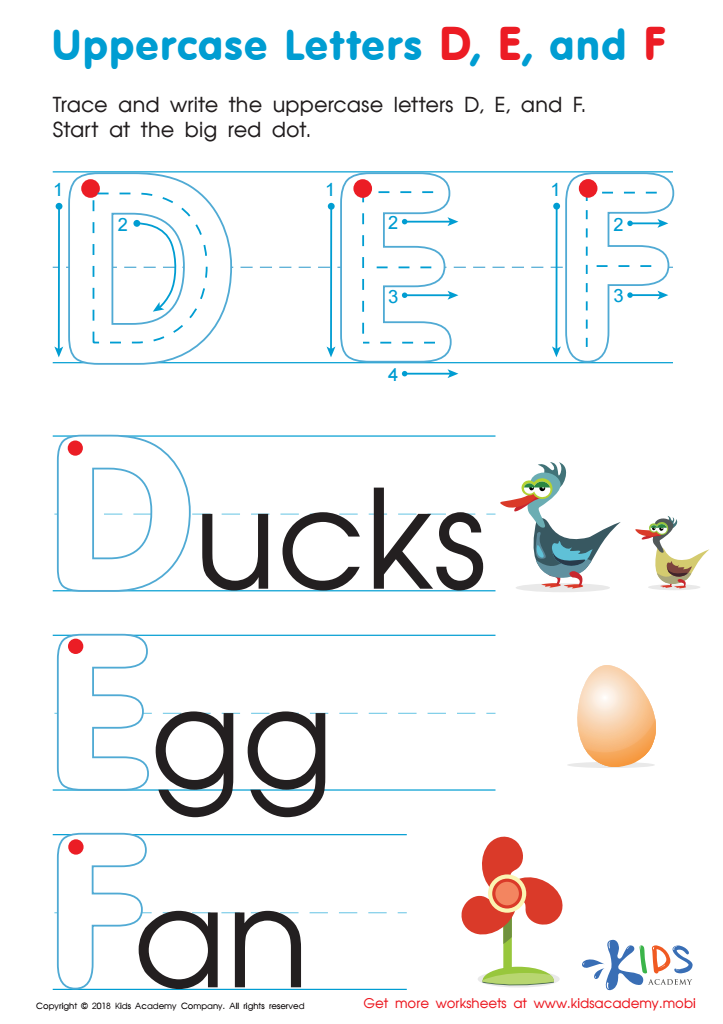
Uppercase Letters D, E, and F Worksheet
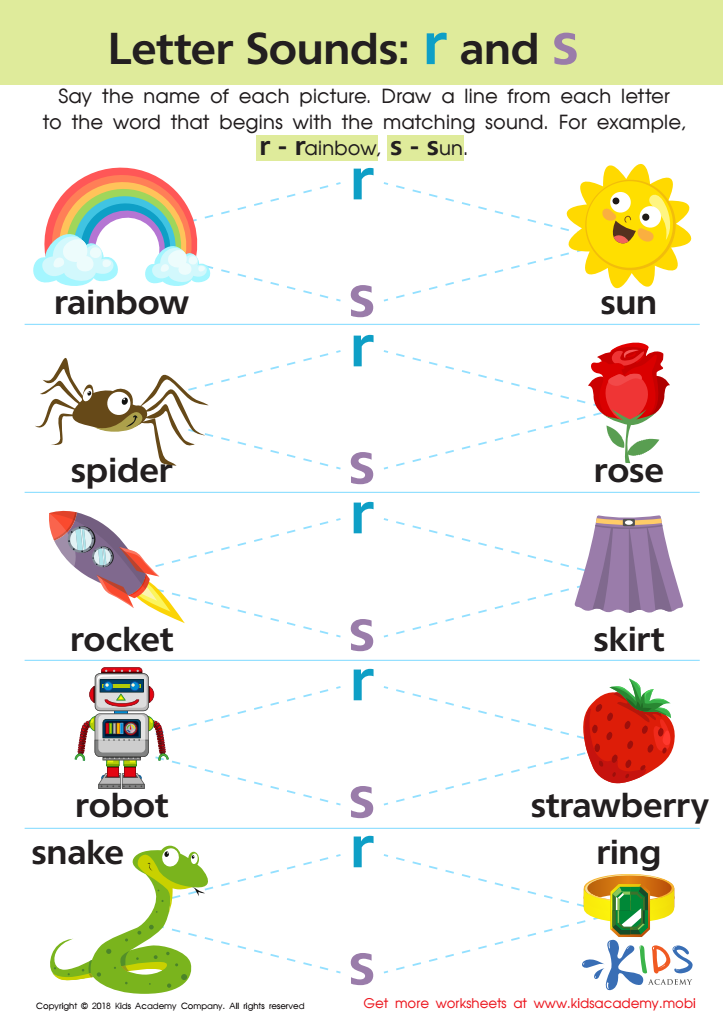
Letter R and S Sounds Worksheet
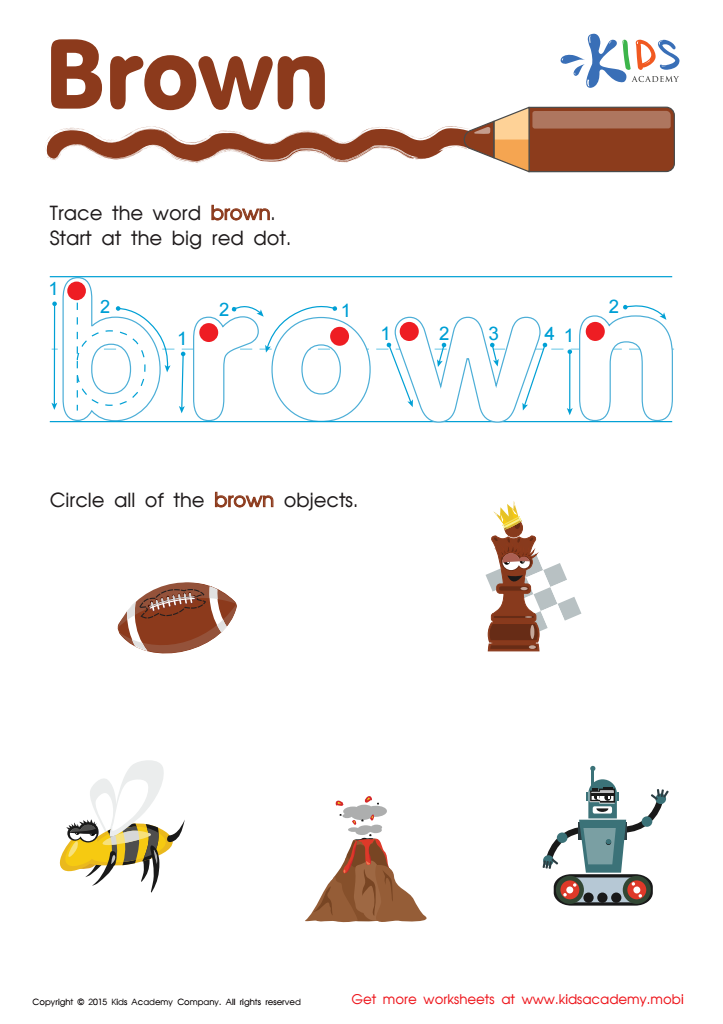
Brown Tracing Color Words Worksheet
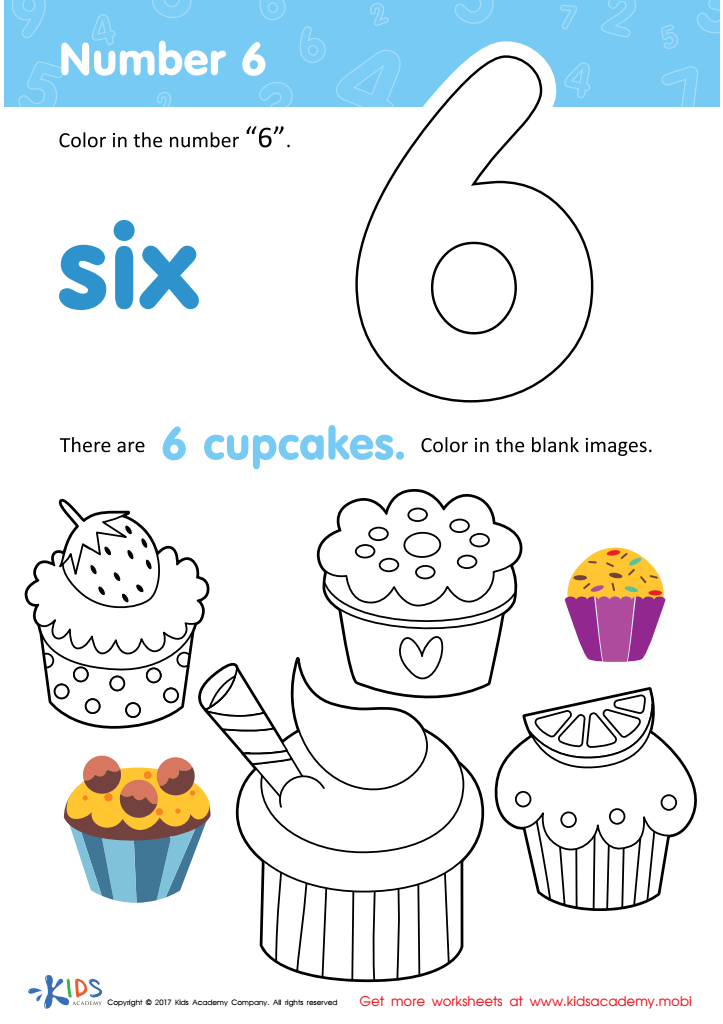
Number 6 Worksheet
 Assign to My Students
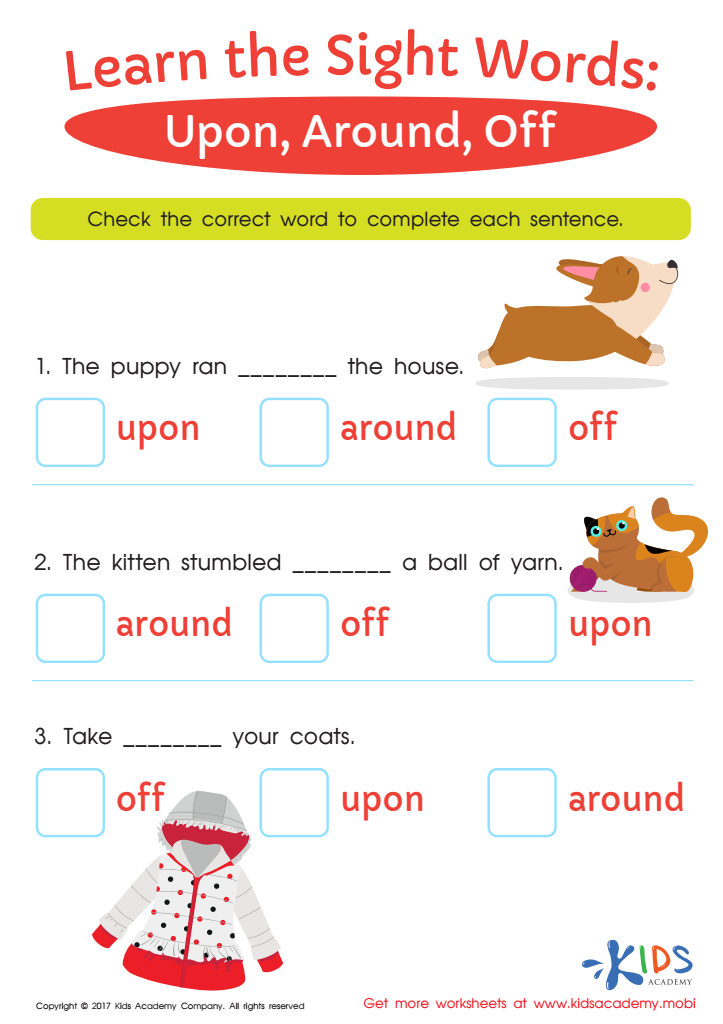
Upon, Around, Off Sight Words Worksheet
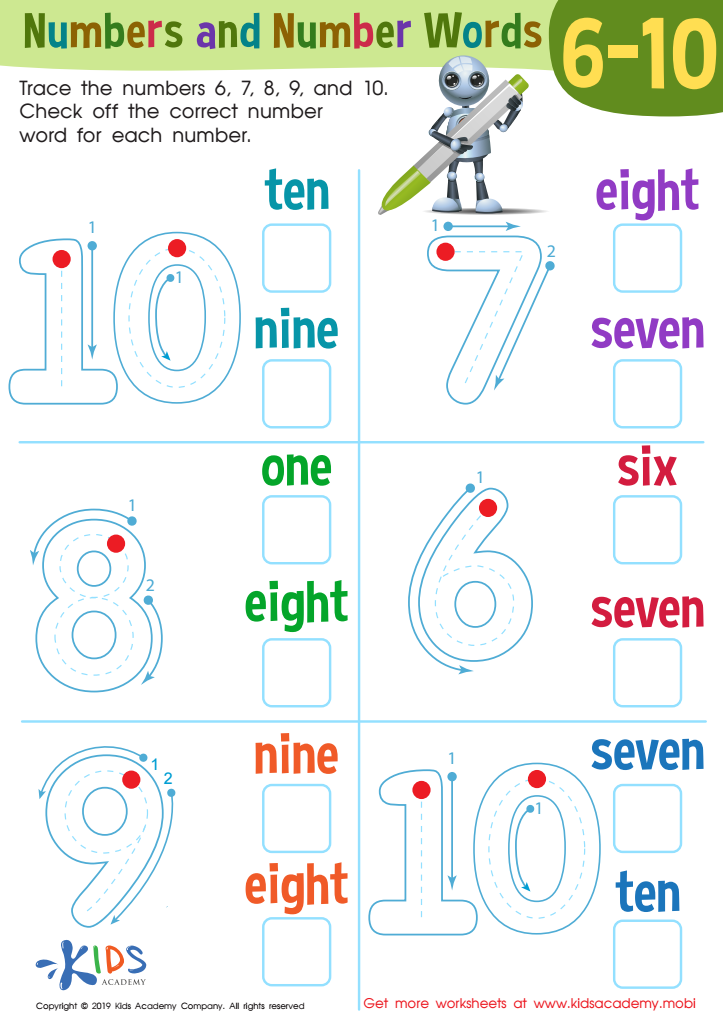
Numbers and Number Words 6–1 Worksheet
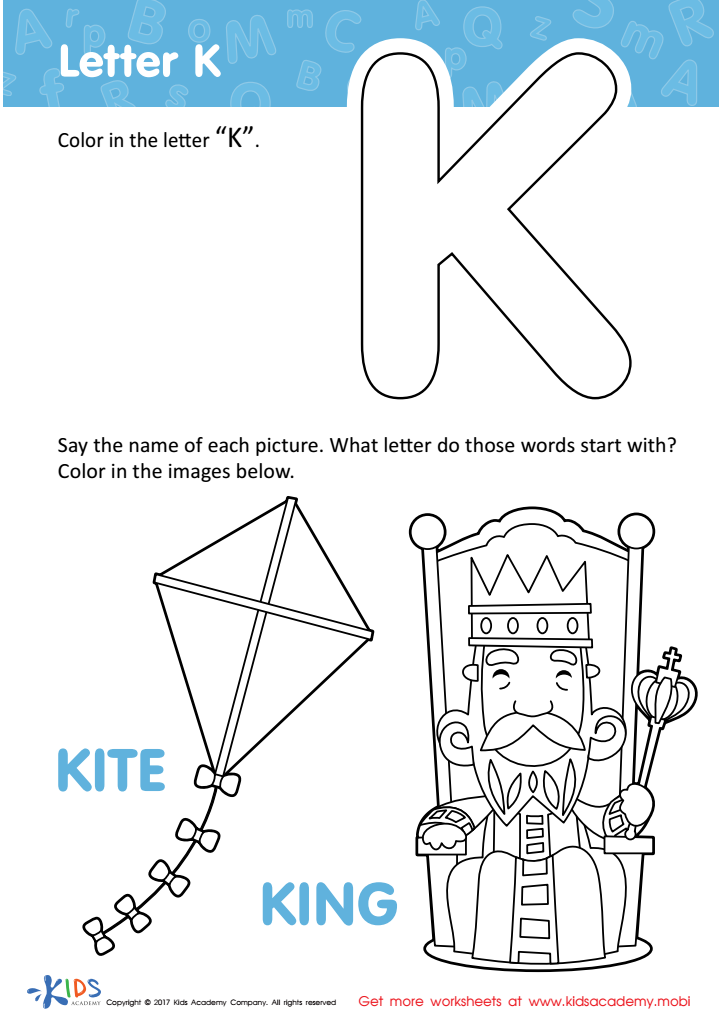
Letter K Coloring Sheet
Assign to My Students
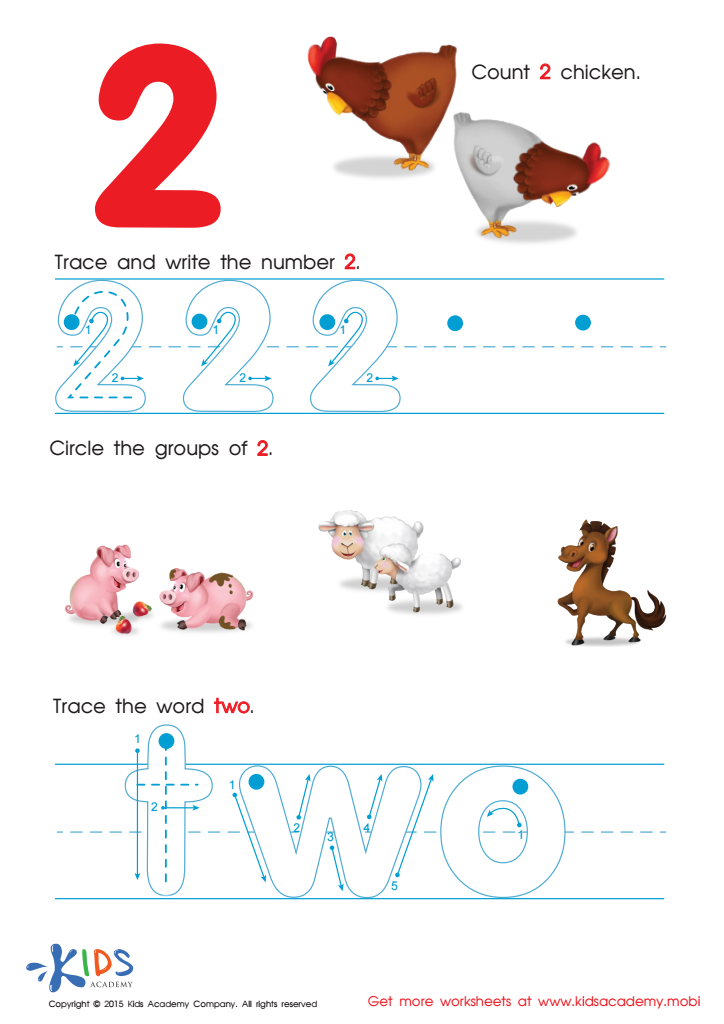
Learn to Write the Number 2 Worksheet

Count the Mushrooms and Trace the Number 3 Printable
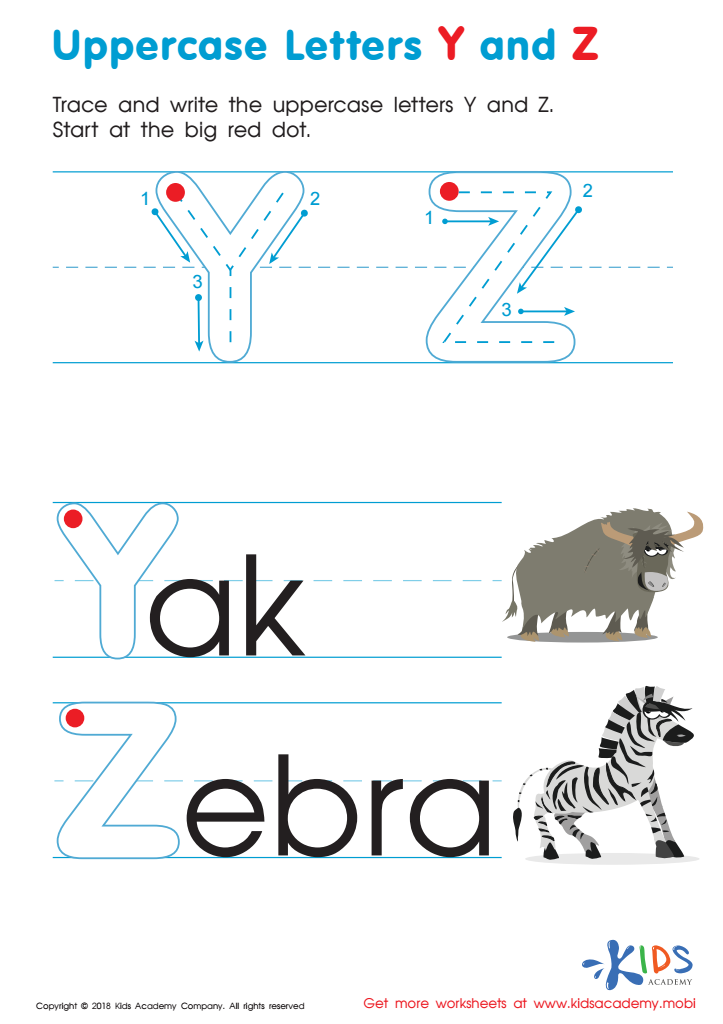
Uppercase Letters Y Z Worksheet
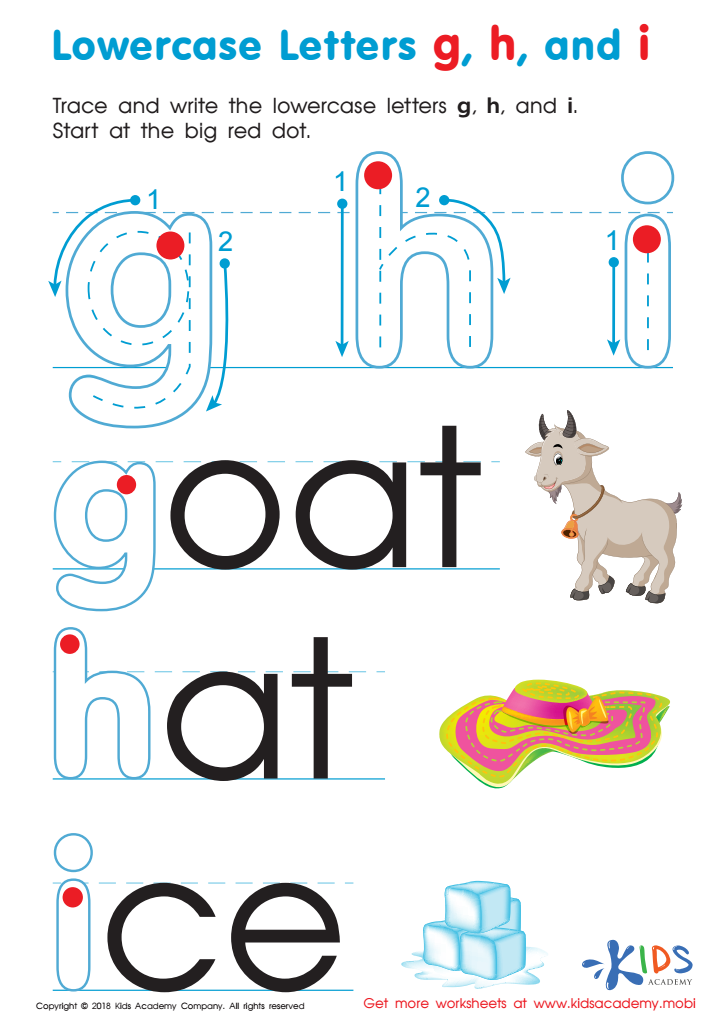
Lowercase Letters g h i Worksheet
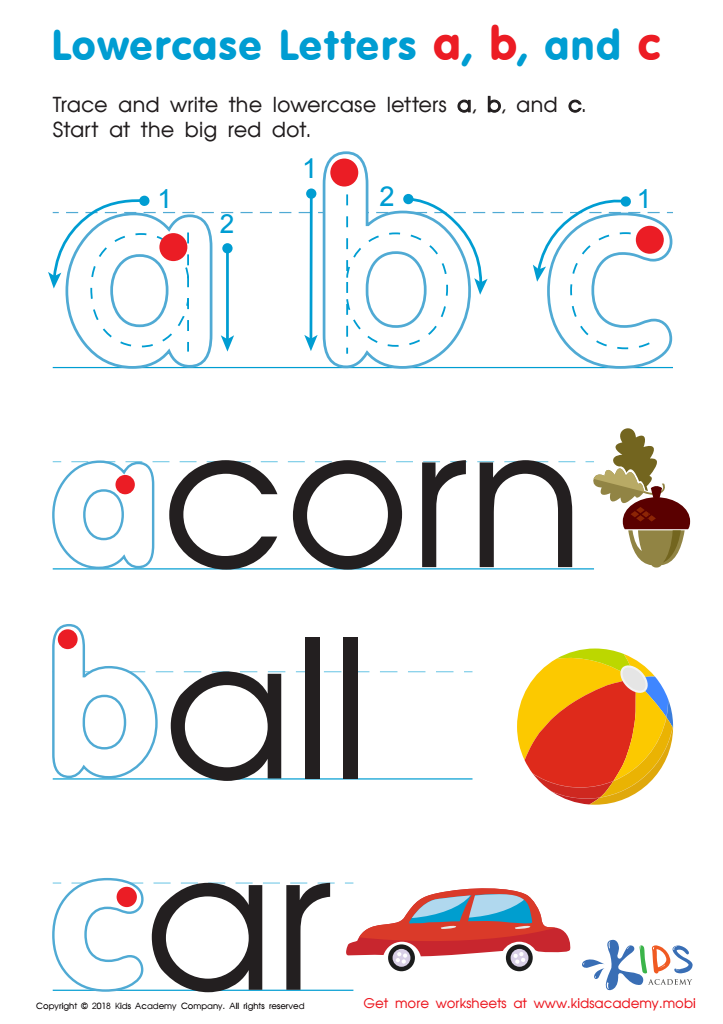
Lowercase Letters a b c Worksheet
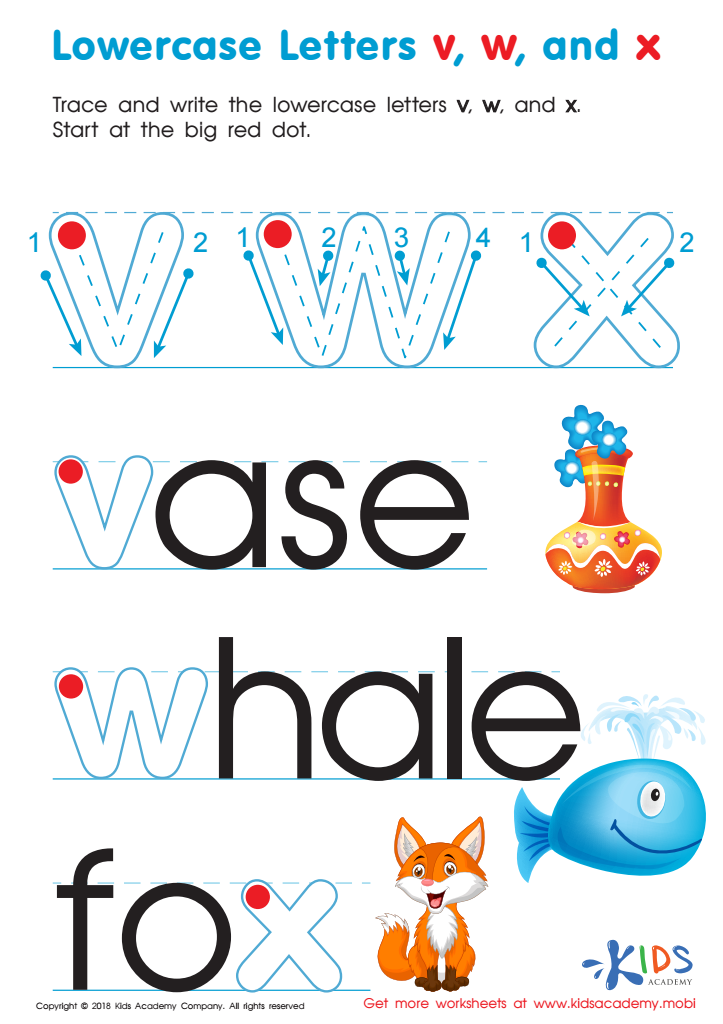
Lowercase Letters v w x Worksheet
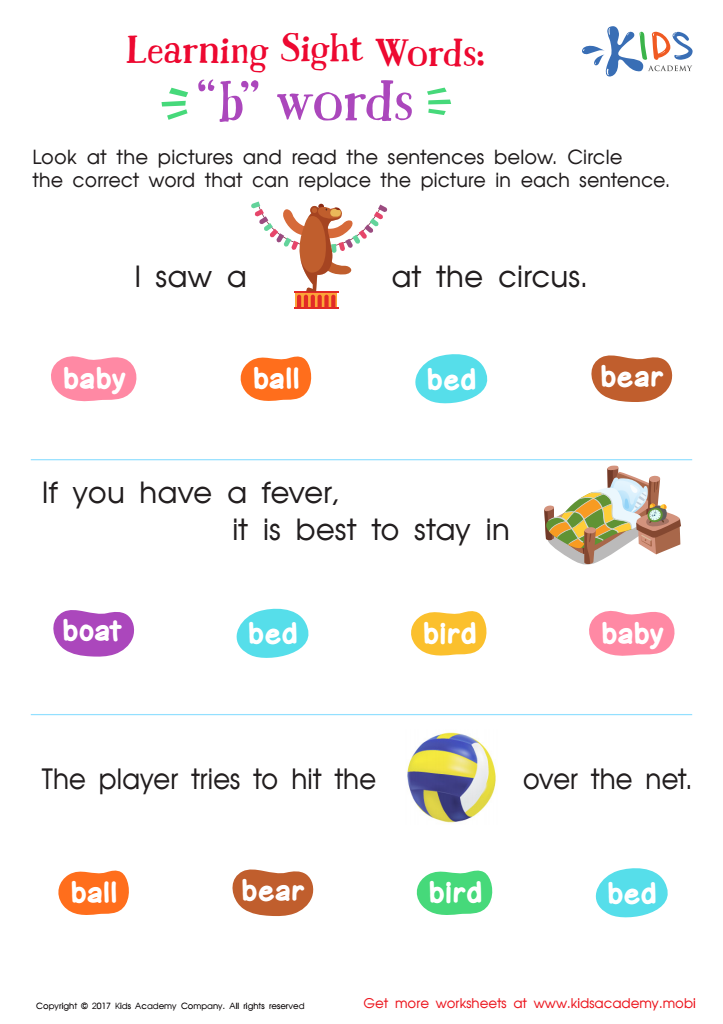
"B" Words Printable Sight Words Worksheet
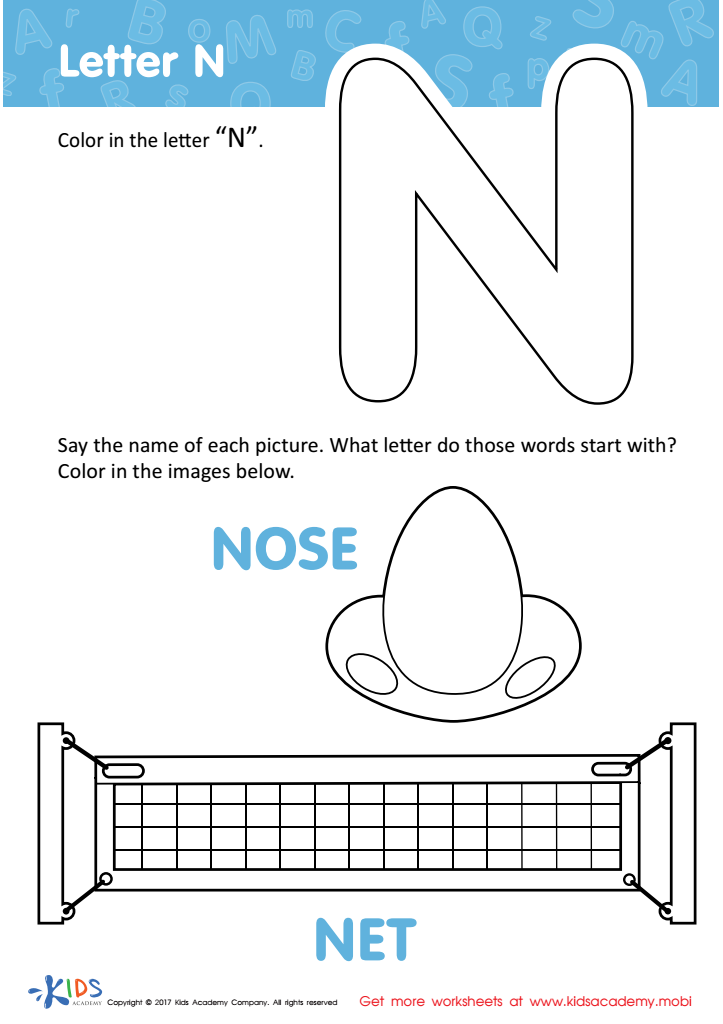
Letter N Coloring Sheet
Assign to My Students
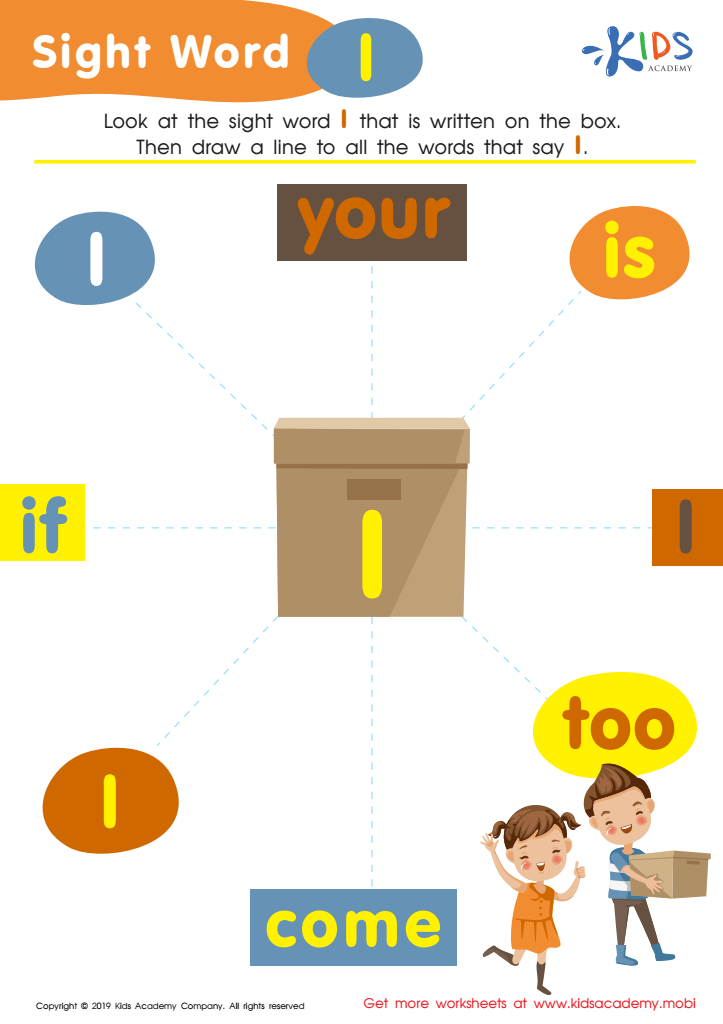
Sight Word I Worksheet
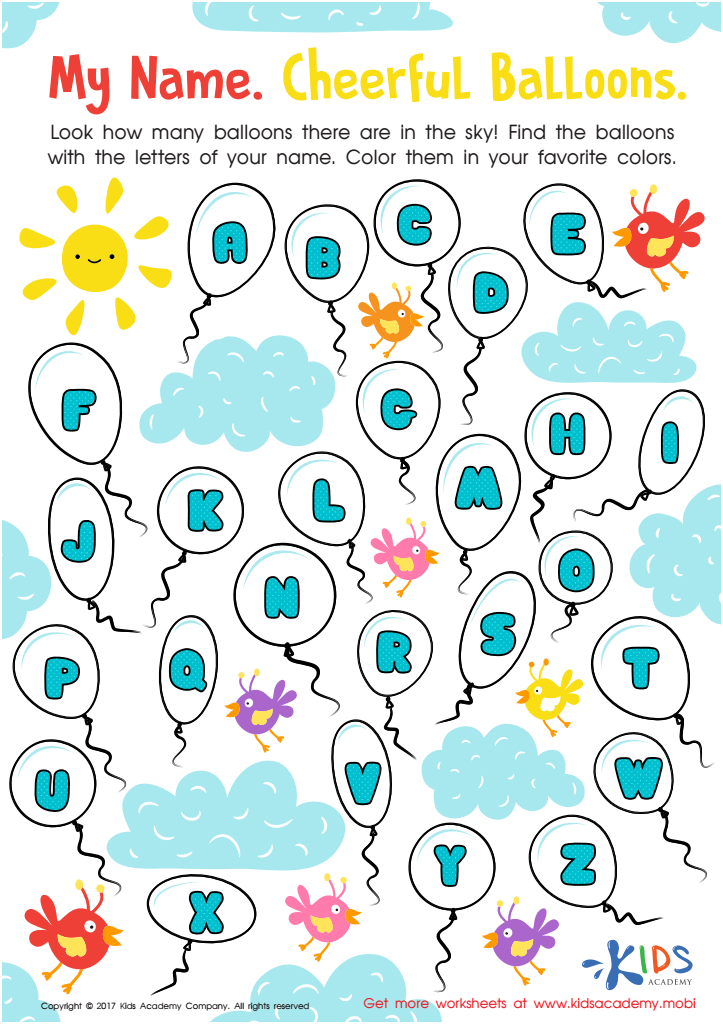
My Name: Cheerful Balloons Worksheet
Assign to My Students
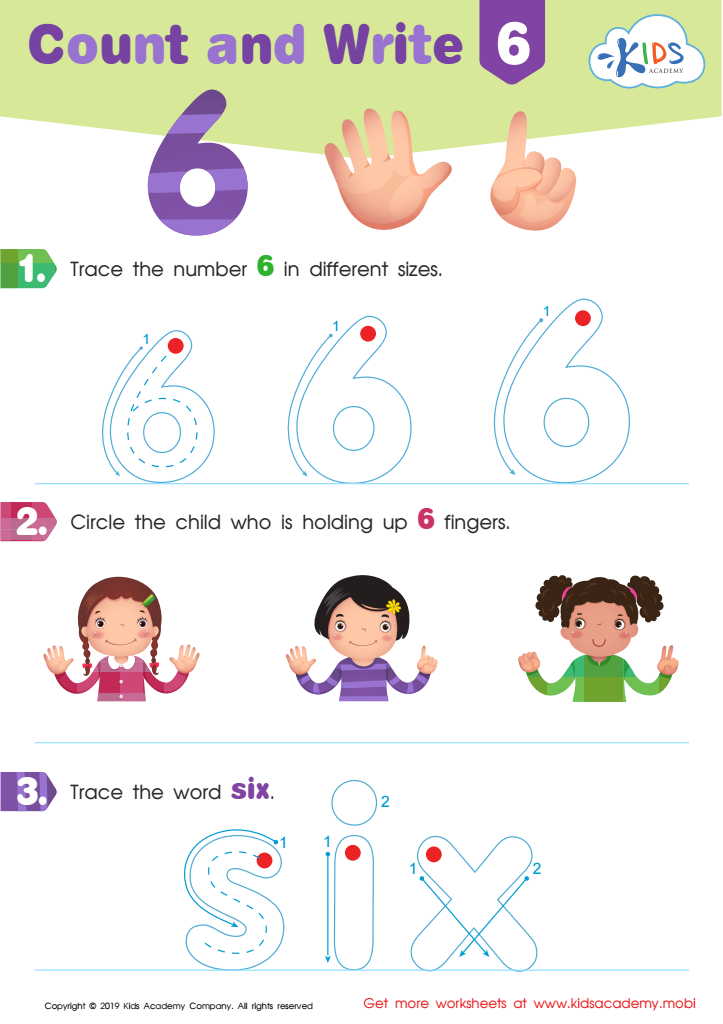
Count and Write 6 Worksheet
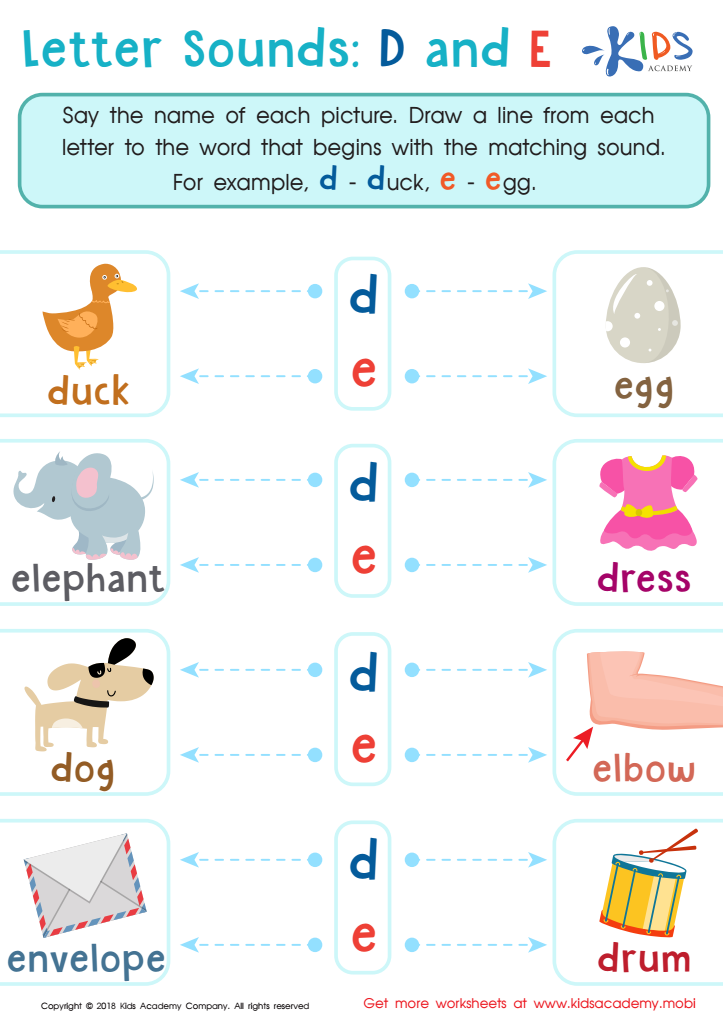
Letter D and E Sounds Worksheet
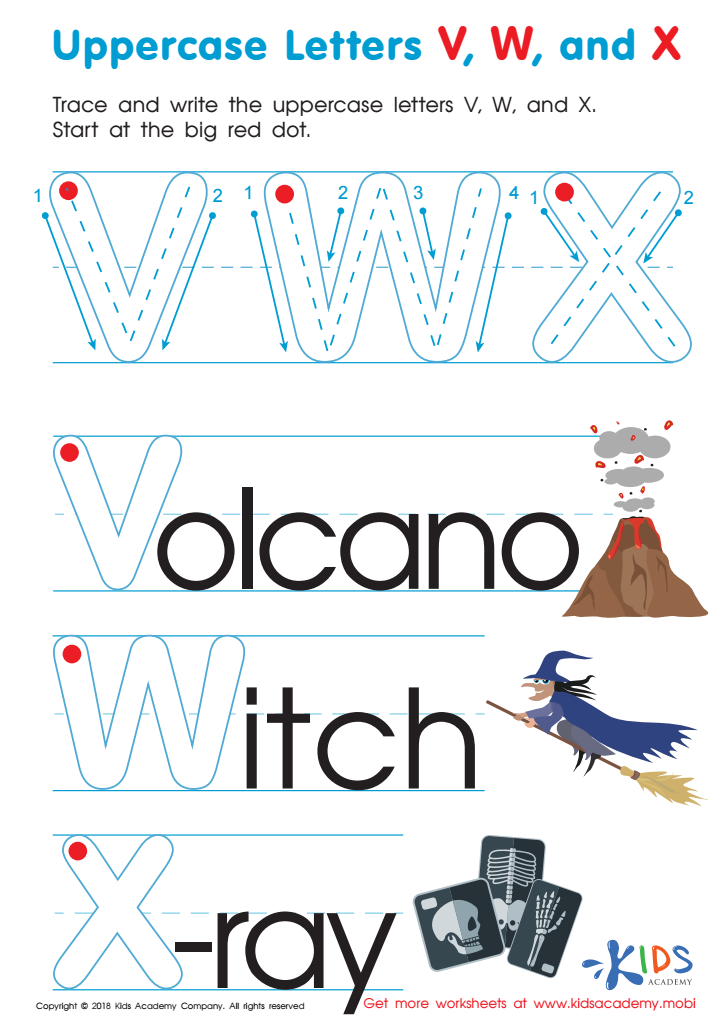
Uppercase Letters V, W, and X Worksheet
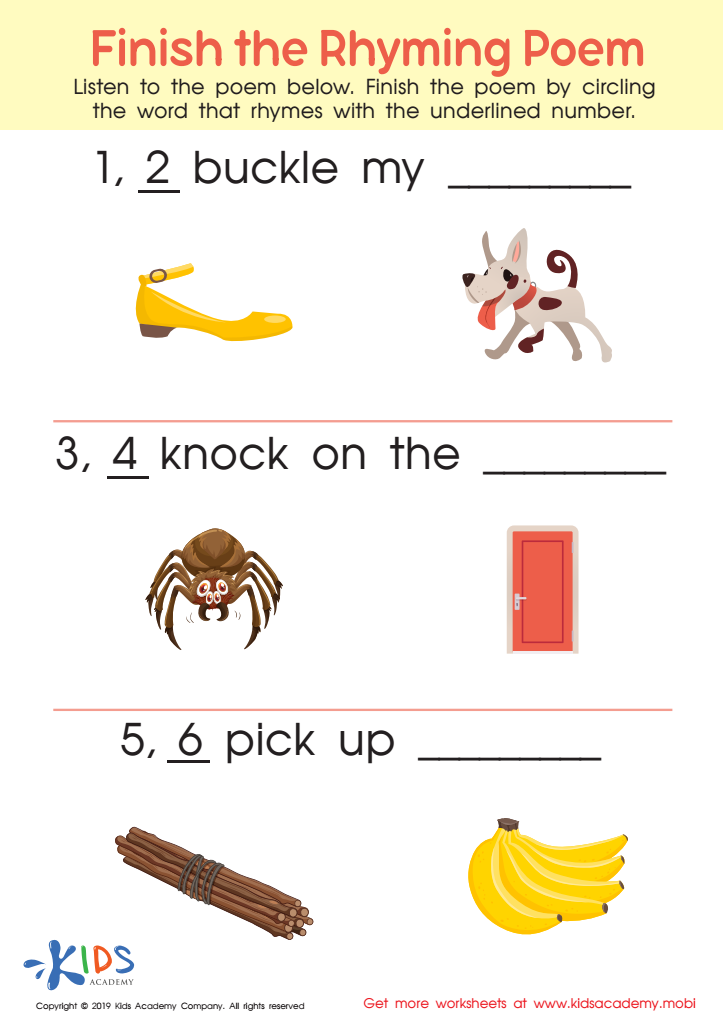
Finish Rhyming Poem Worksheet
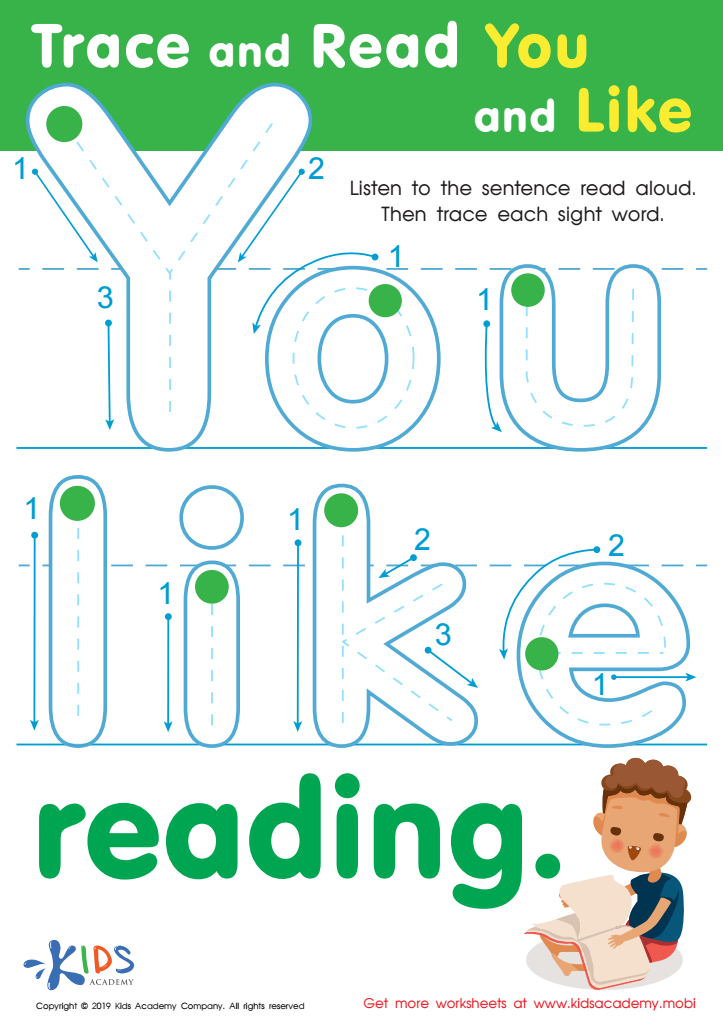
Trace Read You Like Worksheet
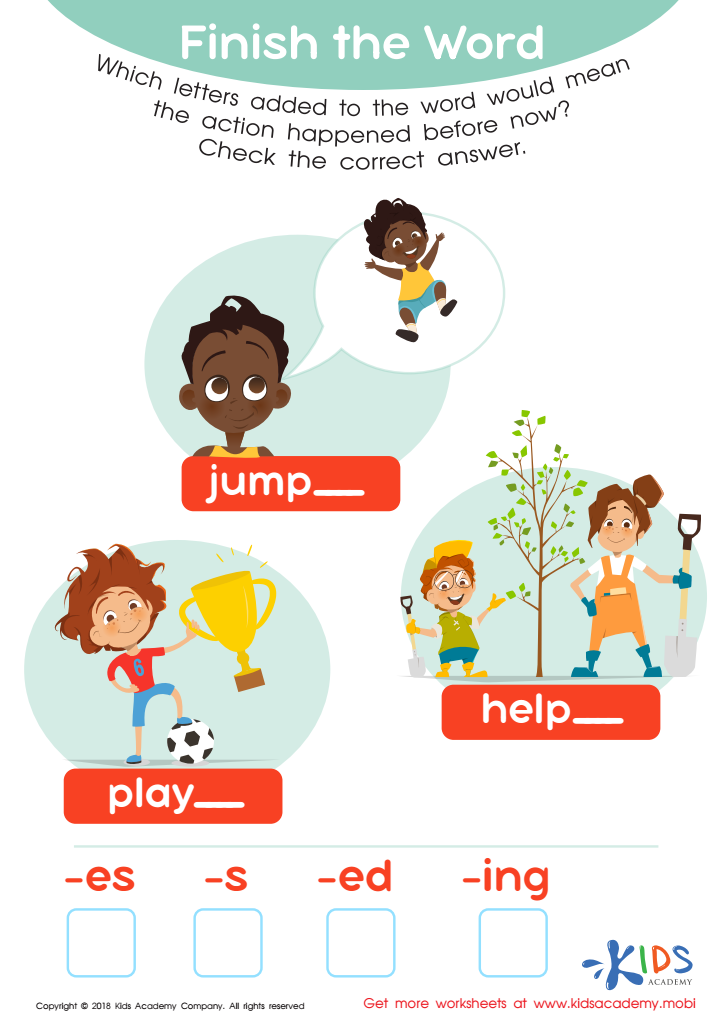
Finish the Word Worksheet








Handwriting practice is fundamentally important for children aged 5-9 as it fosters critical developmental skills. Firstly, engaging in handwriting enhances fine motor skills. This age group is continually honing their ability to control and coordinate small muscle movements, and writing by hand actively engages these skills. It ensures that muscles in their hands and fingers develop properly, laying a foundation for more complex tasks later.
Secondly, handwriting nurtures cognitive development. Writing by hand stimulates brain activity and enhances memory retention, comprehension, and learning efficiency. This kinesthetic activity connects hand movements to letter forms, reinforcing learning and aiding memory. This tangible method is particularly crucial during the early stages of literacy when children are learning to recognize and understand the alphabet and basic words.
Additionally, handwriting practice improves attention and focus. The act of forming letters, words, and sentences requires concentration, patience, and diligence, essential traits in academic and daily life. Effective handwriting is tied to the development of reading and spelling skills, impacting overall academic performance.
Furthermore, neat handwriting encourages self-expression and boosts confidence, fostering a sense of accomplishment that is highly motivating for children. Thus, both parents and teachers should regard handwriting practice as a cornerstone of early childhood education essential for comprehensive cognitive, motor, and emotional development.








