Identifying fractions Worksheets for Ages 5-9
7 filtered results
-
From - To
Explore our engaging Identifying Fractions Worksheets designed specifically for children aged 5-9! These fun and interactive activities help young learners grasp the concept of fractions through colorful visuals and relatable examples. From pie charts to everyday objects, our worksheets make learning fractions enjoyable and relatable. Designed to cater to various learning styles, these resources support foundational math skills, enabling kids to confidently recognize and understand fractions in different contexts. Perfect for classroom use or home practice, our worksheets provide essential practice while fostering a love for math in young learners. Start your child's exciting journey into the world of fractions today!
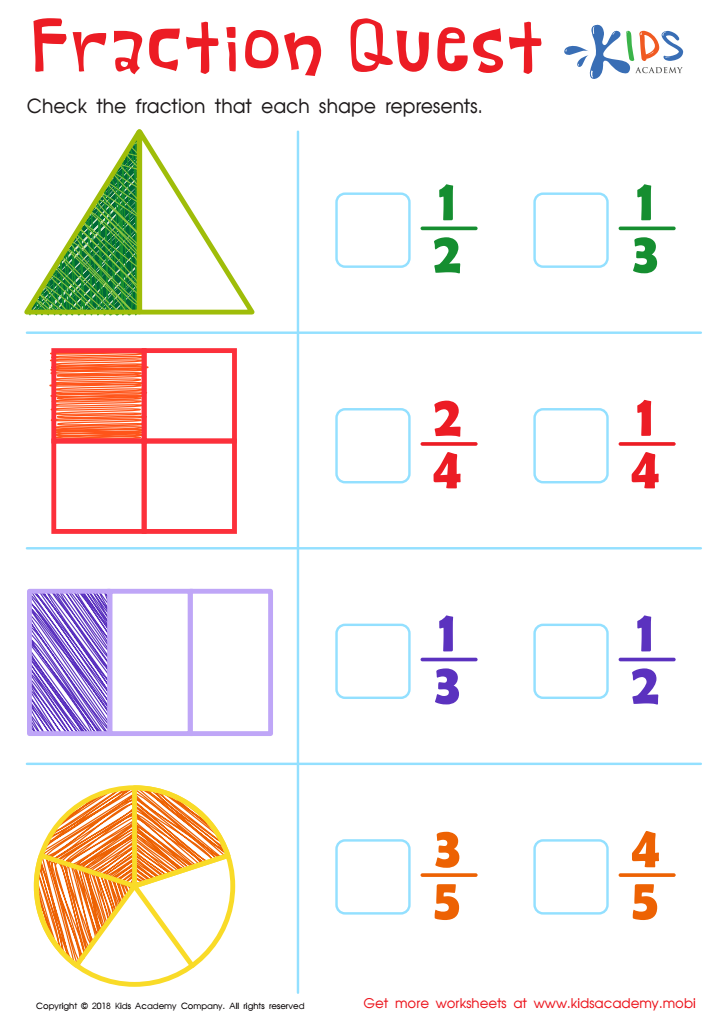
Fraction Quest Worksheet
 Assign to My Students
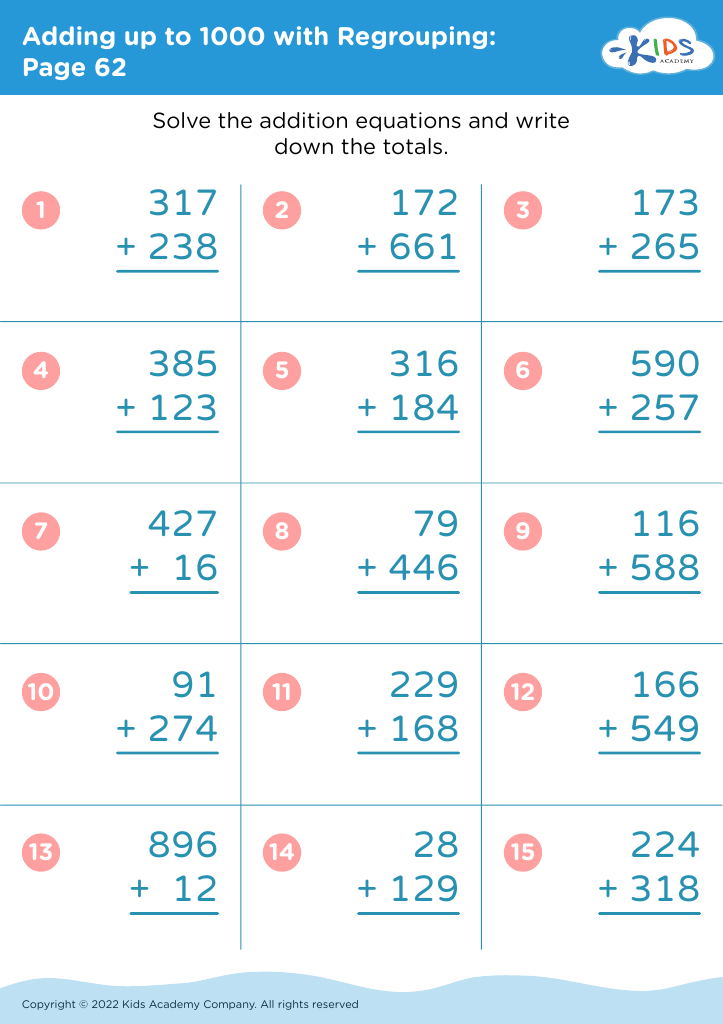
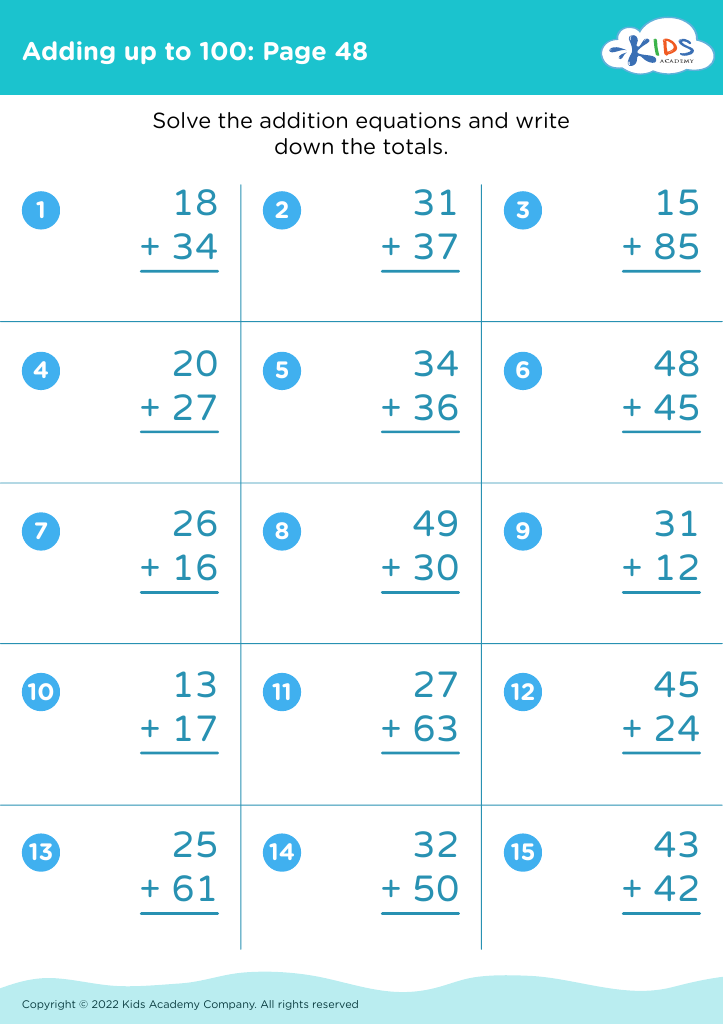
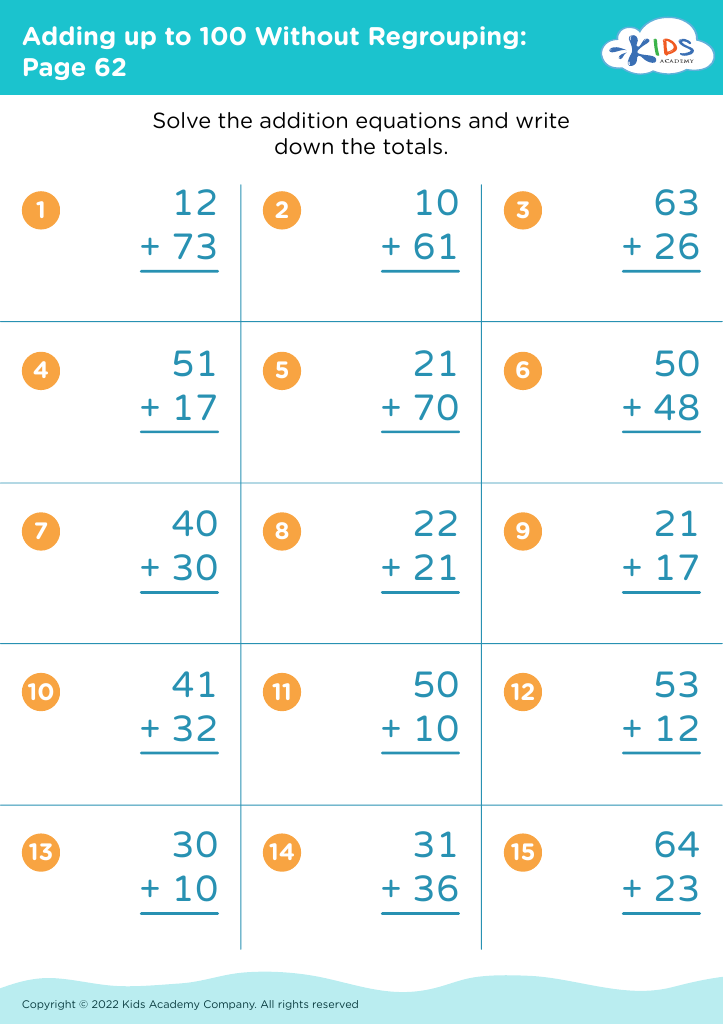
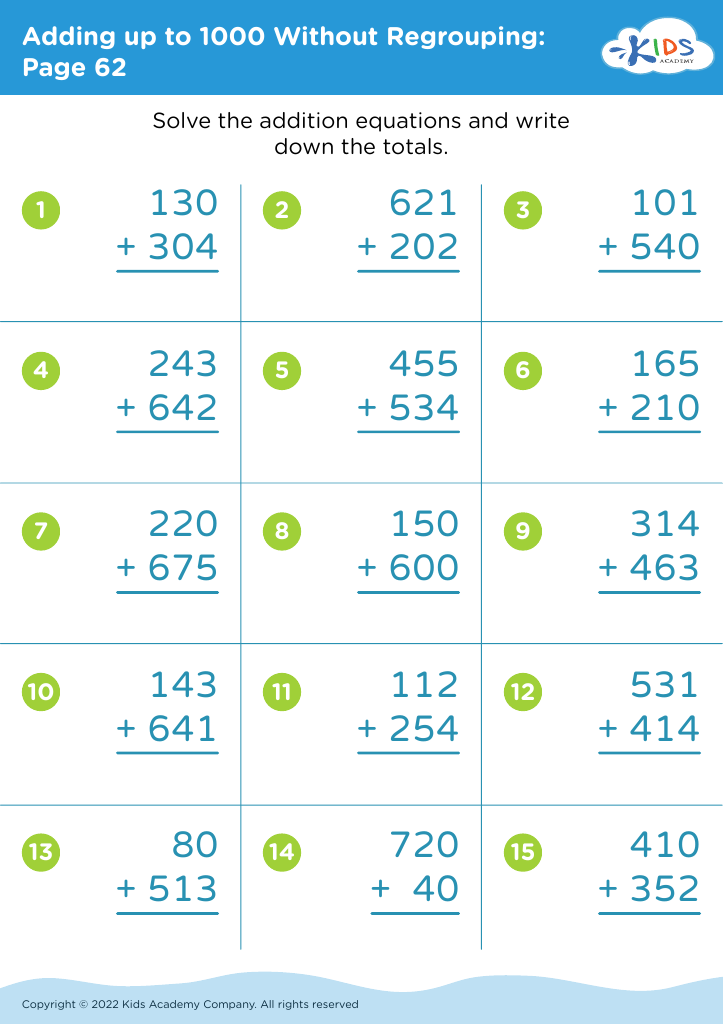
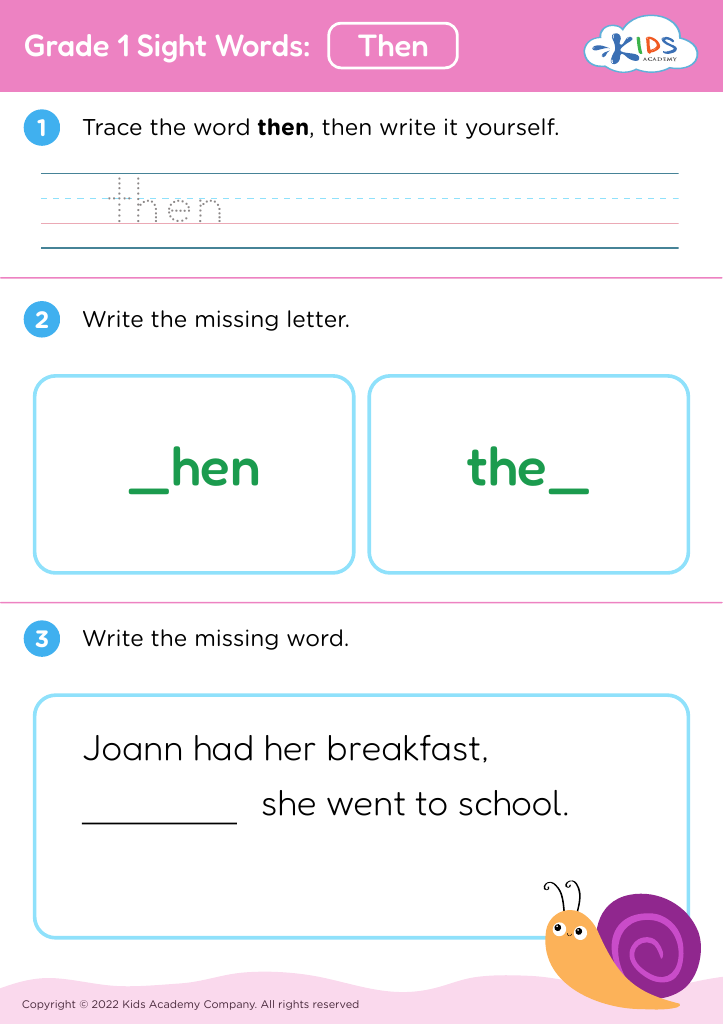
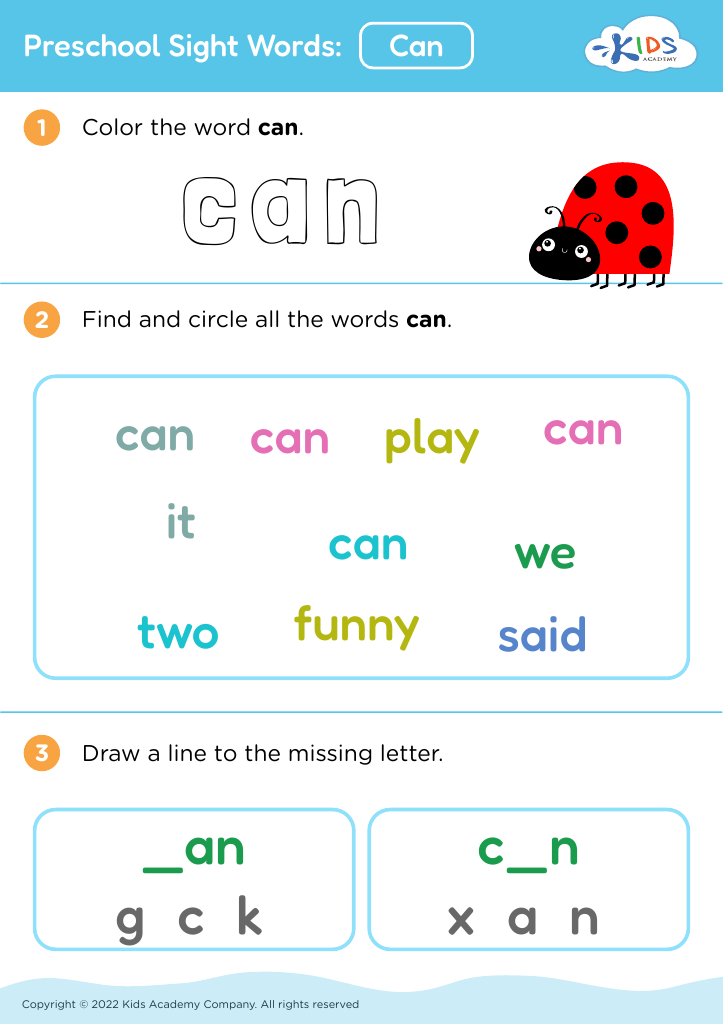





Identifying fractions is essential for children aged 5-9, as it lays the groundwork for their future understanding of mathematics and critical thinking skills. At this developmental stage, children are naturally curious and eager to grasp new concepts. Introducing fractions helps them understand part-whole relationships, fostering their ability to divide and categorize. Recognizing fractions aids in their comprehension of everyday situations, from sharing snacks to understanding measurements in cooking, which makes math relevant and practical.
Furthermore, early exposure to fractions builds a strong mathematical foundation. Understanding basic fractions can improve children's confidence in their math abilities, preparing them for more complex concepts like decimals and ratios in later grades. Engaging in fraction-related activities nurtures not only numeric skills but also boosts problem-solving, reasoning, and logical thinking.
For parents and teachers, identifying fractions can be an enjoyable learning experience. By incorporating games, visual aids, and hands-on activities, they can create a positive environment that sparks interest in math. This early focus on fractions cultivates a lifelong appreciation for mathematics, ensuring that children are well-equipped academically and ready to tackle future challenges in both math and real-life situations. Ultimately, emphasizing the significance of fractions promotes critical life skills alongside academic achievement.








