Reading analog clocks Worksheets for Ages 5-9
9 filtered results
-
From - To
Welcome to our Reading Analog Clocks Worksheets for Ages 5-9! Designed to engage young learners, these worksheets offer fun and interactive activities that help children master reading analog clocks. With colorful illustrations and varied exercises, students will learn to tell time to the hour and half-hour, developing essential skills for everyday life. Ideal for both classroom and home use, these printables cater to different learning styles, ensuring every child finds joy in learning to read clock faces. Foster your child's confidence and independence with our thoughtfully crafted resources that make time-telling an enjoyable adventure!
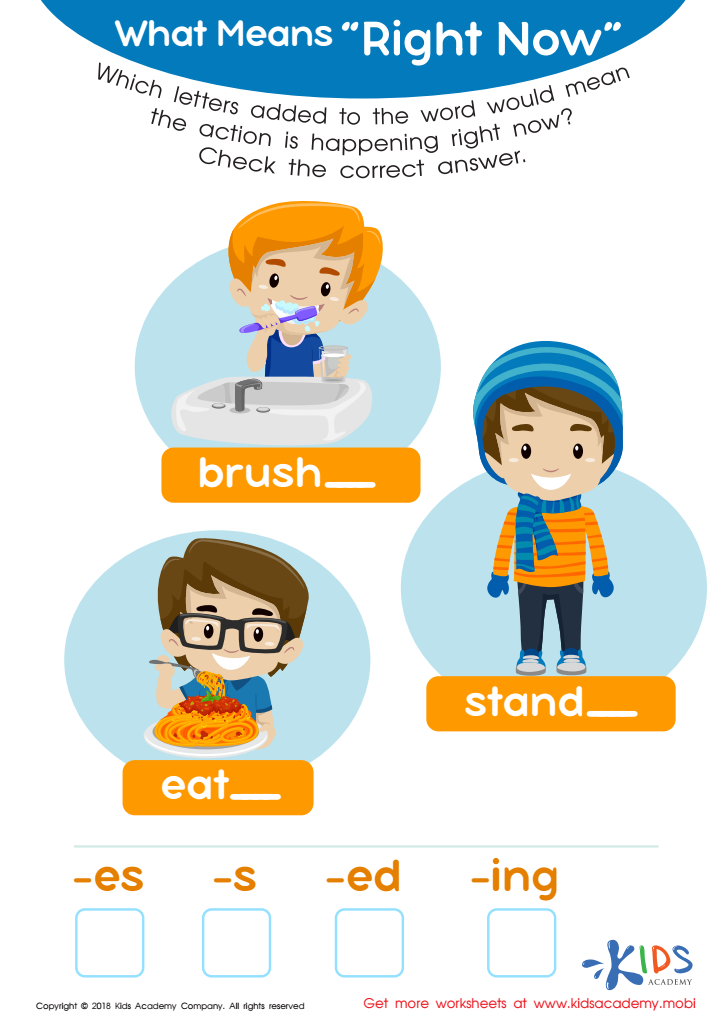
What Means "Right Now" Worksheet
 Assign to My Students
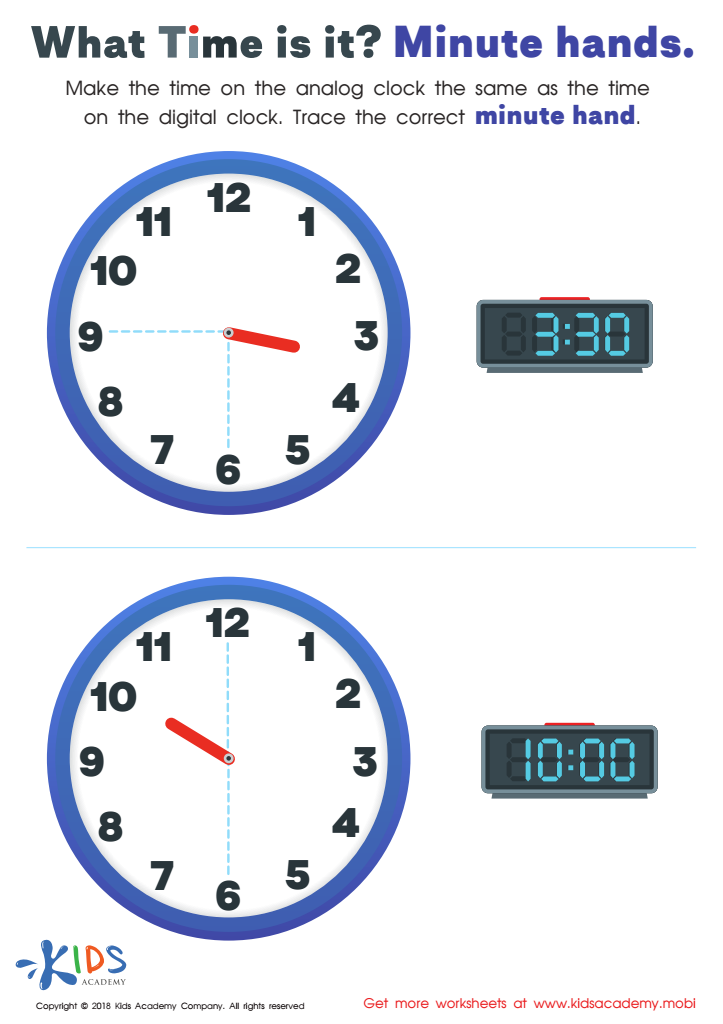
What Time Is it? Minute Hands Worksheet
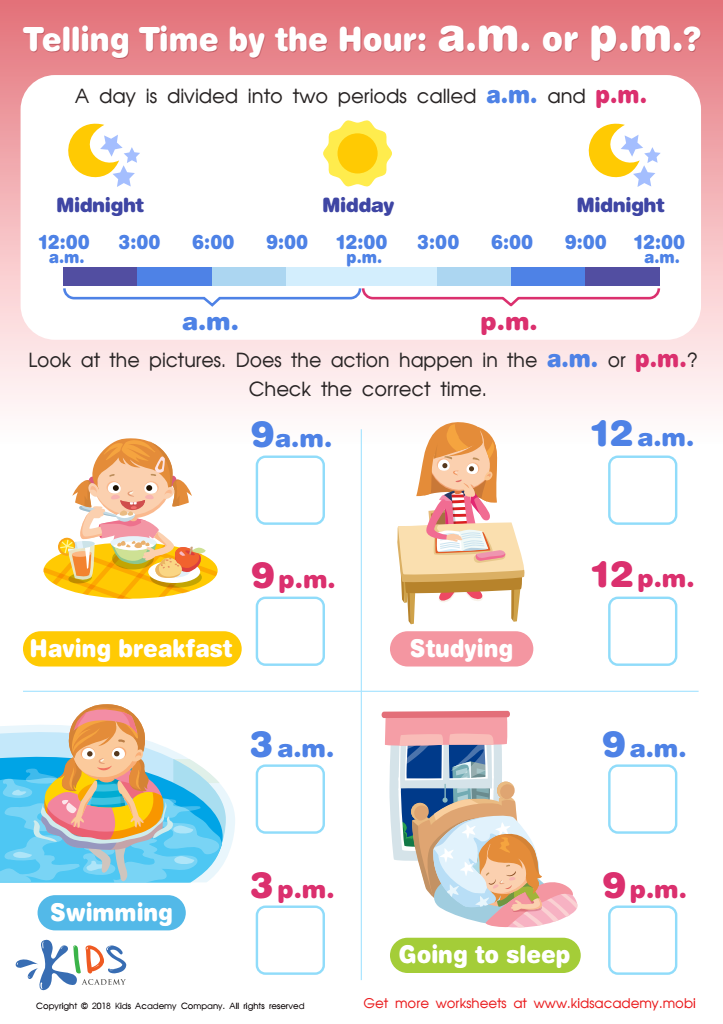
Tilling Time by the Hour: a.m. or p.m.? Worksheet
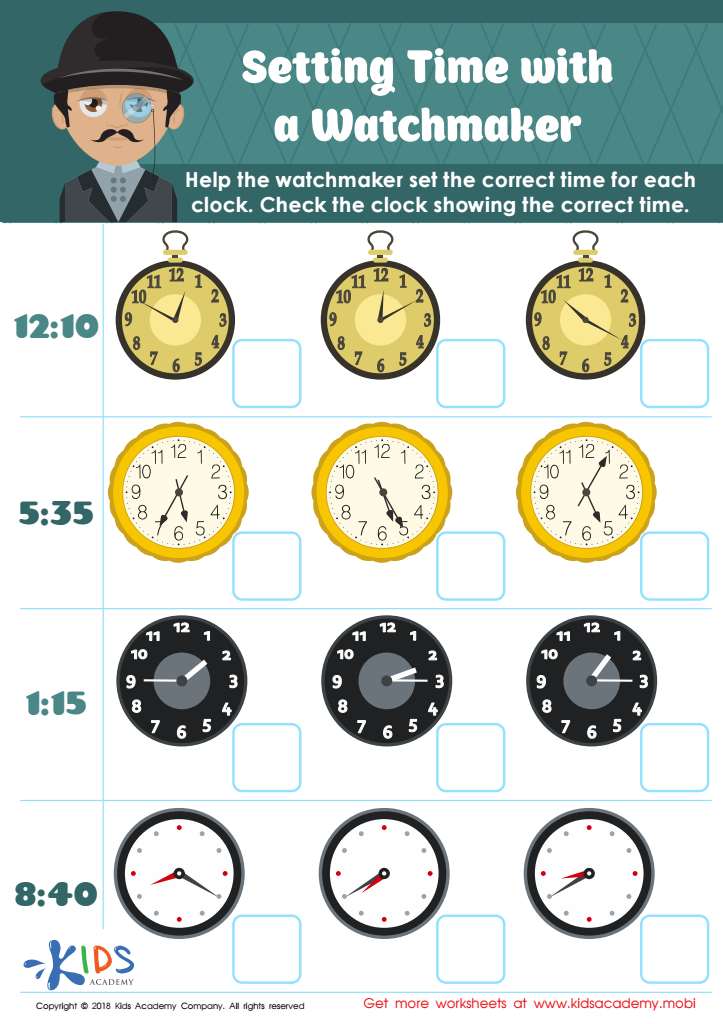
Setting Time with Watchmaker Worksheet
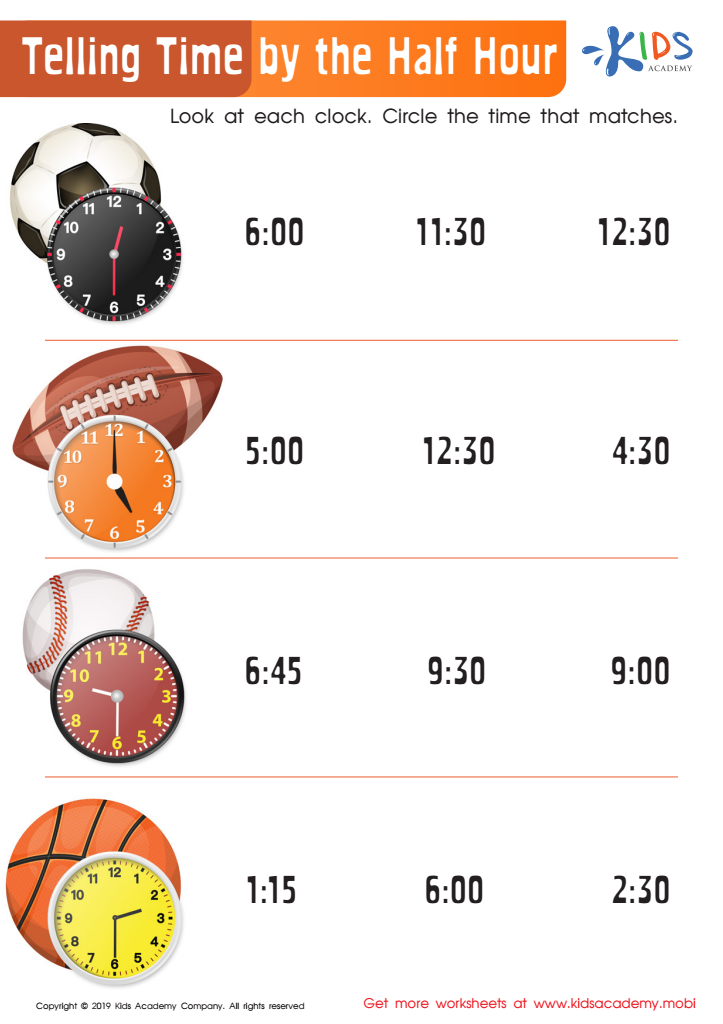
Telling Time by the Half Hour Worksheet




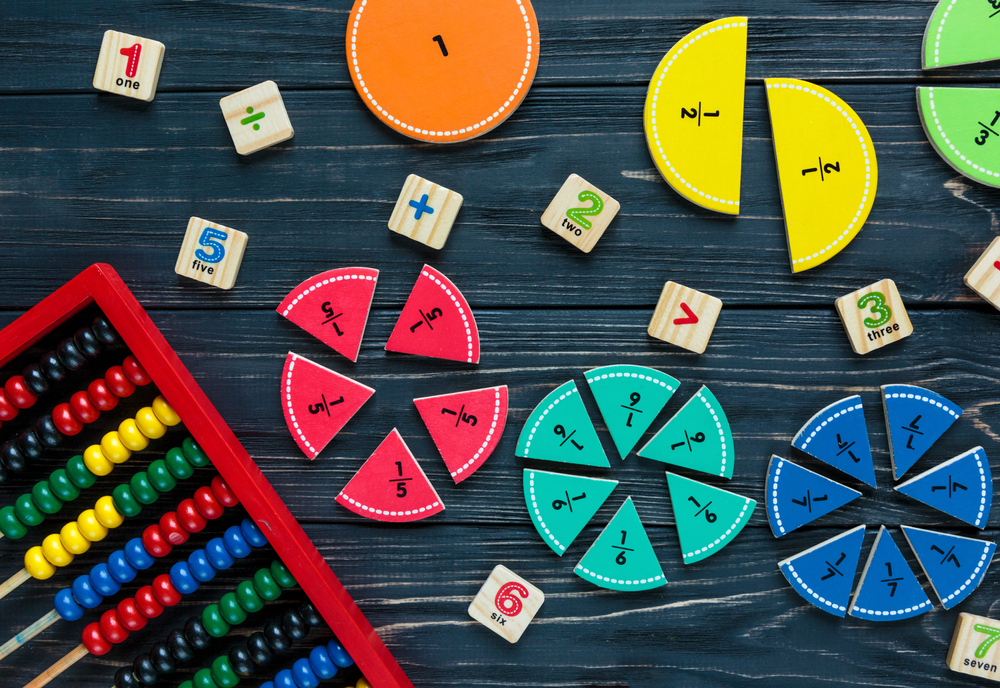



Reading analog clocks is a crucial skill for children aged 5-9, as it fosters a deeper understanding of time, enhances cognitive abilities, and promotes independence. Unlike digital clocks, which present numbers straightforwardly, analog clocks require children to interpret the position of the hands against the numbered face, engaging their critical thinking and problem-solving skills. This enhances their spatial awareness and strengthens mathematical concepts such as counting by fives and understanding fractions.
Moreover, grasping how to read analog clocks can boost children's self-esteem and confidence. It empowers them to manage their schedules better and develop time-management skills, vital for their academic and personal lives. Learning to tell time on an analog clock encourages mindfulness and punctuality, traits that will serve them well in the future.
Parents and teachers should also facilitate this learning by incorporating interactive activities, games, and real-life applications of time awareness in their lessons. By instilling a love for learning about time early on, children build a strong foundation for their future. Ultimately, caring about an understanding of analog clocks is synonymous with nurturing essential life skills and encouraging a proactive approach towards education.








