Understand number sequencing Worksheets for Ages 5-9
3 filtered results
-
From - To
Discover the engaging world of number sequencing with our specially designed worksheets for children ages 5-9! These resources aid in developing essential math skills by reinforcing the concept of numerical order. Your child will enjoy interactive activities that encourage counting, recognizing patterns, and understanding sequences. Our worksheets feature vibrant illustrations and various fun exercises that make learning a delightful experience. Perfect for reinforcing classroom lessons or supporting at-home learning, these worksheets serve as an excellent tool to boost confidence in young learners. Start exploring our collection today and watch your child excel in their understanding of number sequencing!
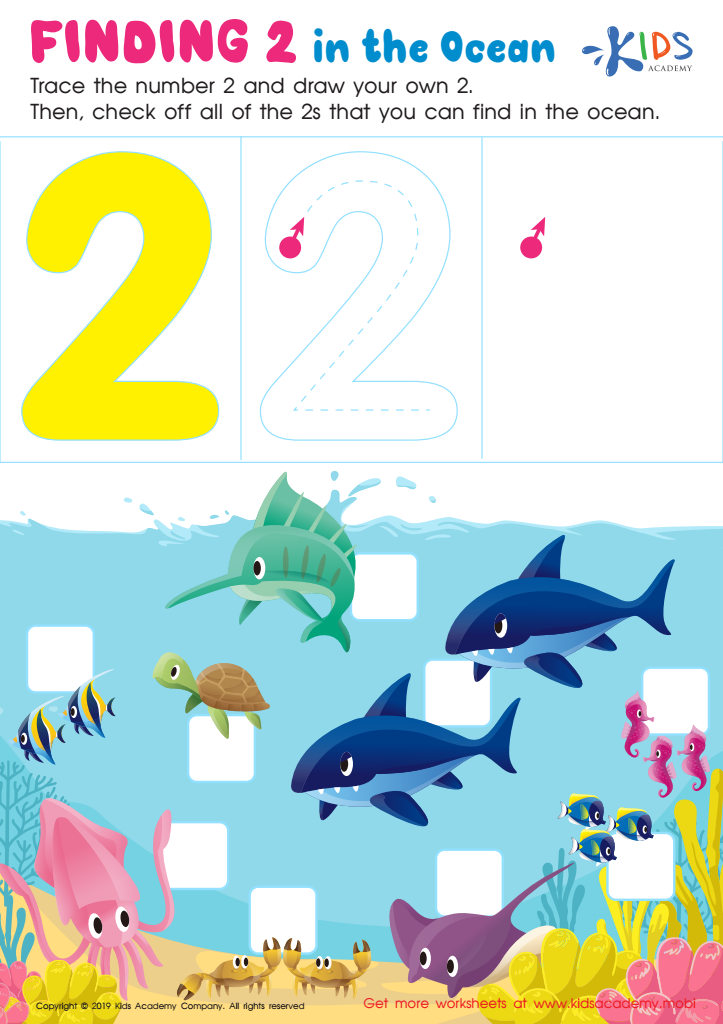
Finding 2: In the Ocean Worksheet
 Assign to My Students







Understanding number sequencing is crucial for children aged 5-9, as it serves as the foundation for their mathematical learning and cognitive development. Mastery of number sequences helps children recognize patterns and develop critical thinking skills. When children can identify numerical order—from counting and beyond—they gain the confidence to tackle more complex mathematical concepts like addition and subtraction.
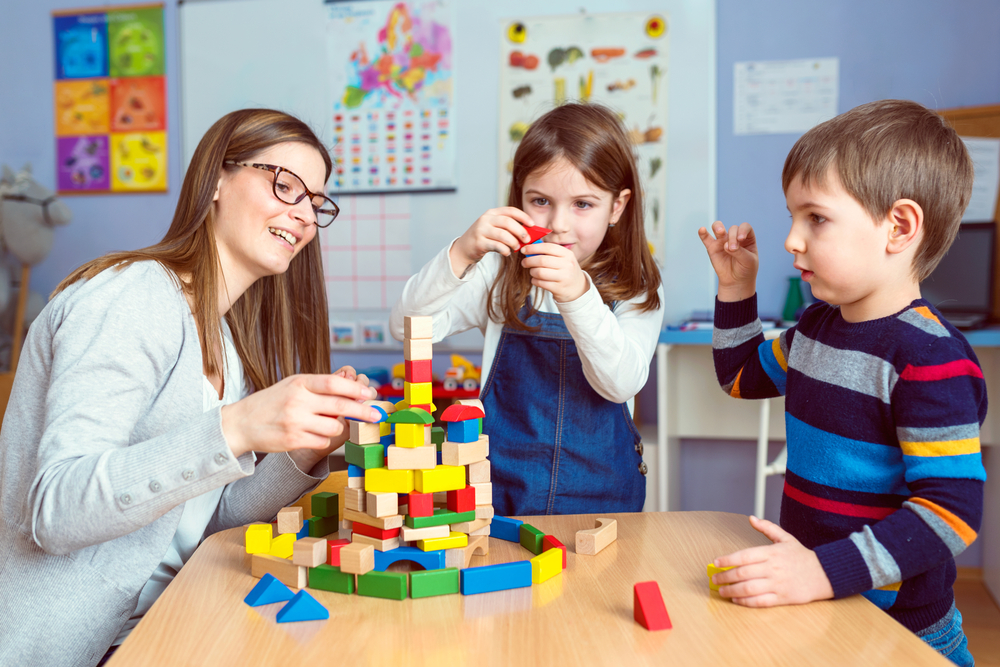
For parents and teachers, nurturing this skill encourages not just academic success but also supports general problem-solving abilities that can extend well beyond math. Engaging children in activities that promote number sequencing—like playing counting games, rhyming songs, or everyday situations involving numbers—provides an interactive and enjoyable learning experience.
Additionally, a strong grasp of sequencing effectively prepares children for skills such as time management (understanding timelines), reading charts, and engaging with everyday math tasks. As children advance to higher-grade levels, their ability to connect ideas and use sequences in problem-solving will prove invaluable.
In selling number sequencing's importance to parents and educators, it becomes evident that this foundational skill nurtures a lifelong love for learning, developing not just proficient mathematicians but well-rounded, confident individuals ready to take on future challenges.








