
Understanding sequence Worksheets for Ages 5-9
9 filtered results
Difficulty Level
Grade
Age
-
From - To
Subject
Activity
Standards
Discover our "Understanding Sequence Worksheets" designed specifically for children aged 5-9! These engaging worksheets help young learners develop essential sequencing skills, a crucial building block for reading comprehension and logical thinking. Through a variety of fun activities, kids will practice arranging events in order, recognizing patterns, and enhancing their ability to follow directions. Our resources foster creativity and motivate learning by incorporating colorful illustrations and relatable scenarios that capture children's imaginations. Ideal for homeschoolers and classroom settings alike, these worksheets will empower your child to grasp the concept of sequence effectively and enjoyably. Start your child’s sequencing journey today!
Favorites
With answer key
Interactive
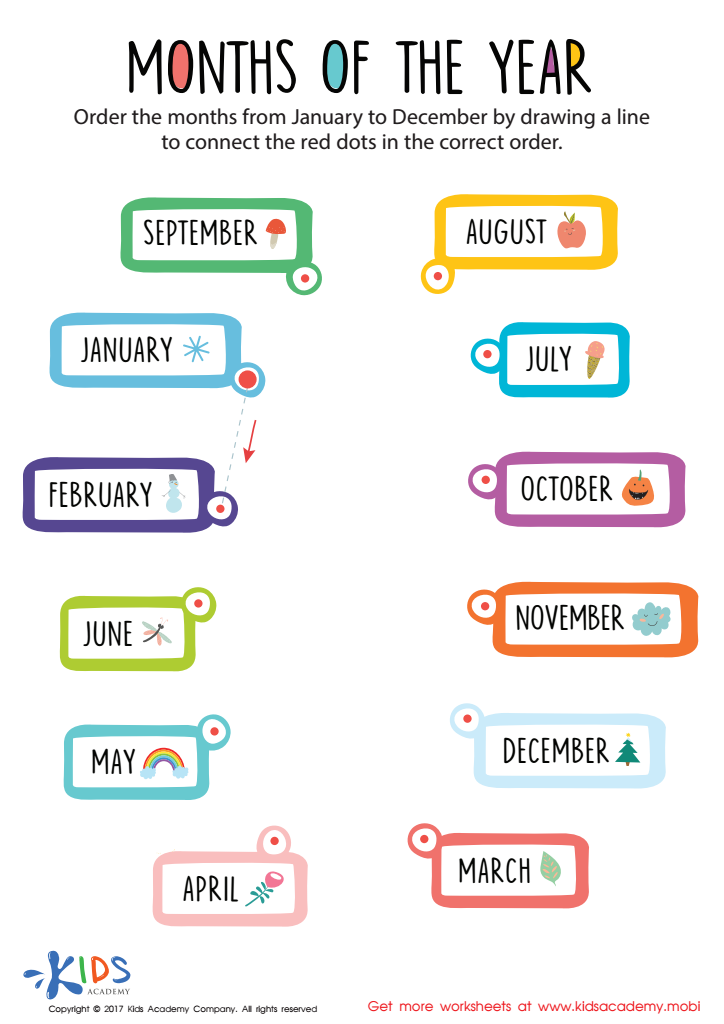
Months of the Year Worksheet
Challenge your child with this months of the year worksheet! Help them remember the yearly calendar by having them connect the dots from January to December. It's a fun way to test their knowledge of the twelve months and sharpen their memory!
 Assign to My Students
Months of the Year Worksheet
Worksheet
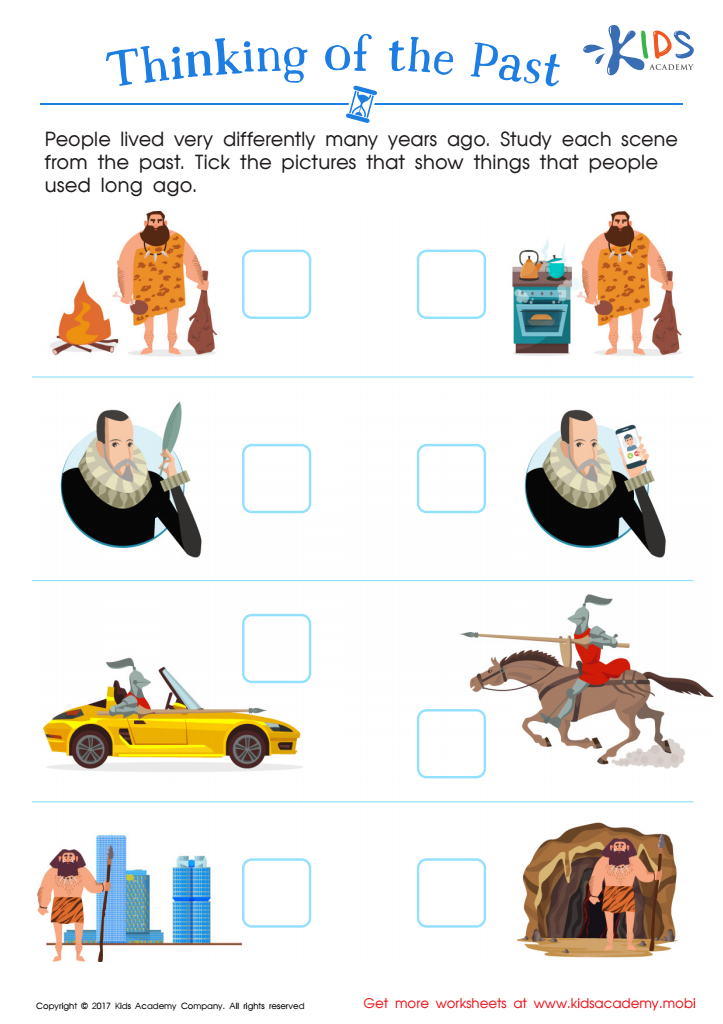
Thinking Past Printable
Bring the past to life for your kid with this fun worksheet! They'll use logic to choose the right answer, learning about different eras and how people lived in them. With a colorful caveman and modern skyscraper side by side, they won't even realize they're building historical knowledge.
Thinking Past Printable
Worksheet
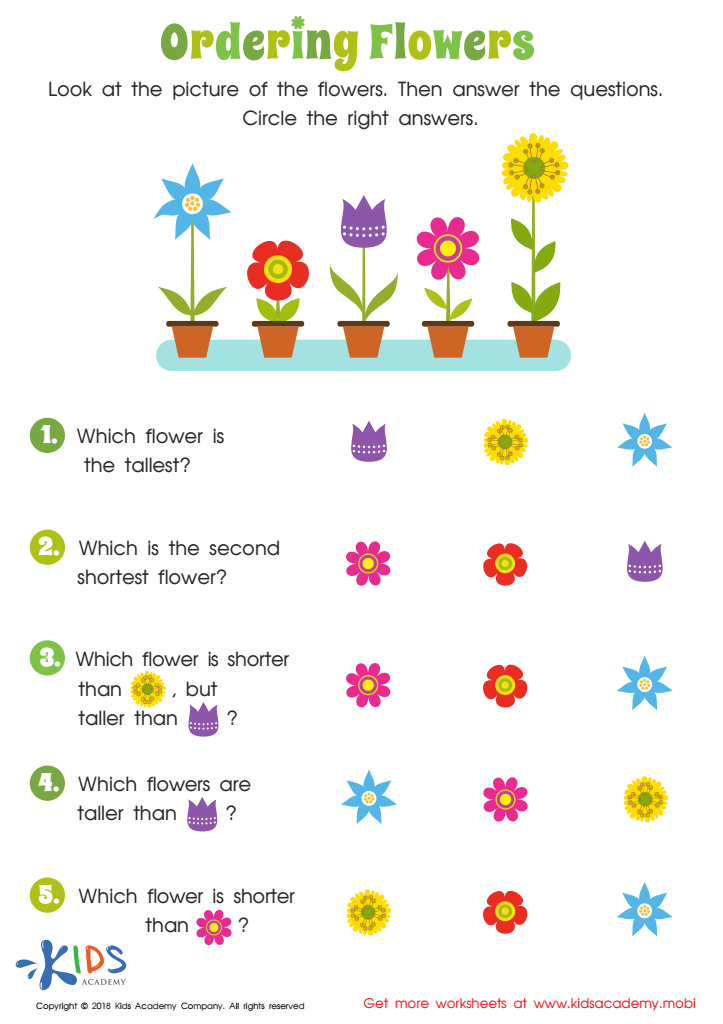
Ordering Flowers Worksheet
Preschoolers can start learning measurement with visuals! This worksheet uses colorful flowers of different heights. Ask your learner to observe the flowers, then help them compare/answer which is taller/shorter. It's an easy way for them to begin learning about measurement.
Ordering Flowers Worksheet
Worksheet
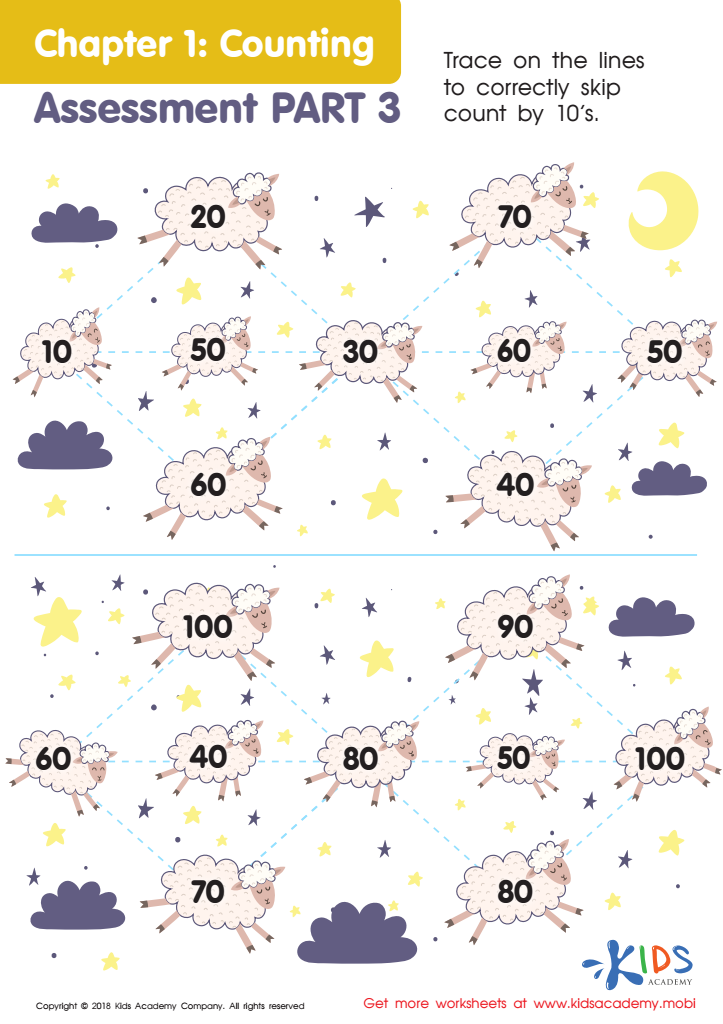
Counting: Assessment 3 Worksheet
This worksheet is great for assessing your child's counting skills. It's a bit more challenging than the usual 'count to fifty' exercises. Have them trace the lines and skip count by 10's to help them learn counting in tens.
Counting: Assessment 3 Worksheet
Worksheet
Join Kids Academy for Free
Who is primarily going to use this learning content?


.jpg)



.jpg)

Understanding sequence is essential for children aged 5-9 because it lays the foundation for critical thinking, literacy, and mathematics, all integral to their academic and personal development. As children navigate daily events and stories, recognizing the order in which things happen helps them comprehend information effectively. For instance, grasping the sequence in narratives enhances reading comprehension, as they learn to identify beginnings, middles, and ends of stories, promoting a deeper understanding of plot and character development.
In math, sequences are fundamental to grasping concepts like patterns, operations, and arithmetic. Mastering sequence allows children to solve problems systematically, laying the groundwork for more complex mathematical concepts in later years, like fractions and algebra.
Moreover, understanding sequence aids in everyday life, where following directions and completing tasks relies heavily on a clear order of steps. This skill supports their ability to manage personal chores or school assignments effectively.
For parents and teachers, fostering understanding of sequences empowers children, enhancing their organizational skills, cognitive abilities, and self-discipline. Ultimately, developing this vital skill not only supports academic success but also contributes to children's confidence and independence in their everyday lives.








