
Number identification Addition & Subtraction Worksheets for Ages 5-9
5 filtered results
Difficulty Level
Grade
Age
-
From - To
Subject
Activity
Standards
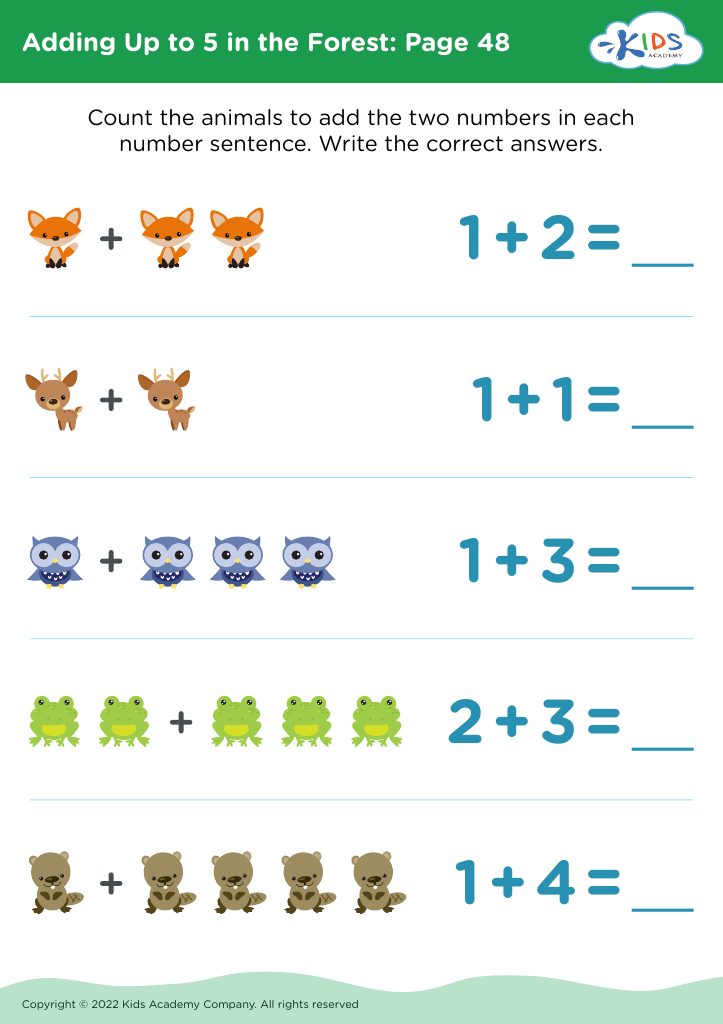
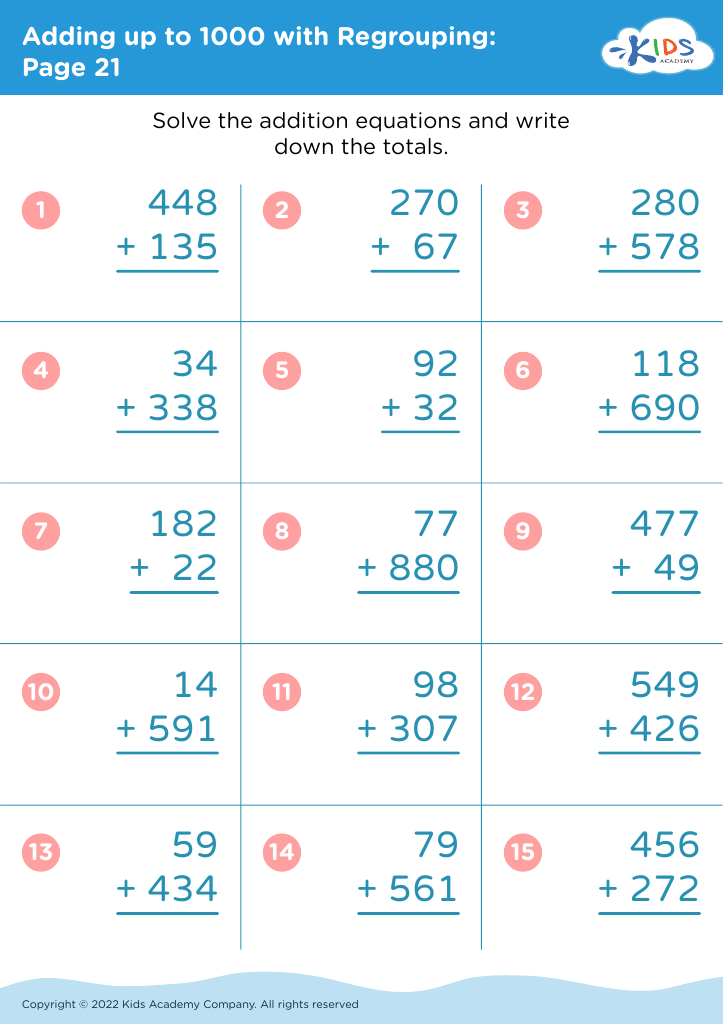
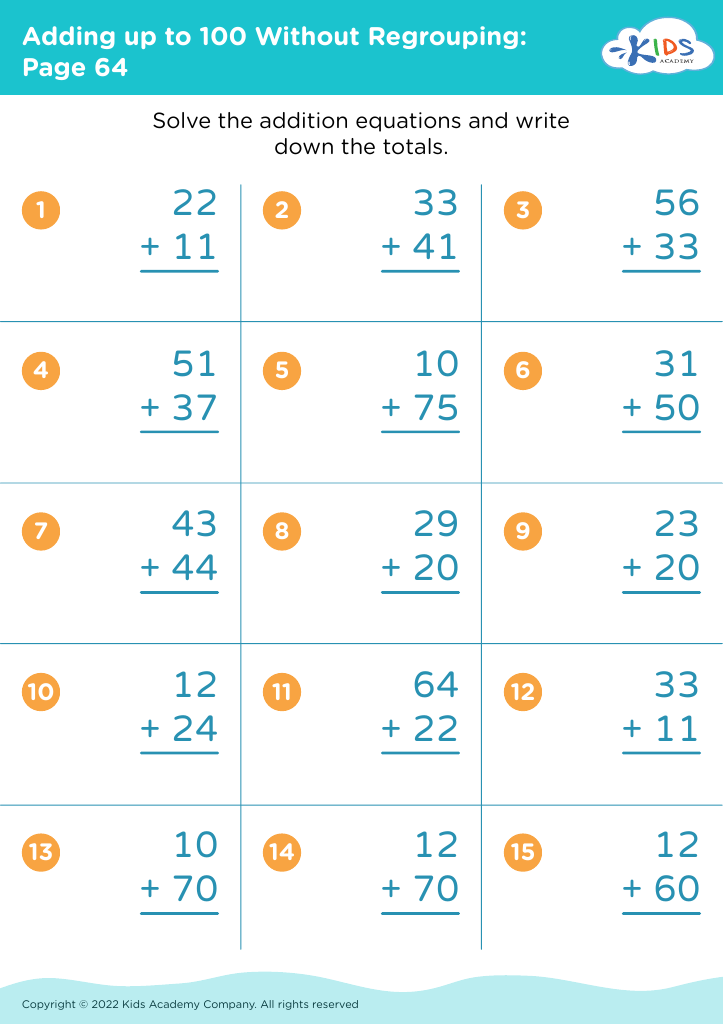
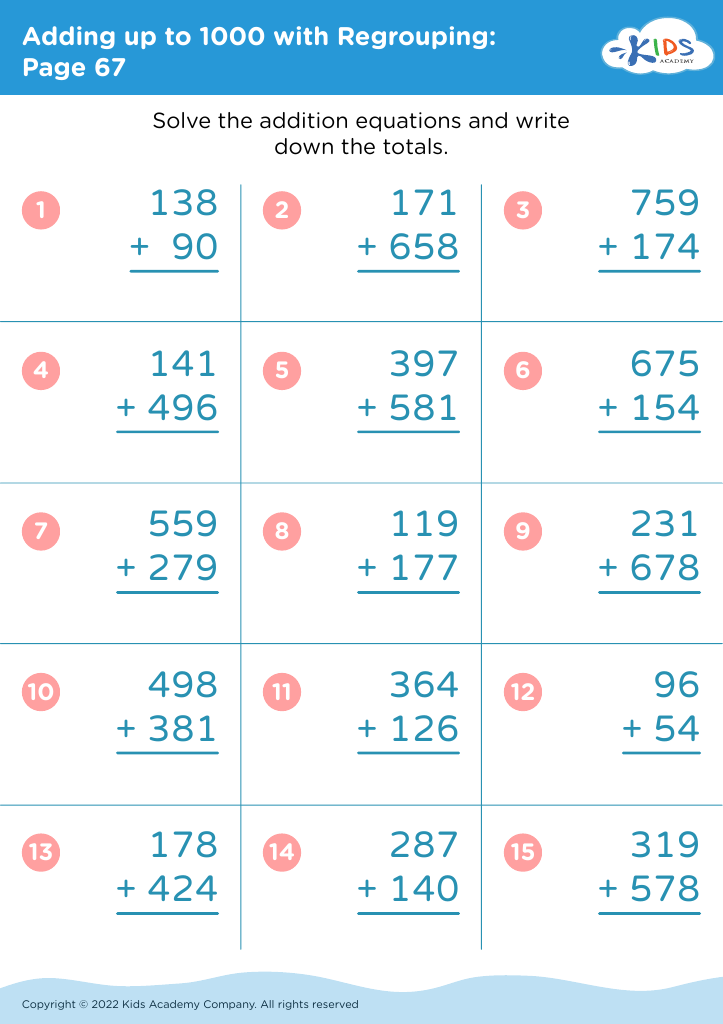
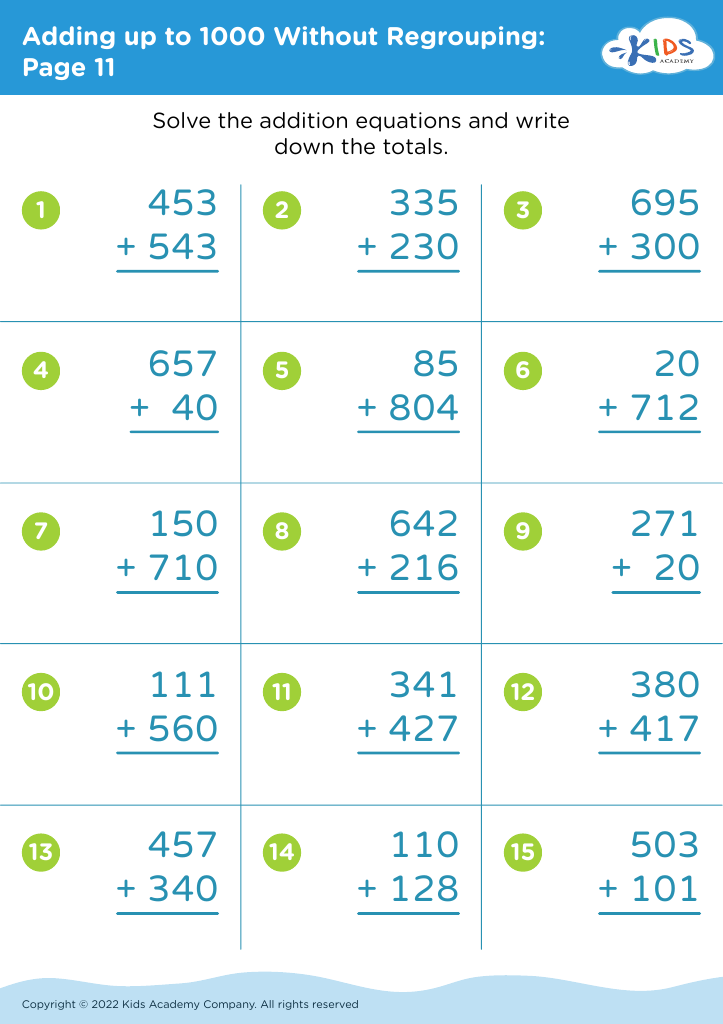
Welcome to our Number Identification Addition & Subtraction Worksheets designed for children ages 5-9! These engaging and colorful worksheets help young learners develop essential math skills by focusing on recognizing numbers and applying them in addition and subtraction problems. Each interactive activity is tailored to foster critical thinking and improve number fluency, ensuring children gain confidence in their math abilities. Whether at home or in the classroom, our printable resources provide a fun and effective way for kids to practice and master foundational math concepts. Explore our worksheets and watch your child's math skills flourish! Perfect for parents and educators alike!
Favorites
With answer key
Interactive
Join Kids Academy for Free
Who is primarily going to use this learning content?








Number identification, addition, and subtraction are foundational skills critical for children's development in mathematics and everyday life. For children aged 5-9, mastering these concepts builds confidence and a solid understanding of numeracy that they will rely on throughout their education.
Parents and teachers should care because these skills pave the way for more complex math concepts. Early familiarity with numbers fosters a healthy relationship with mathematics, reducing anxiety and promoting a positive learning experience. By helping children identify numbers, they gain the basic tools needed for counting, comparing quantities, and understanding their environment in a quantifiable way.
Additionally, addition and subtraction are the bedrock of problem-solving in real-life scenarios, from sharing snacks to managing money. When children learn these skills, they are equipping themselves with strategies to navigate challenges effectively.
Furthermore, strong numerical skills in these early years have been linked to better performance in later math-related subjects. A focus on early math education not only supports academic success but also encourages critical thinking, logical reasoning, and resilience. Ultimately, fostering these skills prepares children for a future where math plays an integral role, emphasizing why caregivers must prioritize early mathematical learning.








