Pattern recognition Addition & Subtraction Worksheets for Ages 5-9
9 filtered results
-
From - To
Unlock the power of math with our engaging Pattern Recognition Addition & Subtraction Worksheets designed specifically for children aged 5-9! These worksheets not only enhance basic math skills but also foster critical thinking and problem-solving through the exploration of patterns in numbers. Young learners will experience interactive and fun activities that build a strong foundation in addition and subtraction while enhancing their ability to identify and create patterns. Perfect for classrooms or at-home practice, our resources empower students to approach math with confidence. Encourage math mastery today and watch your child thrive in their learning journey!
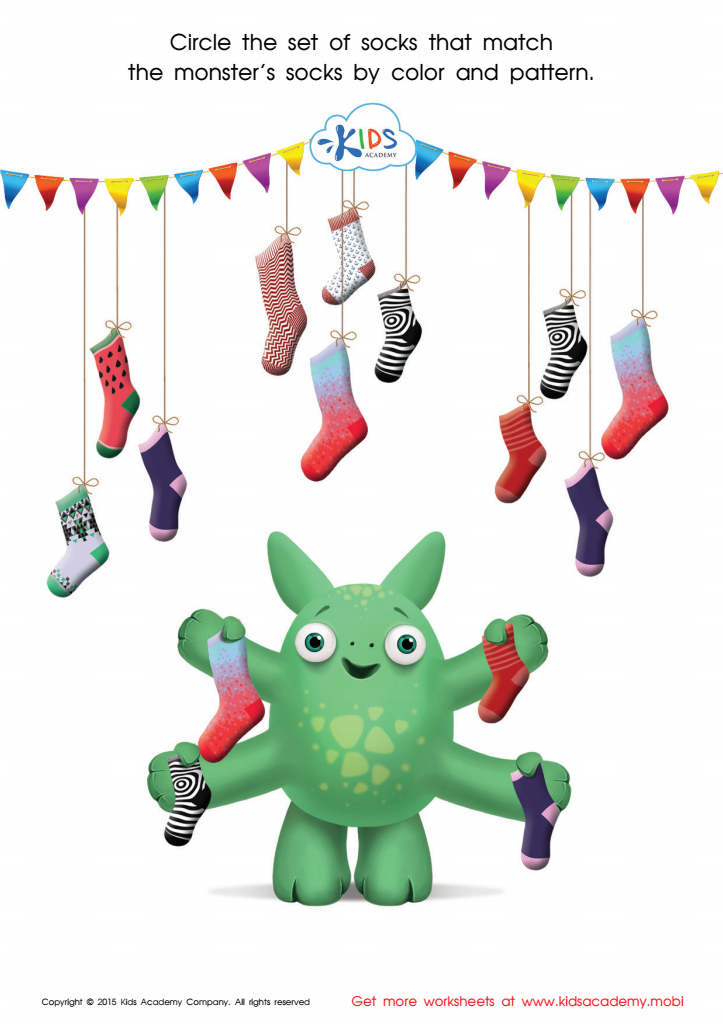
Sort the Monster's Socks Worksheet
 Assign to My Students
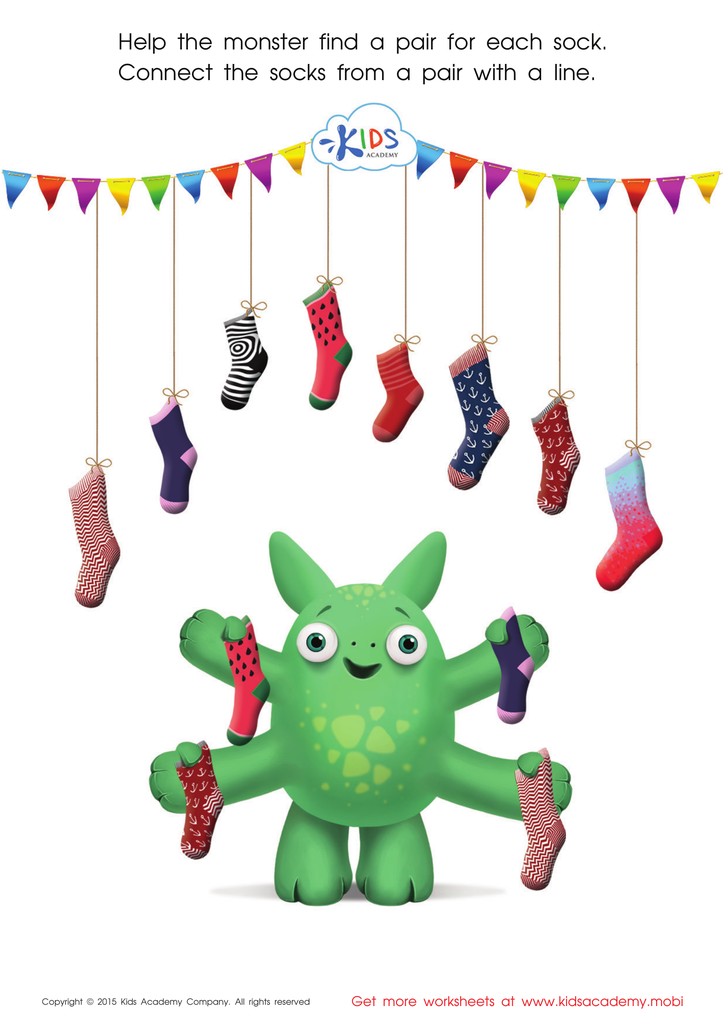
Math Matching Game: Monsterв's Socks Worksheet
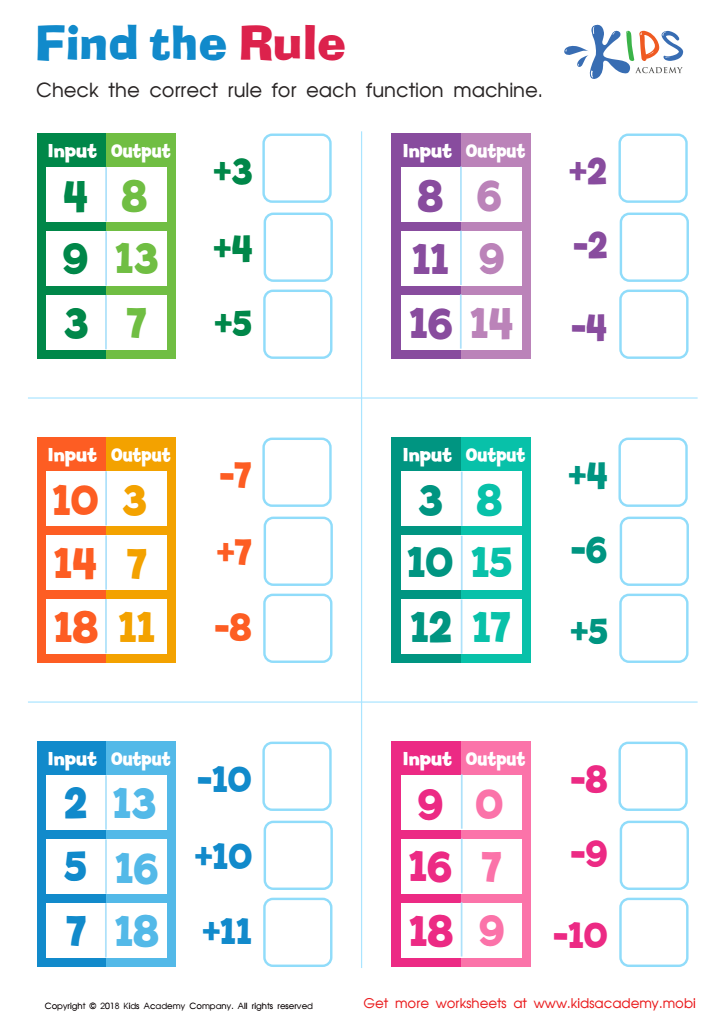
Find the Rule Worksheet
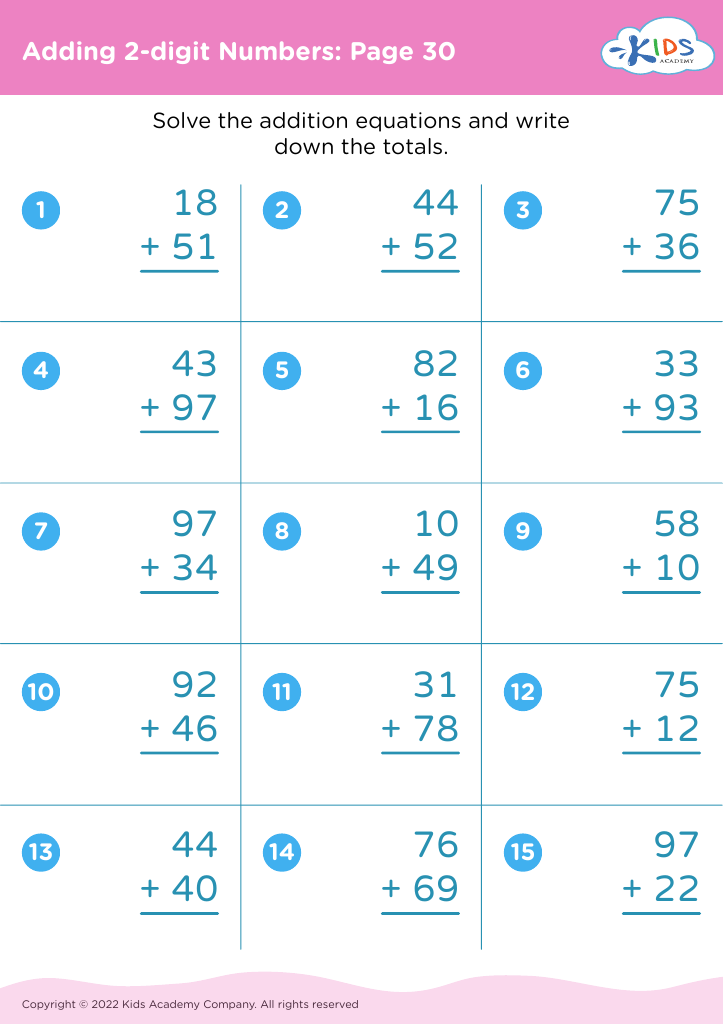
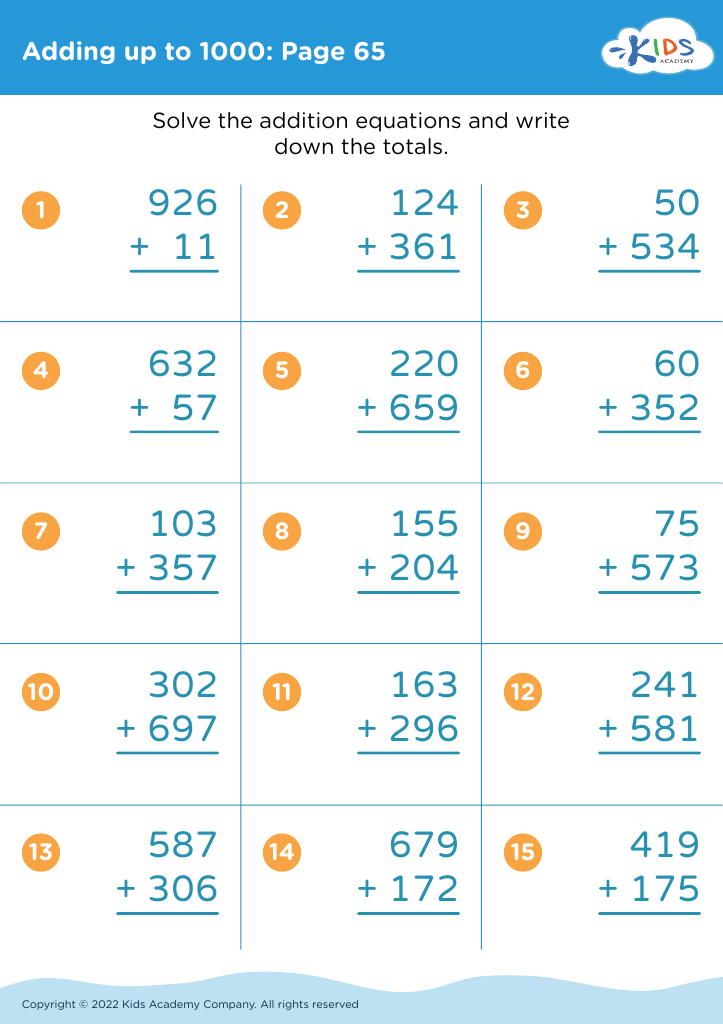
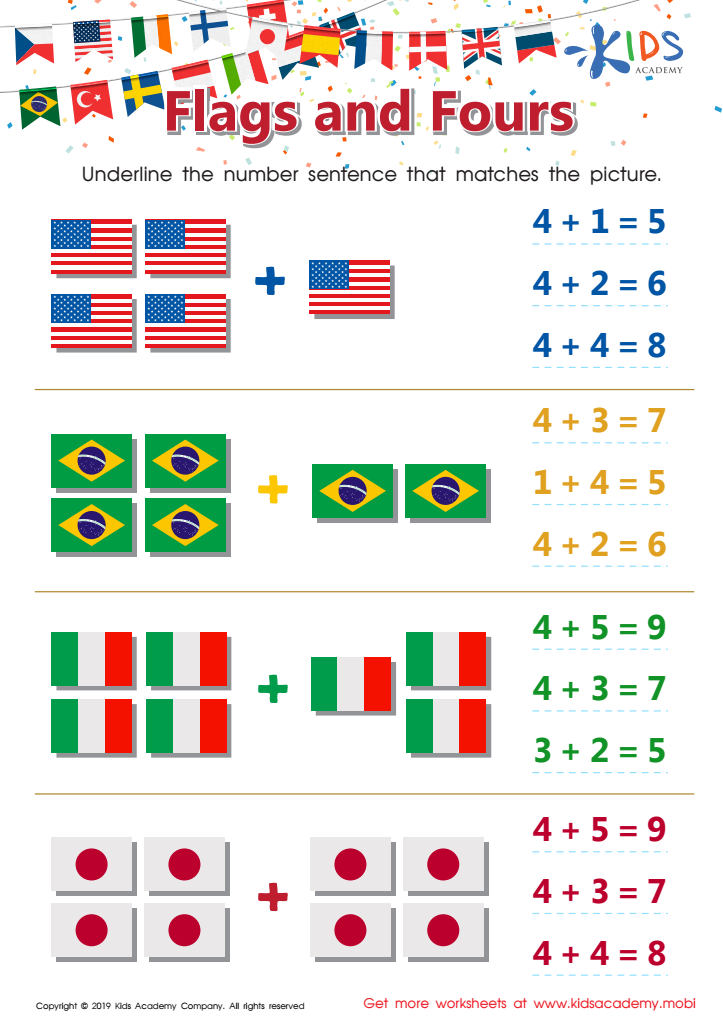
Flags and Fours Worksheet








Pattern recognition in addition and subtraction is crucial for children aged 5-9, as it lays the foundation for advanced mathematical understanding. Children at this age are developing their cognitive skills, and recognizing patterns helps them see relationships between numbers, enabling them to predict outcomes more accurately. For example, when children learn that adding 2+3 gives the same result as adding 3+2, they grasp the concept of commutativity, which simplifies future calculations.
Furthermore, pattern recognition enhances critical thinking and problem-solving skills. It encourages learners to approach mathematical problems strategically rather than relying on rote memorization. By identifying patterns, children can create efficient strategies for addition and subtraction, such as counting on, using number lines, or regrouping.
Additionally, these skills are foundational for later mathematical concepts like multiplication and division, making them essential for a child’s overall academic growth. For parents and teachers, fostering pattern recognition is part of nurturing confidence and enjoyment in math—a key factor for lifelong learning. Ultimately, early mathematical skills significantly impact children’s academic success, making attention to pattern recognition a crucial component of their development. Encouraging these abilities engages children actively, making learning an enjoyable, meaningful process.








