Recognizing Patterns Addition & Subtraction Worksheets for Ages 5-9
23 filtered results
-
From - To
Unlock your child’s mathematical potential with our "Recognizing Patterns Addition & Subtraction Worksheets" designed for ages 5-9. These engaging, interactive worksheets help young learners develop essential skills in identifying numerical patterns while mastering addition and subtraction concepts. Through fun exercises and visually stimulating activities, children will enhance their understanding of mathematical relationships, paving the way for advanced problem-solving abilities. Ideal for home or classroom use, these resources make learning enjoyable and effective! Encourage your child to recognize patterns, build confidence in math, and enjoy learning with our carefully crafted worksheets. Visit our site to access these valuable educational tools today!
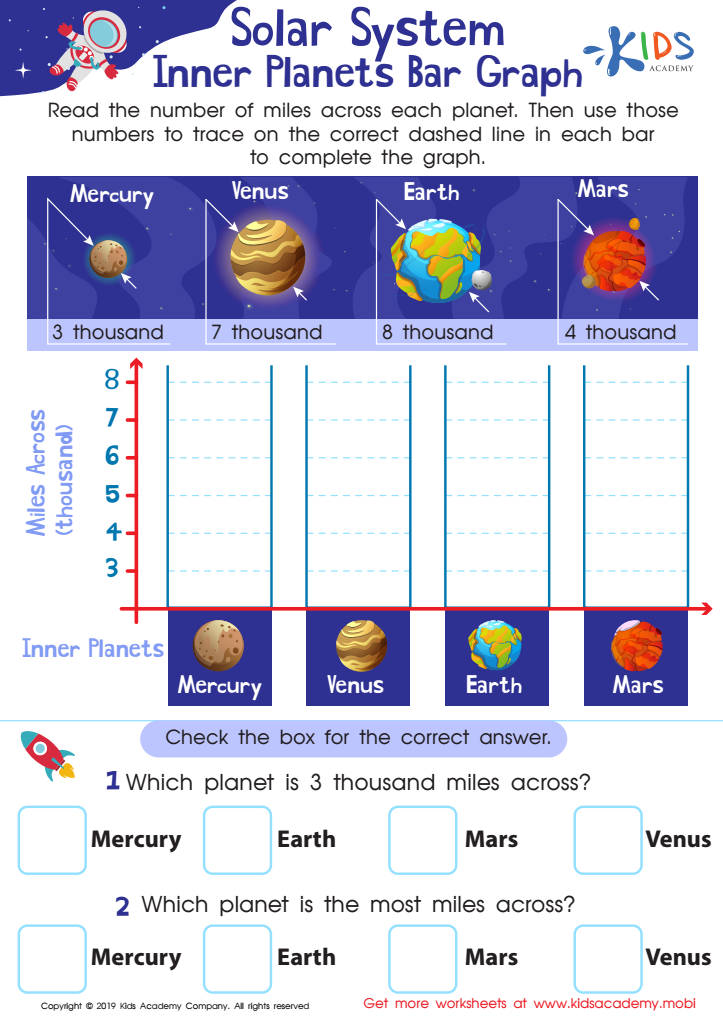
Planets Bar Graph Worksheet
 Assign to My Students
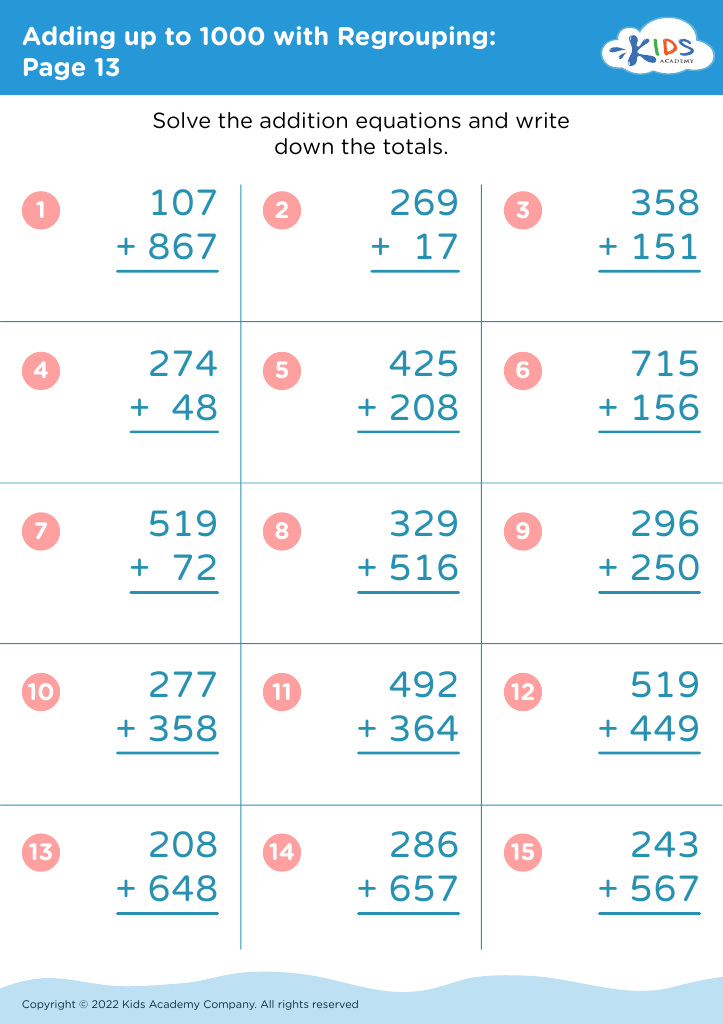
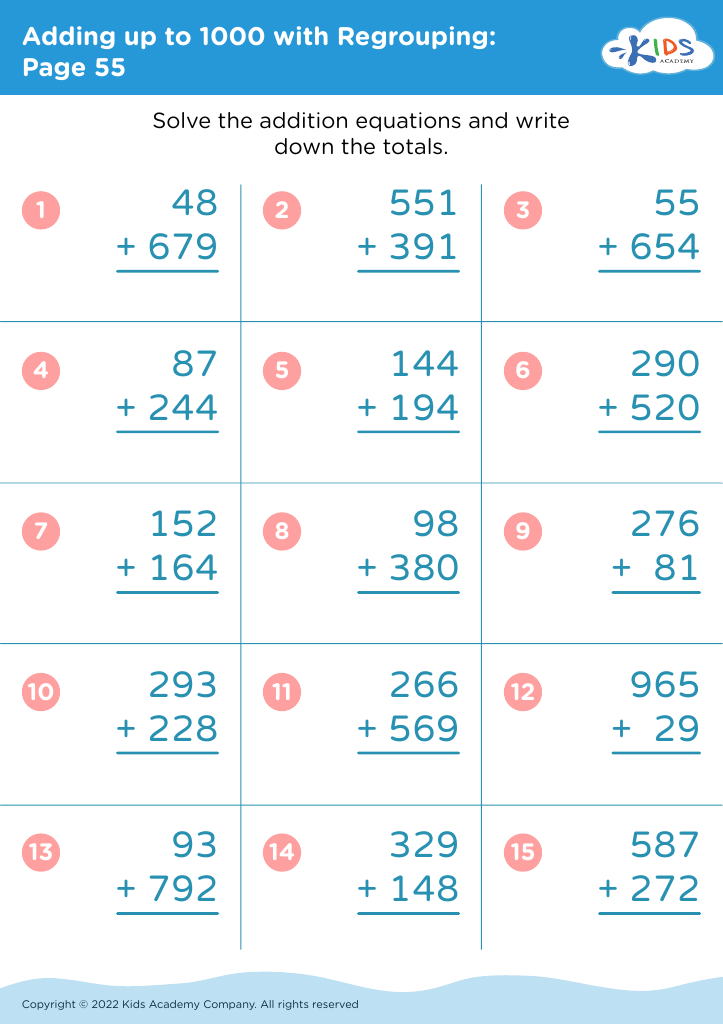
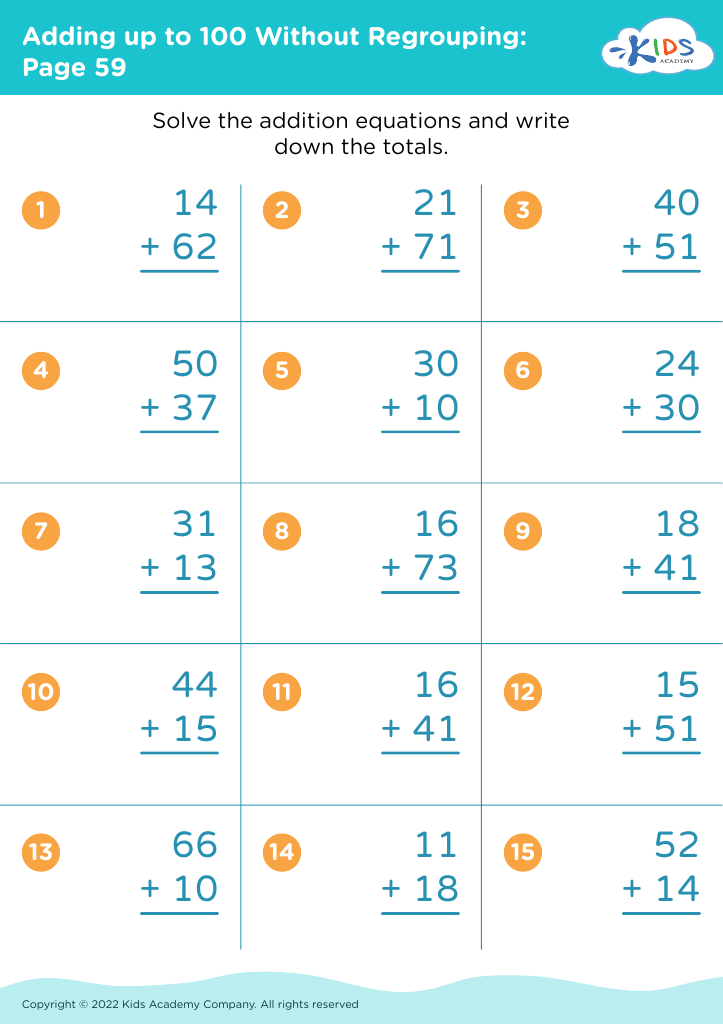
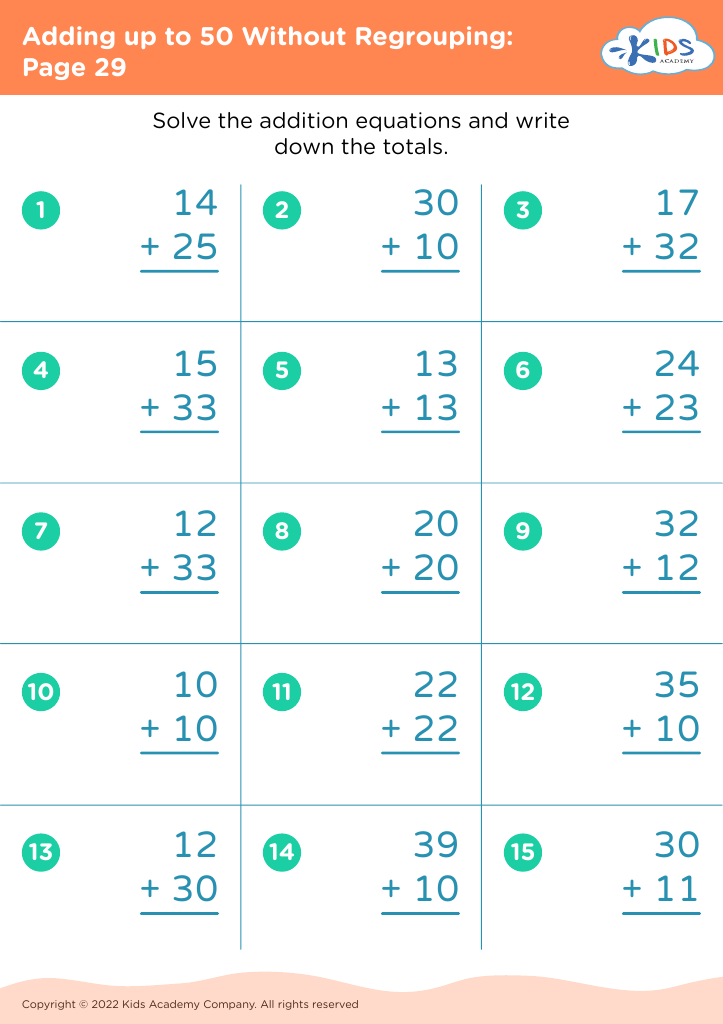
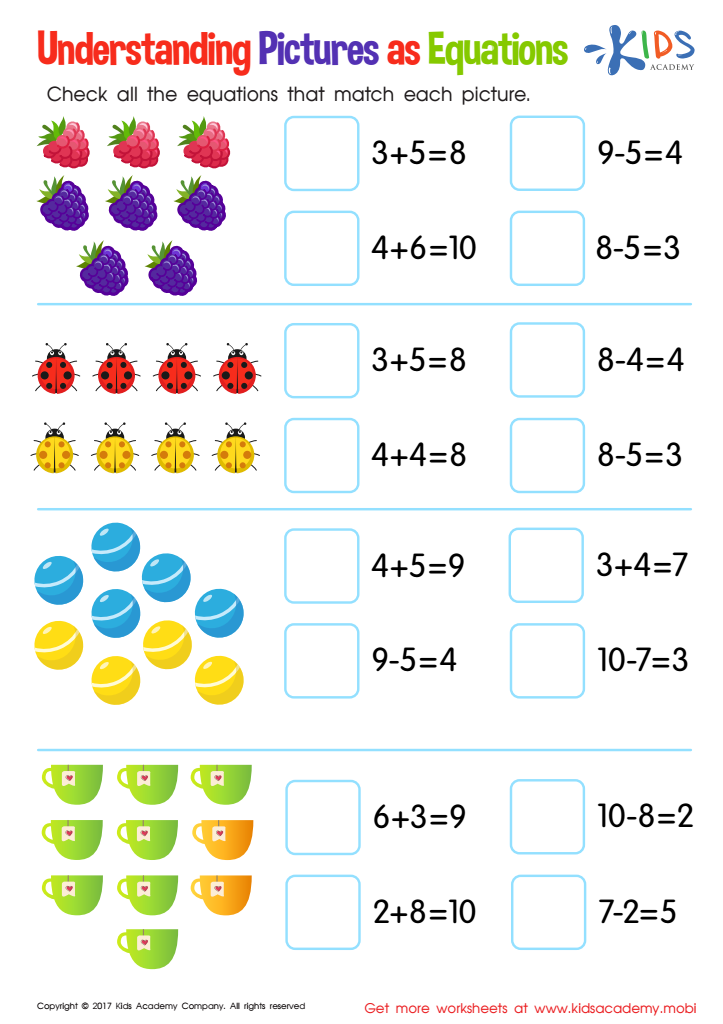
Understanding Pictures as Equations Worksheet
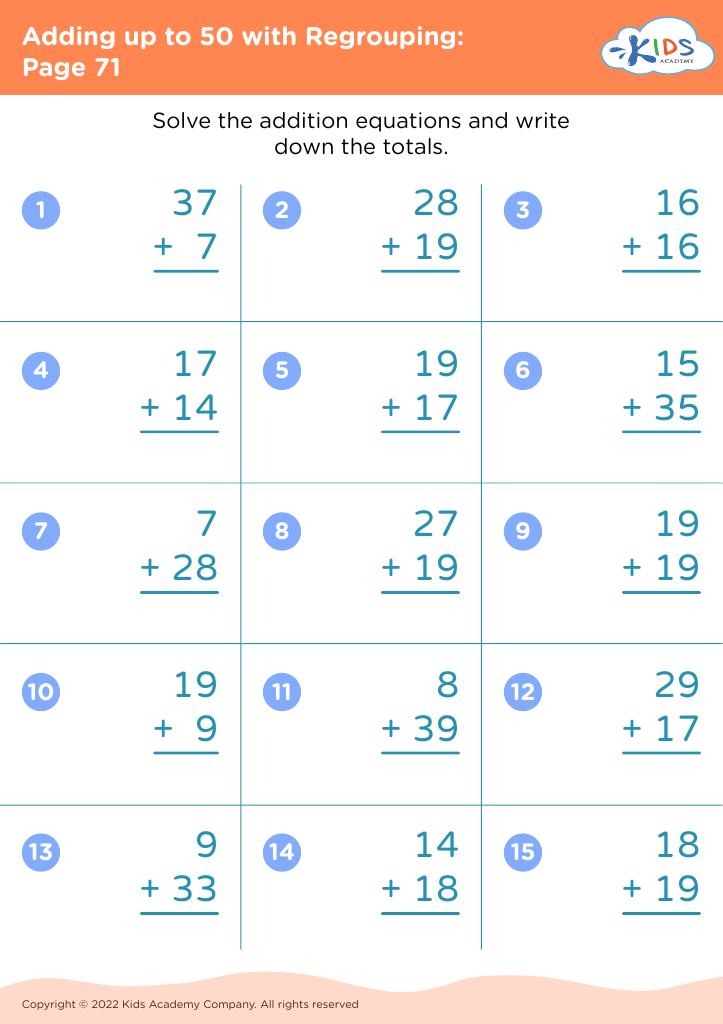
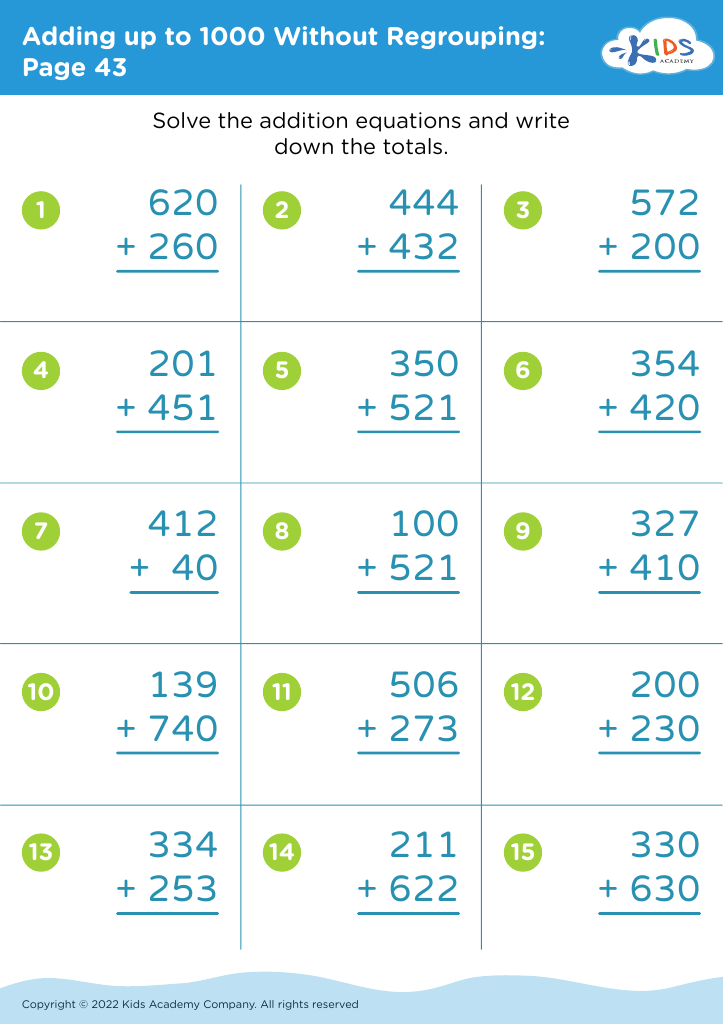
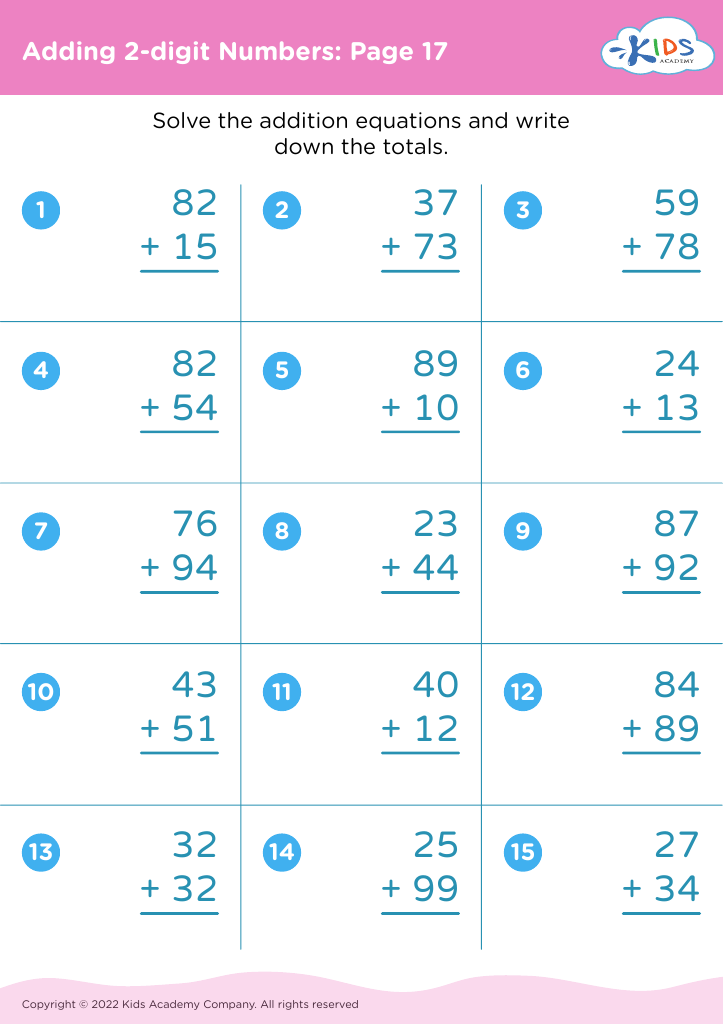
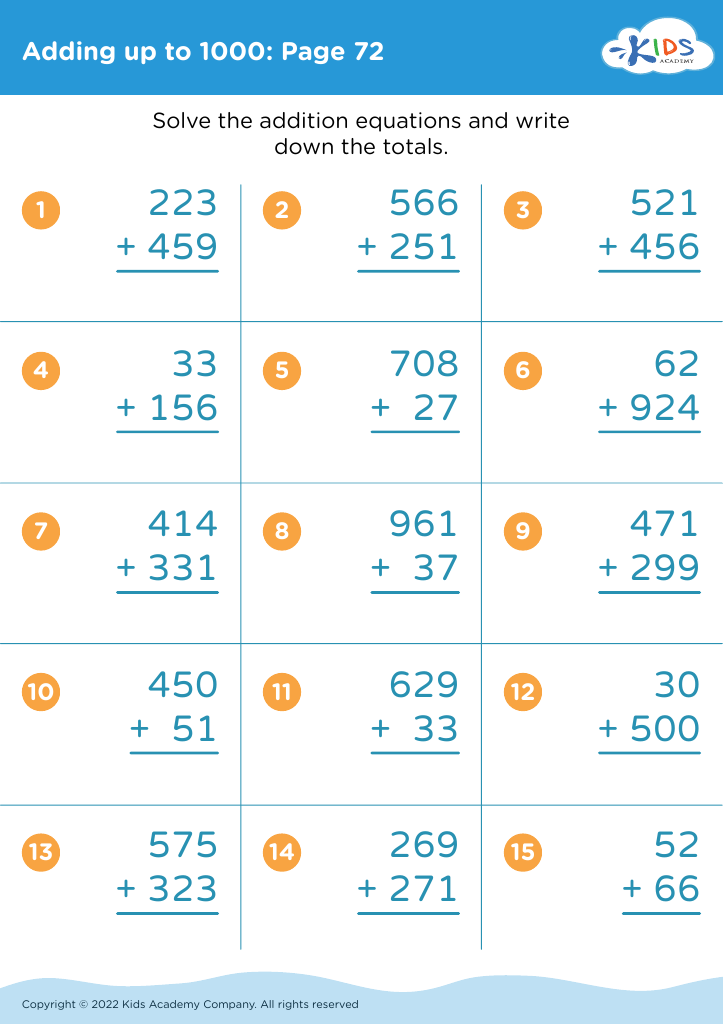
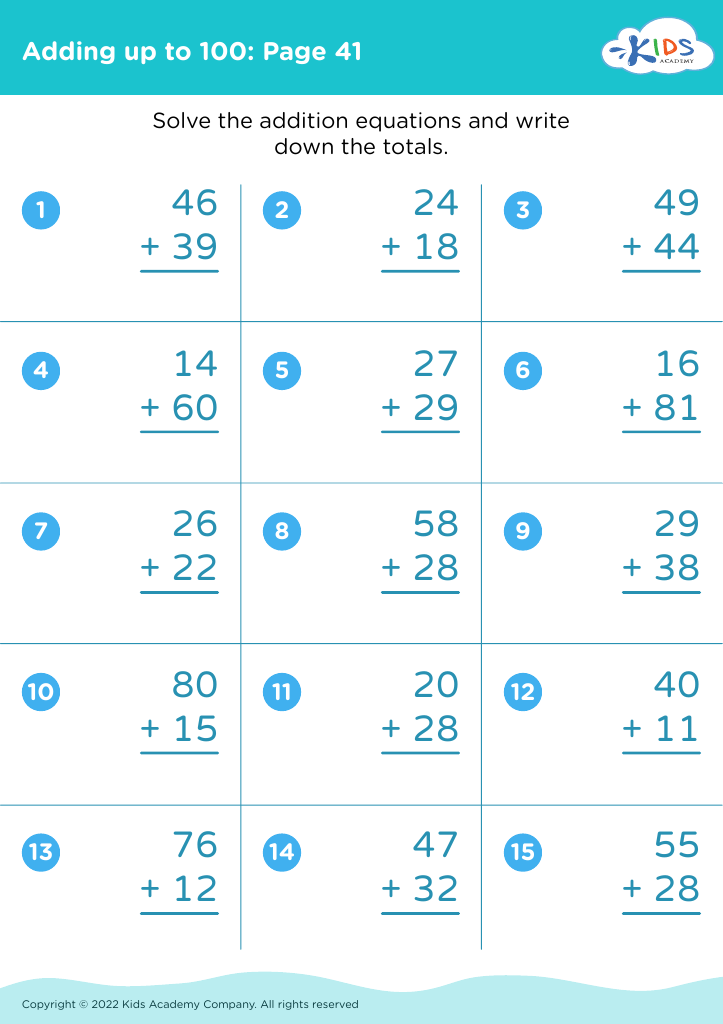
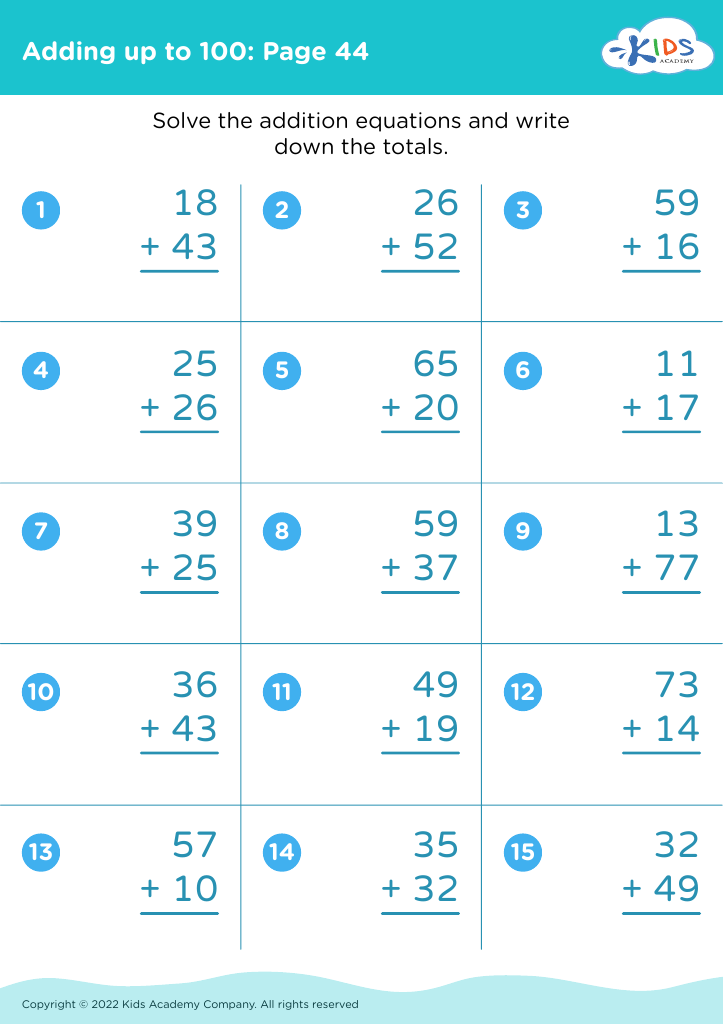








Recognizing patterns in addition and subtraction is crucial for young learners aged 5-9 because it lays the foundation for more complex mathematical concepts. Understanding patterns helps children to become more confident and independent problem solvers. As they recognize numerical patterns, such as the relationship between numbers in skip counting or the predictable outcomes of adding or subtracting the same amount repeatedly, their ability to make connections strengthens.
Additionally, identifying patterns enhances critical thinking skills—children learn to predict outcomes and spot relationships between different values, which are essential skills in mathematics and beyond. Teachers and parents play a pivotal role in this process by using everyday situations to engage children in pattern recognition, such as counting objects, drawing shapes, or discussing number sequences.
Moreover, mastering these skills at an early age promotes fluency in calculations, reducing anxiety surrounding math. As children advance in their education, a strong grasp of addition and subtraction patterns becomes increasingly important, especially in subjects like algebra where pattern recognition is key to understanding variables and functions.
Ultimately, by nurturing these skills, parents and teachers are equipping children with the tools they need for academic success and life-long learning.








