Vocabulary development Addition & Subtraction Worksheets for Ages 5-9
8 filtered results
-
From - To
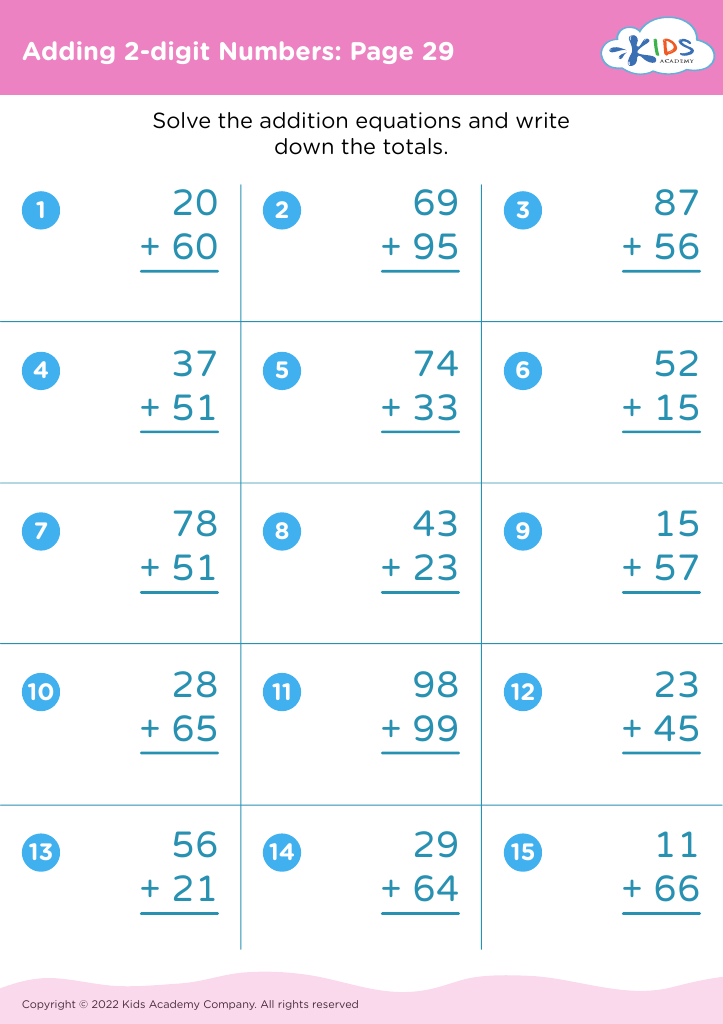
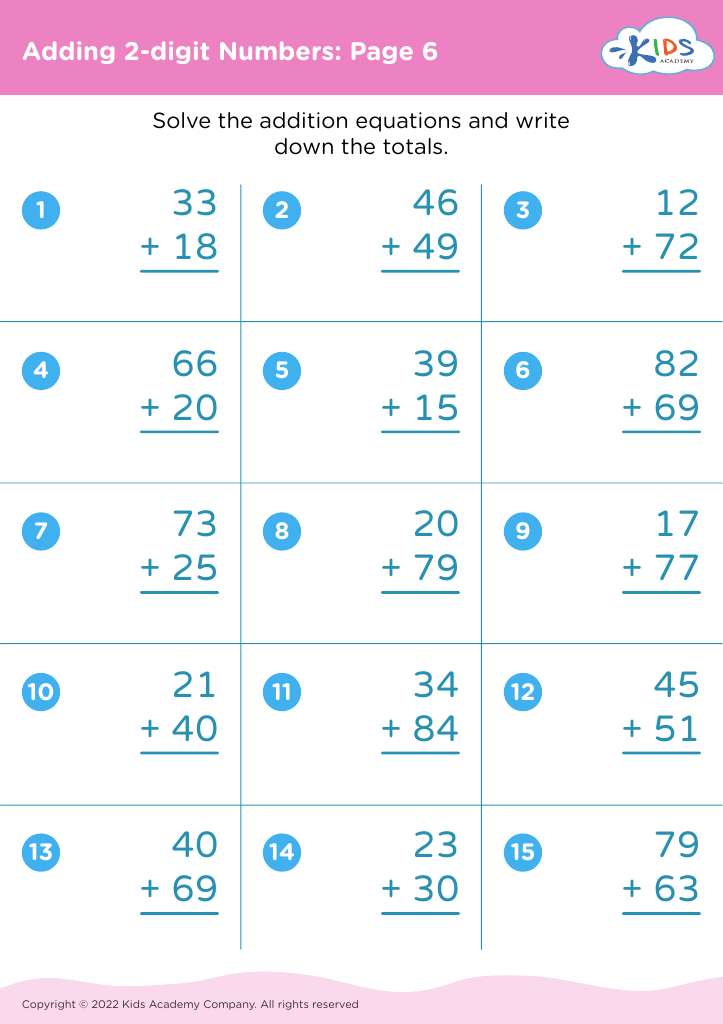
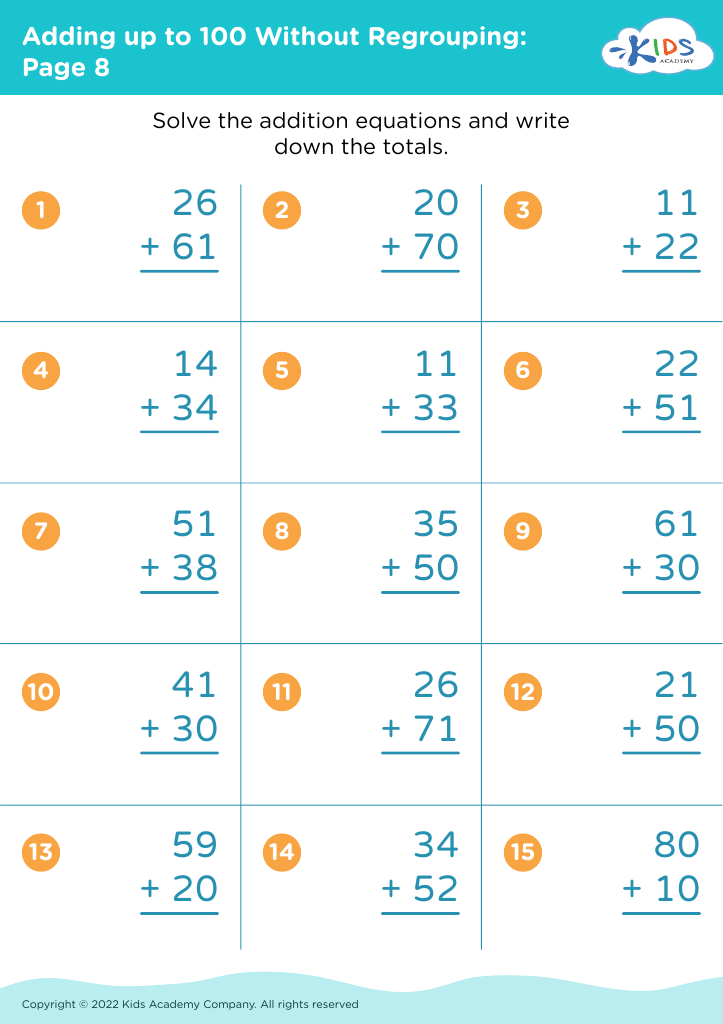
Enhance your child's math skills and vocabulary development simultaneously with our engaging Addition & Subtraction Worksheets for ages 5-9. Designed by educational experts, these worksheets combine fundamental arithmetic practice with essential language learning, ensuring a comprehensive approach to early education. Your child will tackle addition and subtraction problems while encountering key math terms, boosting comprehension and retention. Perfect for young learners just beginning their numerical journey, our worksheets facilitate a solid understanding of basic concepts and terms essential for future success in mathematics. Foster a love for learning and numerical fluency with our thoughtfully crafted resources.
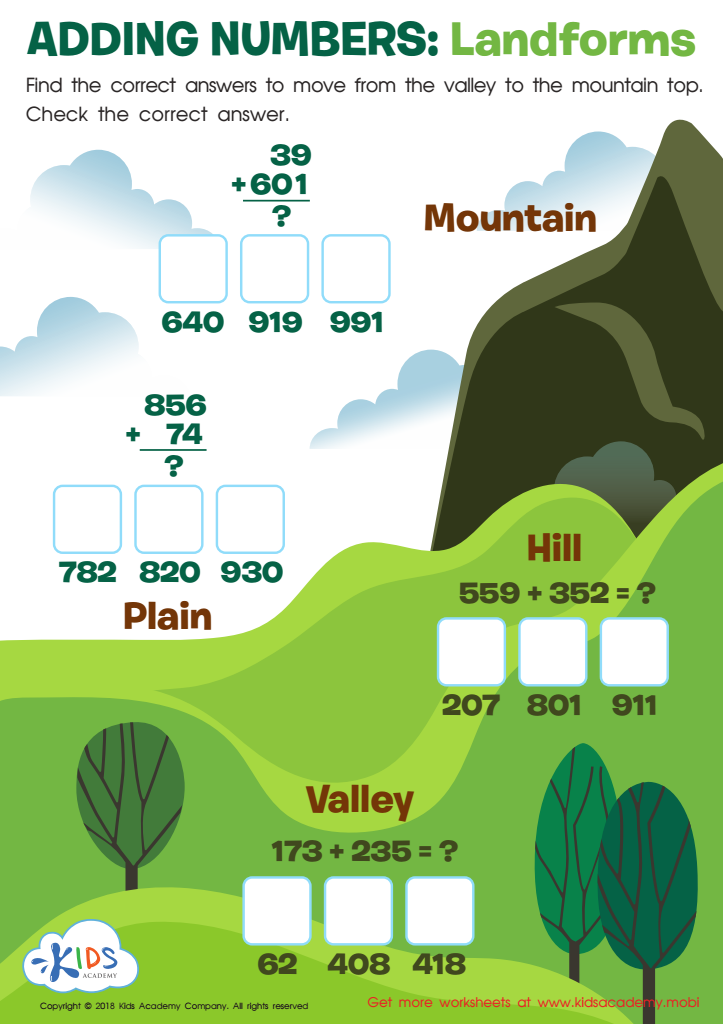
Adding Numbers: Landforms Worksheet
 Assign to My Students
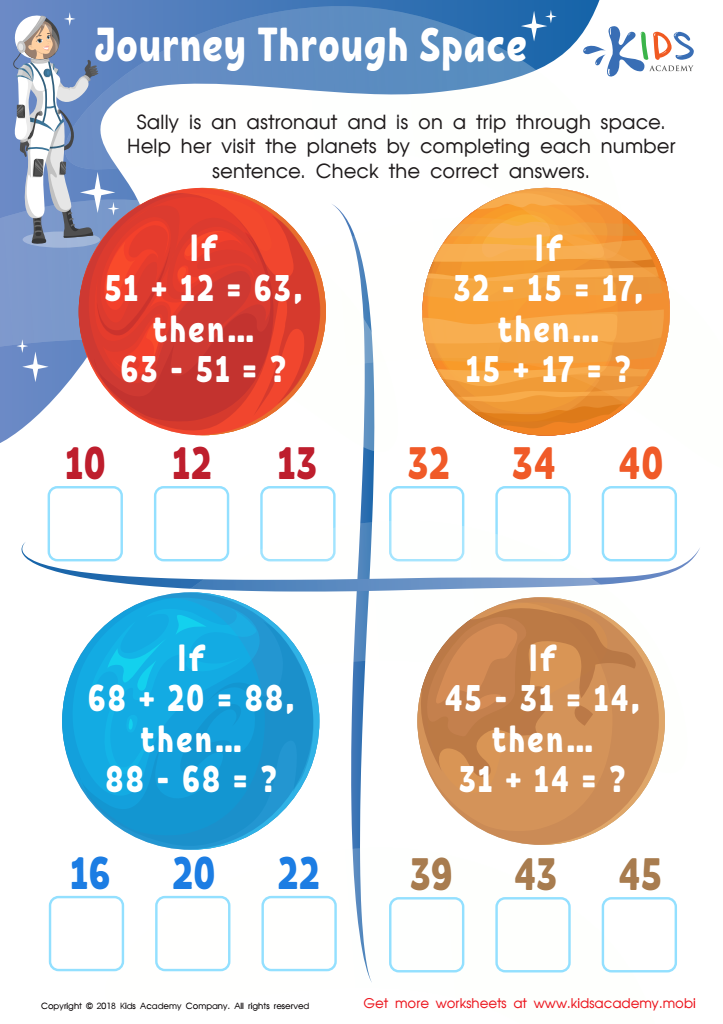
Journey Through Space Worksheet
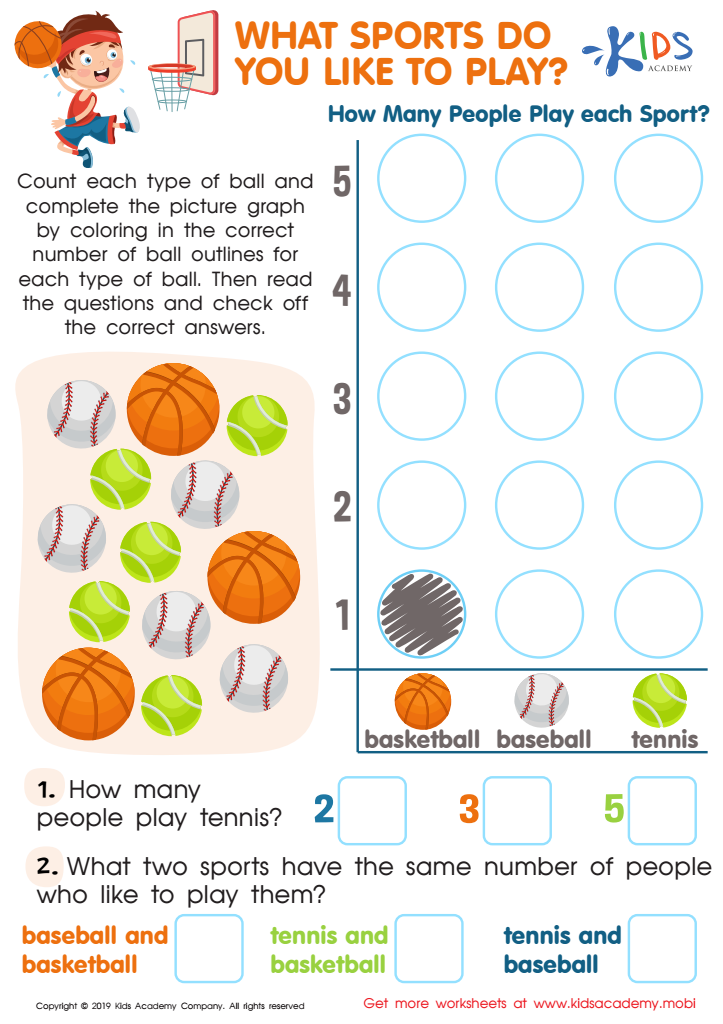
What Sports Do You Like to Play Worksheet








Parents and teachers should prioritize vocabulary development alongside addition and subtraction skills for children aged 5-9 because these foundational skills are crucial for overall academic success. At this age, young minds are extraordinarily receptive and developing rapidly. Vocabulary development is particularly important because it directly influences reading comprehension, communication abilities, and cognitive skills. A rich vocabulary allows children to better understand instructions, express their ideas more clearly, and engage more deeply with new concepts.
Concurrently, mastery of addition and subtraction forms the cornerstone of mathematical understanding. These basic arithmetic skills are not only essential for more complex math operations but also cultivate logical thinking and problem-solving abilities. Early success in math tends to build a positive attitude towards the subject, fostering confidence and a brisk willingness to tackle more challenging mathematical concepts in the future.
Moreover, integrating vocabulary development with arithmetic instruction can create multidisciplinary learning experiences that reinforce both sets of skills. For example, using stories or word problems to teach addition and subtraction helps children see the practical applications of math, making it more relatable and engaging for them.
Ultimately, a focus on both vocabulary development and arithmetic skills equips young learners with the essential tools they need for their educational journey, emphasizing the significance of a balanced, comprehensive approach to early childhood education.








