Basic Arithmetic Addition Worksheets for Ages 5-9 - Page 2
39 filtered results
-
From - To
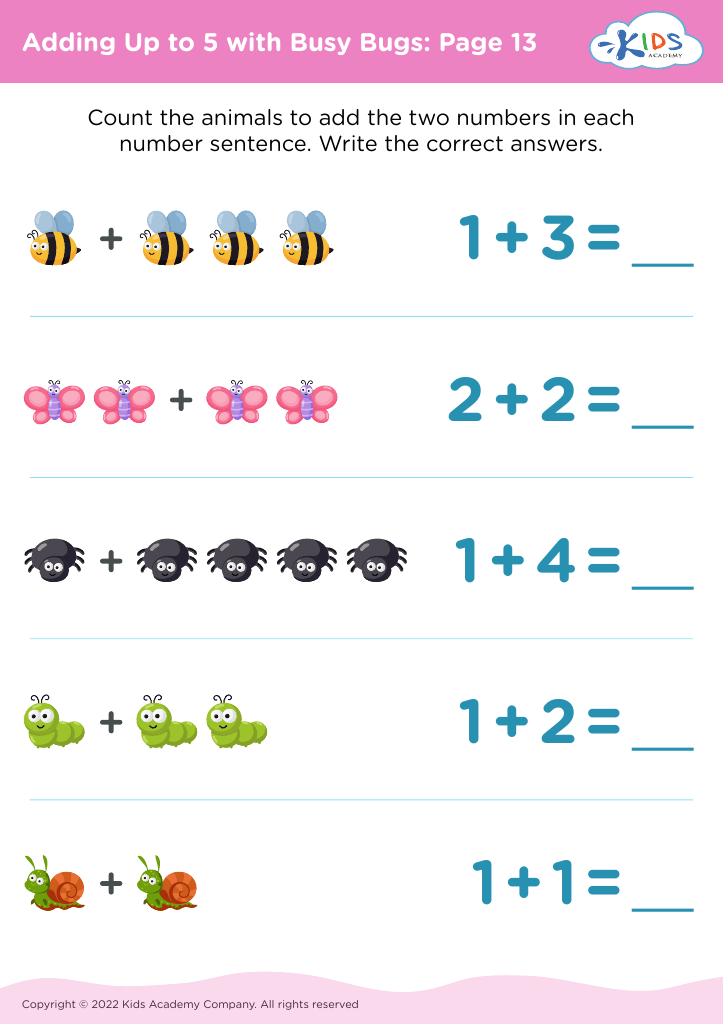
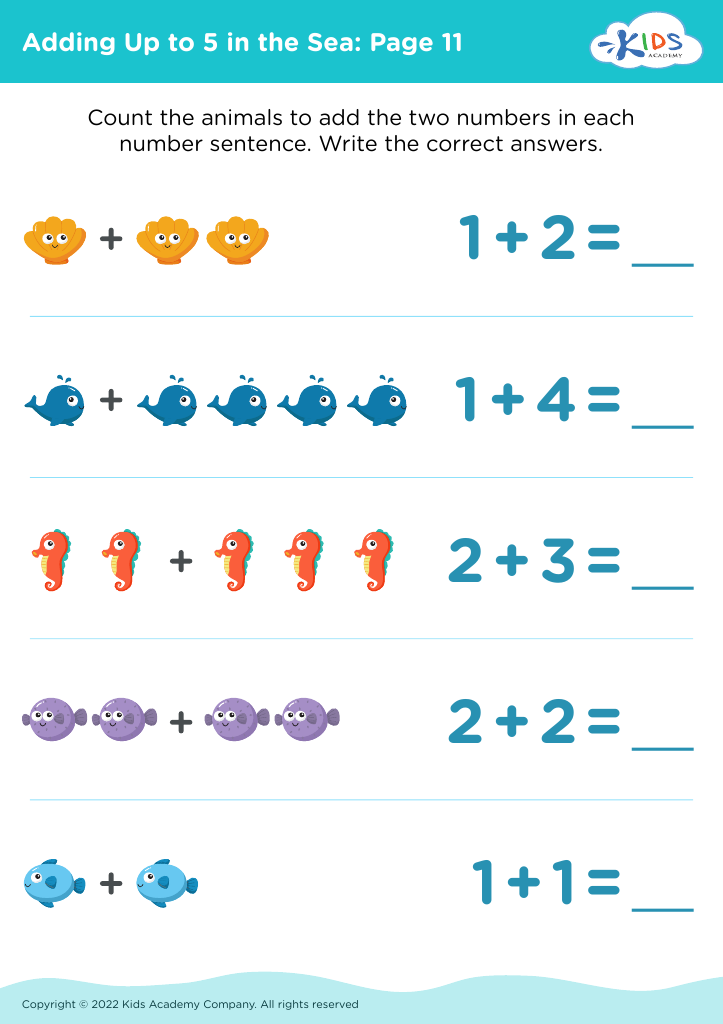
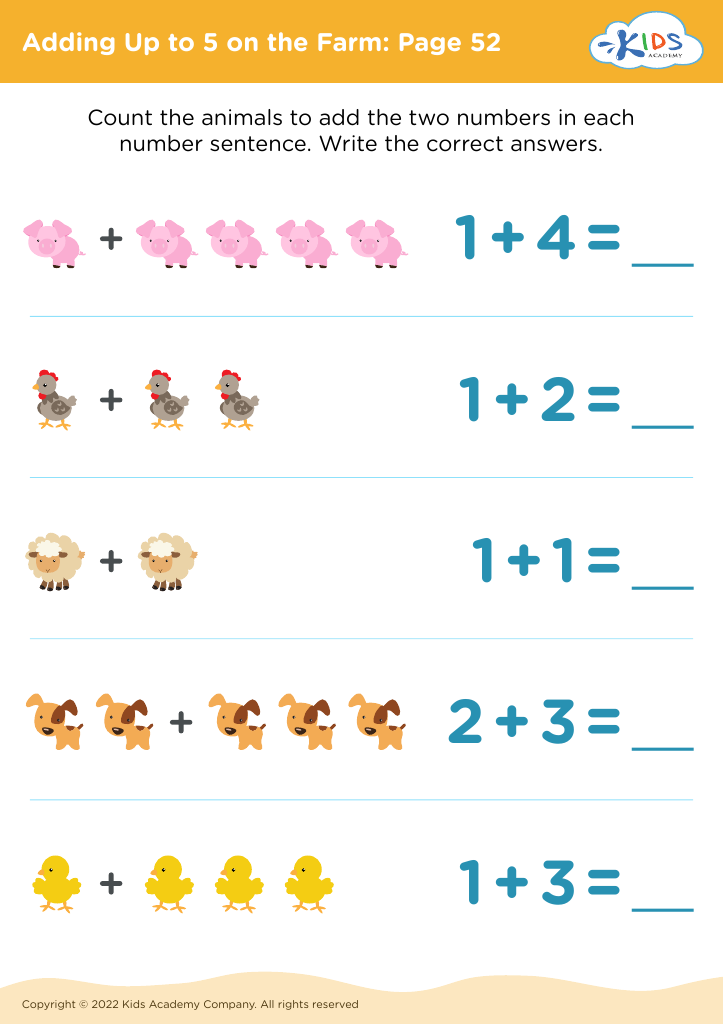
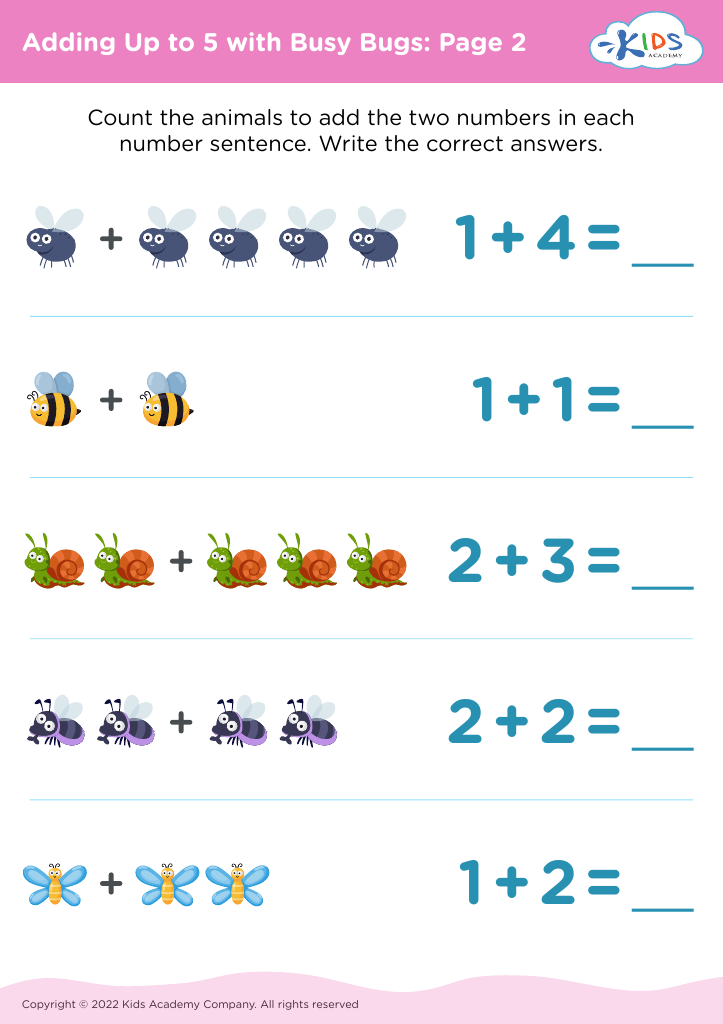
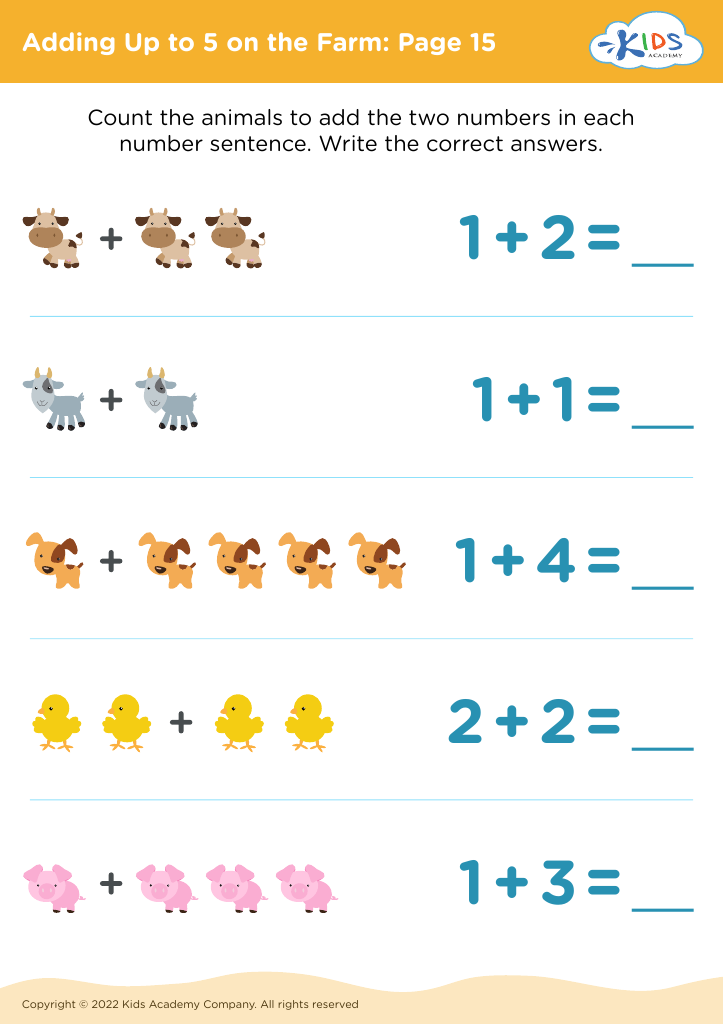
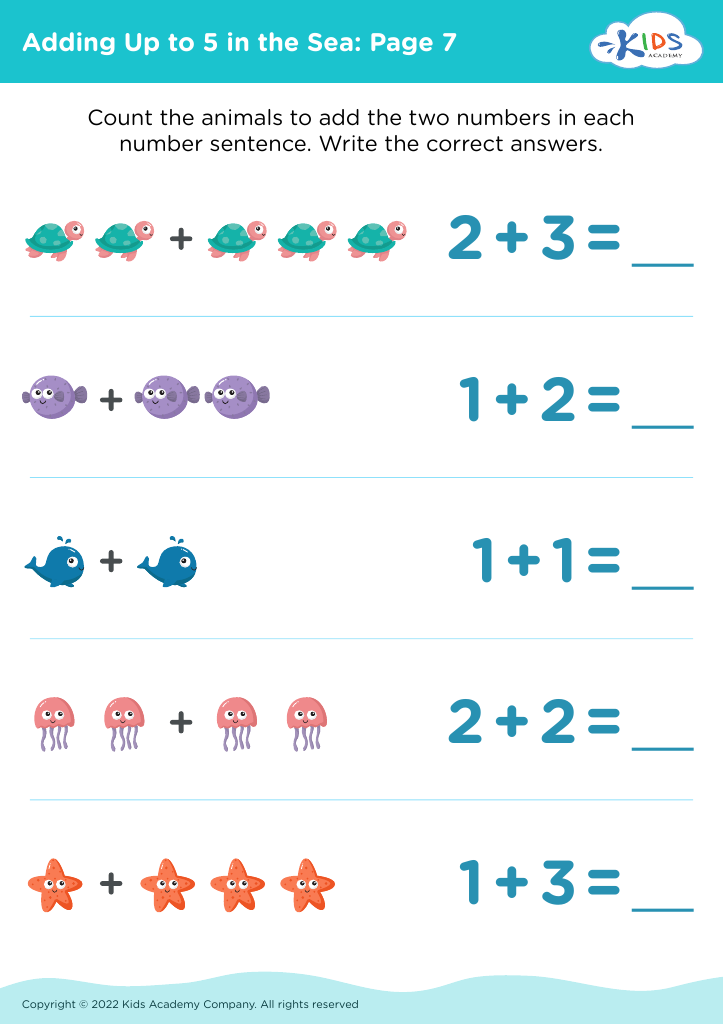
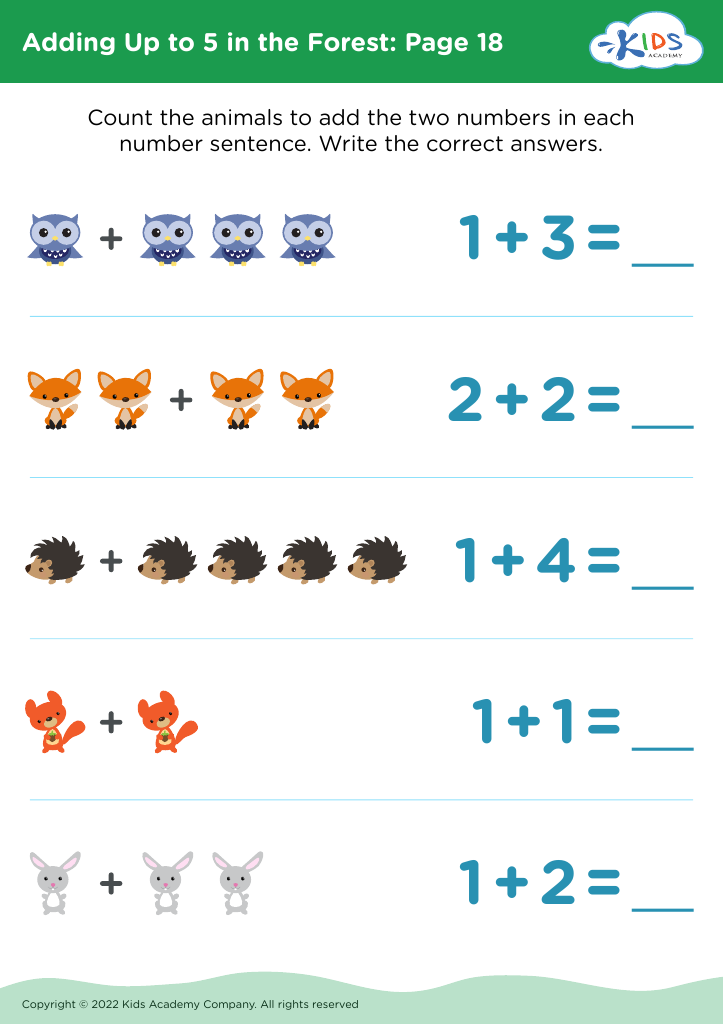
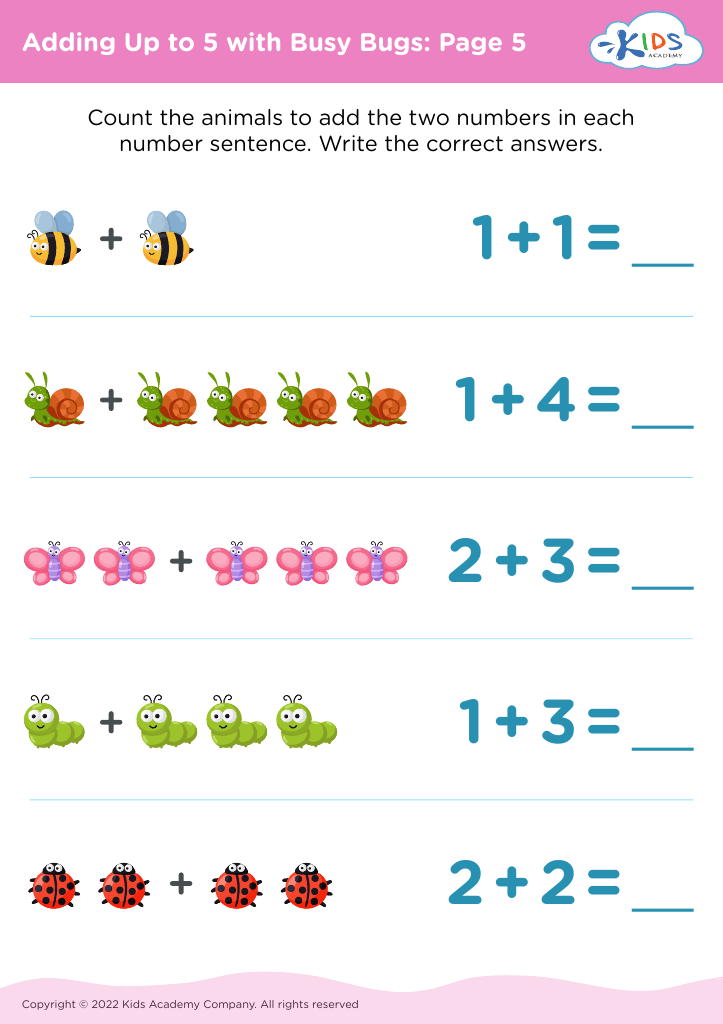
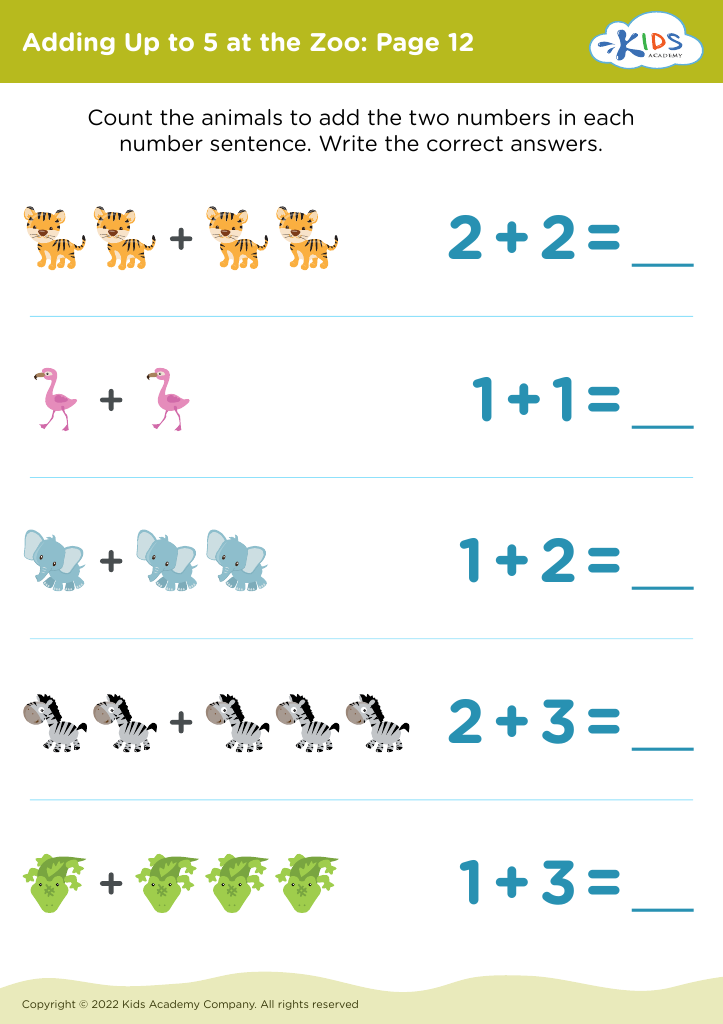
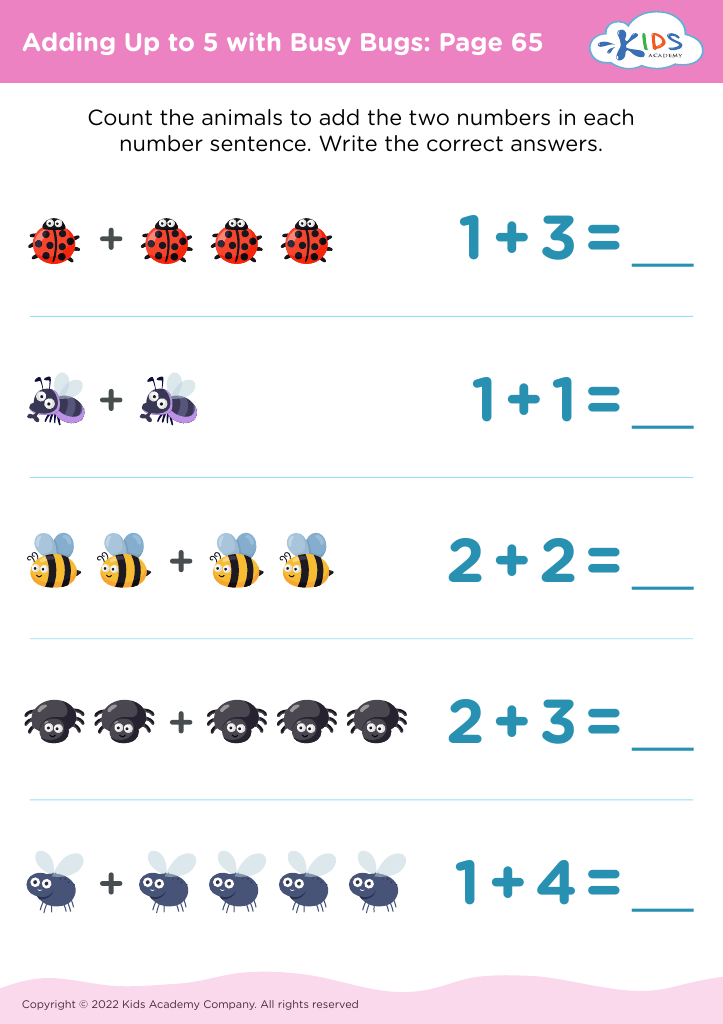
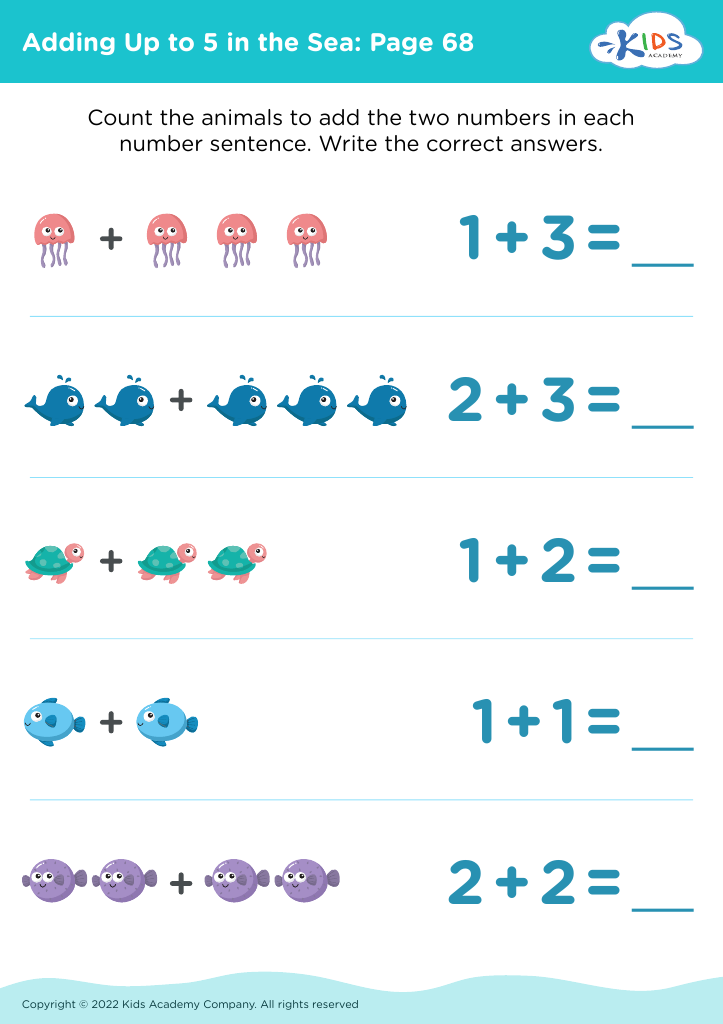
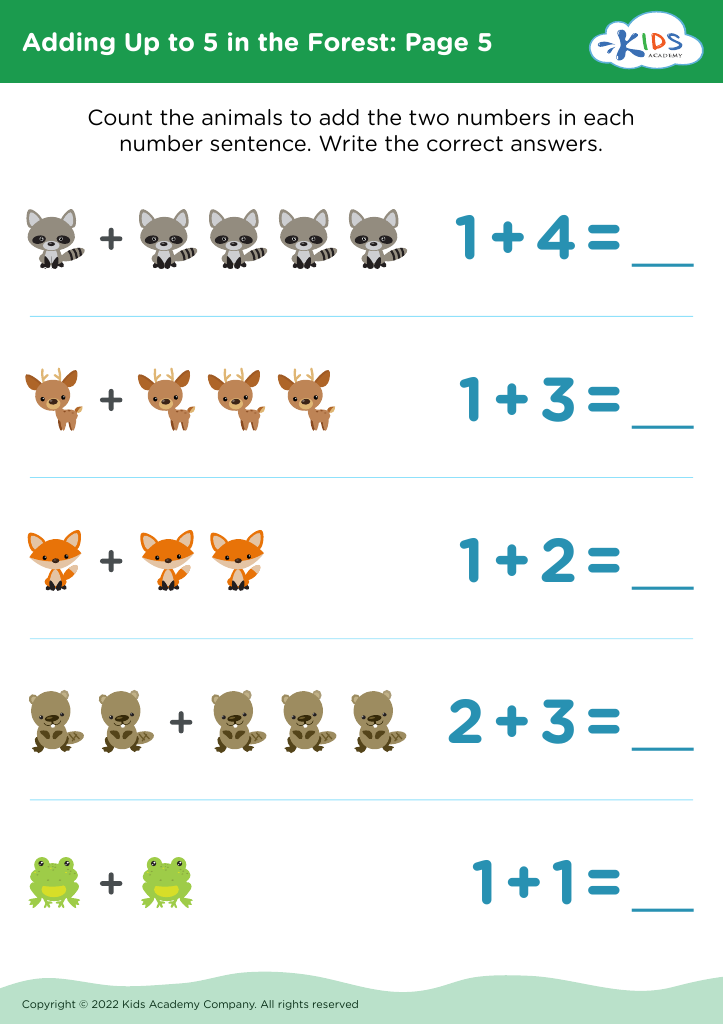








Basic arithmetic addition is a foundational skill that plays a crucial role in a child's overall development, particularly for ages 5-9. During these formative years, children are developing essential cognitive abilities, and mastering addition helps strengthen their problem-solving skills and logical thinking. Inclusion of addition in daily activities encourages children to grasp the importance of numbers in their environment, making math relevant and relatable to their lives.
Parents and teachers should care about addition because it builds confidence in young learners. As children successfully solve addition problems, their self-esteem grows, fostering a positive attitude toward mathematics. These early experiences can shape a child's attitude towards learning, influencing their academic performance in the future.
Moreover, basic addition serves as a stepping stone for more complex mathematical concepts. It is essential for mastering subtraction, multiplication, and division, which are integral not only in arithmetic but in scientific and technological understanding in later grades.
By integrating playful practices and collaborative learning in teaching addition, parents and teachers can cultivate a love for mathematics, ensuring children acquire vital skills for their educational journey and real-life problem-solving. Engaging with addition early sets a strong groundwork for future learning and everyday life challenges.








