Understanding fractions Comparing Numbers Worksheets for Ages 5-9
3 filtered results
-
From - To
Unlock the joy of learning with our "Understanding Fractions: Comparing Numbers Worksheets for Ages 5-9." Tailored for young learners, these printable worksheets make grasping fractions easy and fun. Through engaging exercises, students compare fractions, sharpen their math skills, and build a solid foundation for future learning. Perfect for both classroom and home use, our worksheets are designed to suit various learning styles and to develop critical thinking. Give your child the tools to succeed in math with activities that turn complex concepts into simple, enjoyable tasks. Start their fraction journey today with Kids Academy!
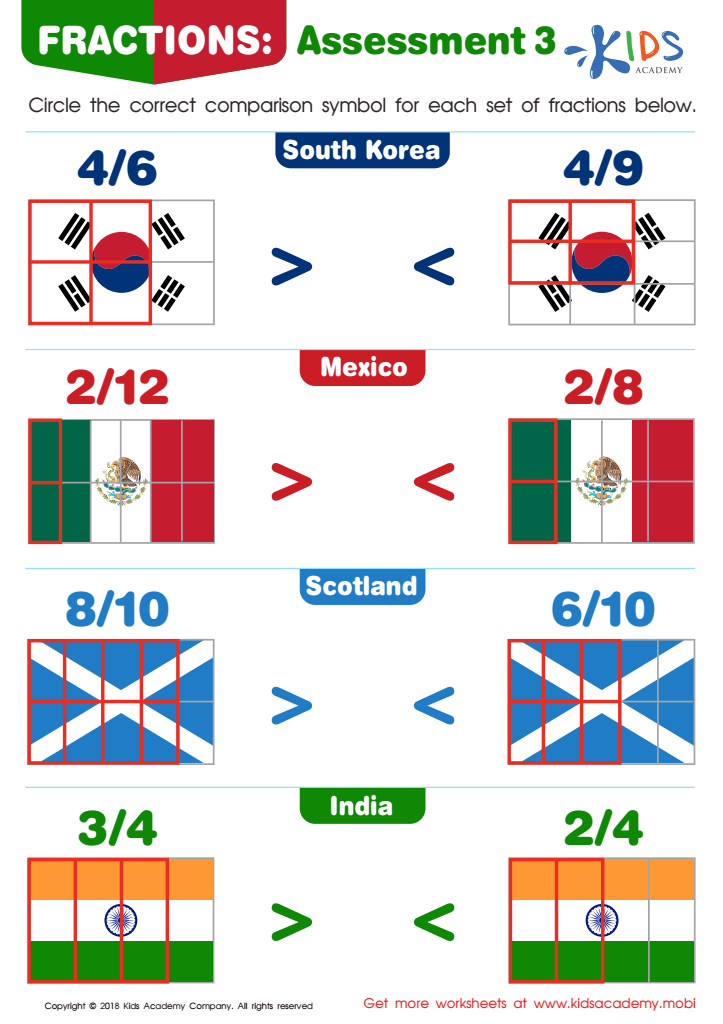
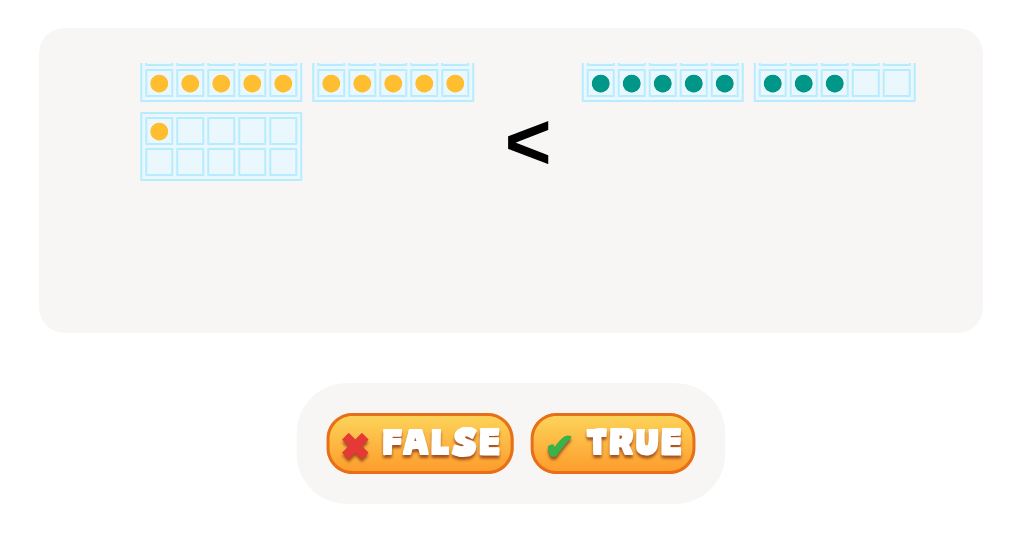
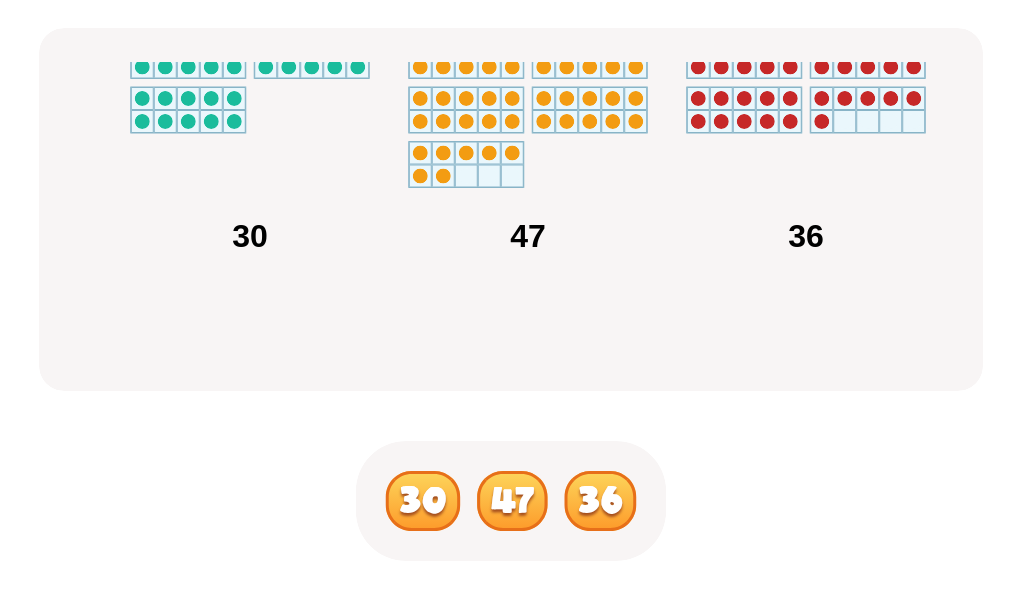
Fractions: Assessment 3 Worksheet
 Assign to My Students
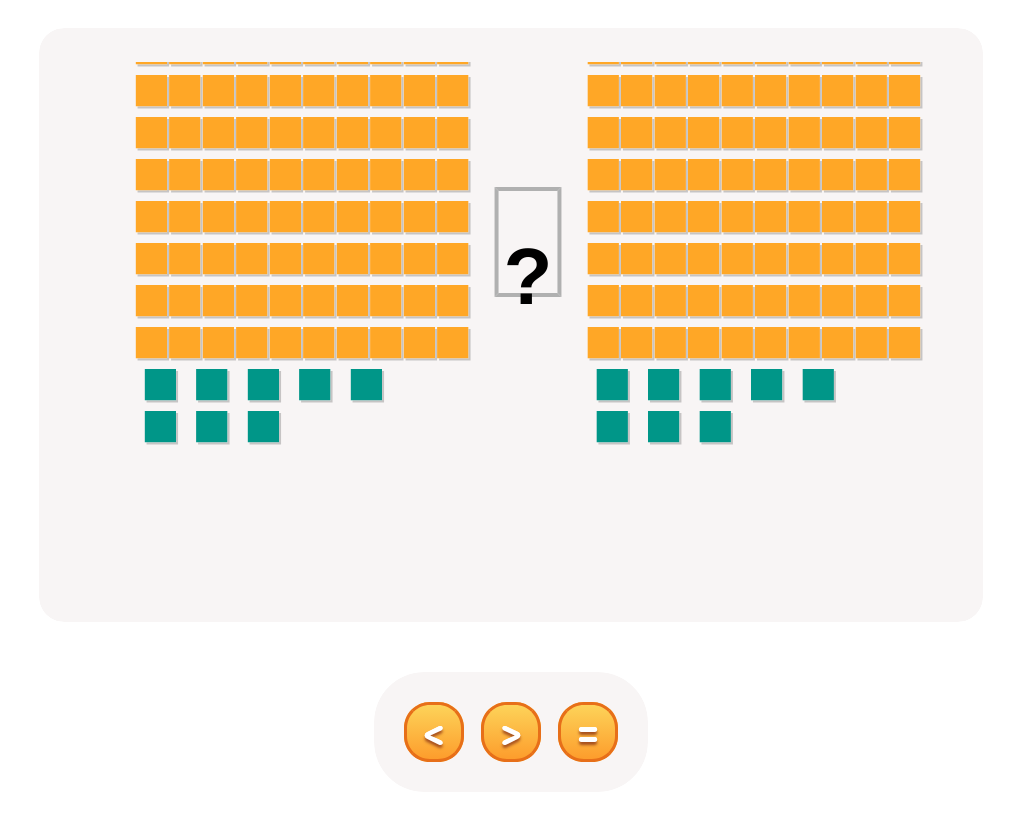

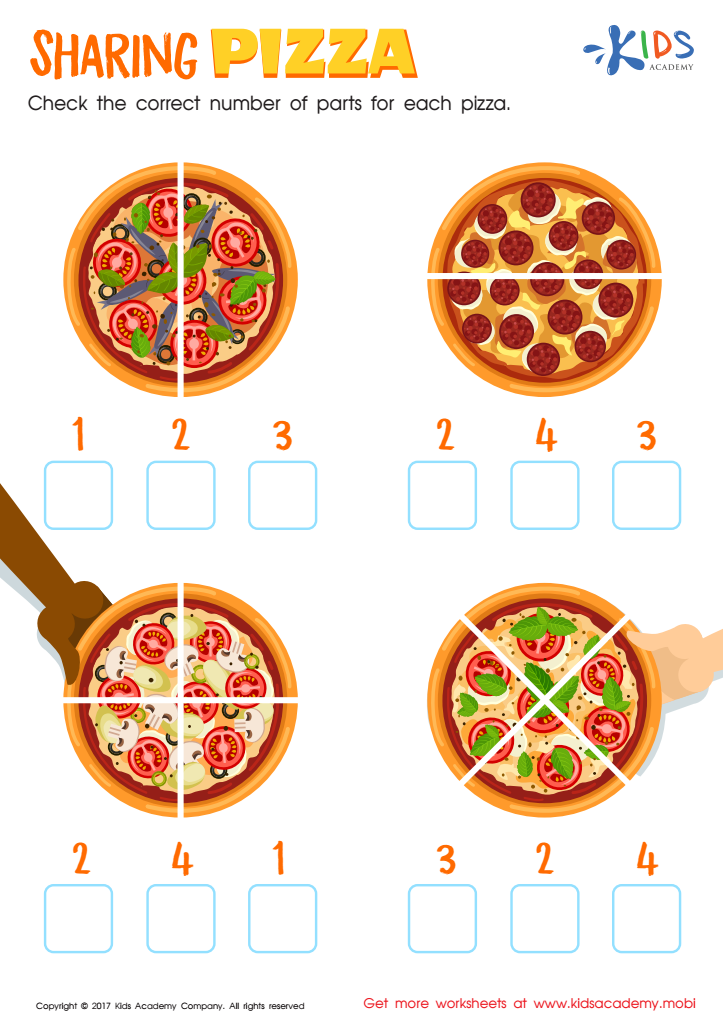
Sharing Pizza Worksheet
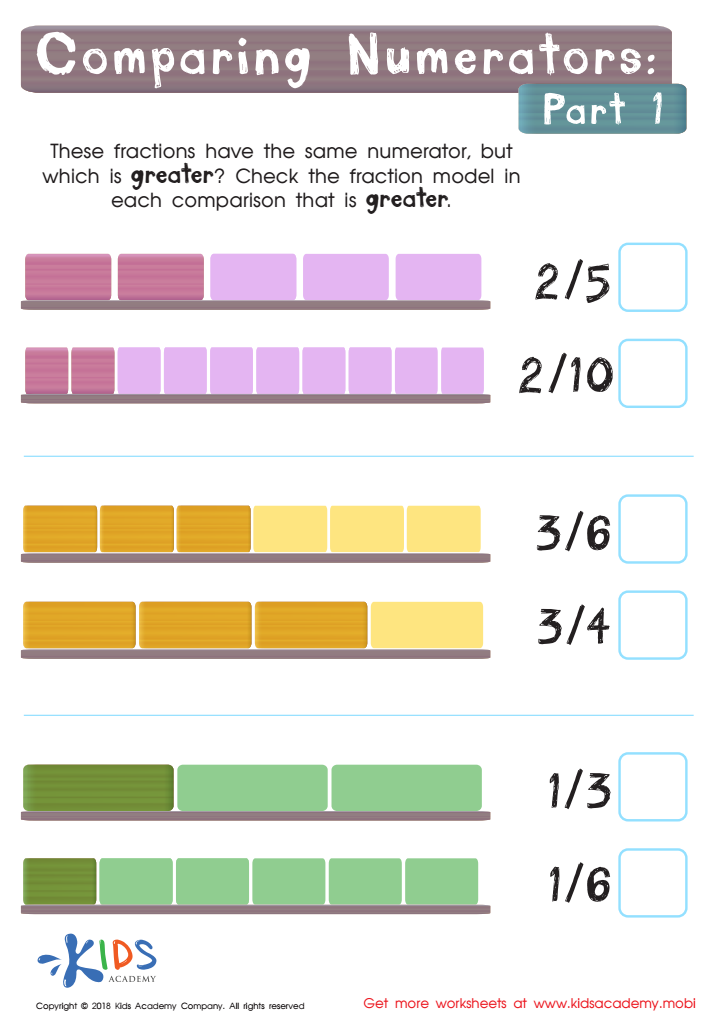
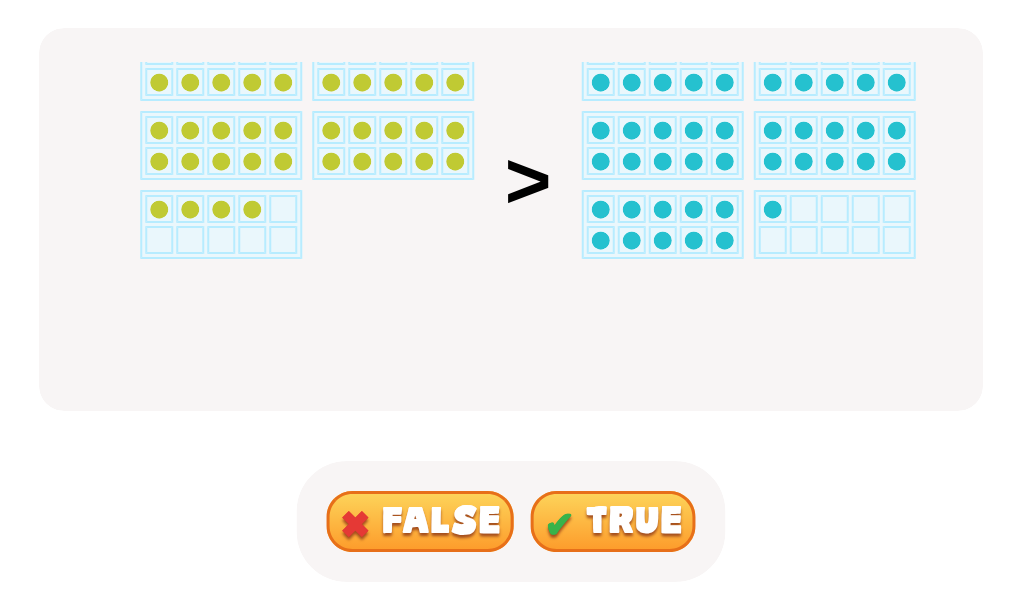
Comparing Numerators Part 1 Worksheet







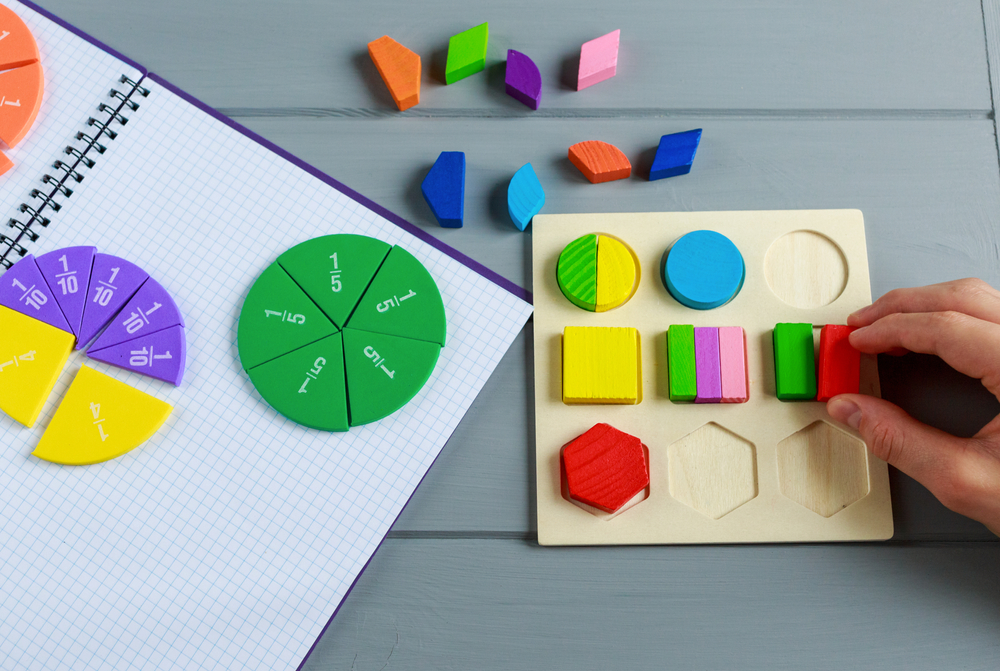
Understanding fractions and comparing numbers are foundational skills that significantly impact a child's mathematical development. For children ages 5-9, building a strong grasp of these concepts is crucial for several reasons:
Firstly, learning fractions introduces children to the idea that numbers can represent parts of a whole. This concept is essential for their future studies in mathematics, especially in areas like algebra, geometry, and data analysis. Understanding fractions helps children develop a sense of proportion and relationships between different quantities, which are skills used in everyday life, such as cooking, budgeting, and measuring.
Comparing numbers is equally important, as it forms the basis for understanding the value and order of different numbers. When children learn to compare numbers, they develop critical thinking and problem-solving skills. These abilities are essential for making decisions and reasoning quantitatively in real-world situations.
Additionally, a strong foundation in these mathematical concepts fosters confidence and a positive attitude towards math. Early success in understanding and applying these concepts can motivate children to tackle more complex problems as they advance in their education.
In summary, parents and teachers should prioritize these areas to equip children with essential mathematical skills, enhancing their overall cognitive development and setting them up for success in both academic and everyday contexts.








