Problem-Solving Skills Geometry Worksheets for Ages 5-9 - Page 2
30 filtered results
-
From - To
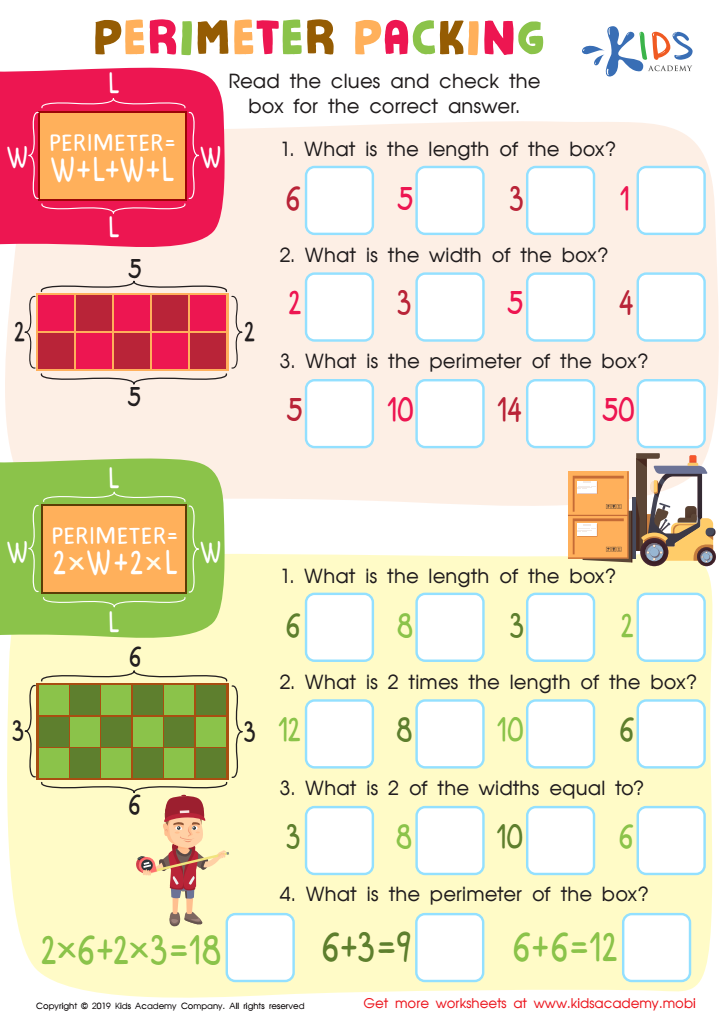
Perimeter Parking Worksheet
 Assign to My Students











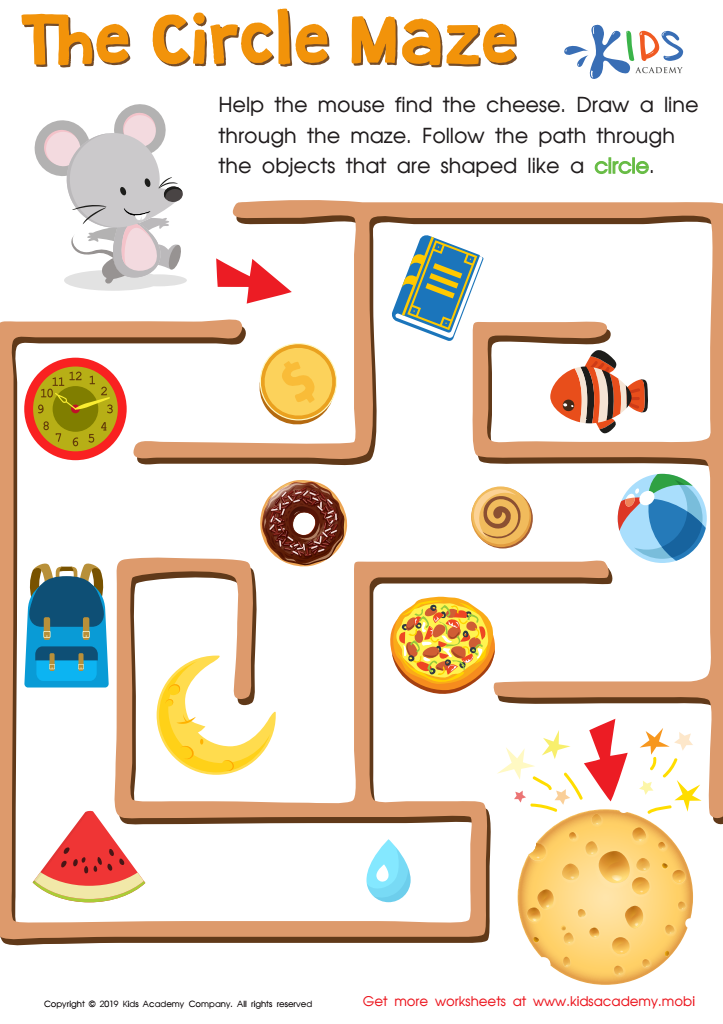
The Circle Maze Worksheet
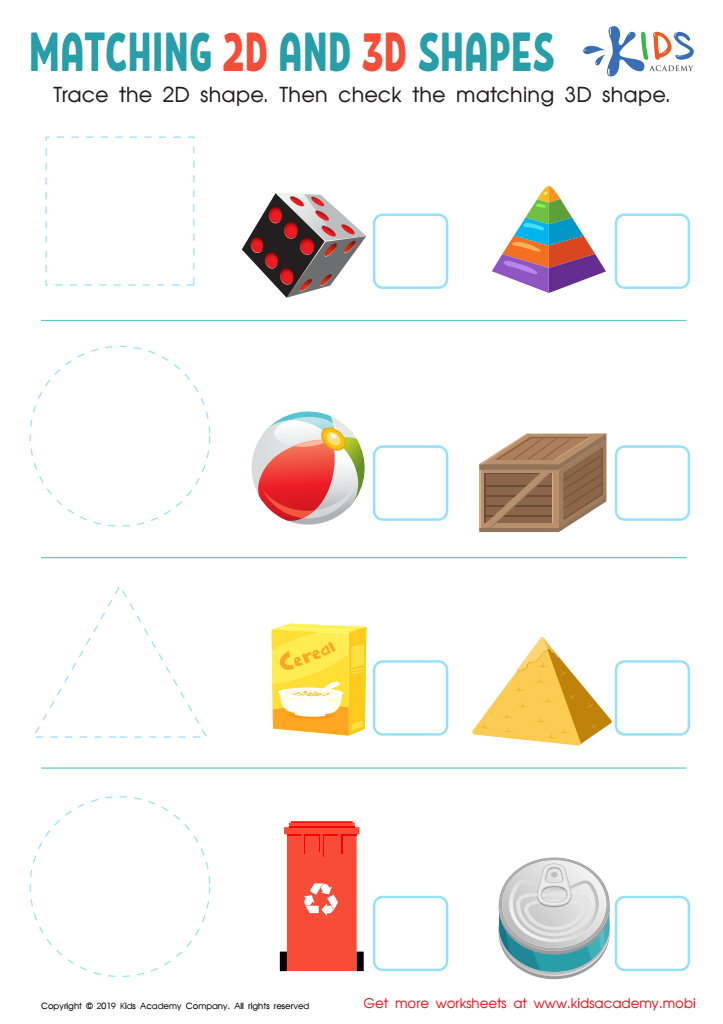
Matching 2D and 3D Shapes Worksheet
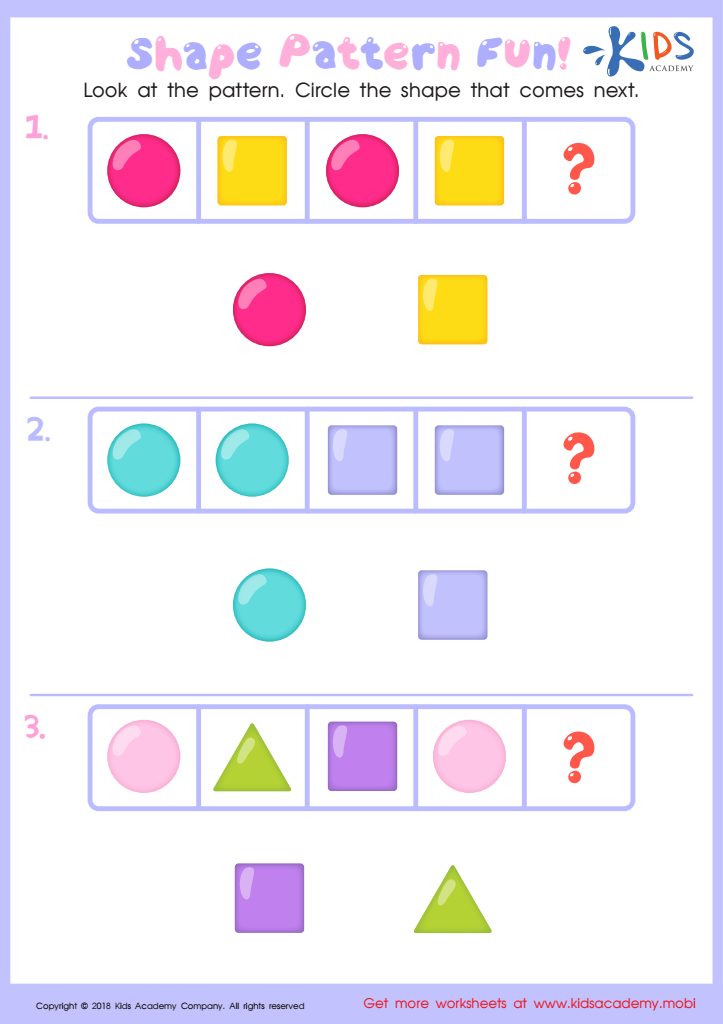
Shape Pattern Fun Worksheet
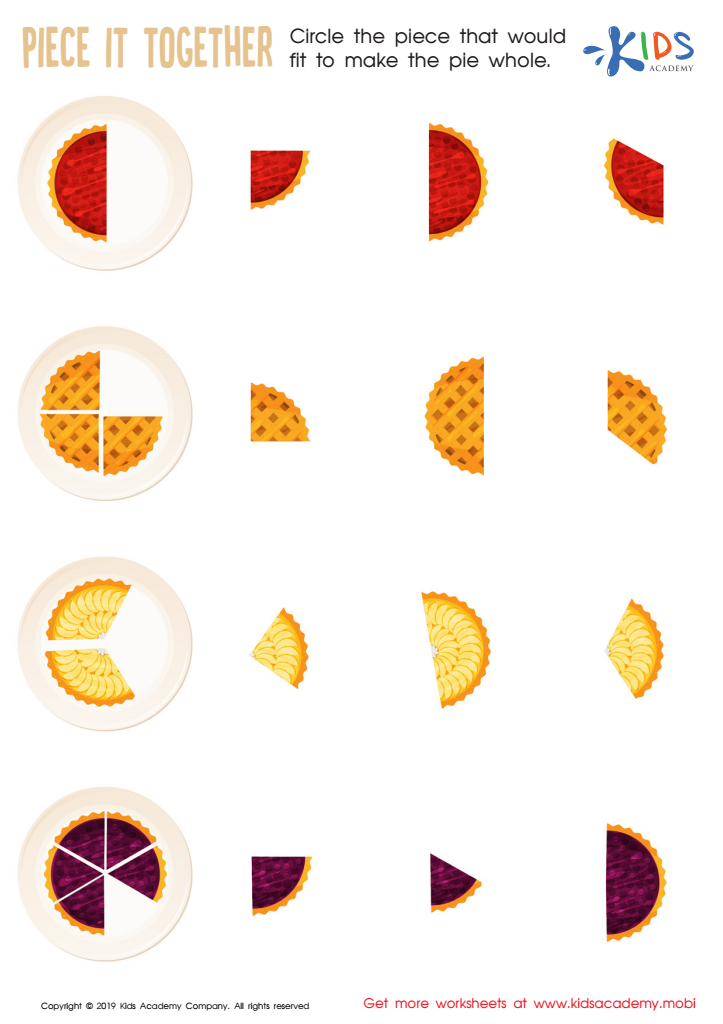
Piece it together Worksheet
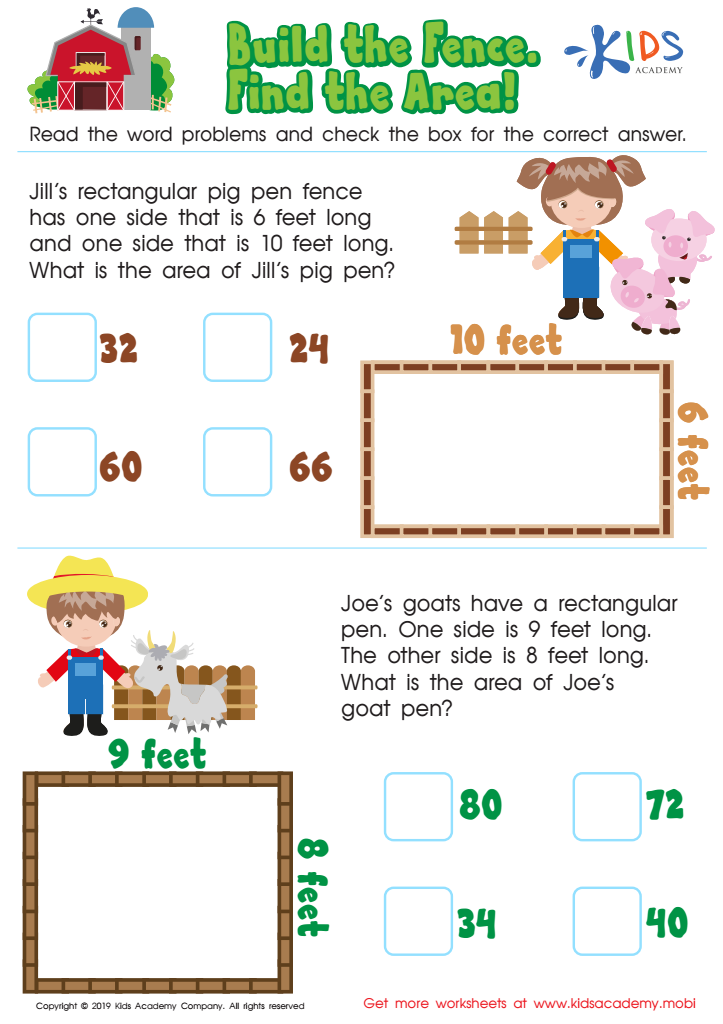
Build the Fence, Find the Area Worksheet








Parents and teachers should prioritize problem-solving skills in geometry for children ages 5-9 because these skills lay the foundation for critical thinking and logical reasoning. Geometry introduces young learners to essential concepts like shapes, spatial awareness, and measurement, which are not only vital in mathematics but also in everyday life.
At this age, children are naturally curious and thrive on exploration. Engaging them in geometry through problem-solving encourages inquiry and nurtures that curiosity. When students tackle geometric challenges, they learn to analyze problems, identify patterns, and develop strategies for solutions. These experiences promote perseverance, as children learn that mistakes are part of the learning process.
Furthermore, strong problem-solving skills enhance overall academic success. Research shows that early exposure to mathematics and spatial reasoning correlates with later achievements in STEM fields. In today’s increasingly technology-driven world, developing these skills early helps prepare students for future educational and career opportunities.
Finally, fostering problem-solving skills in geometry cultivates confidence and independence in students. As they become proficient in tackling geometric problems, they gain self-esteem and a sense of accomplishment that encourages a lifelong love of learning. Thus, investing time in geometry for young learners is essential for their holistic development.








