Data interpretation Numbers Worksheets for Ages 5-9
5 filtered results
-
From - To
Explore our engaging Data Interpretation Numbers Worksheets designed specifically for kids aged 5-9! These interactive resources help young learners develop essential math skills by analyzing and interpreting various types of data through fun activities. With colorful visuals and age-appropriate challenges, children will practice sorting, counting, and drawing conclusions from simple graphs, charts, and tables. Our worksheets not only enhance numerical understanding but also promote critical thinking and analytical skills. Perfect for classroom use or at-home learning, these worksheets support early math education, making data interpretation both enjoyable and accessible. Boost your child's confidence with math today!
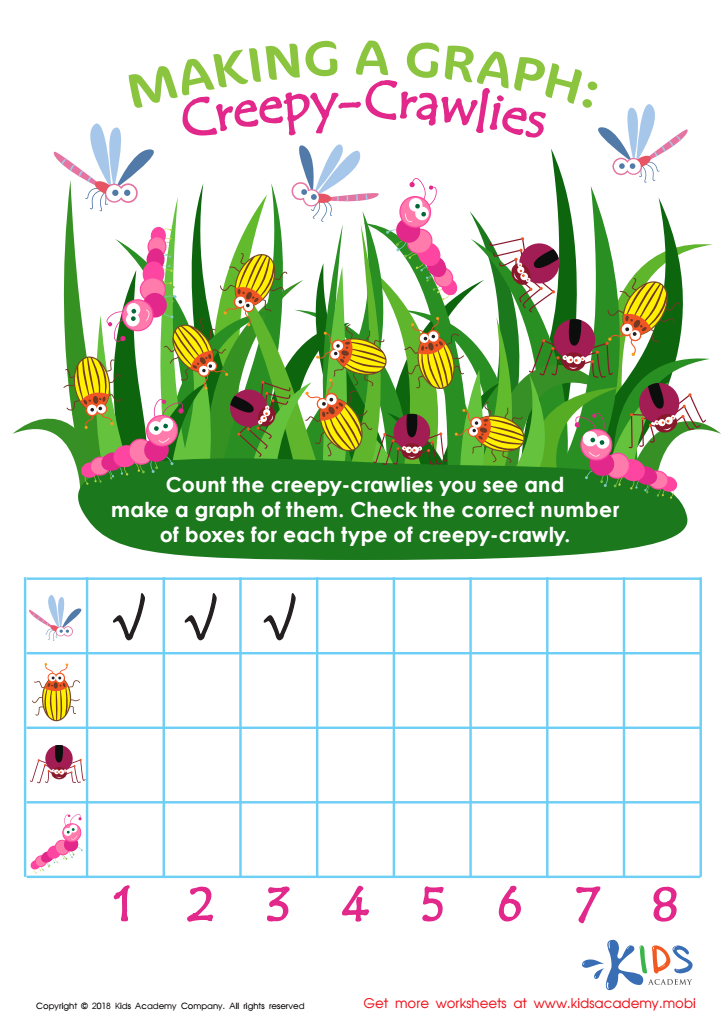
Making a Graph: Creepy Crawlies Worksheet
 Assign to My Students
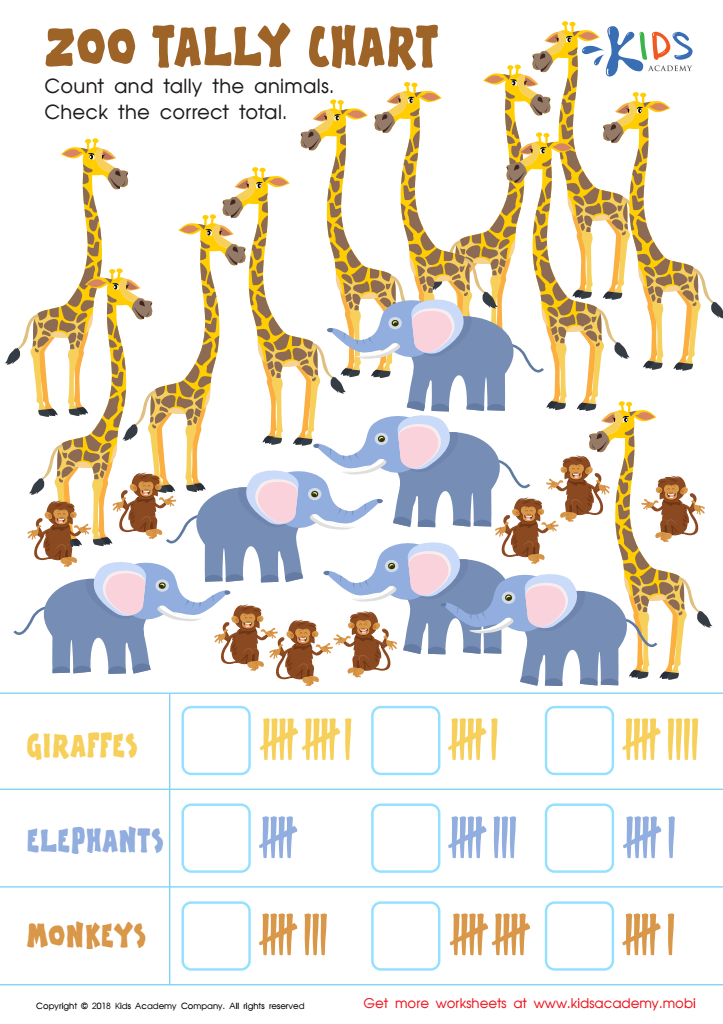
Zoo Tally Chart Worksheet
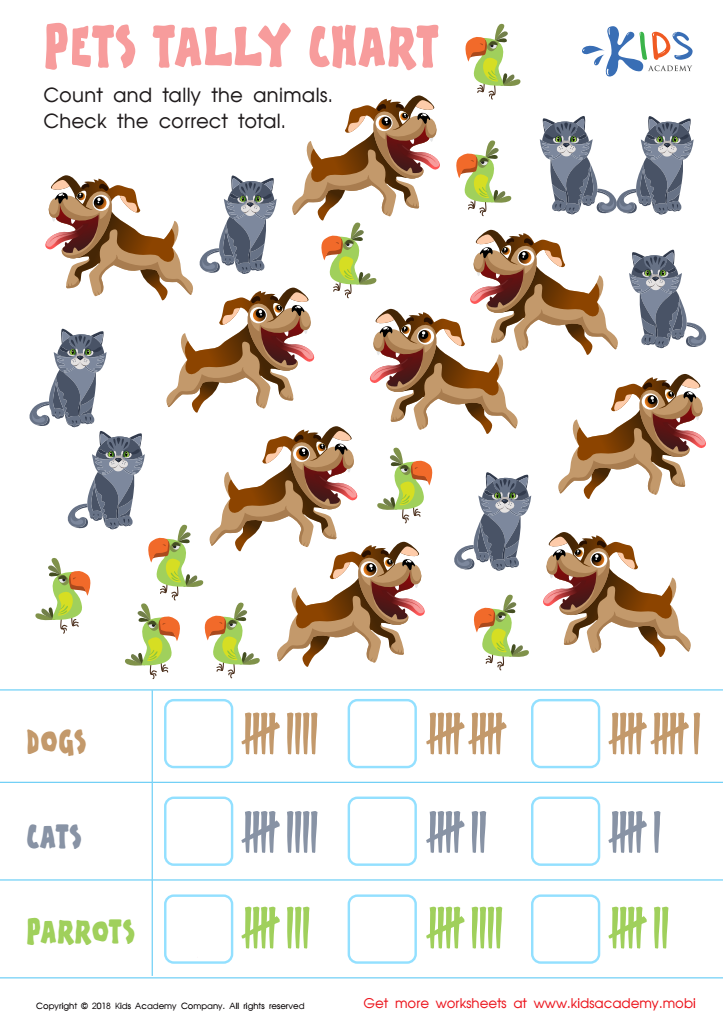
Pets Tally Chart Worksheet
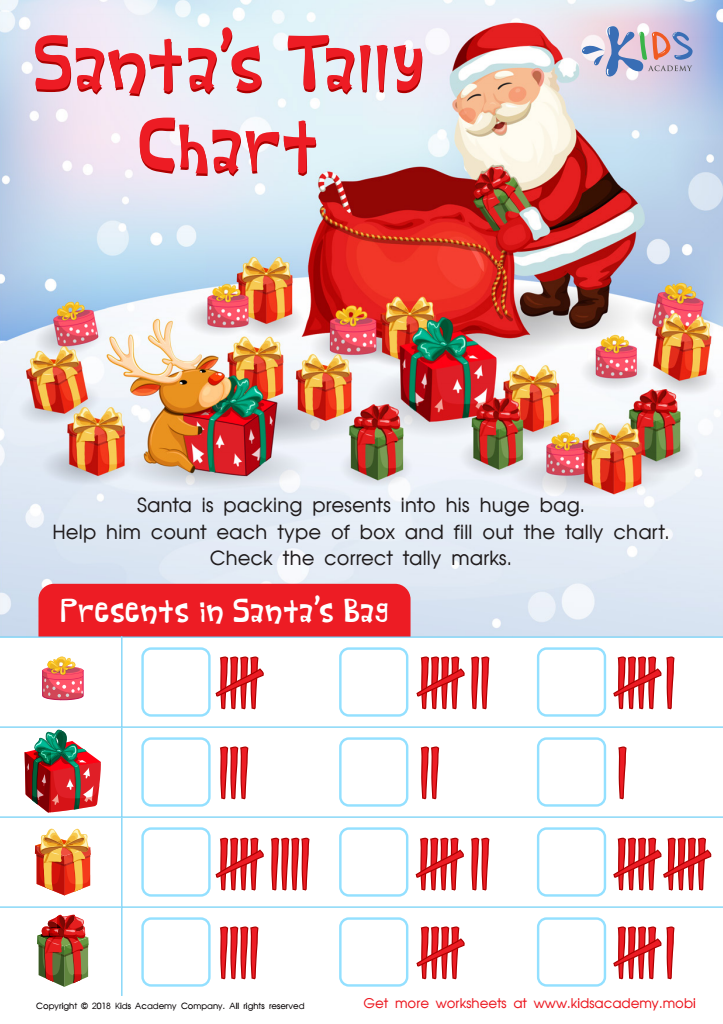
Santa Tally Chart Worksheet
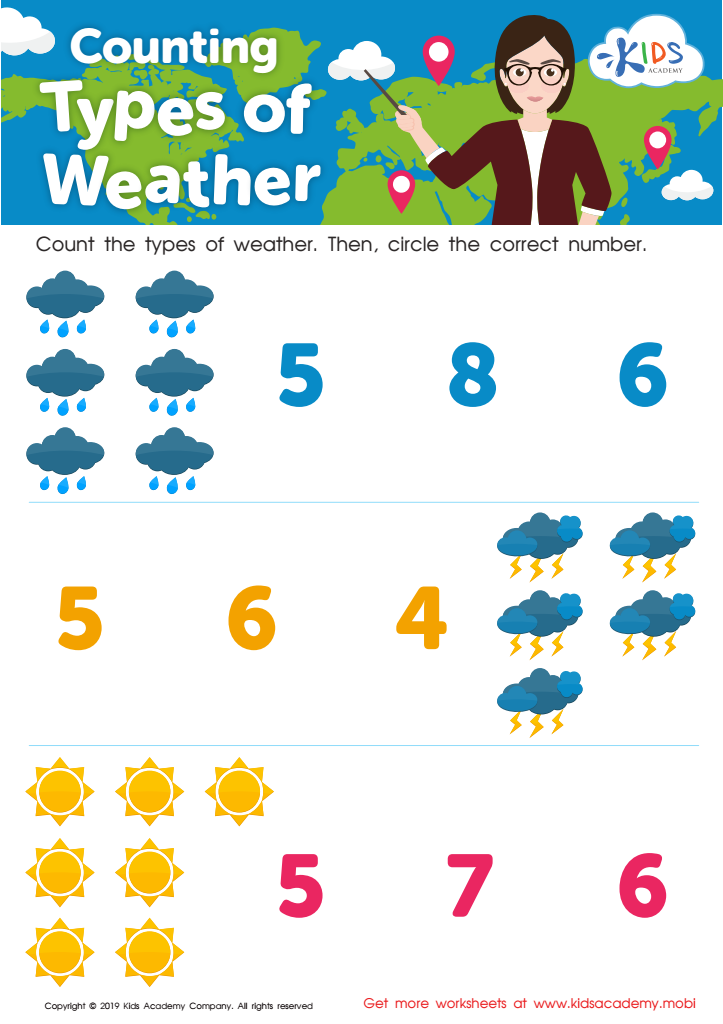
Counting Types of Weather Worksheet


.jpg)





Data interpretation and numerical understanding are foundational skills for children aged 5-9, affecting their academic and everyday lives. For parents and teachers, fostering these skills is crucial as they encourage critical thinking and problem-solving abilities. At this age, children can begin to recognize patterns, make comparisons, and understand basic concepts like more or less, as well as beginning to grasp the significance of numbers.
Understanding data helps children develop statistical literacy, empowering them to make informed decisions based on the information presented. Engaging with numbers through charts, graphs, and simple measurements make abstract concepts tangible, enhancing their learning experiences. It also supports numeracy, essential for success in mathematics and sciences as they progress in education.
Moreover, data interpretation activities can foster collaboration, encouraging young learners to work together, share discoveries, and discuss their thought processes. This not only builds social skills but also cultivates a sense of inquiry and curiosity about the world around them. Therefore, by prioritizing data interpretation, parents and teachers not only support academic growth but also equip children with essential life skills to navigate a data-driven world. This foundation lays the groundwork for responsible citizenship and informed decision-making in the future.








